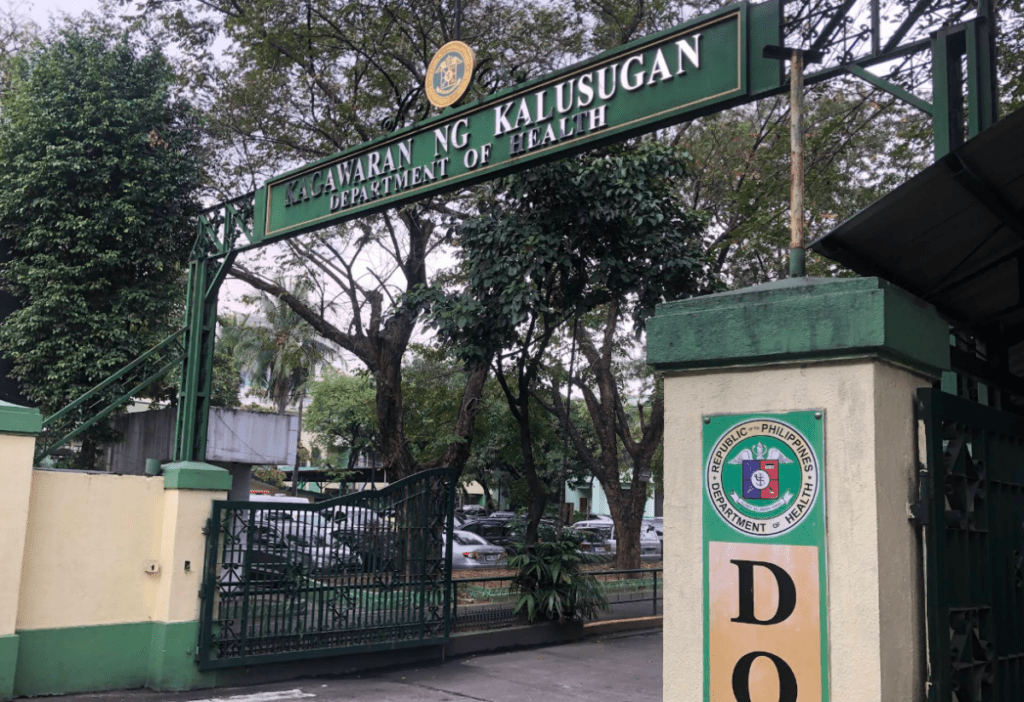
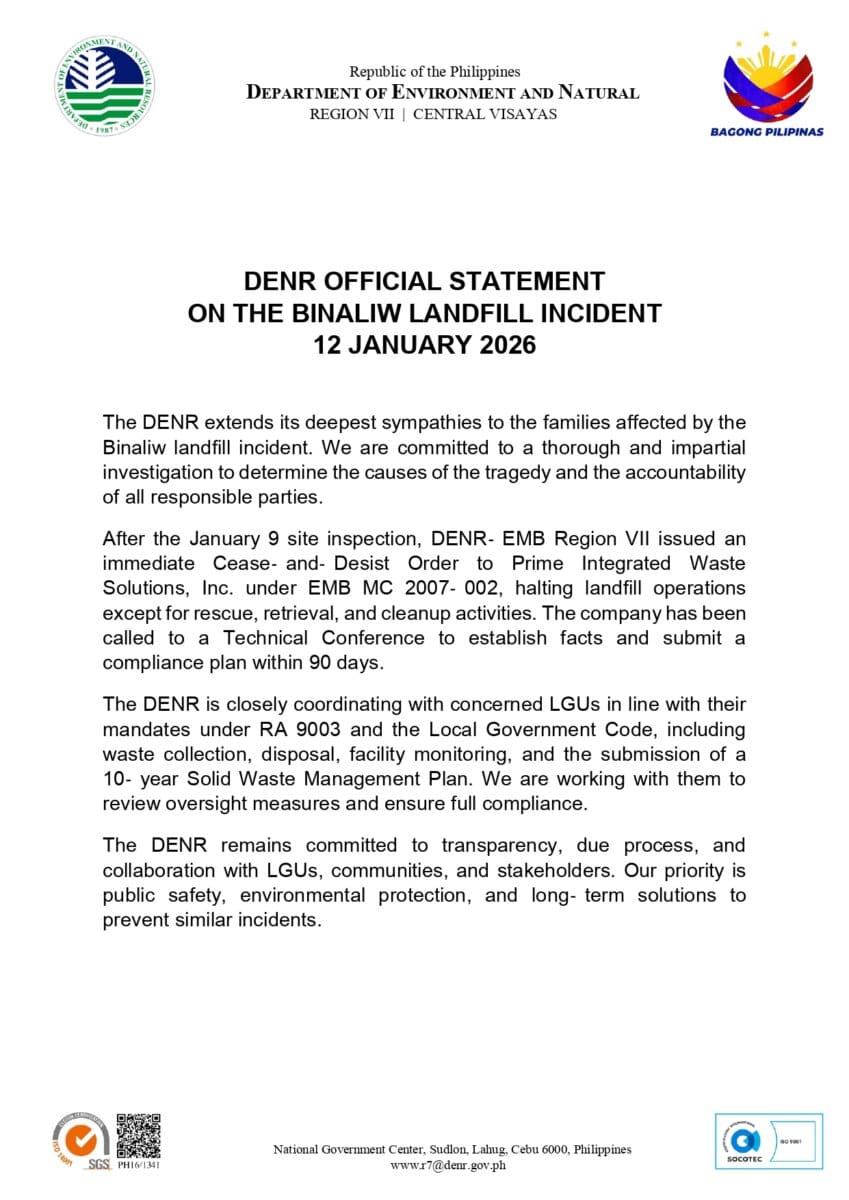
Photo from Department of Health Official Facebook Page
Tourism Meets Public Health
Photo grab from Google Maps
The rise in HIV cases has pushed health officials to reexamine how the country protects both residents and visitors. With infections increasing daily, discussions have shifted toward possible safeguards at the border. The focus remains on prevention without disrupting the Philippines’ open tourism culture.
Photo from Pexels.com
Numbers Driving the Debate
Photo from Unsplash.com
Health data show an average of 16 newly reported HIV cases each day, with many involving young Filipinos. Authorities are now studying all possible contributors, including high-risk travel activities linked to sex tourism. These figures have reignited conversations on stronger screening and education efforts.
Legal Limits in Place
Photo from Pexels.com
Any proposal involving testing faces clear boundaries under Republic Act 11166. The law prohibits compulsory HIV testing as a requirement for entry or travel within the country. Health officials acknowledge that any future move must stay within existing legal protections.
A Viral Trigger
Photo from Pexels.com
Public concern intensified after a foreign vlogger posted content that alarmed viewers online. Although officials described the video as meant to provoke reactions, it raised serious health and safety questions. Immigration authorities acted swiftly as the issue gained national attention.
Action from Immigration
Photo from Bureau of Immigration, Republic of the Philippines
The Bureau of Immigration detained the vlogger while deportation proceedings moved forward. Health authorities conducted an HIV test following his arrest, which returned a negative result. The case highlighted gaps in handling health risks tied to foreign visitors.
Looking Ahead
Photo from Pexels.com
Officials are now weighing closer coordination between health, tourism, and immigration agencies. Existing programs aimed at protecting young people from exploitation may be expanded to include broader health measures. The discussion continues as the country balances public health, human rights, and its role as a global travel destination.
Photo from NAIA Official Facebook PagePhoto from Department of Health Eastern Visayas
Photo from Cebu City Disaster Risk Reduction and Management Office
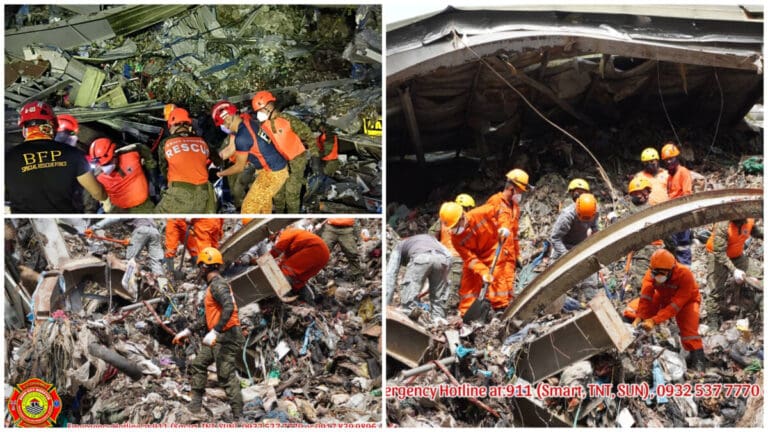
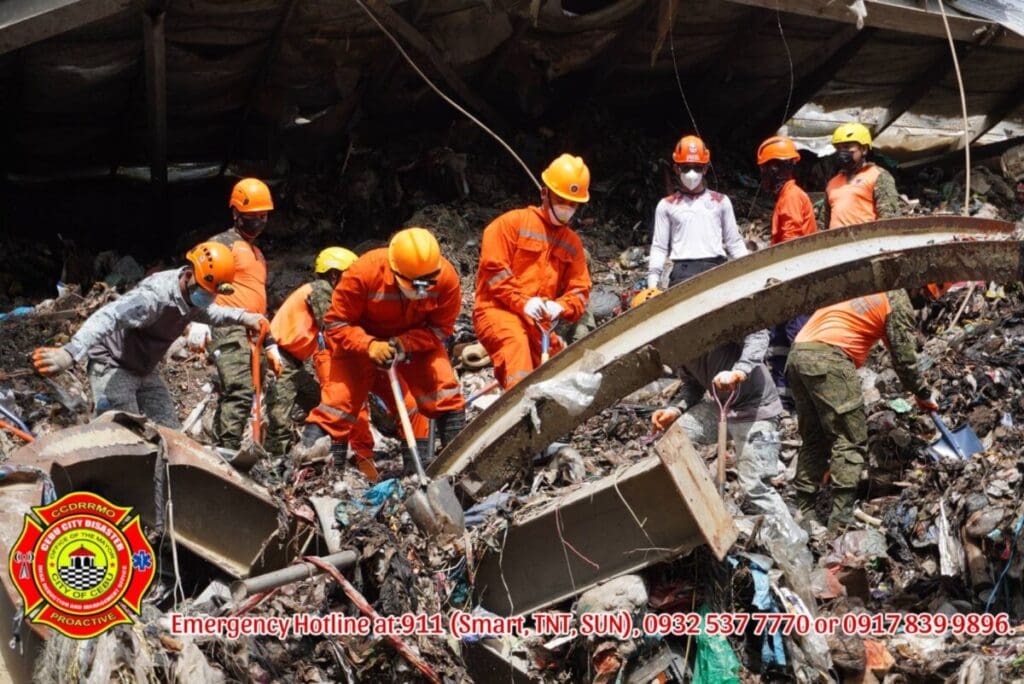
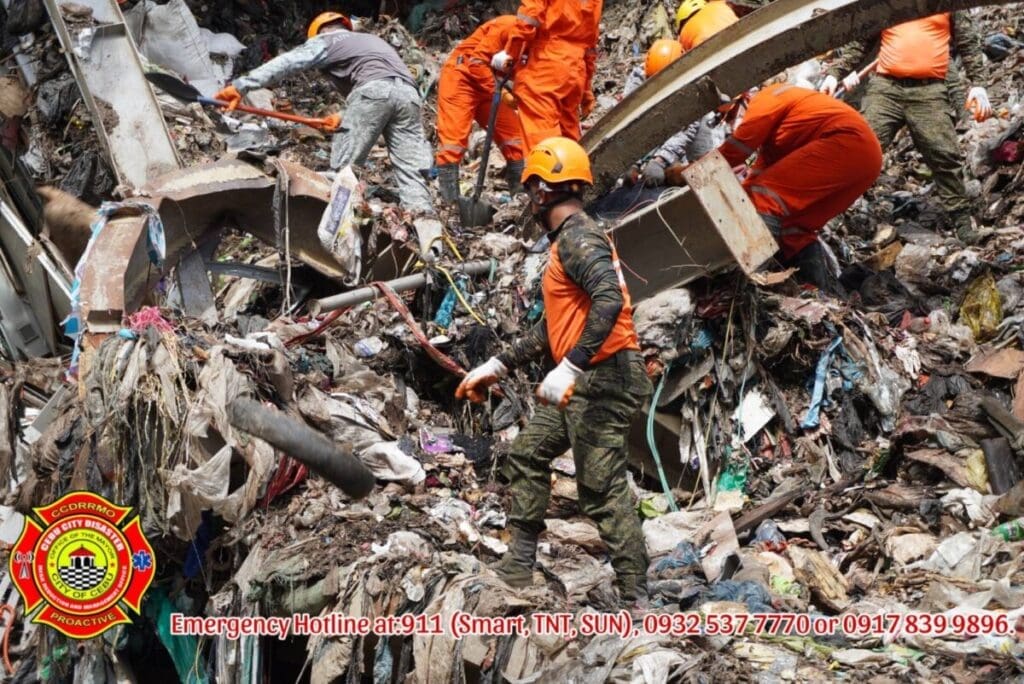
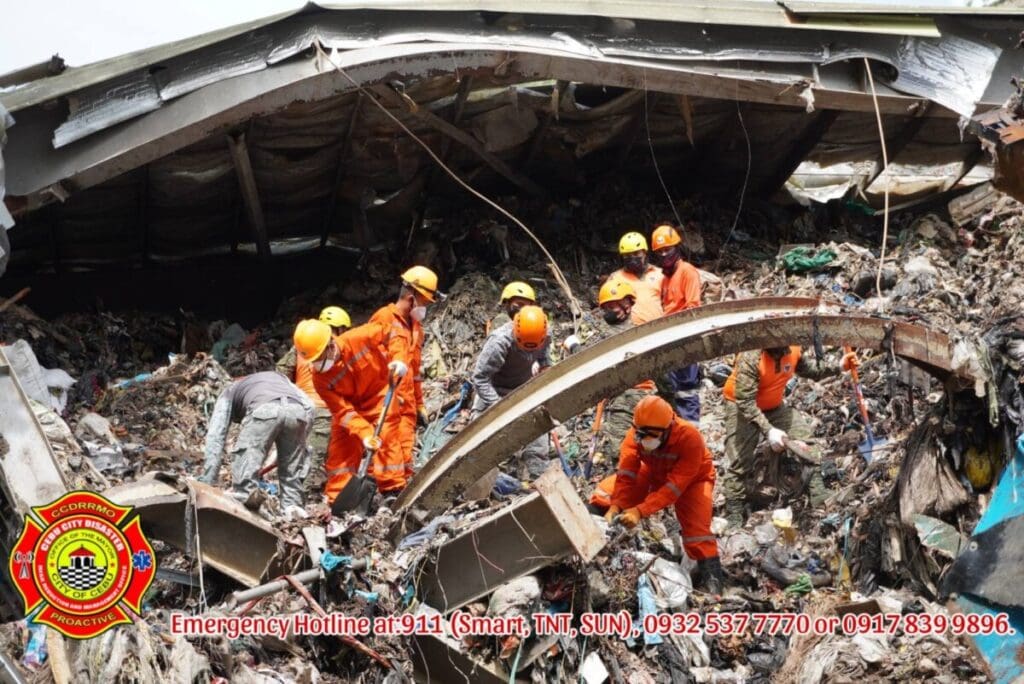
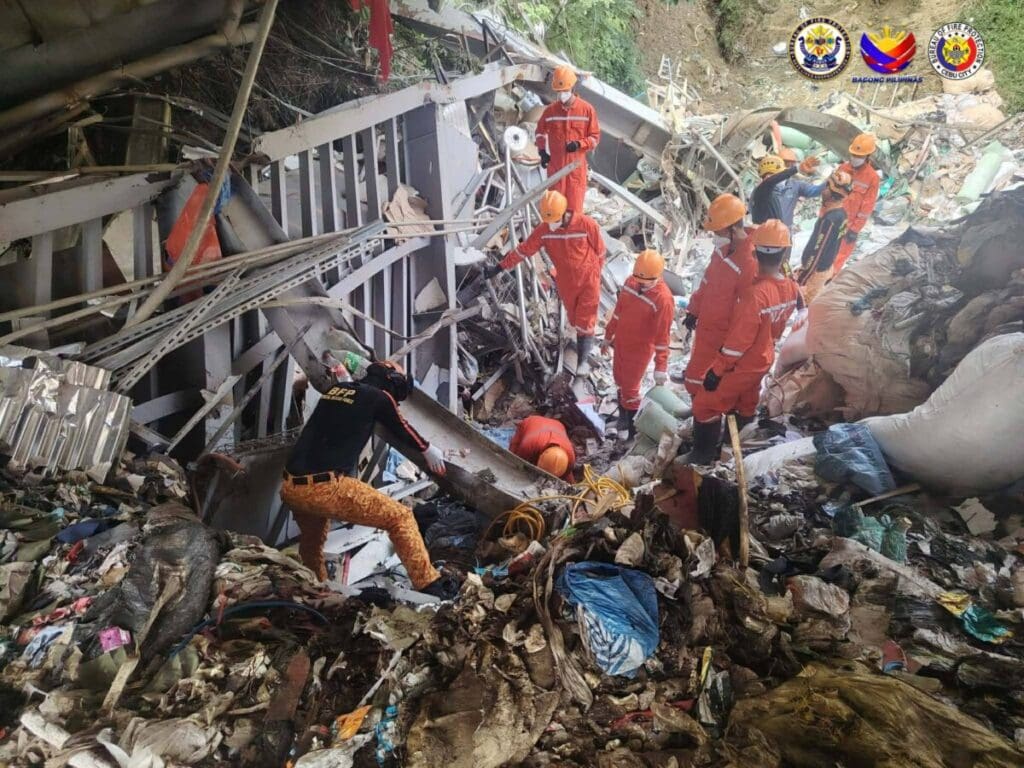
What started as an ordinary afternoon in the mountain barangay of Binaliw turned into one of Cebu City’s darkest environmental disasters. Past 4 p.m. on January 8, a section of the landfill collapsed, forcing an abrupt halt to dumping operations. Beneath the rubble, lives were lost and a long-standing problem finally surfaced.
Waste With Nowhere To Go
Photo from Cebu City Disaster Risk Reduction and Management Office
The collapse instantly paralyzed Cebu City’s waste collection system, leaving garbage trucks stranded and neighborhoods piling up trash. Around 500 to 600 tons of waste are generated daily, a volume the city could no longer absorb. Residents were urged to temporarily keep their trash indoors as authorities searched for answers.
Beyond City Limits
Photo from Cebu City Disaster Risk Reduction and Management Office
The effects quickly spilled into neighboring cities that also relied on the Binaliw landfill. Mandaue City suspended garbage collection and entered talks with provincial officials for a shared solution. Lapu-Lapu City was also affected, highlighting how deeply interconnected waste systems have become in Metro Cebu.
Race For Temporary Relief
Photo from Cebu City Disaster Risk Reduction and Management Office
Cebu City formally sought help from DENR Region 7 to negotiate emergency dumping arrangements. A short-term plan proposed sending waste to other landfills in Consolacion and Minglanilla for 15 days. Approval depended on host local governments and the issuance of special permits.
A Brief Opening
Photo from Cebu City Disaster Risk Reduction and Management Office
By January 10, the city gained a temporary lifeline. Garbage disposal resumed at the Asian Energy Base in Barangay Pulog, Consolacion, following clearance from regulators. The move eased four days of mounting waste but did not erase deeper concerns.
Human Cost of Negligence
Photo from Cebu City Disaster Risk Reduction and Management Office
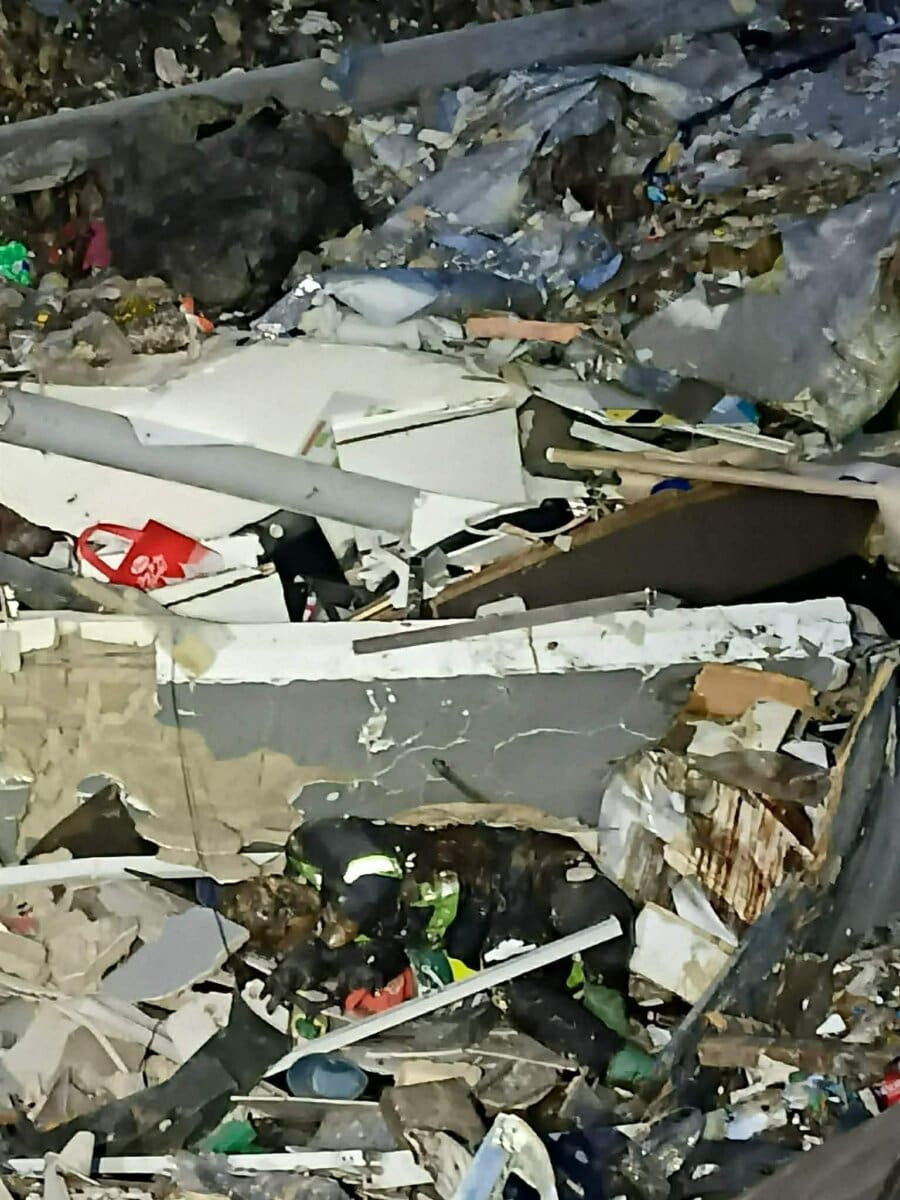
While trucks rolled again, search and rescue teams continued working around the clock in Binaliw. Four deaths were confirmed, with dozens reported missing as operations shifted from rescue to retrieval. The tragedy underscored the real human cost behind waste mismanagement.
Resistance From Minglanilla
Photo from Mayor Rajiv Enad Facebook Page
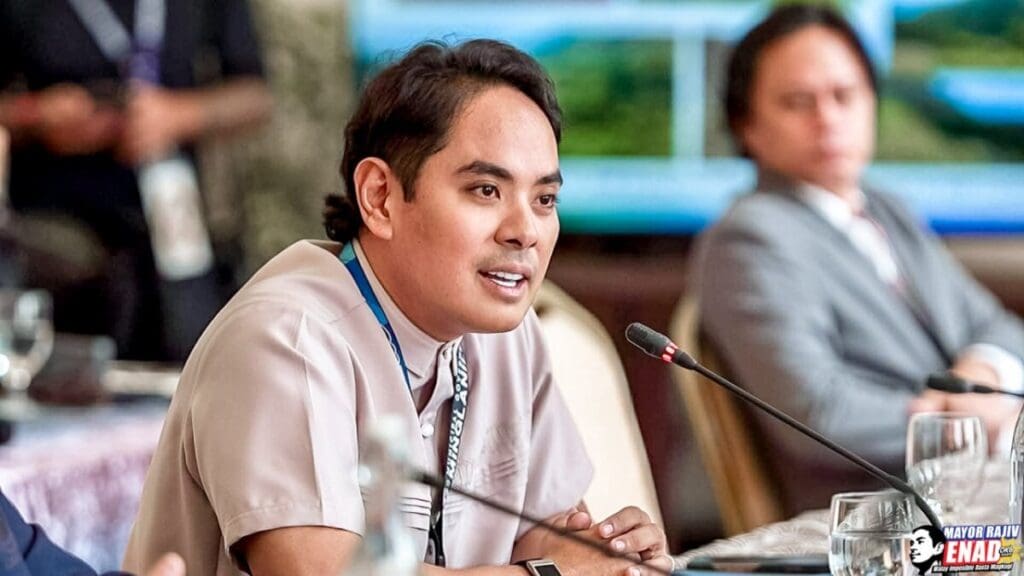
Not all proposed solutions found support. Minglanilla firmly rejected accepting Cebu City’s garbage, citing environmental risks and strong opposition from residents. Local leaders pointed to lingering pollution from a previously closed landfill as proof of long-term damage.
Broken System Exposed
Photo from BFP R7 Cebu City FS
Environmental groups drew parallels between Binaliw and the Payatas tragedy decades ago. They blamed excessive residual waste, single-use plastics, and weak enforcement of the Ecological Solid Waste Management Act. The collapse was seen less as an accident and more as a warning.
Looking Inward
Photo from BFP R7 Cebu City FS
City officials began exploring internal measures to reduce dependence on landfills. Plans include stricter waste segregation and diverting up to 300 tons of biodegradable waste daily. Transfer stations in Inayawan or the South Road Properties were floated as possible stop-gap facilities.
A Test of Cooperation
Photo from BFP R7 Cebu City FS
Meetings between national, provincial, and local officials revealed how fragile inter-LGU cooperation can be during crises. DENR identified five alternative landfills, but each option came with political and environmental hurdles. Trust and compromise emerged as scarce resources.
The Temporary Dumping Site
Aloguinsan and Toledo City in Cebu Province will temporarily accept Cebu City’s waste. Provincial officials said the San Rafael Sanitary Landfill in Aloguinsan will be the primary site, with Toledo’s dumpsite ready by April. Garbage collection will prioritize affected Capitol properties, with deliveries capped at 100 cubic meters. Binaliw may serve as a transfer point once stabilized.
The Department of Environment and Natural Resources (DENR) 7 ordered immediate repairs at Binaliw, including slope stabilization, leachate containment, daily soil covering, and gas management. The facility, which serves Cebu, Mandaue, and Lapu-Lapu, was the site of a tragedy that killed 36 workers and has long faced sanitation complaints. Cebu City declared a state of calamity, and long-term plans include a waste-to-energy facility at San Rafael. DENR continues reviewing landfill compliance nationwide, including notices against operator Piwsi.
Photo from DENR 7 Central Visayas
Binaliw has forced Cebu City to confront uncomfortable truths about how it handles its waste. Clearing garbage is only the immediate task, while rebuilding systems and accountability remains the real challenge. From the rubble, the city faces a choice between repeating history or finally changing course.
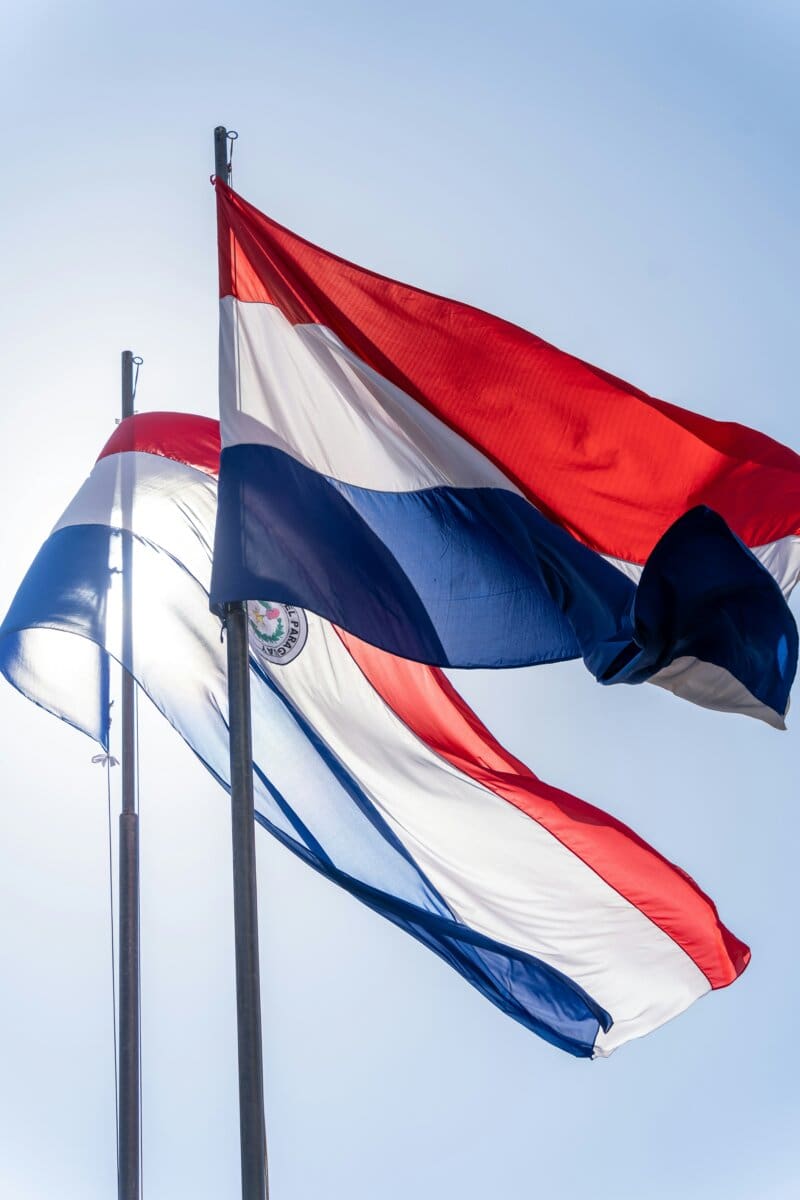
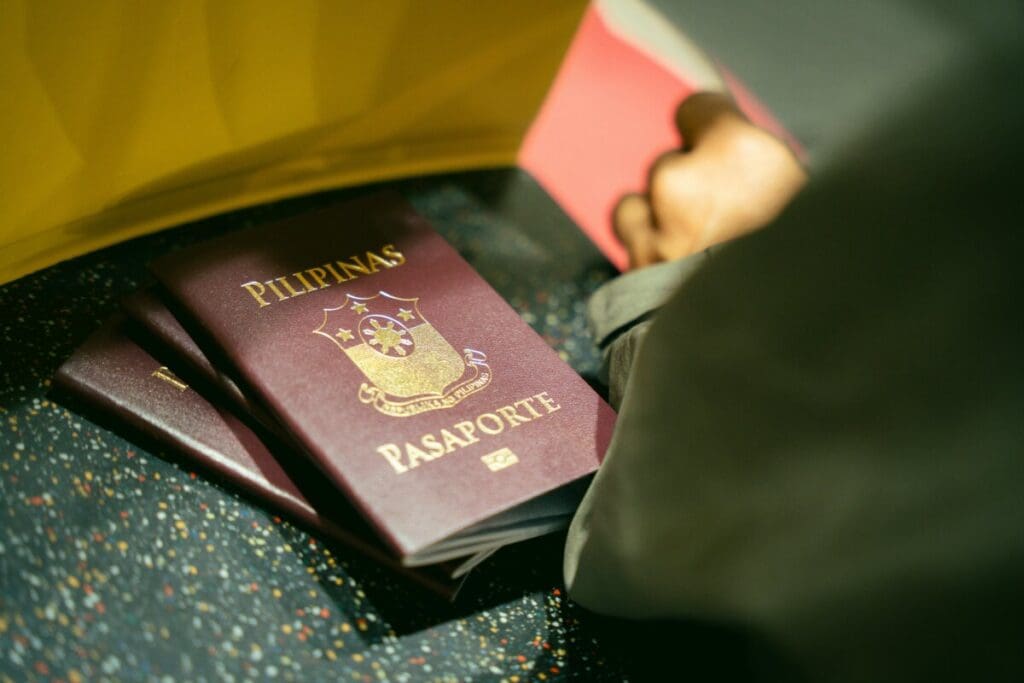
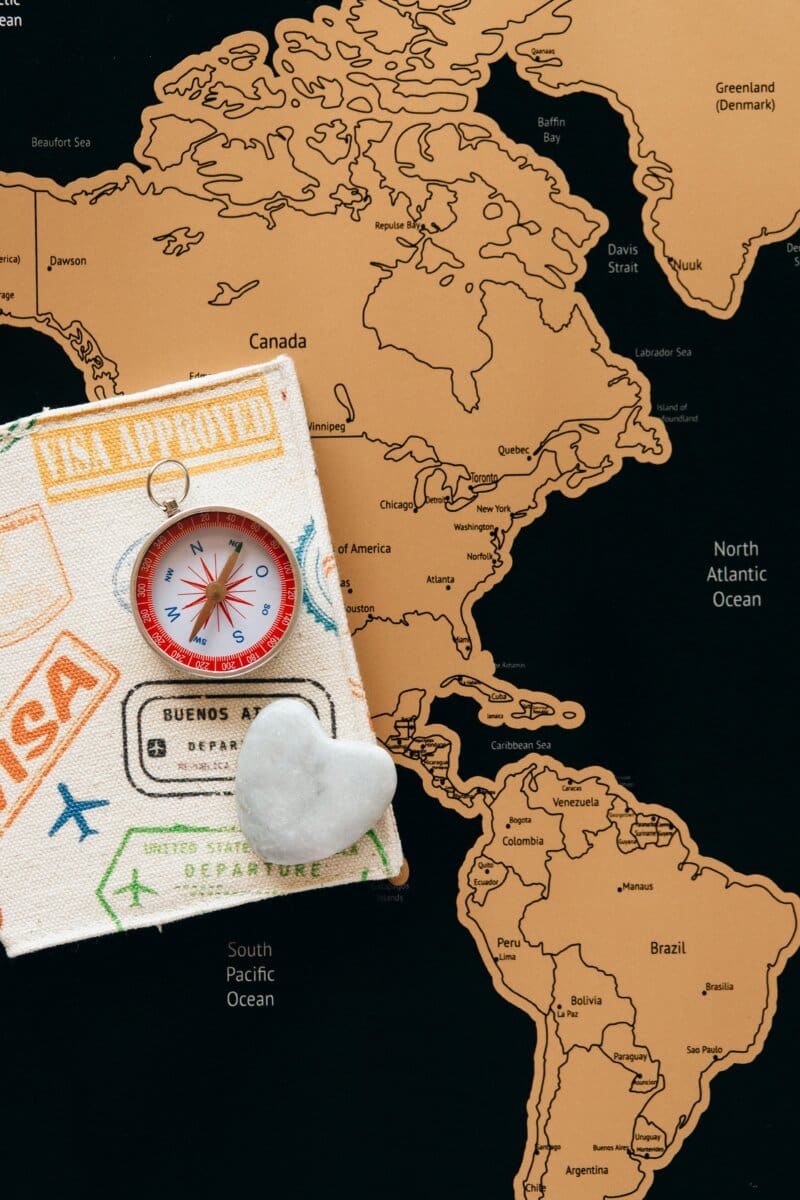
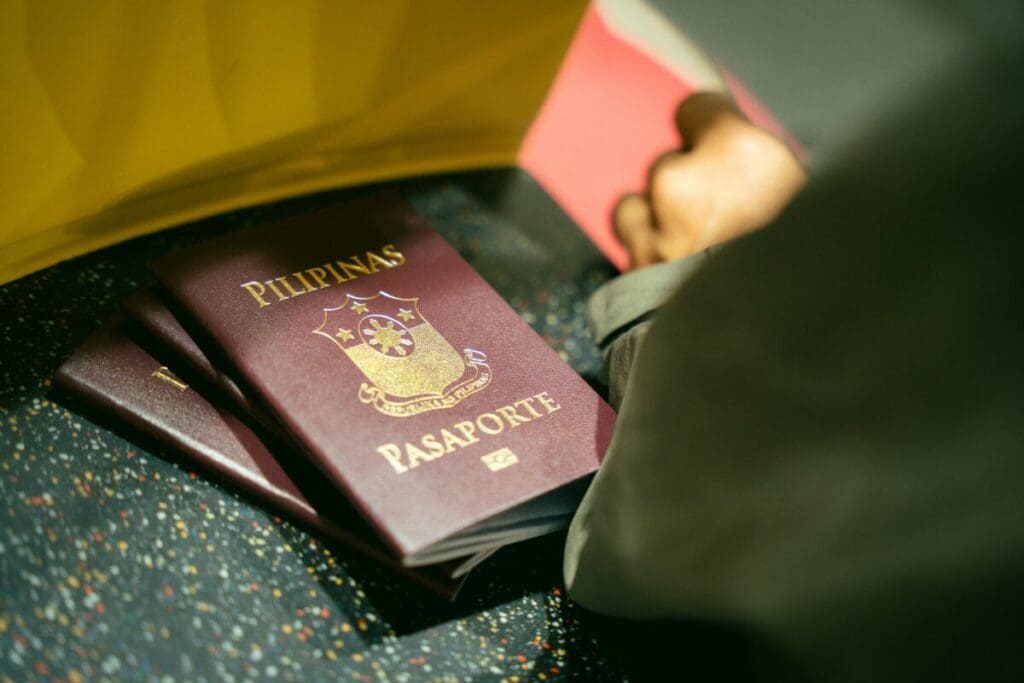
Filipino travelers now have one more country they can enter without paperwork stress. Paraguay has officially granted visa-free access to Philippine passport holders for short stays. The change quietly took effect through a presidential decree signed late last year.
Photo from Unsplash.com
What the New Rule Means
Photo from Unsplash.com
Under the new policy, Filipinos can stay in Paraguay for up to 30 days without applying for a visa. This removes one of the biggest hurdles in traveling to South America. The updated rule is already reflected on Paraguay’s immigration website.
The decision follows the principle of reciprocity between nations. Paraguayans have long enjoyed visa-free travel to the Philippines, which paved the way for this update. The same exemption was also extended to Malaysian nationals.
Photo from Unsplash.com
A Shift Toward Asia
Photo from Unsplash.com
Beyond tourism, the visa waiver hints at a broader strategy. Paraguay is looking to strengthen ties with Asian countries through trade, investment, and business travel. Making entry easier is seen as a first step in encouraging new connections.
Traveling from the Philippines to Paraguay remains a long journey. With no direct flights, trips often involve multiple layovers and long transit times. Common routes pass through the United States or Europe, where transit visas may be required.
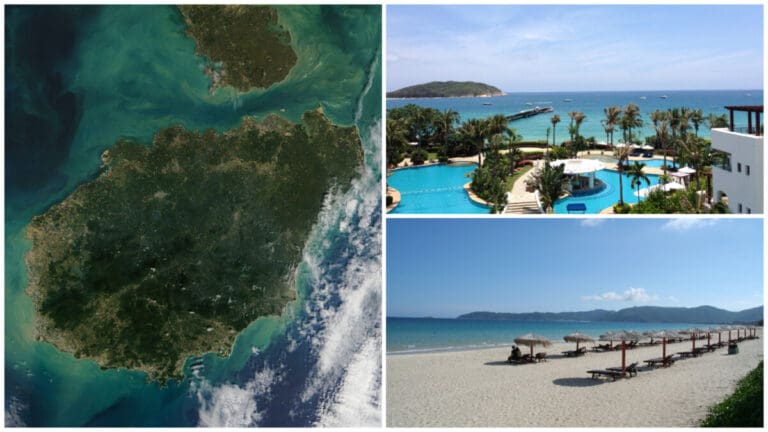
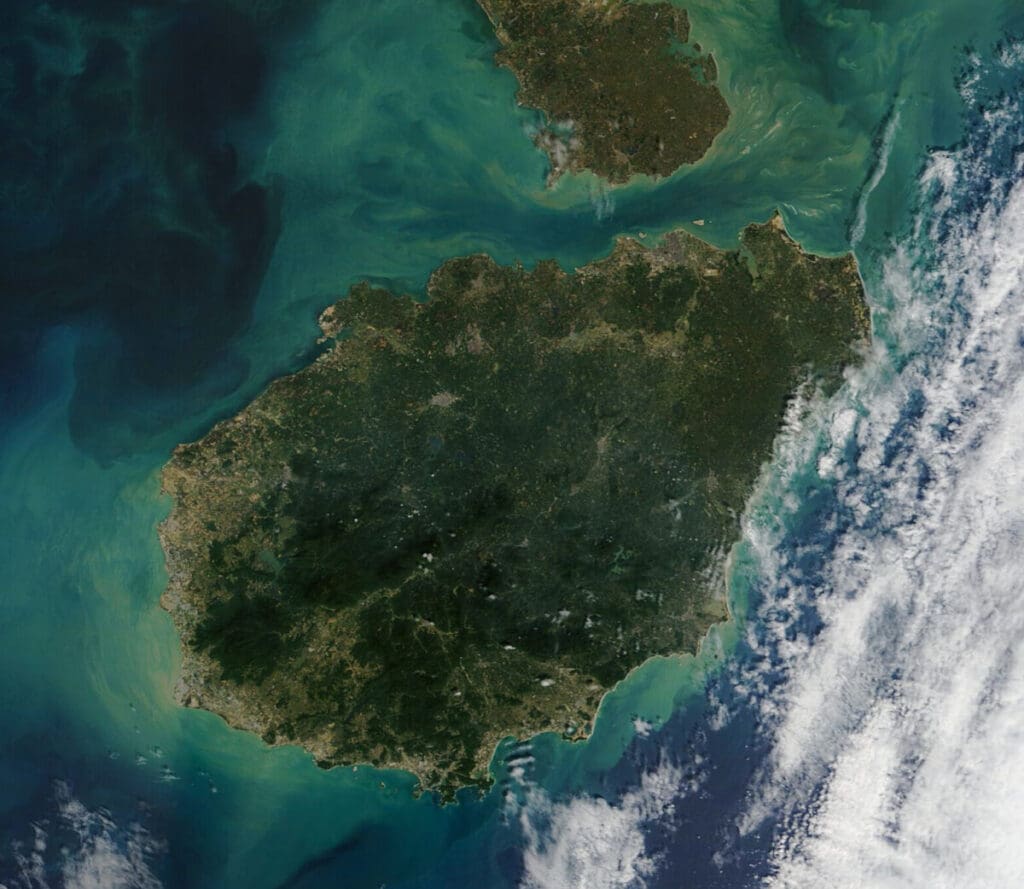
A new travel option is drawing attention among Filipino tourists looking beyond Southeast Asia. China’s tropical island province of Hainan is now allowing Filipinos to enter visa-free for short stays. The move adds a rare China destination to the Philippines’ growing list of visa-free escapes.
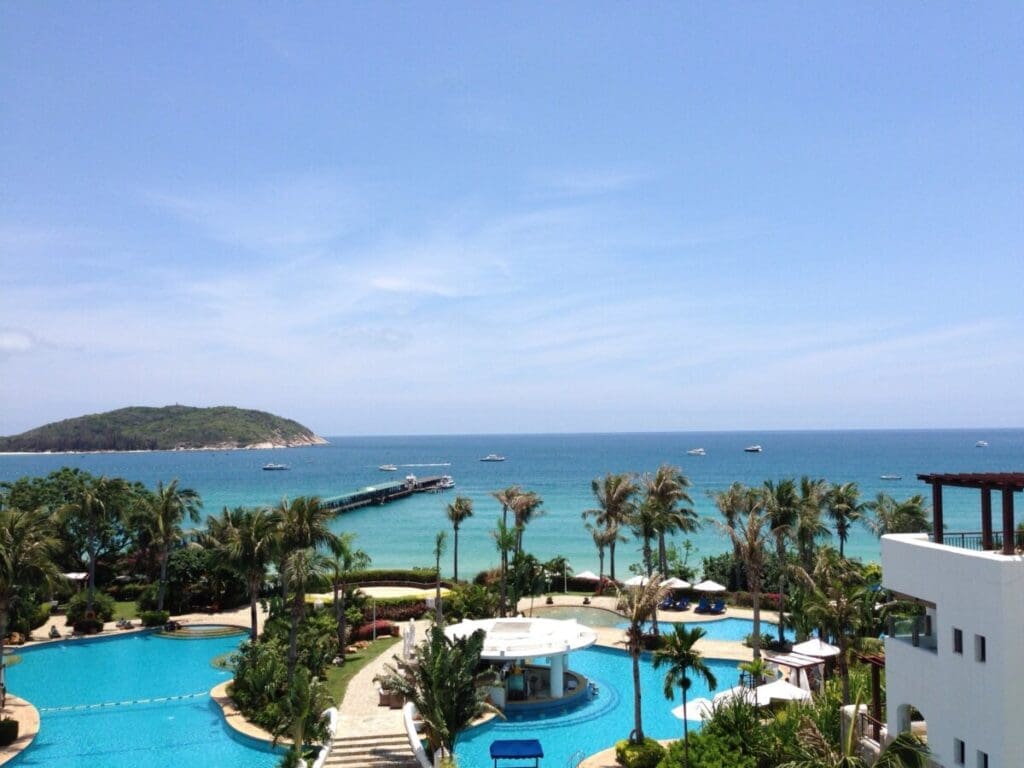
Hainan is China’s only tropical island province, known for palm-lined beaches and warm weather year-round. The island blends resort cities like Sanya with quieter cultural hubs such as Haikou. Its mix of nature, leisure, and heritage makes it stand out from China’s major urban centers.
Photo from Wikipedia.com
The Visa-Free Privilege
Photo from Pexels.com
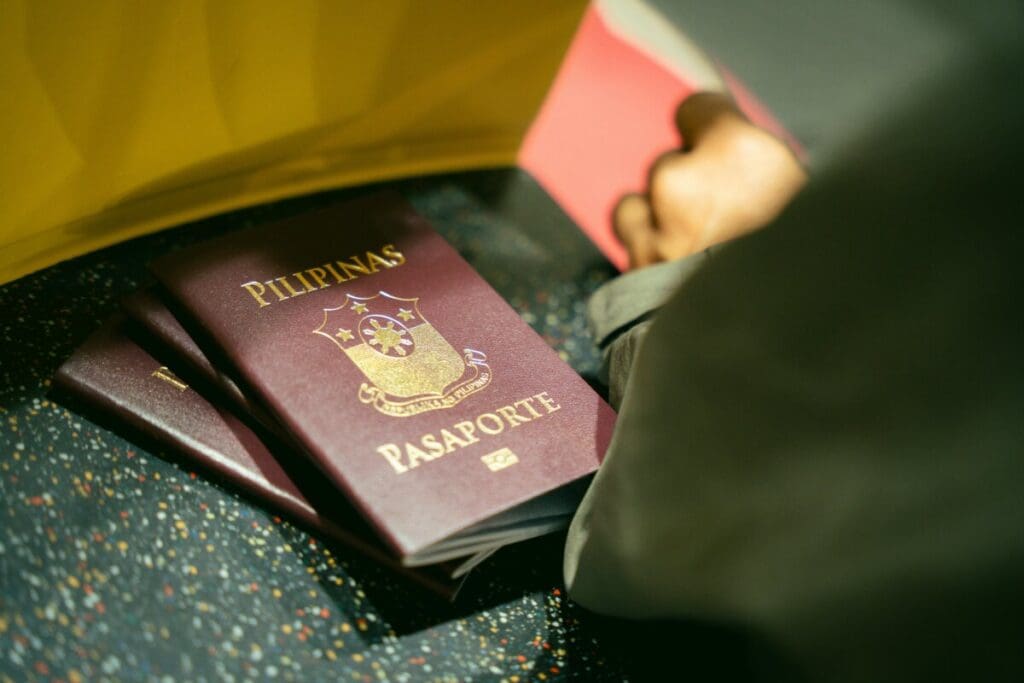
Filipino passport holders may stay in Hainan for up to 30 days without a visa. The policy, announced in February 2024, is valid until December 31, 2026. Travel is allowed for tourism, business visits, family trips, conferences, sports events, or medical purposes.
How Entry Works
Photo from Wikipedia.com
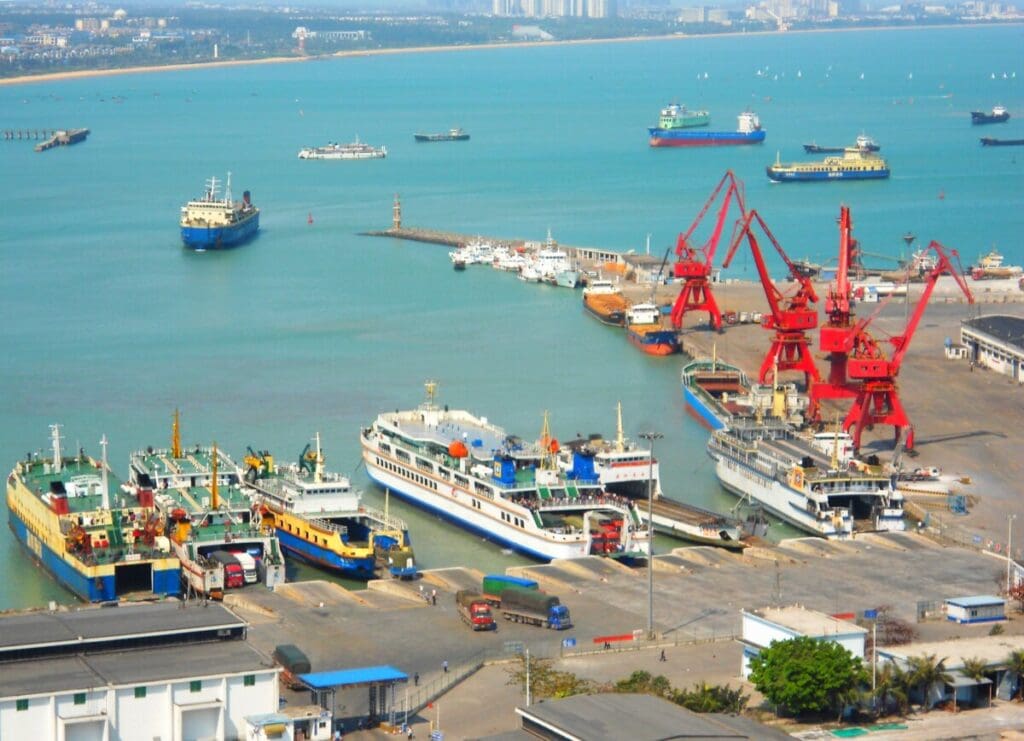
Visa-free travelers must enter Hainan through its designated open ports, either via direct international flights or through Hong Kong. Registration with a Hainan-based travel agency is required at least 48 hours before arrival. Passport details, round-trip tickets, hotel bookings, and an itinerary must be submitted in advance.
Hainan has three international airports and the world’s first high-speed railway loop circling the island. Scenic drives along the Coastal Highway connect beach towns and nature sites. Visitors can move easily between rainforests, surf spots, and historic streets in a single trip.
Photo from Wikipedia.com
Places Worth the Trip
Photo from Wikipedia.com
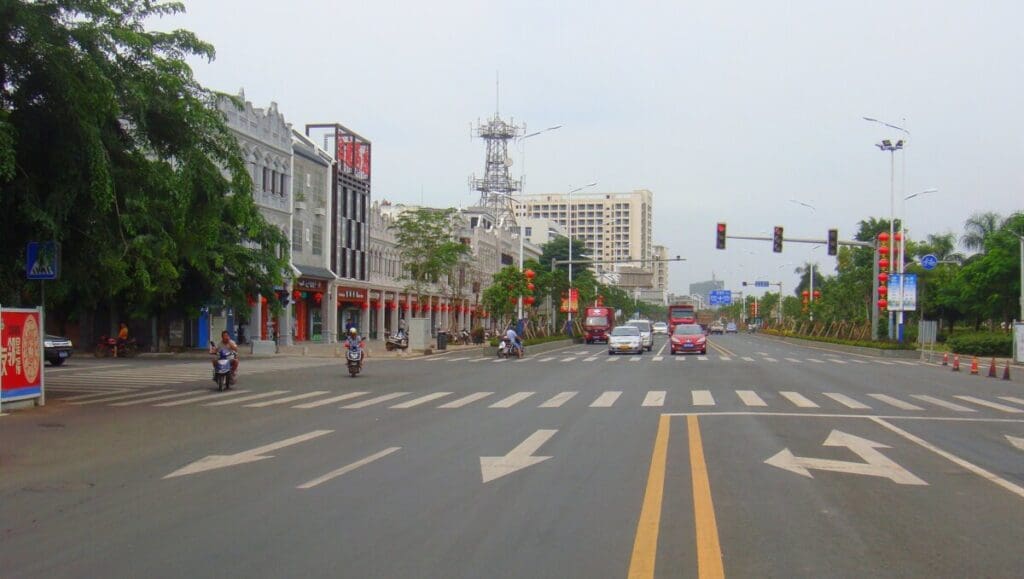
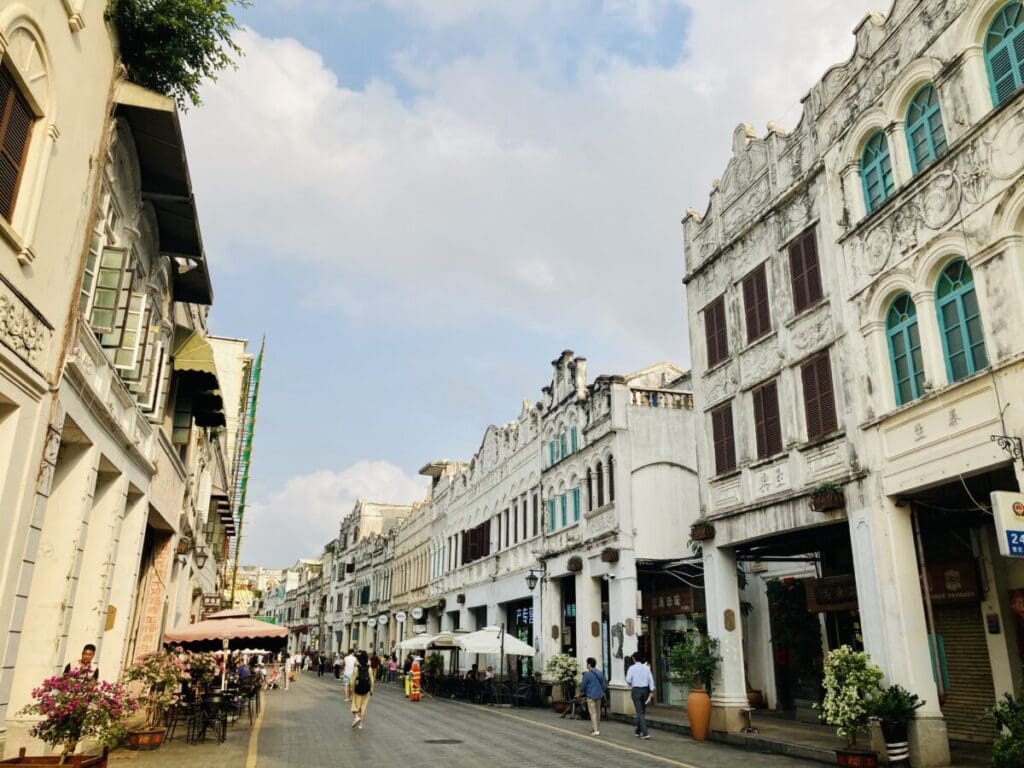
Sanya Bay and Yalong Bay stretch across long coastlines popular for swimming and water sports. Inland, the Yanoda Rainforest Cultural Tourism Zone offers shaded trails and elevated walkways. In Haikou, Qilou Old Street showcases preserved arcade buildings from the 19th century.
Travel beyond Hainan to other parts of China is not covered by the visa-free policy. Extensions or onward travel require a regular Chinese visa processed through a Hainan travel agency. Work and study activities are also excluded from the visa-free arrangement.
Photo from Wikipedia.com
Visa-Free Transit Explained
Photo from Wikipedia.com
Filipinos generally do not qualify for China’s standard visa-free transit policy. Exceptions include group travel to Guilin for up to 144 hours and to Xishuangbanna in Yunnan for up to six days, both arranged by Chinese travel agencies. These options are separate from Hainan’s 30-day visa-free entry and come with strict entry and exit conditions.
Photo from Wikipedia.com
Hainan’s visa-free access offers Filipinos a simpler way to experience China without complex paperwork. The island’s tropical setting feels familiar yet distinct from local destinations. For travelers seeking something new but convenient, Hainan is now firmly on the map.
Filipino passport holders now have visa-free access to Mongolia, making travel to Central Asia easier than ever. The policy allows stays of up to 21 days without going through the usual visa application process. It marks a welcome development for travelers looking for fresh destinations beyond the usual routes.
Photo from Pexels.com
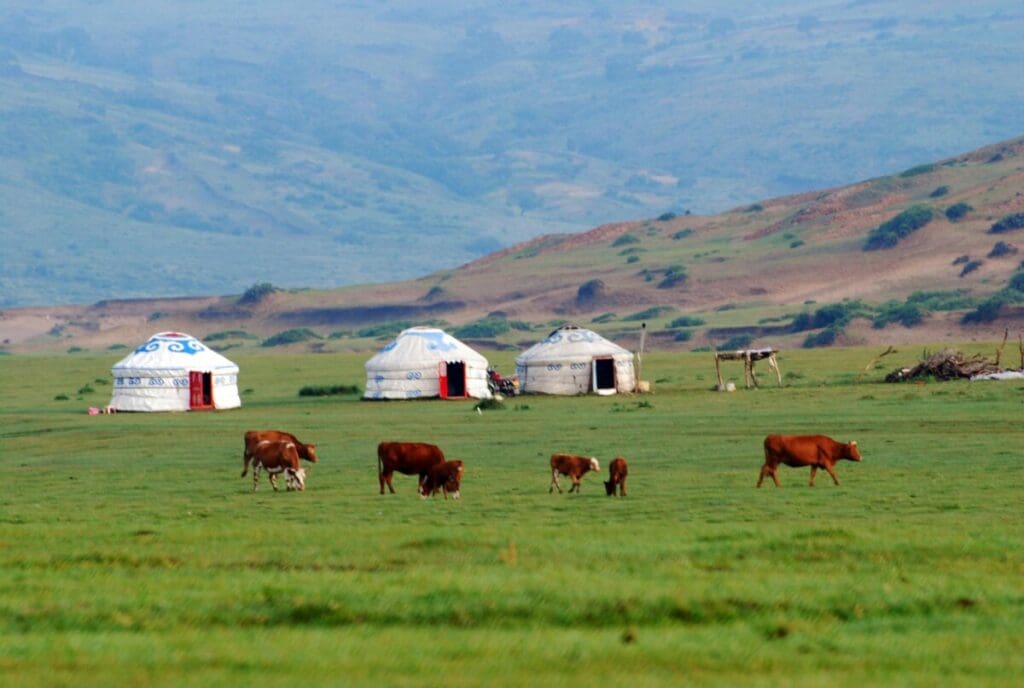
Mongolia offers dramatic landscapes, from wide-open steppes to the huge Gobi Desert and alpine mountain ranges. Visitors can experience nomadic culture, traditional gers, and historic sites tied to the legacy of Genghis Khan. Seasonal festivals and local cuisine add depth to the travel experience.
Photo from Pexels.com
What Travelers Need to Prepare
Photo from Pexels.com
While no visa is required, travelers must carry a valid Philippine passport with at least six months validity. Immigration officers may also ask for a return or onward ticket to confirm the length of stay. The visa-free entry applies to tourism and short business visits only.
Planning Beyond 21 Days
Photo from Pexels.com
Those who wish to stay longer than the allowed period must apply for a visa through the Mongolian Embassy. Overstaying can lead to fines or travel restrictions, so planning ahead is important. Travelers are encouraged to monitor official advisories in case of policy updates.
Boost to Tourism and Exploration
Photo from Pexels.com
The visa-free entry is expected to encourage more Filipinos to explore Mongolia’s lesser-known attractions. It also strengthens travel ties between the two countries and supports tourism growth. For adventurous travelers, Mongolia now stands as a visa-free destination worth adding to the bucket list.
Debt snowball vs avalanche: which method wins for Filipinos? Compare payoff strategies, calculate savings on high-interest cards/loans, and build habits for PDIC-protected growth.
Photo from Pexels.com
Snowball vs Avalanche: Best Debt Strategies for Filipinos
Photo from Pexels.com
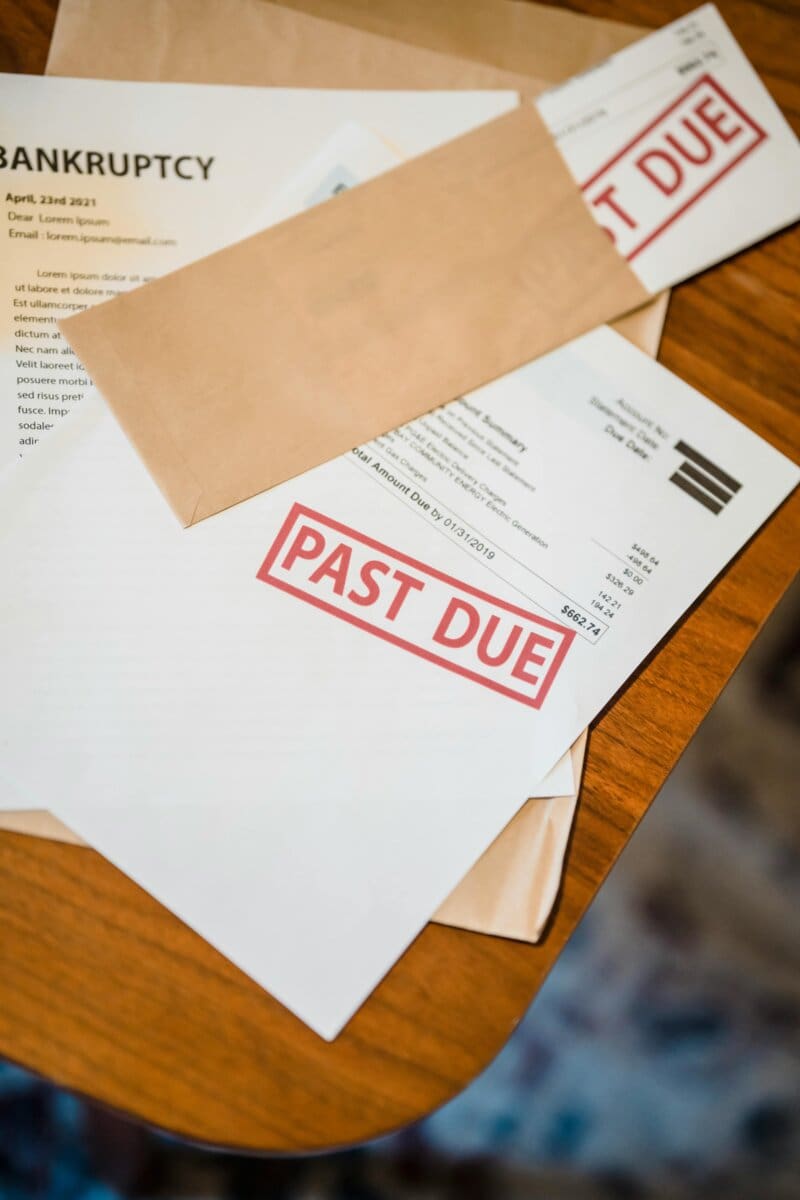
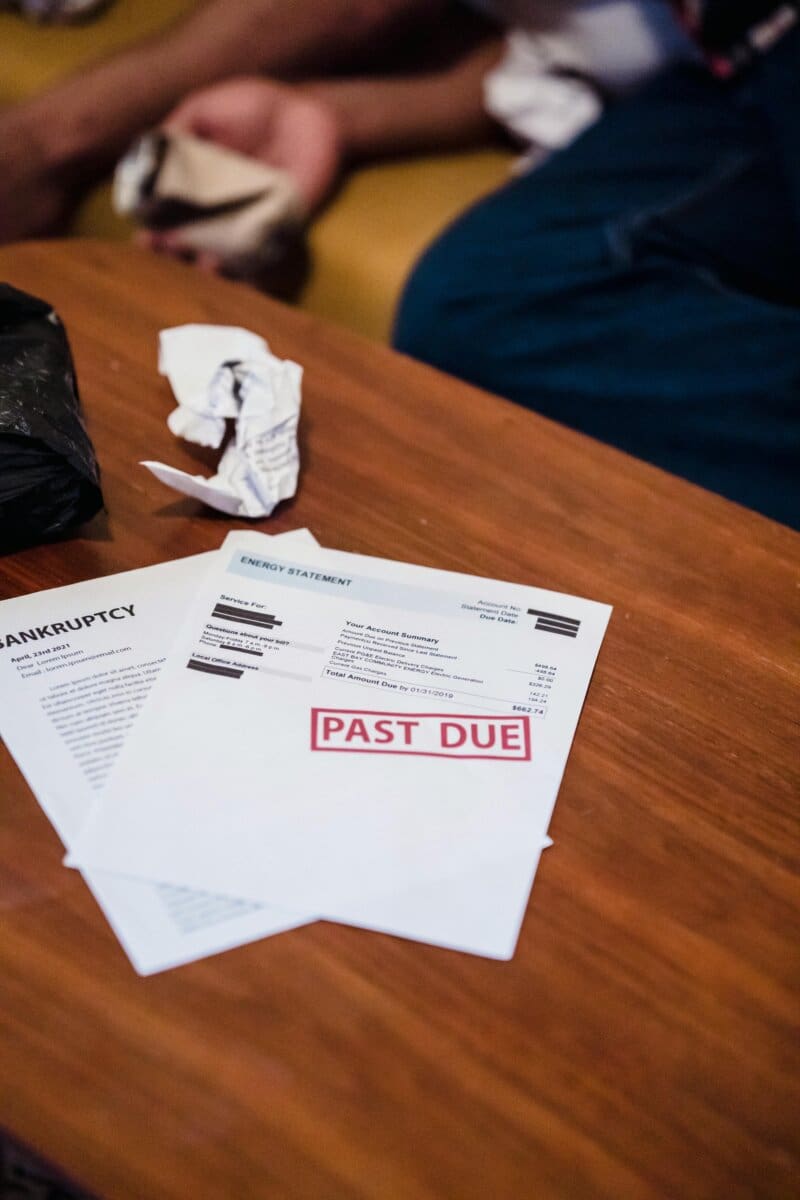
Debts come in many forms — credit cards, university loans, money for medical expenses, or a new smartphone — and all of them need to be paid off as soon as possible to keep debt from spiraling.
Fortunately, there are proven payoff strategies to help you tackle multiple debts at once. We’ll focus on two of them: avalanche and snowball.
The golden rule before choosing a method
Photo from Pexels.com
Always make minimum payments on all your debts. This keeps your credit score intact and prevents penalties. After covering minimums, put extra money toward one specific debt using either the avalanche or snowball approach.
Avalanche method: target high-interest debts first
Photo from Unsplash.com
The avalanche payoff method prioritizes high-interest debts. You allocate extra payments to the debt with the highest interest rate while maintaining minimums on everything else.
For example, a guy named Kyle has three debts:
₱30,000 car repair loan at 5.47%
₱400,000 home loan at 7.5%
₱80,000 student loan at 2.4%
Photo from Pexels.com
With ₱15,000 extra each month after minimums, avalanche tells him to target the home loan first, then the car repair loan, and lastly the student loan. This is the most cost-efficient route, but it can be psychologically exhausting — paying the largest, highest-interest loan first means it will take many months before this burden is lifted from Kyle’s shoulders.
Snowball method: quick wins for more motivation
Photo from Unsplash.com
The snowball method prioritizes the smallest balance first, regardless of interest rate. You pay off the smallest debt, then roll that payment into the next smallest.
Using the same ₱15,000, Kyle would target the car repair loan first, then the student loan, and finally the home loan. He eliminates the car loan in 2 months and the student loan by month 8 — two debts gone quickly. These quick wins create psychological momentum that keeps people committed to debt payoff. However, the highest-rate home loan would keep accruing interest, which, for Kyle, means paying more.
Photo from Pexels.com
Which method is right for you?
Photo from Pexels.com
If you can stay disciplined and want to save the most money, choose the avalanche. If you need psychological wins to keep going or if you feel overwhelmed by multiple debts, choose the snowball approach.
Tips to accelerate your debt payoff
List all your debts by size or interest rate before starting.
Freeze your credit cards once you start paying them down to avoid adding new debt.
When you finish paying off one debt, redirect that full payment to the next target.
Track your progress in a spreadsheet or budgeting app and celebrate each milestone.
Once you’re debt-free, deposit money into high-yield time deposits earning up to 8% with PDIC insurance to build wealth instead of paying interest.
Photo from Pexels.com
Pick the strategy that matches your personality and financial style — either way, becoming debt-free funds your future growth. Start calculating your debts today and choose your path forward.
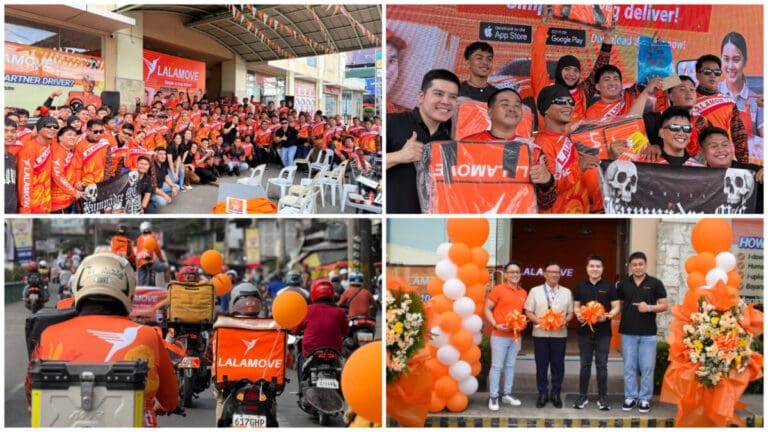
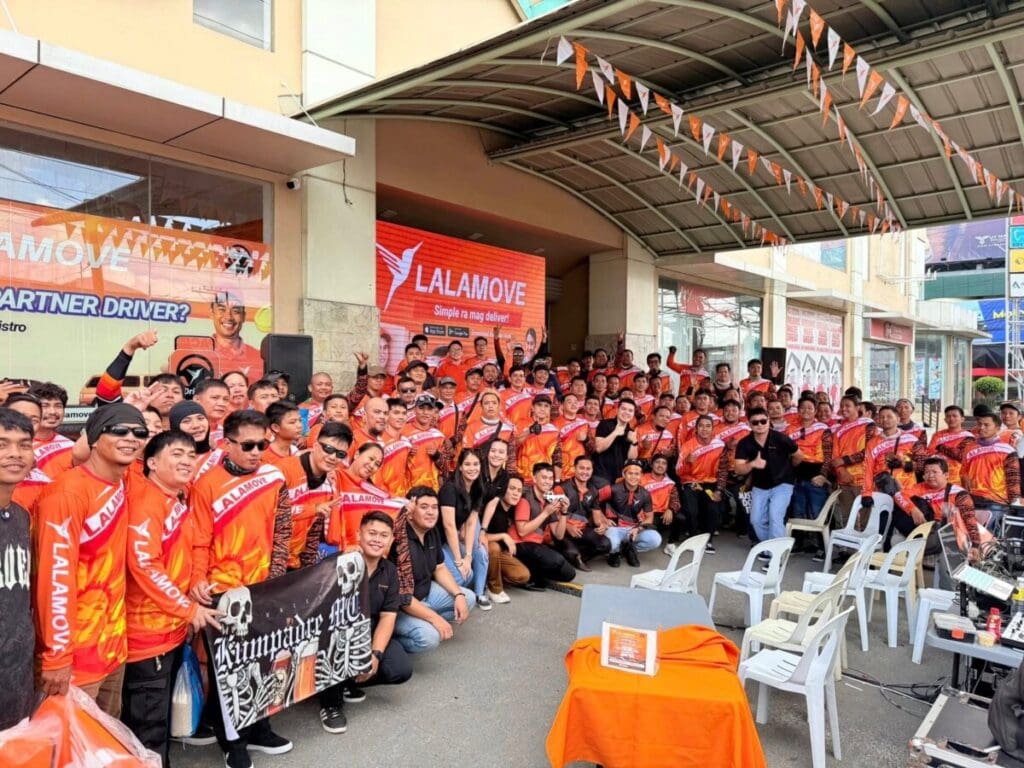
Lalamove, the leading on-demand delivery and ride-hailing platform, has officially opened its new Hub in Cebu, strengthening its presence in the province and supporting the growing demand for affordable delivery and ride-hailing services.
Photo from Lalamove
This move is aligned with Lalamove’s commitment to further strengthen its services since being known as the main player in on-demand delivery services at the peak of the pandemic in Cebu.
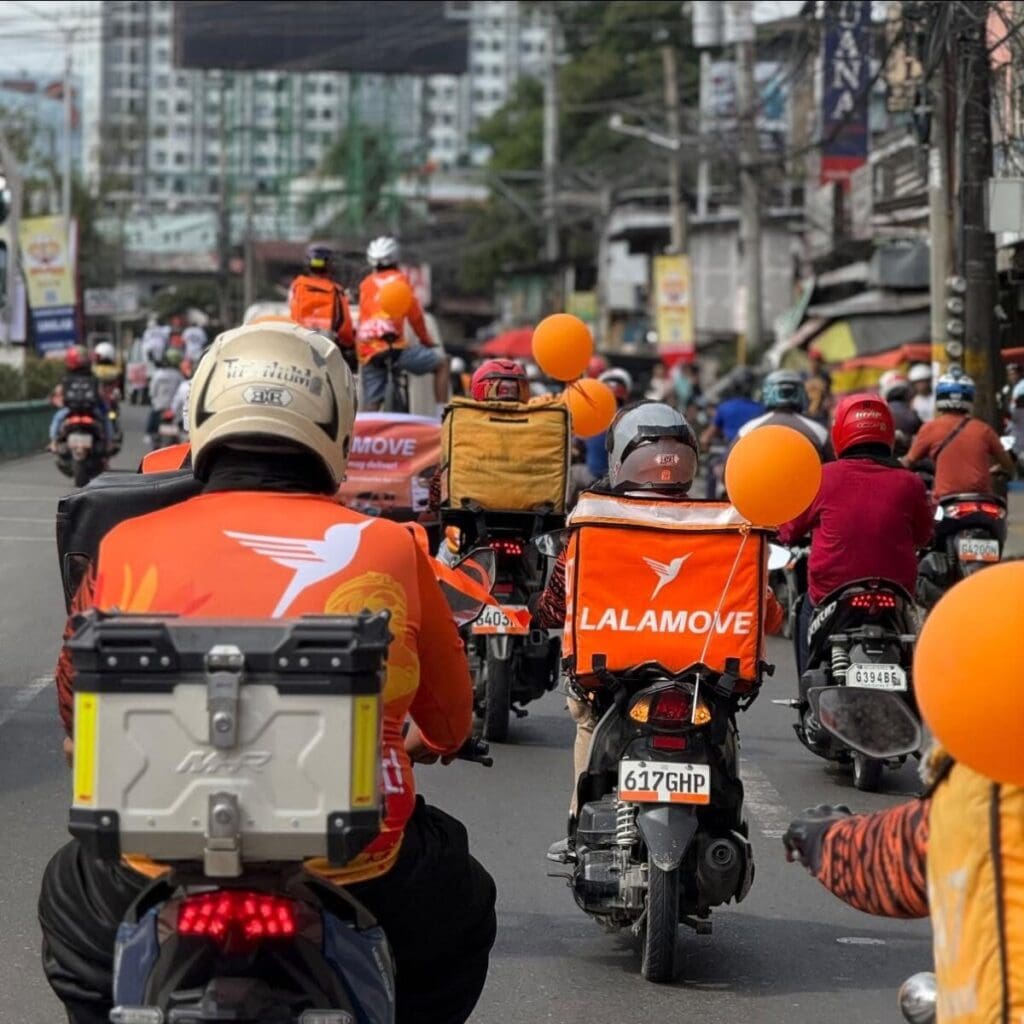
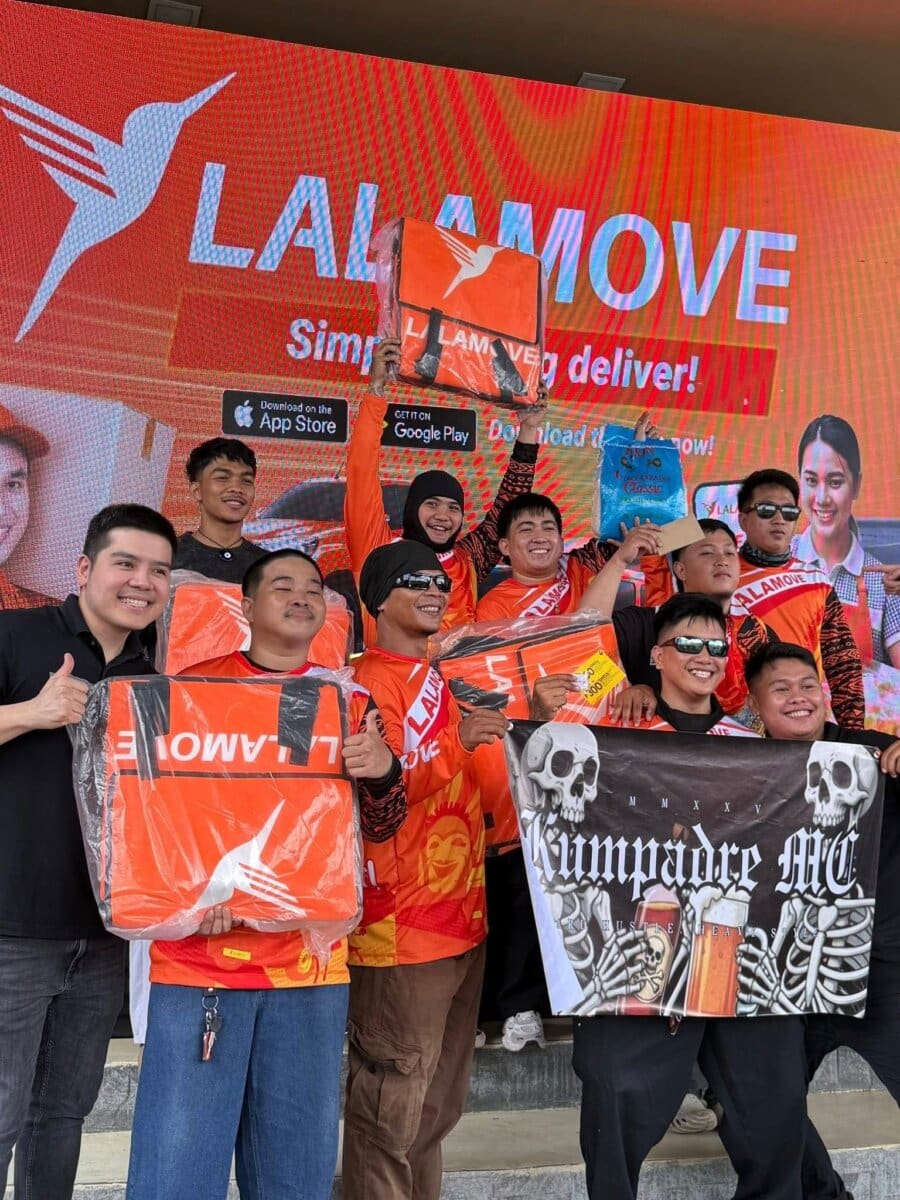
Additionally, the new Hub is set to unlock more livelihood opportunities for Cebuanos, particularly for drivers who want to join the platform either as delivery partners or as ride-hailing drivers through Lalamove Ride. Through this new Hub, Lalamove can accommodate more drivers and make onboarding, support, and engagement more accessible and efficient.
Photo from Lalamove
This also reinforces Lalamove’s commitment to supporting micro, small, and medium enterprises (MSMEs) in Cebu. As the province continues to thrive as an MSME-driven economy, Lalamove still becomes the go-to for trustworthy on-demand delivery services with a pool of reliable drivers and default insurance for added protection for all deliveries with up to P20,000 coverage for motorcycle and up to P50,000 for four wheel starting January 30, 2026.
At the same time, commuters in Cebu continue to face transportation challenges, including traffic congestion and limited transport options. Lalamove’s combined delivery and ride-hailing services are designed to help address these gaps by providing affordable and reliable options.
Photo from Lalamoe
“Cebu has a fast-growing MSME economy, while commuters continue to face transportation challenges due to traffic congestion and limited options,” said Djon Nacario, Managing Director of Lalamove Philippines. “As a 2-in-1 delivery and ride-hailing platform, Lalamove aims to help address these needs. With the launch of our new Cebu Hub, we hope to better connect with more drivers and meet the increasing demand for both delivery and ride-hailing services in the province.”
Photo from Lalamove
Lalamove has been operating in Cebu since 2018, offering on-demand, same-day delivery services that empower local businesses with cost-effective logistics solutions while providing income opportunities for drivers. In 2025, the company further expanded its services with the launch of Lalamove Ride in Metro Cebu.
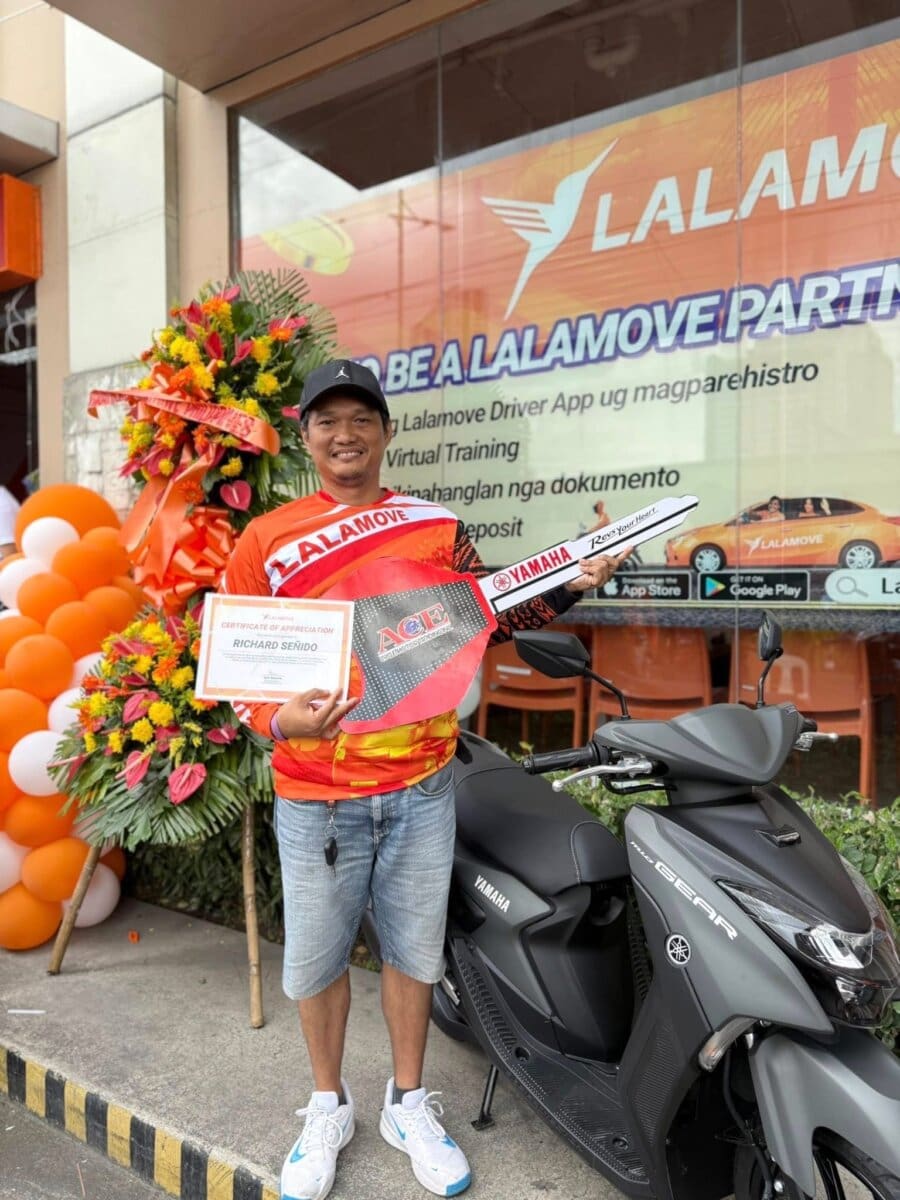
Drivers interested in joining Lalamove may visit the new Cebu Hub located at The North Atrium, Mandaue, Cebu. For more information, visit Lalamove’s Facebook page and website.
ABOUT LALAMOVE
Founded in Hong Kong in 2013, Lalamove is an on-demand delivery platform born with a mission to empower communities by making delivery fast, simple, and affordable. At the click of a button, individuals, small businesses, and corporations can access a wide fleet of delivery vehicles operated by professional driver partners.
Powered by technology, we seamlessly connect people, vehicles, freight, and roads, moving things that matter and bringing benefits to local communities in 16 markets across Asia, Latin America, and EMEA. Lalamove entered the Philippines in 2016, moving things that matter to Filipinos in need of on-demand delivery.
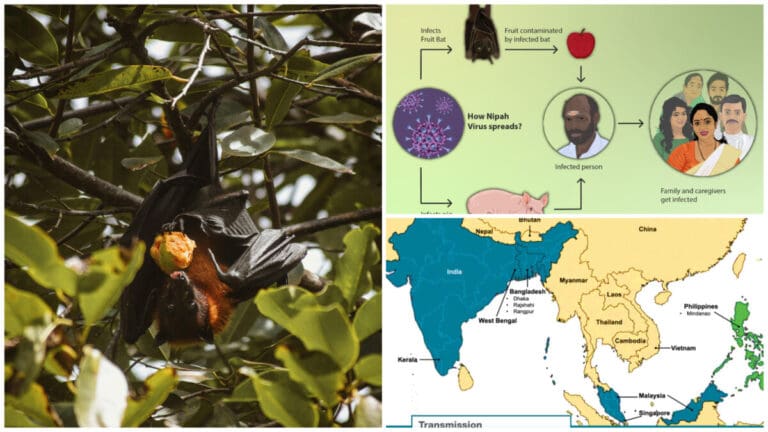
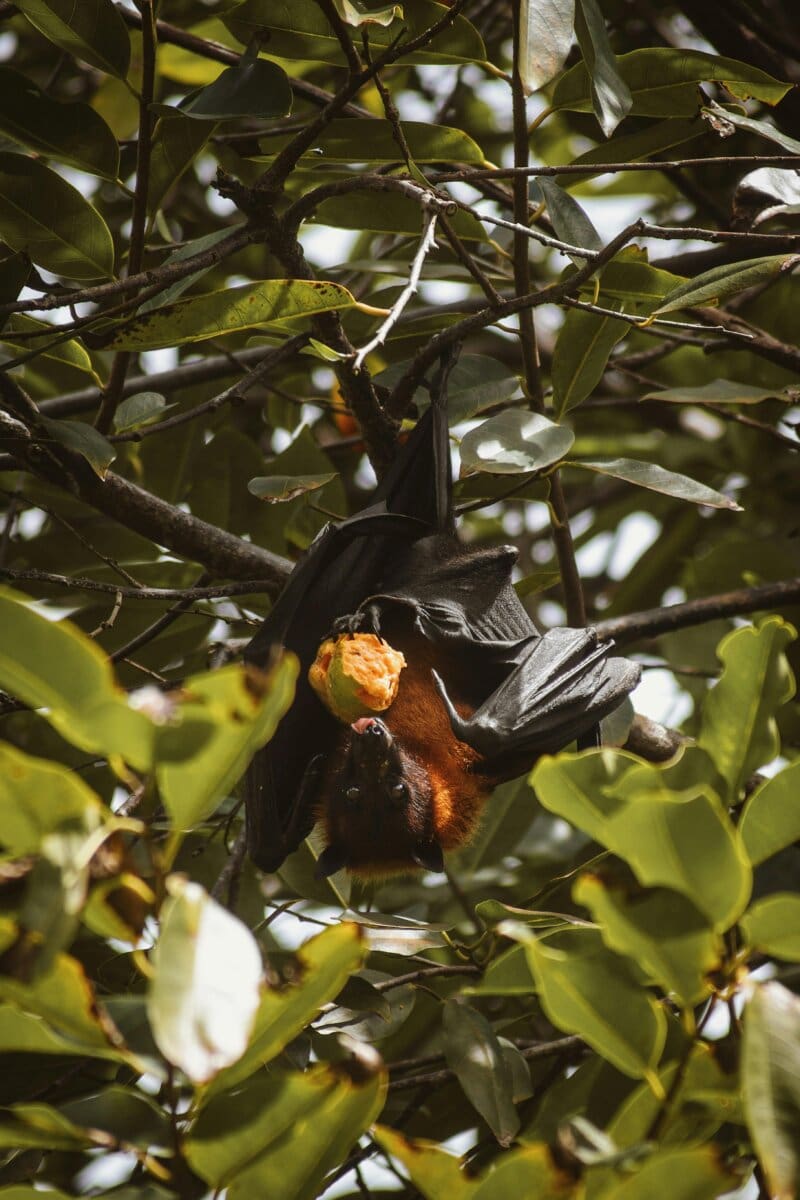
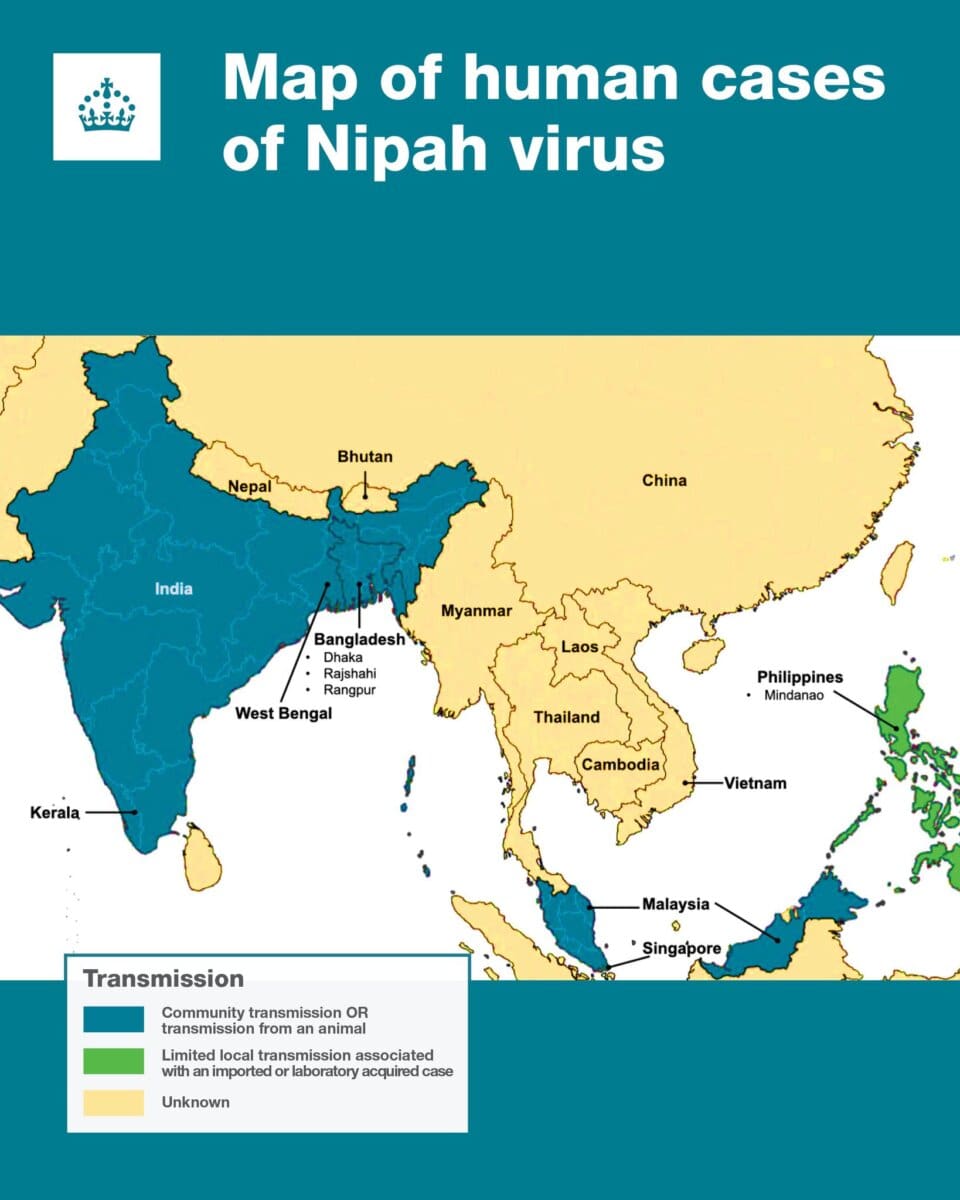
Nipah virus is a rare but deadly infection that has caused outbreaks in parts of South and Southeast Asia. Fruit bats are the natural carriers, but the virus can jump to humans through animals or contaminated food. Understanding the risks is essential for travelers and local communities alike.
How the Virus Spreads
Photo from Wikipedia.com
Humans can get infected by touching sick animals or consuming fruits contaminated with bat saliva or urine. Raw or partially fermented date palm sap has been linked to several outbreaks. The virus can also spread between people through close contact with body fluids.
Early Signs to Watch For
• Fever and headache
• Fatigue and muscle pain
• Respiratory issues such as coughing or difficulty breathing
• Neurological symptoms in severe cases like confusion, seizures, or coma
High-Risk Areas
Photo from Pexels.com
Nipah virus outbreaks have mainly been reported in Bangladesh, India, Malaysia, the Philippines, and Singapore. Rural and semi-rural regions are most affected due to close human-animal interactions. While antibodies have been found in bats elsewhere, human infections outside Asia are extremely rare.
The Deadly Complications
Photo from Wikipedia.com
Encephalitis or inflammation of the brain is the most serious outcome of Nipah infection. Mortality rates are alarmingly high, with 40 to 75 percent of cases resulting in death. Survivors may face long-term neurological problems like memory issues and persistent seizures.
Treatment and Care
• No specific cure or licensed vaccine is available
• Supportive care such as fluids, nutrition, and fever management
• Respiratory support and intensive monitoring for severe cases
• Experimental antiviral drugs and vaccines are under research
Practical Prevention Tips
Photo from Wikipedia.com
• Avoid contact with bats, sick animals, and their habitats
• Wash fruit thoroughly and peel before eating
• Never drink raw or partially fermented date palm sap
• Practice good hand hygiene
• Wear protective gear when caring for sick animals or patients
• Follow strict infection control in healthcare settings
Responding to Symptoms
• Seek medical care immediately if you have fever, respiratory trouble, or neurological symptoms
• Mention recent travel to endemic areas to help doctors act quickly
• Isolate yourself from others to prevent spread
Global and Local Efforts
Photo from UK Health Security Agency
Health authorities in affected countries focus on outbreak prevention and public awareness. Educational programs in schools teach children how to avoid infection and protect their families. Research centers like UKHSA are supporting vaccine and treatment development to stop future outbreaks.
Even though Nipah virus outbreaks are rare, the infection can progress rapidly and leave devastating consequences. Knowledge of the virus, safe food practices, and early medical care are key to protection. Staying informed helps communities respond responsibly and reduce panic.
Photo from Batanes Provincial Disaster Risk Reduction Management Office
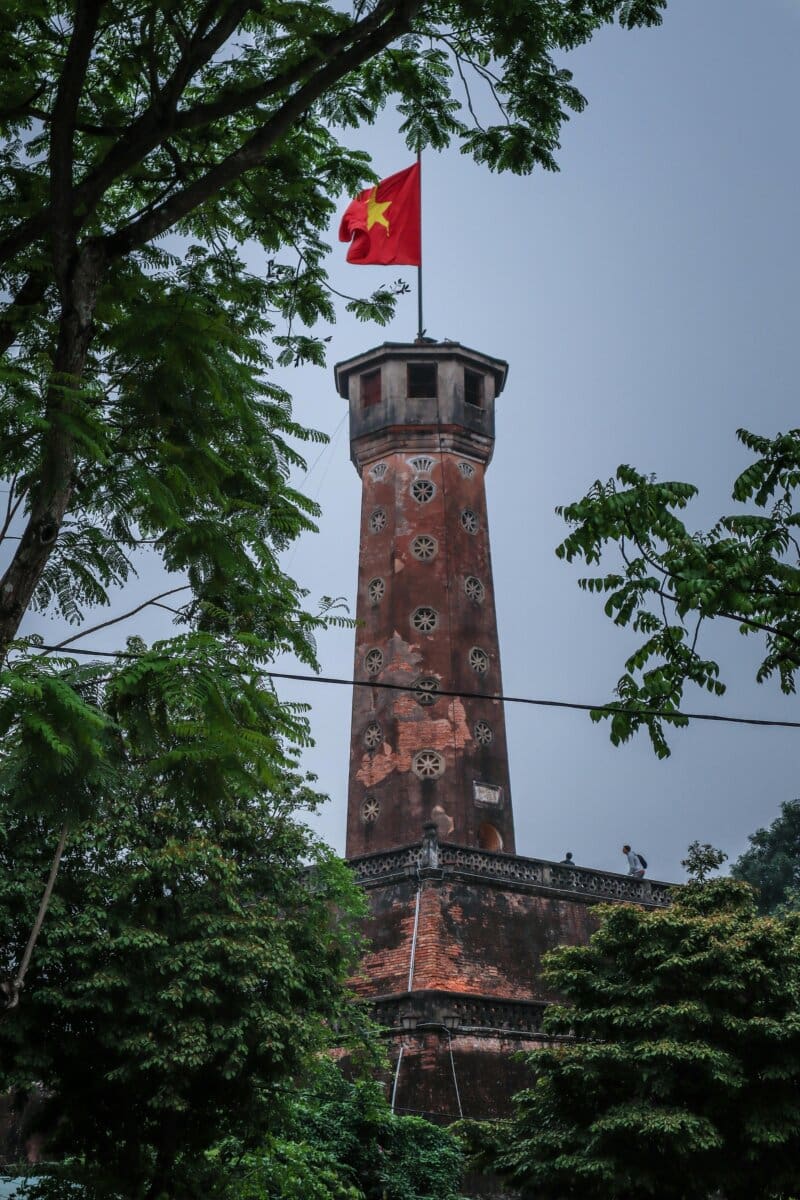
Filipinos planning a Southeast Asia trip now have a wallet-friendly option. Cebu Pacific is offering one-way base fares from Clark to Hanoi for as low as P1. The limited-time sale runs from January 28 to February 1 and covers travel from May to October 2026.
Photo from Pexels.com
Clark Becomes The Gateway to Asia
Photo from Pexels.com
The airline’s Clark hub is expanding its international network. Hanoi will join Bangkok, Hong Kong, Tokyo, and Singapore as direct destinations. Travelers from Central and Northern Luzon will benefit from shorter travel times and more convenient departures.
What The Fare Includes
Photo from Pexels.com
The PISO fare comes with a 7-kilogram hand-carry allowance. Extra charges apply for web admin fees, fuel surcharges, and the P550 international terminal fee. Careful planning ensures travelers can enjoy the low fare without surprises.
Starting May 2, Cebu Pacific will launch direct Clark–Hanoi flights, operating every Tuesday, Thursday, and Saturday, with return flights from Hanoi on Wednesdays, Fridays, and Sundays. The new route offers a convenient option for travelers from North and Central Luzon and Northern Metro Manila. Fares from Clark to Hanoi start at around ₱3,500 to ₱6,000.
Photo from Pexels.com
Clark’s Big Role in Cebu Pacific’s Growth
Photo from Pexels.com
By the end of March, all turboprop flights will shift to Clark, easing congestion at Manila. The airline aims to make the hub a launchpad for more international routes. Travelers can expect more opportunities to explore Asia at budget-friendly rates.
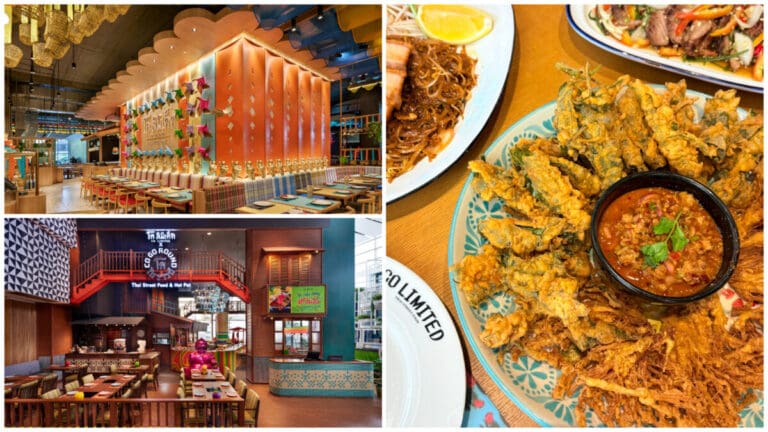
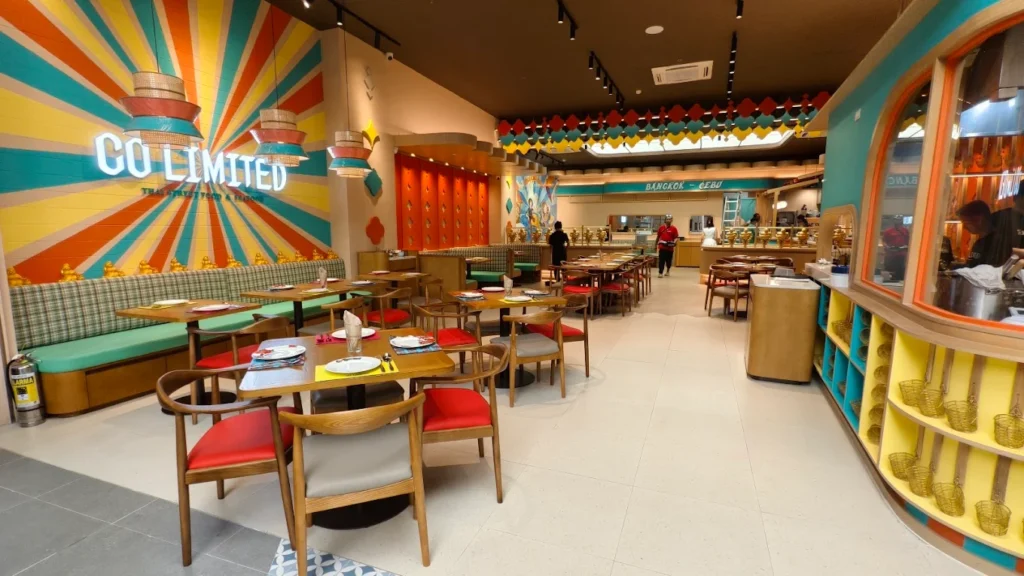
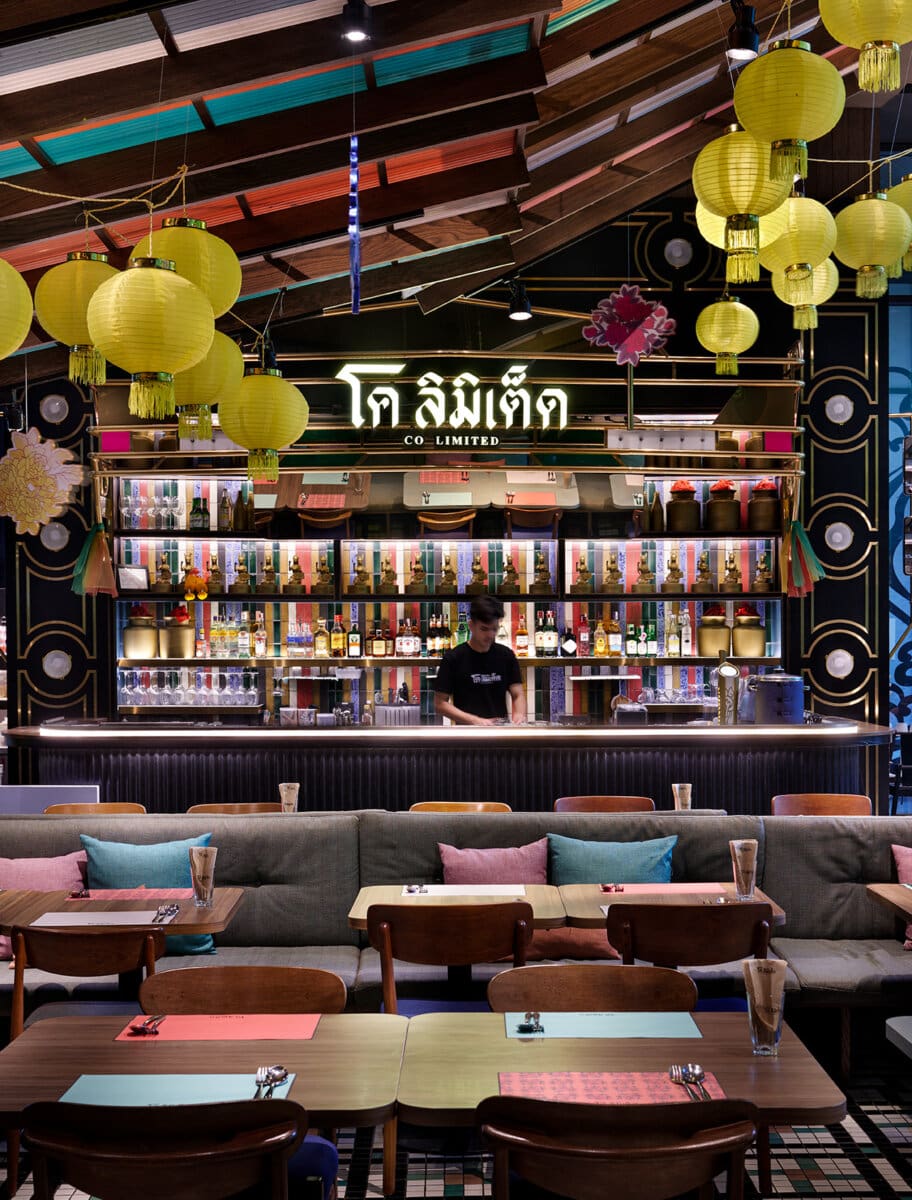
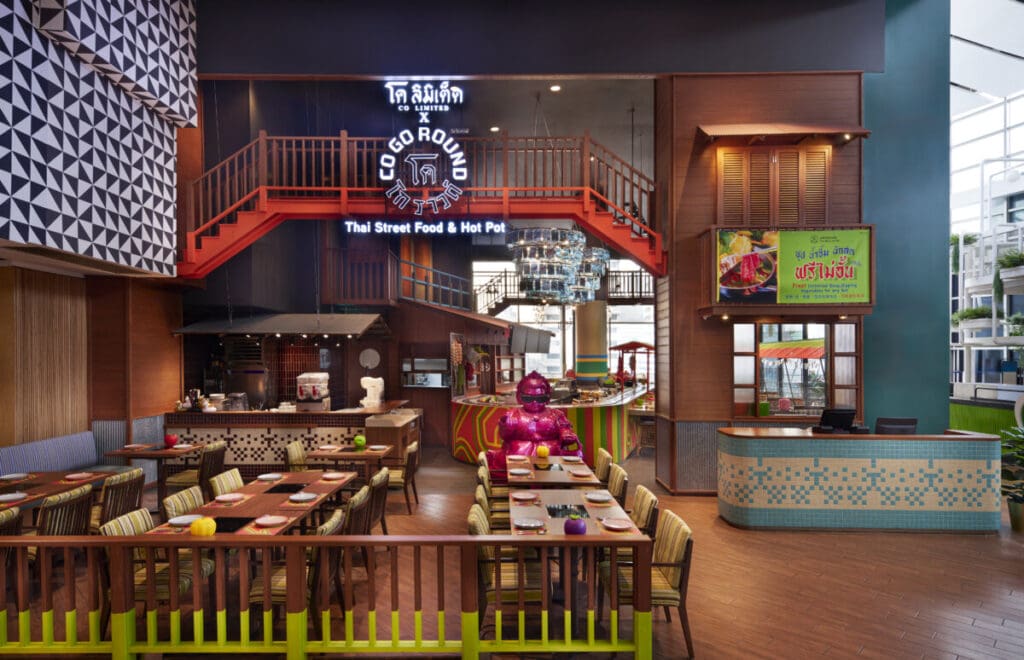
Some cravings don’t ask politely, they demand heat, aroma, and bold flavor. The kind that only Thai food can satisfy. And for Cebu diners who have been searching for something that tastes exactly right, a new name has quietly arrived. Co Limited, a Thai street food brand born in Bangkok, is now open in Cebu, bringing with it the unapologetic flavors and energy of Thailand’s food culture.
Not a Reinvention, the Real Thing
Photo from Co Limited – Vela Village, Langsuan Branch, Bangkok
At Co Limited, Thai food isn’t softened or adjusted. The flavors are meant to hit the way they do on the streets of Bangkok, vibrant, layered, and full of character. The restaurant uses sauces and ingredients chosen to match the same standards used in Thailand, ensuring that what lands on the table in Cebu mirrors what you’d taste abroad.
This isn’t about fusion. It’s about familiarity for those who know Thai food, and discovery for those about to fall in love with it.
A Place Meant for Sharing
Photo from Co Limited – Emsphere Mall, Bangkok
The name Co Limited reflects more than its beginnings as a beef-focused concept inspired by the Thai word for “cow.” Today, it speaks to connection. “Co” represents togetherness, shared meals, shared stories, and long conversations over good food.
The space is designed for exactly that: a place where groups linger, plates are passed around, and meals turn into moments.
A Menu That Travels Across Thailand
Photo from Co Limited – Central World 7fl Branch, Bangkok
Rather than focusing on one region, Co Limited’s menu moves across Thailand. Diners can taste influences from the North, Isan (Northeast), Central Thailand, and the South, all within a single meal.
Each dish reflects the region it comes from, from bright, herb-forward flavors to rich, deeply savory profiles, offering a full picture of Thai cuisine beyond the usual staples.
Dishes That Define the Experience
Photo from Co Limited
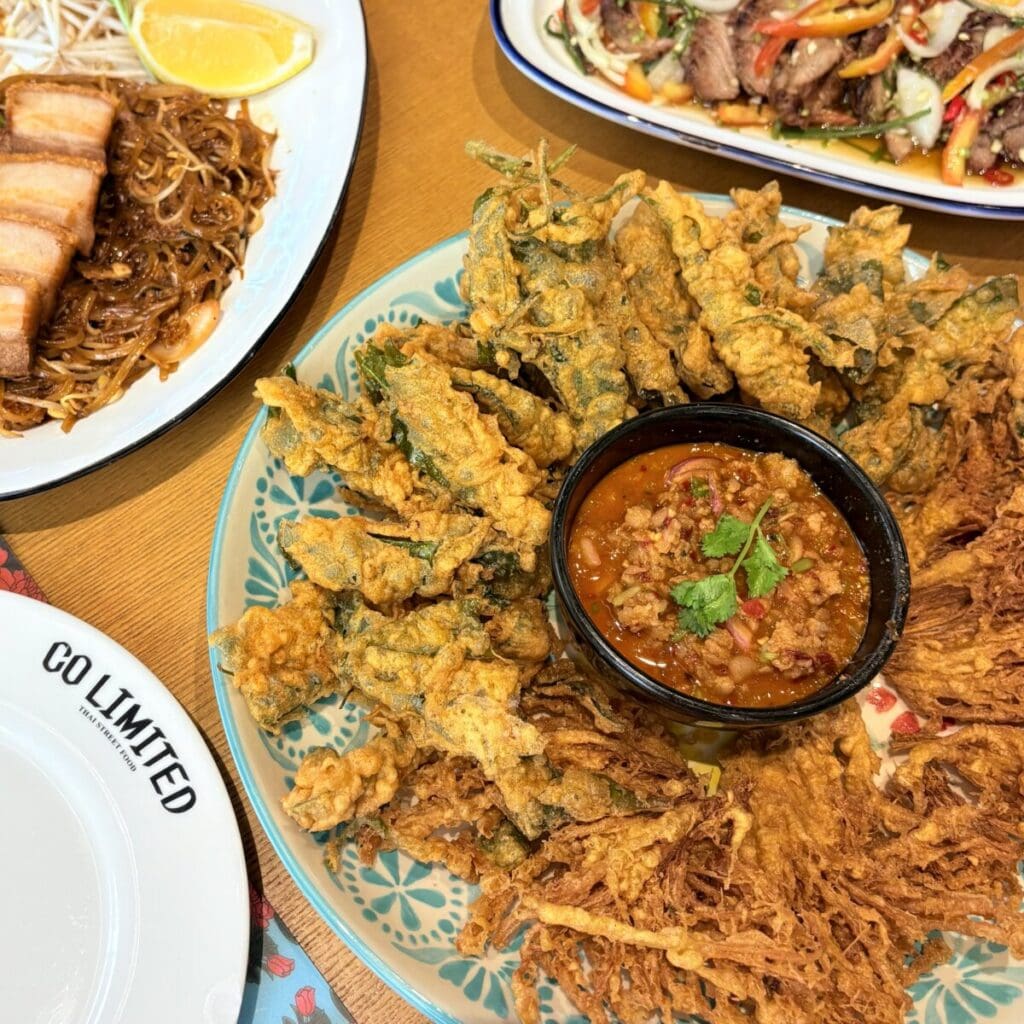
Some plates don’t just fill you up, they stay with you. At Co Limited, these dishes are the heart of the experience, each one rooted in Thai tradition but cooked with confidence and care.
Baked White Shrimp with Tiger Prawn (Signature Dish) – Glass noodles slow-cooked in a clay pot and soaked in a special sauce brought straight from Thailand. Fragrant with black pepper, layered with seafood richness, and finished with a spicy Thai seafood dipping sauce that ties everything together.
Photo from Co Limited
Grilled Ox Tongue with Pickled Egg Yolk & Jaew Sauce – Cooked low and slow overnight until melt-in-your-mouth tender. The cured egg yolk adds a deep, savory richness, while the Isan-style Jaew sauce delivers that unmistakable smoky, chili-forward kick.
Photo from Co Limited
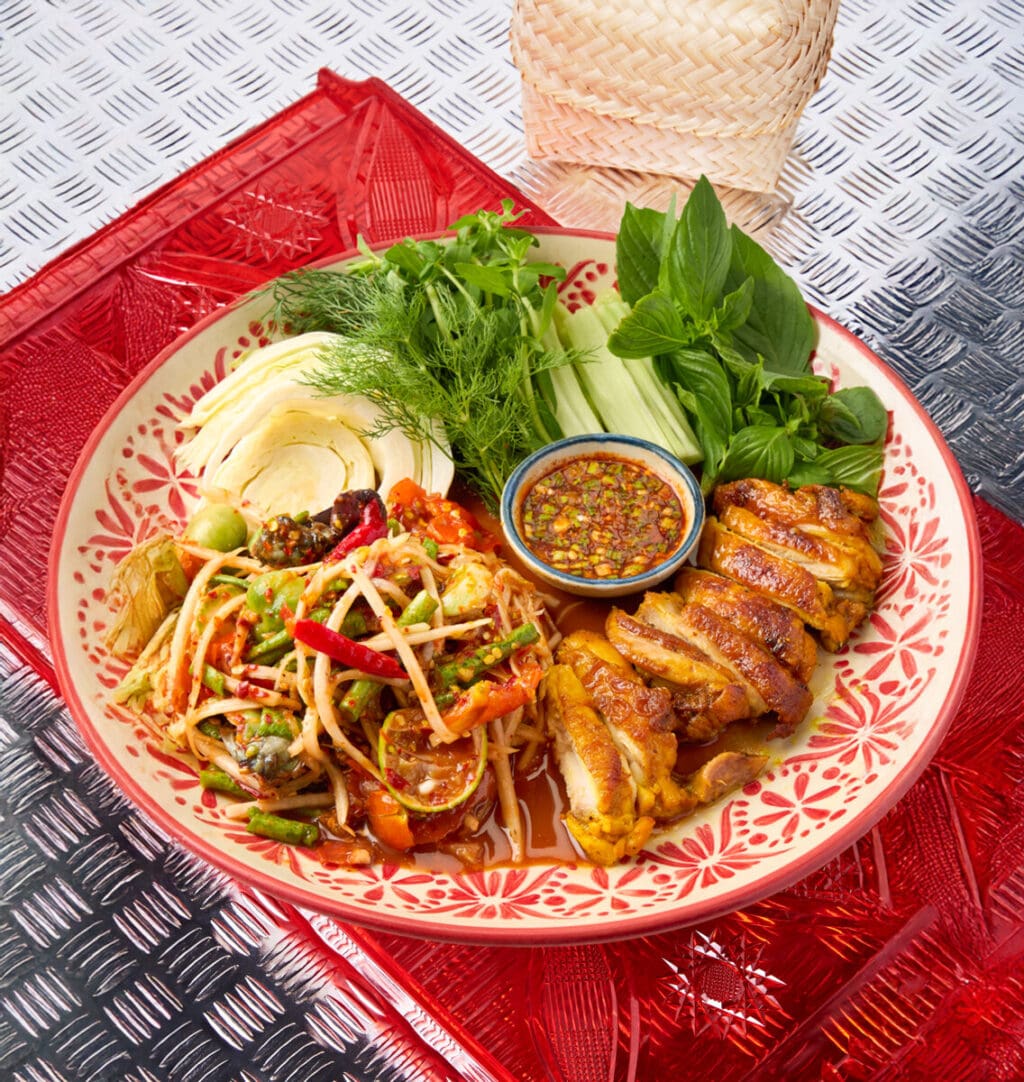
COLIMITED Som Tum Thai with Grilled Chicken – Juicy, marinated grilled chicken paired with classic green papaya salad. Refreshing, tangy, and perfectly balanced — served with fresh vegetables and authentic Thai sticky rice for a complete street-style meal.
Photo from Co Limited
Tom Yum Goong – A Thai staple done right. Made using only fresh Thai herbs, this soup is fragrant, rich, and layered with heat. Guests can adjust the spice level, making every bowl personal and just the way it should be.
Photo from Co Limited
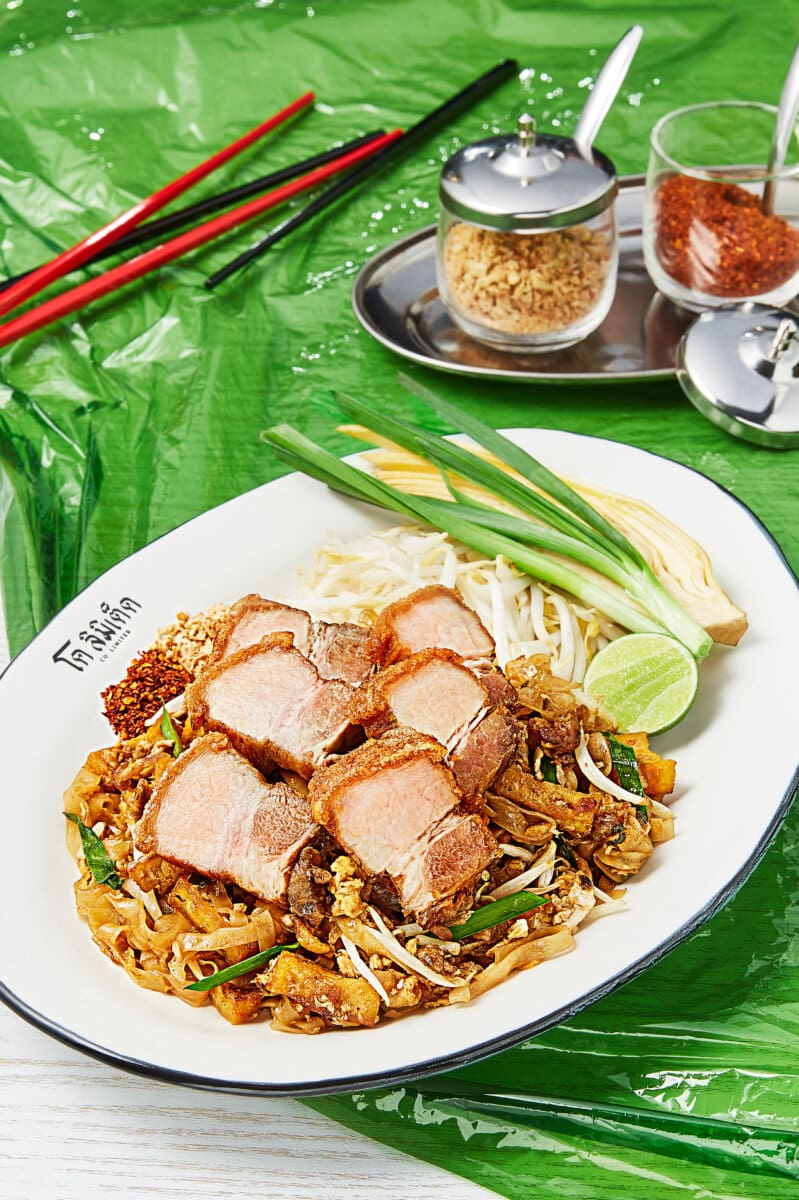
Pad Thai Crispy Pork – Sweet first, tangy second, never salty. This Pad Thai stays true to its roots, delivering the familiar flavors you’d expect from a Bangkok street stall, elevated with crispy pork for added texture and depth.
Photo from Co Limited
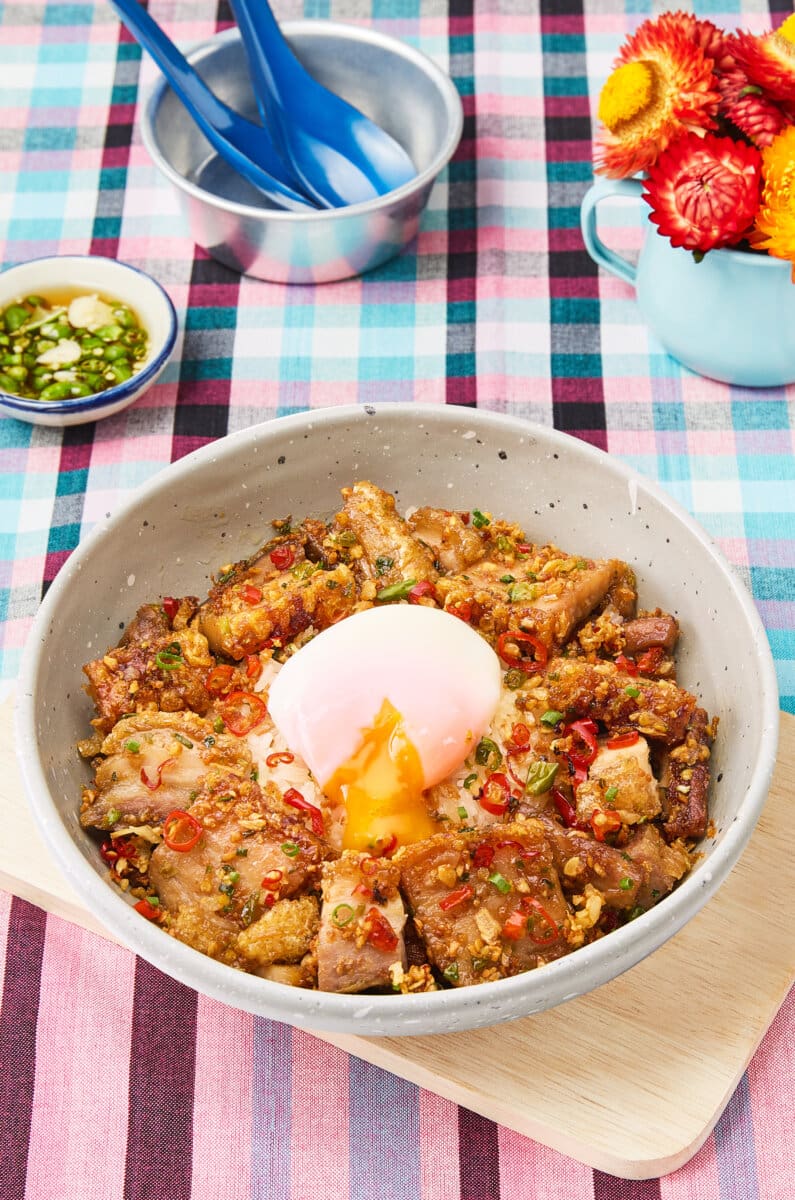
Chilli Salted Caramel Crispy Pork with Rice & Onsen Egg – Crispy pork stir-fried in chili and salted caramel, finished with golden garlic. Sweet, salty, and bold, balanced by warm rice and a silky onsen egg. Simple flavors, executed with serious technique.
Photo from Co Limited
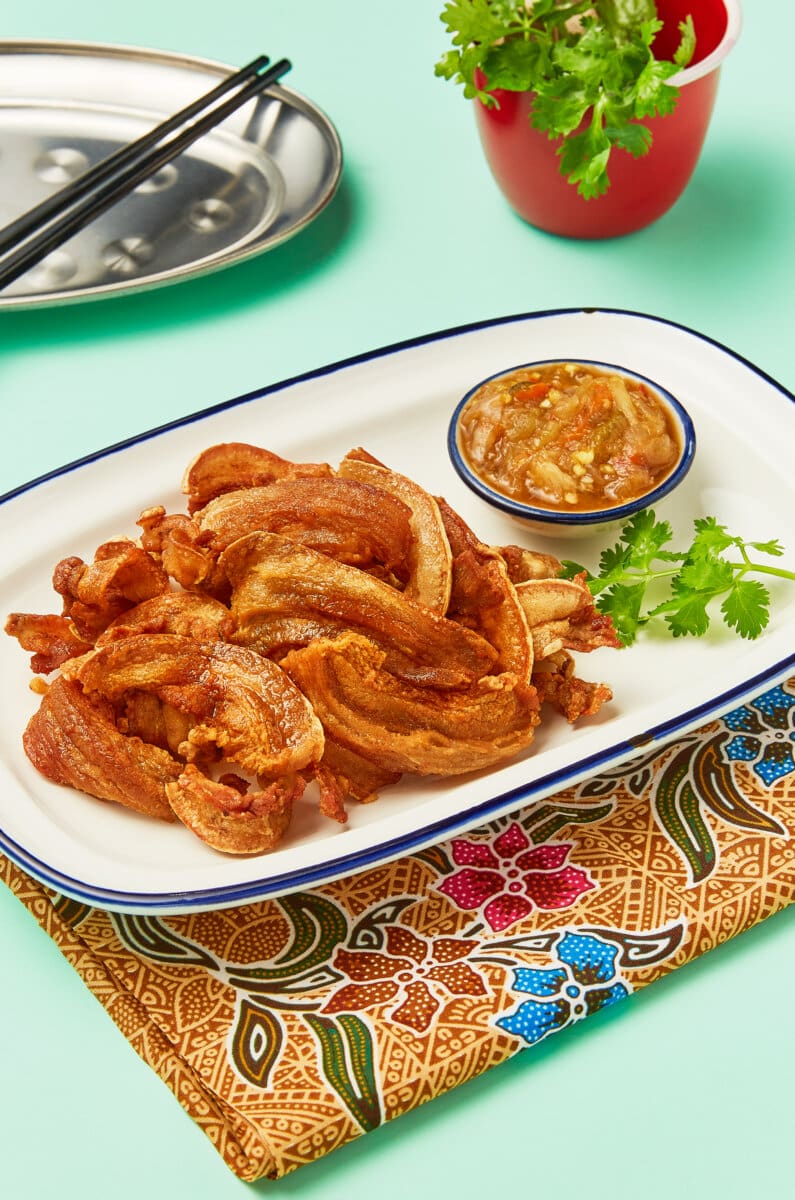
Crispy Pork Belly with Green Chili Dip – Crunchy, juicy pork belly paired with a refreshing green chili dip. Light acidity and gentle saltiness cut through the richness, making every bite dangerously addictive.
Photo from Co Limited
Sweets Worth Saving Room For
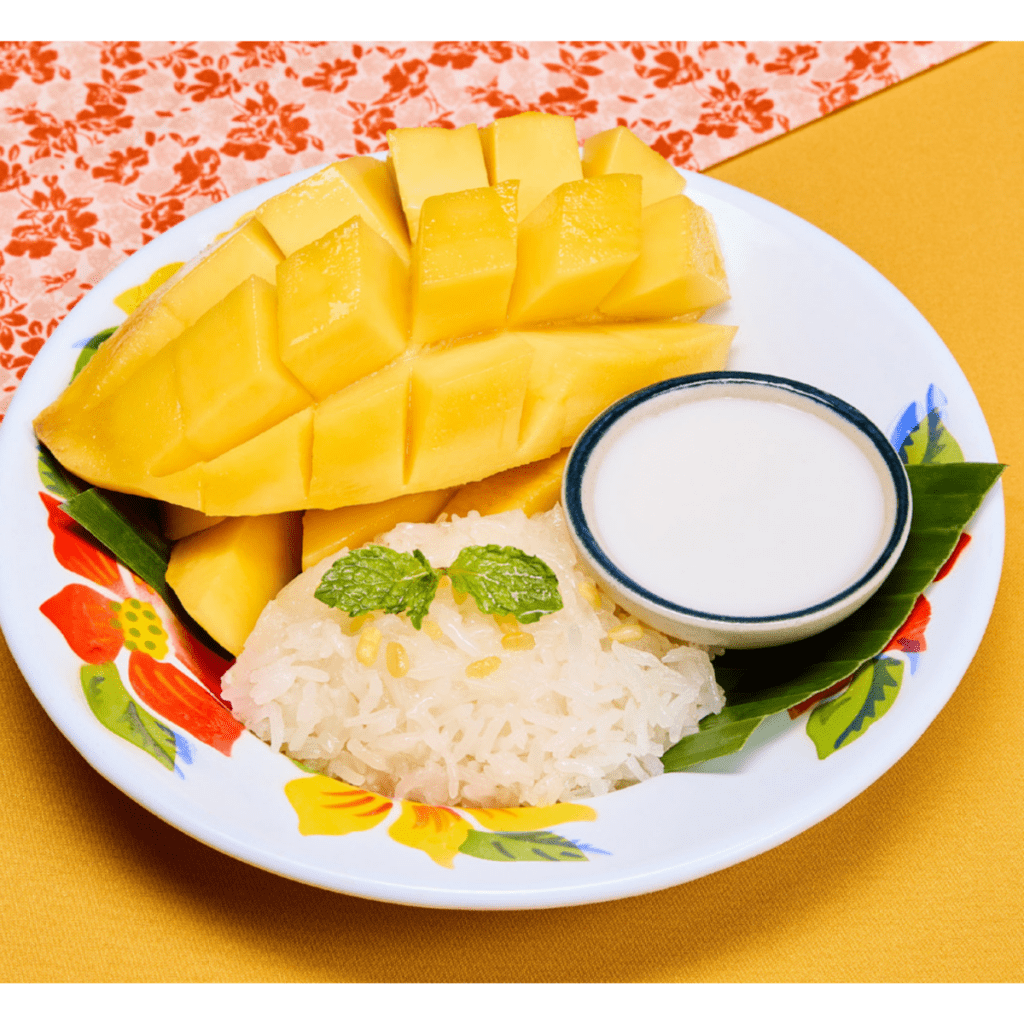
Mango Sticky Rice – Made with a well-known Thai long-grain sticky rice brand, cooked just right for a fluffy, non-soggy texture. Served with rich coconut sauce and fresh Cebu mangoes — classic, comforting, and authentic.
Photo from Co Limited
Thai-Style Milk Tea Shaved Ice – Finely shaved ice infused with premium Thai tea imported from Thailand. Creamy, fragrant, and topped with four indulgent add-ons that turn it into a full dessert experience.
Photo from Co Limited
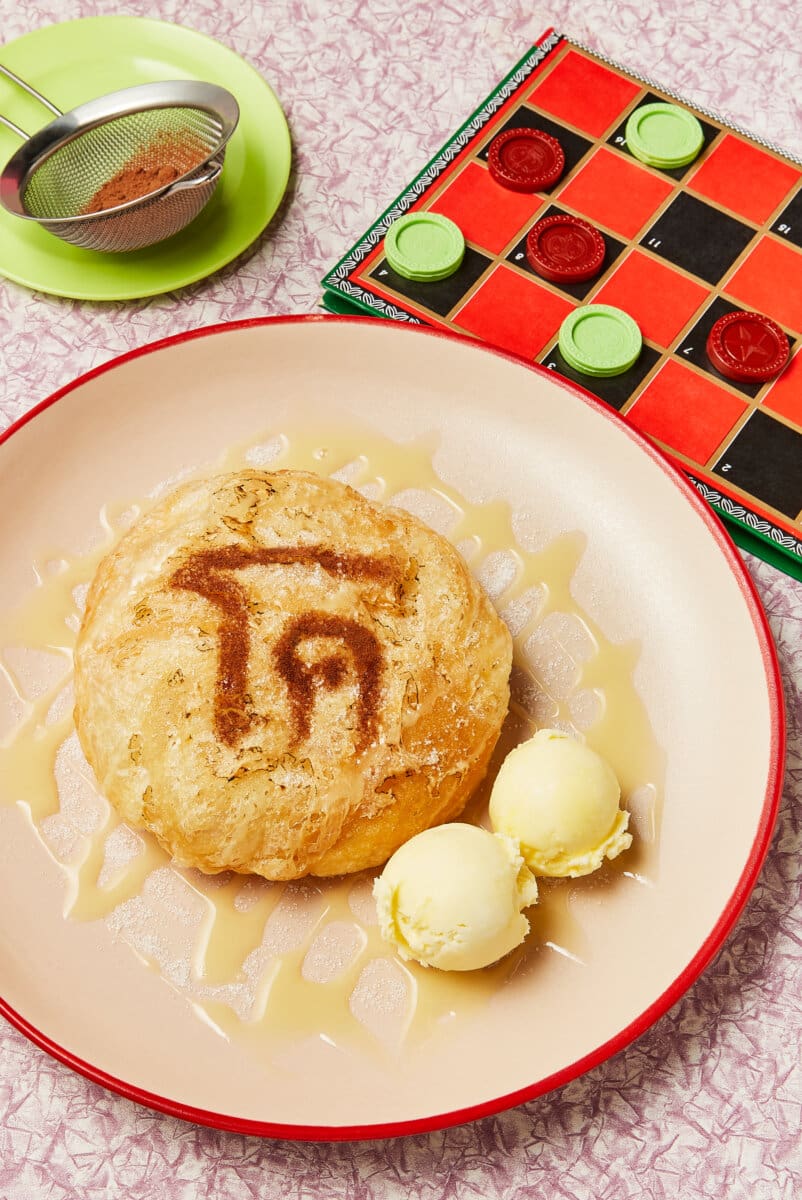
Crispy “CO LIMITED” Ball & Condensed Milk – Golden, crispy roti bites served with sweet condensed milk and a dusting of Milo powder. Nostalgic, playful, and quietly satisfying.
Photo from Co Limited
Every dish at Co Limited is bold without being overpowering, a reminder that great Thai food is all about balance, restraint, and letting real flavors speak for themselves.
Other Information:
Facebook & Instagram: @colimited.philippines
How To Get There?
Location: Upper Ground Level, Seaview Wing, SM Seaside City Cebu
By Car: Take South Road Properties (SRP) heading toward SM Seaside. Enter the mall and park near the Seaview Wing. Head up to the Upper Ground Level, Co Limited is a short walk from the entrance.
By Commute: Ride a MyBus or modern jeepney bound for SM Seaside City Cebu from IT Park, Ayala Center Cebu, or downtown routes. Alight at the SM Seaside terminal. Enter through the Seaview Wing and proceed to the Upper Ground Level.
For those who crave heat, balance, and authenticity, Co Limited delivers an experience that feels honest and satisfying. It’s Thai street food the way it’s meant to be enjoyed, shared, flavorful, and unforgettable.