

Did you know that you don’t necessarily need a Senior Citizen ID to enjoy senior discounts in the Philippines? That’s right! The law allows senior citizens to enjoy benefits even if they don’t have their official ID, as long as they can prove their age.
Valid IDs Are Enough
Photo from archive
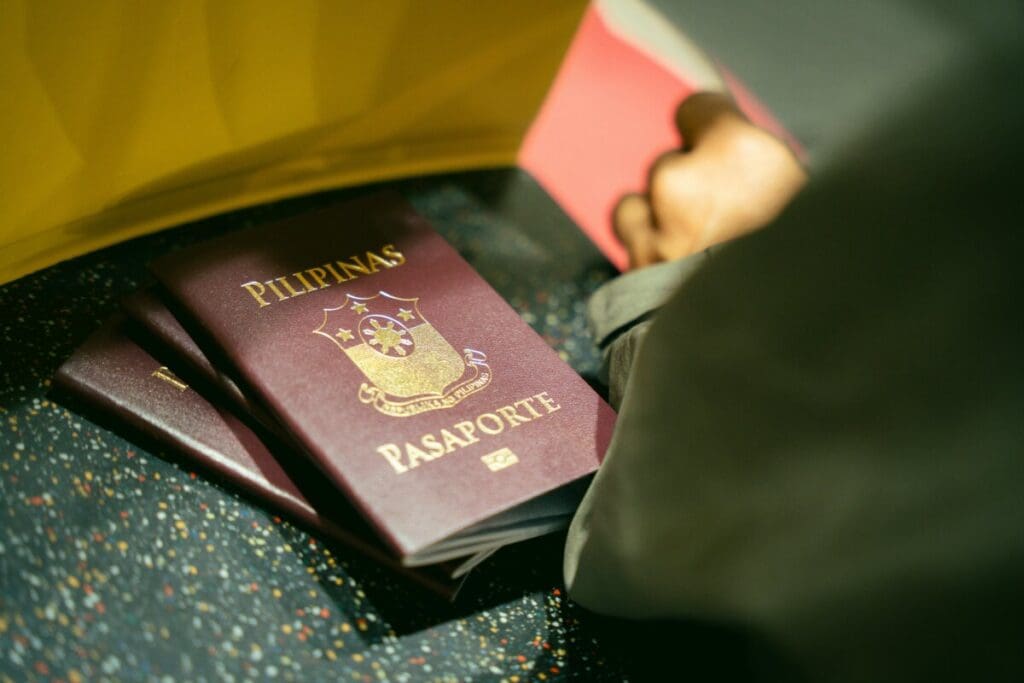
According to the Expanded Senior Citizens Act of 2010 (Republic Act No. 9994), a senior citizen can avail of discounts with any valid government-issued ID that shows their date of birth. This includes:

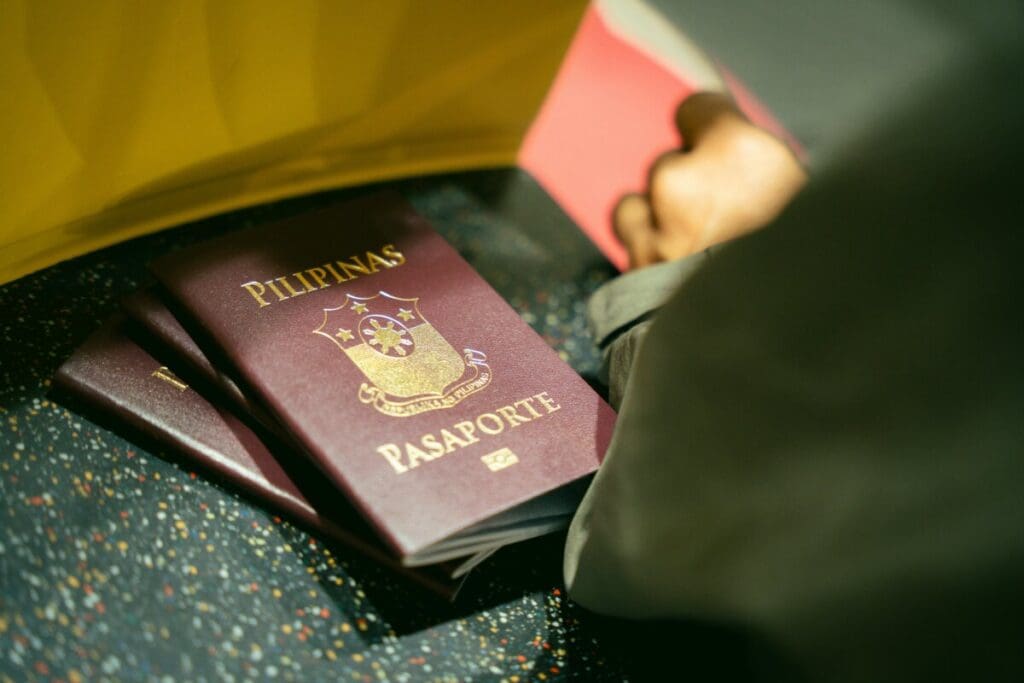
• Passport
• Driver’s license
• SSS, GSIS, or PhilHealth ID
• Voter’s ID
As long as the ID proves the holder is 60 years or older, establishments are legally obliged to grant the discount.
Businesses Must Comply
Photo from Pexels
Businesses that refuse to honor this law may face legal consequences. Senior citizens have the right to 20% off on basic goods and services, and establishments are reminded to respect these rights. Refusing a senior discount without proper reason could be considered a violation of the law.
Why This Matters
Photo from Pexels
Many seniors rely on these discounts to manage daily expenses, especially for essentials like medicine, food, and transportation. Knowing that a Senior Citizen ID is not the only acceptable proof can save time, reduce stress, and ensure seniors continue to access their rightful benefits.
Quick Tip
Photo from Pexels
If you’re a senior citizen without an ID, always carry a government-issued document with your birthdate. Show it at the counter, and you should get your discount without hassle.
When Typhoon Tino dumped days’ worth of rain across Cebu, the city once again faced familiar scenes, streets turning into rivers, cars stalled mid-road, and residents wading through murky floodwaters. But in the middle of it all, one place quietly held its ground: Cebu Business Park (CBP).
While nearby areas struggled with flash floods, CBP stayed surprisingly dry. It wasn’t luck, it was planning done right. The CBP Redevelopment Project, launched back in 2022, has been upgrading the business district’s drainage and infrastructure to make it stronger and more climate-ready. And this week, we saw exactly why that investment matters.
Not Just Another Construction Project
Photo from Cebu Business Park
CBP’s ongoing redevelopment isn’t your usual “cosmetic upgrade.” It’s a multi-phased mission to modernize everything from underground drainage pipes to catch basins and stormwater outflows. The goal? To build a community that can handle growth and storms, literally.
While many areas of Cebu were dealing with ankle-deep floods after Typhoon Tino, CBP’s newly upgraded system kept the business district’s roads clear and functional. Residents and office workers barely noticed what could’ve been another major flood event.
The Difference Between Reaction and Preparation
Photo from Josh F. Almonte
Here’s the thing, Cebu isn’t new to flood control projects. Billions have been poured into drainage systems across the city. Yet every major storm seems to prove that something’s still not right. Pipes clog, projects stall, and floodwaters rise.
CBP shows what can happen when planning isn’t just on paper. Its management didn’t wait for another disaster to happen. They studied drainage maps, upgraded weak spots, and coordinated with the community. That’s proactive urban management, not just a post-typhoon cleanup.
What the Rest of Cebu Can Learn
Photo from Cebu Business Park
CBP’s progress is a wake-up call. If one community can future-proof itself, so can others. The formula isn’t complicated, consistent upgrades, transparent communication, and long-term vision. Instead of quick fixes, it’s about investing in systems that actually work when the skies open up.
With climate change bringing stronger and more frequent typhoons, Cebu needs more than drainage promises. It needs working models, and CBP is showing us one right now.
Building the Cebu We Deserve
Photo from Cebu Business Park
CBP isn’t perfect, construction is still ongoing, and yes, there are moments of inconvenience. But when Typhoon Tino came, the results spoke for themselves. The area stayed safe, dry, and operational, proving that resilience starts from preparation, not panic.
If Cebu wants to stop flooding every year, maybe it’s time we stop looking elsewhere for solutions and start learning from within. Because sometimes, the best example of progress is already right in our backyard.
High in the misty mountains of Barangay Cantabaco, Toledo City, lies a quiet village that has become a haven for climbers. The road leading up is steep and rough, flanked by bamboo houses perched on the slopes and forests that seem to drop away into mist.
Life here is simple, locals grow vegetables, raise chickens and cows, and live far from the bustle of city life. Yet this peaceful hillside community hides one of the most exciting climbing destinations in the Philippines. The warmth of the villagers and the serene landscape make the journey as memorable as the climb itself.
The Local Spirit and Climbing Potential
Photo grab from Google Maps
What makes Cantabaco truly special is the relationship between climbers and the local community. Filipino climbers who first bolted routes here made sure to involve and befriend the villagers, showing them the value of the climbing scene. In turn, the locals have embraced the sport, helping maintain access and welcoming climbers from around the world. Though development is slow, new routes continue to appear, and the area remains one of the best climbing spots in Southeast Asia.
Why It’s Worth the Trip
Photo grab from Google Maps
Cantabaco is more than just a climbing destination, it’s a glimpse into Cebu’s mountain life, where simplicity meets adventure. The routes are world-class, the setting is breathtaking, and the people are genuinely kind. Whether you come for the challenge of the limestone or the quiet beauty of the countryside, Cantabaco offers both. For any climber exploring the Philippines, this small but extraordinary village deserves a firm place on your map.
Photo grab from Google Maps
How To Get There?
Location: Barangay Cantabaco, Toledo City
By Car: From Cebu City, drive west toward Toledo City for about an hour and a half. After reaching the main highway near Lutopan, take the steep, winding dirt road that leads up to Barangay Cantabaco. The road can be narrow with sharp turns and sheer drops on the side, so it’s best to use a sturdy vehicle or 4×4. The drive may be nerve-wracking at times, but the view of forested valleys and small farms along the way makes it worth it.
By Commute: For those traveling by public transport, head to Cebu City’s South Bus Terminal or V-hire terminal and take a bus or van bound for Toledo or Lutopan. Ask to be dropped off at Silangan Chapel or near Springpark Resort in Cantabaco. From there, hire a habal-habal (motorbike taxi) for a ten-minute ride to the village proper. Once you arrive, it’s only a short five-minute walk to the cliff, cross a small creek, pay the ten-peso climber fee at the building with the billiards table, then follow the trail behind it until you reach the base of the limestone wall.
Cebu is no stranger to culinary creativity, but when it comes to sisig, the city has taken the sizzling Pampanga original and turned it into something truly its own. From all-day-everyday diners to hidden foodie gems tucked inside city corners, these spots are serving up the crunch, the spice, and the unmistakable umami that make sisig the dish Filipinos can’t resist. Here are three must-try places for your next Cebu food crawl.
1. Sisig Haven
Photo from Sisig Haven Facebook Page
Located along L. Jayme Street in Mandaue City, Sisig Haven has earned a cult following for its inventive takes on the classic. Regulars swear by their Sisig Teriyaki, a sweet-savory twist that hits all the right notes, while the Sisigwarma, a shawarma-style wrap filled with meaty goodness, is a crowd favorite for those on the go. If you’re with friends, the Sisig Platter is perfect for sharing over cold drinks.
How To Get There?
Location: L. Jayme Street, Mandaue City, Cebu, Philippines
By Car: Take the Cebu-Mandaue route via A.S. Fortune Road and turn right into L. Jayme Street; parking is available along nearby side roads.
By Commute: If you’re commuting, hop on a jeepney bound for Mandaue proper (Tabok, Paknaan, or Looc routes) and ask the driver to drop you at L. Jayme. From there, it’s just a short walk to this sizzling spot.
2. Chef G House of Sisig 24/7
Photo from Mark Rosal
Open round the clock on Lorega Street, Cebu City, Chef G House of Sisig 24/7 is a haven for midnight eaters and early risers alike. This all-day sisig sanctuary doesn’t stop at the usual pork plate, try their Sisig Shang Rice, a flavorful fusion of sisig and fried rice, or go big with their Sizzling Overload. Whether you’re coming from a night out or a long day at work, this spot promises the comfort of crispy, sizzling perfection at any hour.
How to get there?
Location: Lorega Street, Cebu City, Philippines
By car: Head towards Gorordo Avenue and turn onto Lorega Street, a few minutes away from Ayala Center Cebu or IT Park.
By Commute: Jeepneys passing through Gorordo or the Capitol area can drop you near Lorega; a quick walk takes you right to the restaurant’s doorstep.
3. Sisig 101 Pardo
Photo from Sisig 101 Facebook Page
If you’re craving the OG sisig experience with a few tasty twists, Sisig 101 along E. Sabellano Street, Pardo, Cebu City delivers the goods. Their Classic Pork Sisig is crispy, savory, and perfectly seasoned, while the Chicken Sisig and Sisig Shawarma Wrap keep things exciting. It’s a neighborhood favorite for locals who know exactly where to go for that late-night craving, rain or shine.
How To Get There?
Location: E. Sabellano Street, Pardo, Cebu City, Philippines
By car: Drive down to the southern part of Cebu via N. Bacalso Avenue, then turn into E. Sabellano Street. Limited roadside parking is available nearby.
By Commute: Ride any jeepney headed to Pardo or Lusimba, ask to be dropped near Pardo Parish Church, and walk to the restaurant.
Whether you’re a devoted sisig lover or just discovering its smoky, crispy allure, Cebu has a plate (or sizzling platter) waiting for you. From the inventive to the timeless, these three spots capture the soul of Filipino street-side dining, served with heat, heart, and a side of rice.
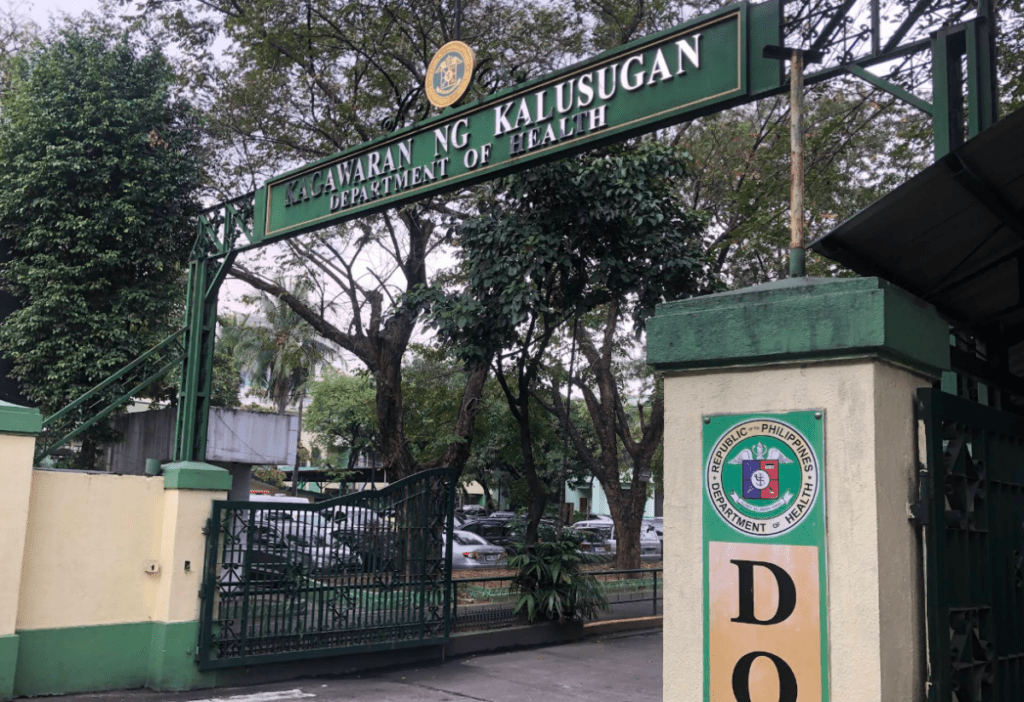
Chronic Kidney Disease (CKD) is becoming an alarming health issue among Filipino children. Reports from the Department of Health (DOH) show a rise in pediatric cases.
The growing number of young patients reflects a broader problem linked to changing lifestyles, poor nutrition, and limited awareness about kidney health.
Government Response and Action
Photo from Unsplash
The recent visit of President Ferdinand Marcos Jr. to a young dialysis patient at the National Kidney and Transplant Institute (NKTI) in Quezon City highlighted the urgent need for stronger preventive measures. The government has since directed the DOH to intensify efforts against CKD through early detection, public awareness, and improved access to healthcare services for children at risk.
The Main Causes of CKD
Photo from Unsplash
Health experts point to diabetes and hypertension as the leading causes of kidney failure in the country. These conditions, once rare among children, are now appearing earlier due to unhealthy eating habits and lack of physical activity. Preventing these illnesses early on is crucial to reducing future CKD cases and ensuring better long-term kidney health.
What Happens in Chronic Kidney Disease
Photo from Unsplash
Chronic Kidney Disease occurs when the kidneys gradually lose their ability to filter waste and excess fluids from the blood. In its early stages, CKD often has no symptoms, allowing it to progress silently. As the disease worsens, harmful substances build up in the body, leading to fatigue, swelling, and other complications. Without treatment, CKD can progress to kidney failure, requiring lifelong dialysis or a kidney transplant.
How CKD Is Diagnosed
Photo from Unsplash
Early detection can make a significant difference in managing CKD. Simple medical tests are used to identify the condition, including urine tests to detect protein or blood, blood tests to measure creatinine and estimate the glomerular filtration rate (eGFR), and ultrasound scans to check for structural problems in the kidneys. Regular screening is especially important for children with a family history of kidney disease or congenital kidney issues.
Cebu Fifth District Representative Duke Frasco called out Governor Pamela Baricuatro to “stop politicking and start governing” after flood-hit Liloan reportedly received no aid or heavy equipment from the Cebu Provincial Government.
Backlash Amid the Flood
Photo from Cong. Duke Frasco Facebook Page
Frasco’s statement came after he faced public criticism for being in London during Typhoon Tino, when parts of Cebu were submerged. The backlash grew stronger when relief goods with his face printed on them circulated in Liloan, sparking accusations of “epal” politics even during a crisis.
Duty Beyond Politics
Photo from Cong. Duke Frasco Facebook Page
Under the Local Government Code of 1991, all public officials are legally bound to deliver aid and ensure safety regardless of political differences. Failure to do so can amount to dereliction of duty, reminding leaders that disaster response is a duty, not a favor.
The Anti-Epal Reminder
Photo grab from Senate of the Philippines Website
The issue also highlights Senate Bill No. 1535 or the Anti-Epal Bill, filed by Senator Manny Pacquiao, which seeks to ban politicians from placing their names or faces on government-funded projects or relief goods. The message is simple, help should be for the people, not for publicity.
Real Service, Not Self-Promotion
Photo from Cong. Duke Frasco Facebook Page
As Cebu struggles to recover from floods and earthquakes, the people deserve unity, not rivalry. True leadership isn’t measured by who’s louder online or whose face is on the tarp, it’s shown by who shows up and helps without expecting credit.
Disclaimer: The views and opinions expressed by the writer in this article are solely their own and do not necessarily reflect the official policy, position, or beliefs of Sugbo.ph, its management, or its affiliates.
Online play is a very popular activity in the Philippines. During the COVID-19 pandemic, people had to find alternative recreational activities that didn’t require stepping out of their houses and many turned to a variety of online games at the time. Online casinos, fantasy sports, video games and sports betting became centers of attraction for fun seekers in the Philippines.
However, as the number of online players grew, so did the risk involve. Cybercriminals saw this growth as an opportunity to milk unsuspecting fun seekers of their resources. In this article, we discuss how to enjoy secure online play in the Philippines and popular tactics used by cyber attackers.
How is the online gaming scene in the Philippines?
Photo from Unsplash
The Philippines has one of the largest online gaming populations in Southeast Asia. The online gaming options cut across a variety of choices. The entire gaming industry in the Philippines is regulated by the Philippine Amusement and Gaming Corporation (PAGCOR). The corporation licenses locally operated online gaming platforms, ensuring that the gameplay is fair and that players’ money and personal details are protected.
However, some foreign platforms have targeted the Philippine market and are not regulated by the PAGCOR. While many of these offshore platforms are legitimate, others are not, which places players at risk. This is why security should be a primary concern for players whether they are using a local or offshore platform.
What should players look for to ensure secure gameplay?
1. Verify the platform is licensed and regulated
Don’t sign up or deposit any money if you have not verified the legitimacy of the platform. If the platform is locally owned, you can check through the homepage for a PAGCOR sign, which signifies that they are under the oversight of PAGCOR. Alternatively, you can verify their license through the PAGCOR guarantee site, where the regulatory body lists gaming institutions under their oversight.
There are also legitimate online casinos in the Philippines that are regulated by foreign trustworthy bodies, such as the Malta Gaming Authority or the United Kingdom Gambling Commission, among others. Askgamblers.com provides a list of some of the best ones. The licensing authority is usually found at the bottom of the homepage.
It is cause for concern when there is no licensing information on the platform, the bonuses are outrageously high, or the terms and conditions are poorly written. A regulated platform is obligated to offer fair games, fund protection and reliable dispute handling.
2. Choose secure payment options
A study showed that Filipinos lost over $8bn in the 12 months between 2023 and 2024 due to insecure payment transactions. This is why it’s important to exercise due diligence to ascertain the credibility of a payment option before using it. A secure payment option is usually encrypted and has positive user reviews. The most popular secure payment options for online players in the Philippines are:
As a rule of thumb, do not enter your payment details if a padlock sign doesn’t appear on the website bar. The padlock sign indicates that the page uses SSL encryption, a protective feature.
3. Get clues from real reviews of other users
Reviews can save you from a ton of regrets. While gaming platforms may have reviews on their sites, it is safer to use third-party platforms. Usually, social media forums are the best place to get honest feedback. Feedback could range from the stability of the platform to the promptness of payouts and how responsive their customer service is. You might also want to pay special attention to reviews that sound too promotional. If you feel something is odd, then it probably is.
4. Test their customer service responsiveness
Usually, a platform that takes player security seriously is prompt in resolving inquiries and complaints from players. You can send a query to test their response. A credible platform should be available around the clock with multiple channels, such as phone, live chat and email.
5. Use personal security practices
Despite using the services of secure gaming platforms, it is key that players take their personal security into their own hands. Whether it’s on a mobile device or a computer, there are antivirus and firewall programs that can protect your device during online gameplay. Also, to protect yourself from unauthorized logins, two-factor authentication can be of help.
Common security issues that online gamers in the Philippines face
Photo from Unsplash
1. Phishing scams and fake websites
Cybercriminals often trick unsuspecting players into submitting their personal login and financial details by mimicking authentic platforms and websites. Once these details fall into the wrong hands, they can be used to commit identity theft and fraud.
2. Malware and spyware attacks
There are some pirated gaming platforms that are infected with spyware and malware that can steal the details of players.
3. Weak data protection
Player details are one important point of discussion in the gaming industry. Some platforms store player details with weak encryption. This makes details like payment and login information susceptible to cyber theft.
4. Unlicensed and rigged platforms
Offshore platforms often have the subtle privilege of bypassing the regulatory oversight of PAGCOR. Some of these platforms lack clear ownership or licensing information. In rare cases, they may manipulate results or use complex cash-out policies to deny players their winnings.
Your security starts with smart choices
Photo from Unsplash
No one should need to worry about their security while using an online gaming platform. Interestingly, not every online gaming platform offers tight security, even in the Philippines. To find the most secure sites, verify the platform is regulated and licensed, choose secure payment options, read real reviews from other users and test their responsiveness to customer questions. customer questions.
Senator Bam Aquino has called on President Ferdinand Marcos Jr. to certify as urgent the Classroom-Building Acceleration Program (CAP) Act, a proposed measure that would allow local government units (LGUs) to help address the country’s severe classroom shortage.
Photo from Sen. Bam Aquino
DPWH lags behind classroom targets
Photo from Sen. Bam Aquino
Aquino made the appeal after Public Works Secretary Vince Dizon reported that the Department of Public Works and Highways (DPWH) had completed only 22 classrooms this year, far short of its 1,700-target, despite a national backlog of around 146,000 classrooms.
Bill seeks to decentralize classroom construction
Photo from Sen. Bam Aquino
Authored by Aquino, Senate Bill No. 121, or the CAP Act, seeks to decentralize classroom construction by empowering LGUs and qualified non-government organizations (NGOs) to build classrooms that meet the Department of Education (DepEd) standards.
Support for local initiatives
Photo from Sen. Bam Aquino
The senator emphasized that the measure complements the administration’s directive to channel education funds directly to LGUs, allowing them to fast-track the building of school facilities in their areas. Aquino stressed that the DPWH cannot solve the problem alone and that local governments should be given the capacity to act.
Cebu has recorded its youngest HIV case, a 15-year-old who reportedly contracted the virus through sexual transmission.
The case was confirmed by Dr. Kathleen Joyce Del Carmen of the Vicente Sotto Memorial Medical Center’s Kaambag Clinic during an episode of Vital Signs aired on October 16, 2025.
Photo from Pexels
Rising Youth Infections
Photo from Pexels
Dr. Del Carmen raised alarm over the growing number of HIV cases among Filipino youth, noting that infections in the 15–24 age group have increased by more than 300 percent in recent years. Central Visayas, which includes Cebu, has reported over 11,347 HIV cases as of June 2025, making it one of the top five regions in the country with the highest infections.
Education and Awareness Needed
Photo from Pexels
While most childhood HIV cases come from mother-to-child transmission, this new case highlights early sexual activity and a lack of awareness on safe practices. Experts are urging schools, parents, and communities to strengthen sex education and HIV awareness programs to help young people understand prevention and testing.
Breaking the Stigma
Photo from Unsplash
Health professionals emphasize that HIV is manageable with proper treatment, but stigma remains a major barrier. Dr. Del Carmen reminds the public that stigma kills faster than the virus. Encouraging open conversations, early testing, and compassion can help prevent more infections and protect the next generation.
It was a humid Tuesday night, the kind that made the concrete of the basketball court glisten with sweat and anticipation. The court lights flickered weakly, their hum mixing with the chatter of the crowd. It was a game, the kind of night everyone in town looked forward to. Families brought food, kids ran around barefoot, and men crowded near the boundary lines, cheering as if the players were gods.
The whistle blew. The game began.
Photo from Pexels
For almost an hour, the crowd was alive, voices shouting, shoes squeaking, the ball thudding rhythmically against the ground. Then, as the timer hit its final minutes and the score changed, the earth groaned.
At first, no one understood what was happening. The backboard rattled. The ground trembled. Then came the roar, deep, monstrous, and endless.
Photo from Pexels
The court cracked. Concrete rained down from the surrounding walls. The cheers turned into screams. The referee’s whistle echoed one last time before it was drowned by the sound of falling debris.
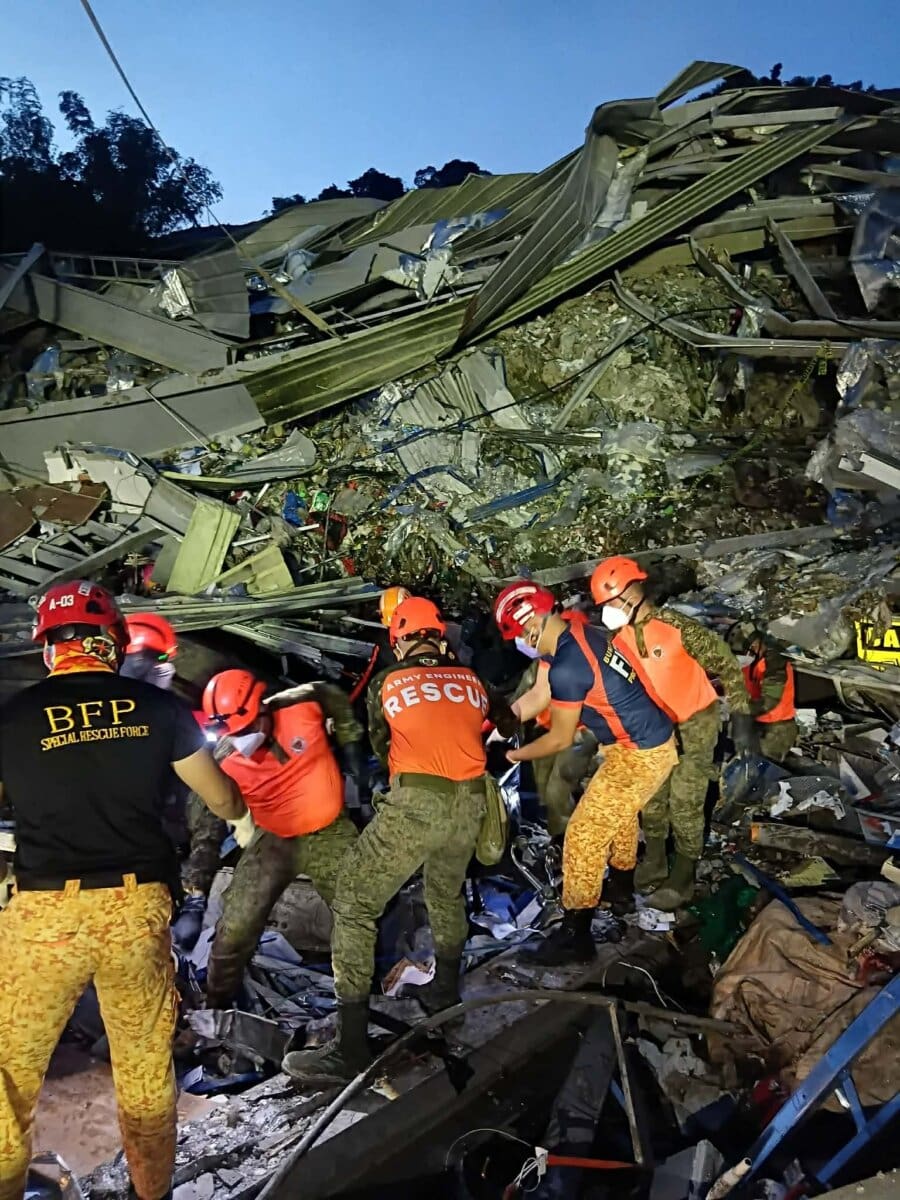
When the earthquake finally stopped, silence took over, a silence so heavy it seemed to press against the air. Rescue teams came hours later, but for many, it was too late. Dozens were buried where they had stood, where they had cheered, where they had played.
The basketball court was sealed off days later. Cracks ran like veins across the floor, the metal hoops twisted and broken. The smell of dust and death lingered long after the bodies were taken away. The authorities built a fence around it, declaring it unsafe, “off-limits.”
Photo from Pexels
But even from a distance, people said the court wasn’t empty.
Some nights, when the wind was still and the moon hung low, residents nearby would hear it, a faint bounce… bounce… bounce. Like someone dribbling slowly, deliberately. Sometimes a whistle was heard — short, sharp, commanding.
People passing by said they heard the crowd cheering faintly, a haunting echo from beneath the rubble.