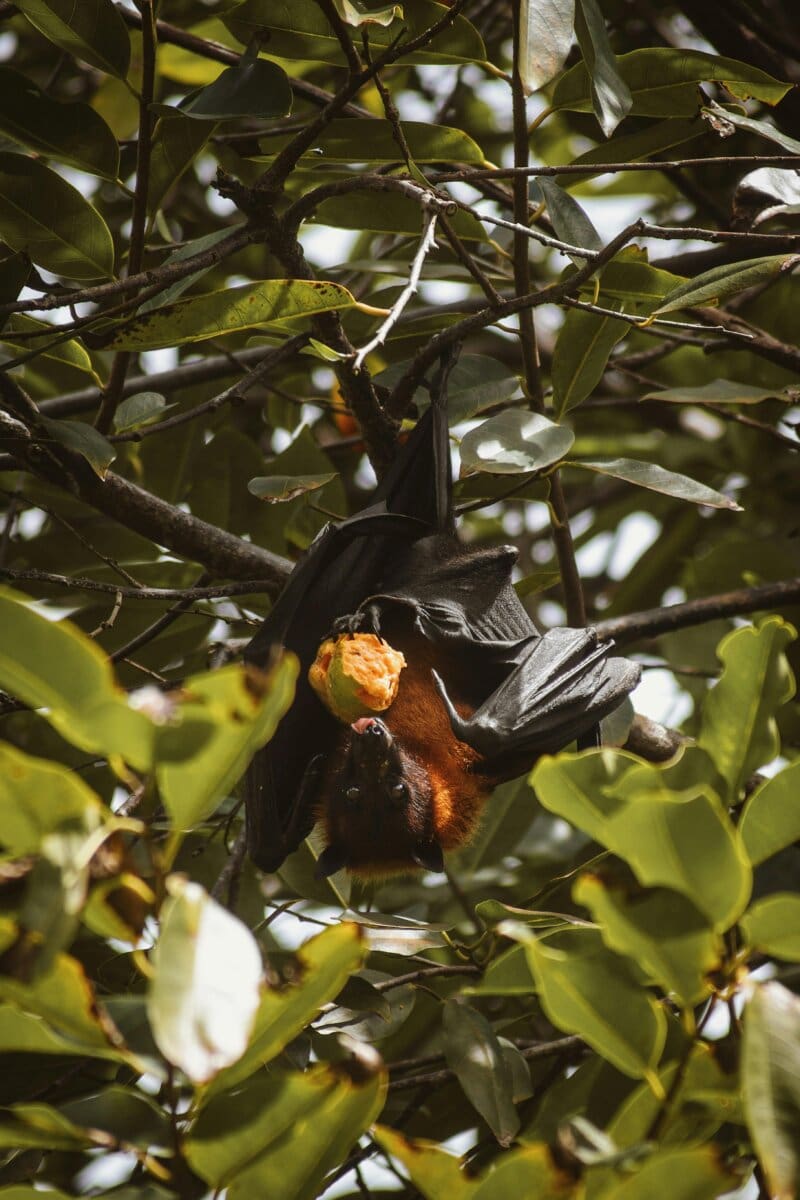
Nipah virus is a rare but deadly infection that has caused outbreaks in parts of South and Southeast Asia. Fruit bats are the natural carriers, but the virus can jump to humans through animals or contaminated food. Understanding the risks is essential for travelers and local communities alike.
How the Virus Spreads
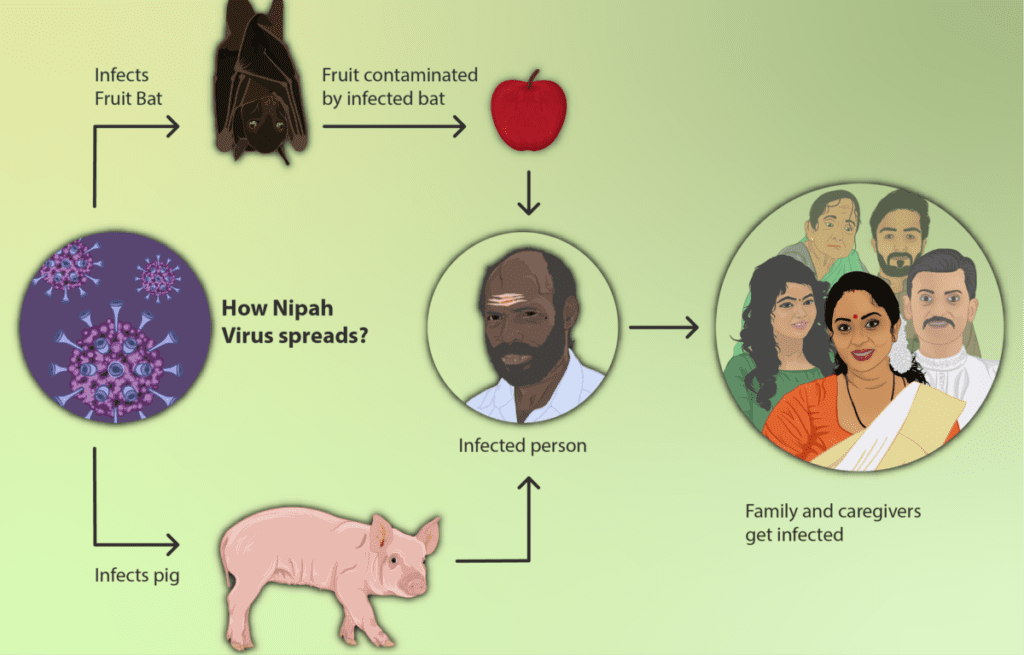
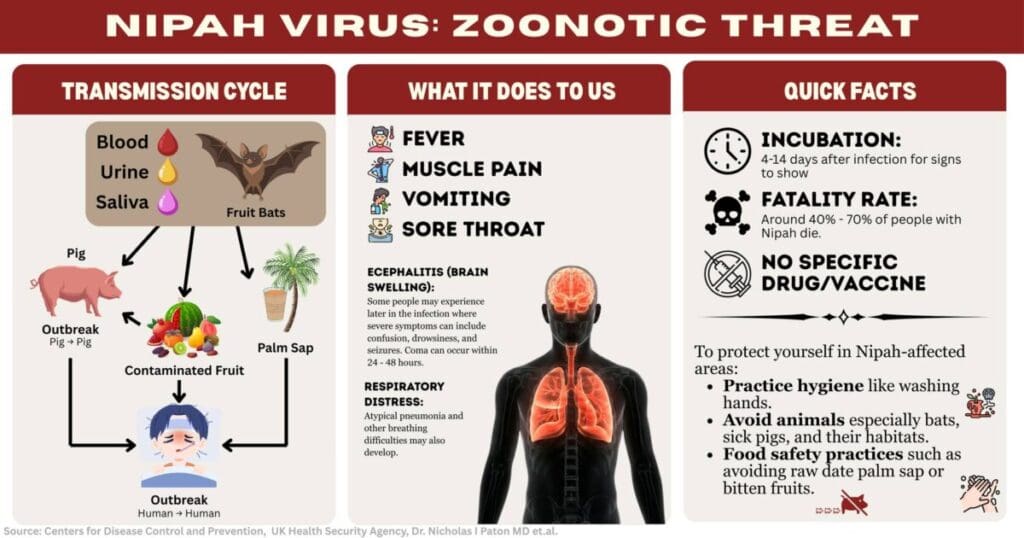
Humans can get infected by touching sick animals or consuming fruits contaminated with bat saliva or urine. Raw or partially fermented date palm sap has been linked to several outbreaks. The virus can also spread between people through close contact with body fluids.
Early Signs to Watch For
• Fever and headache
• Fatigue and muscle pain
• Respiratory issues such as coughing or difficulty breathing
• Neurological symptoms in severe cases like confusion, seizures, or coma
High-Risk Areas

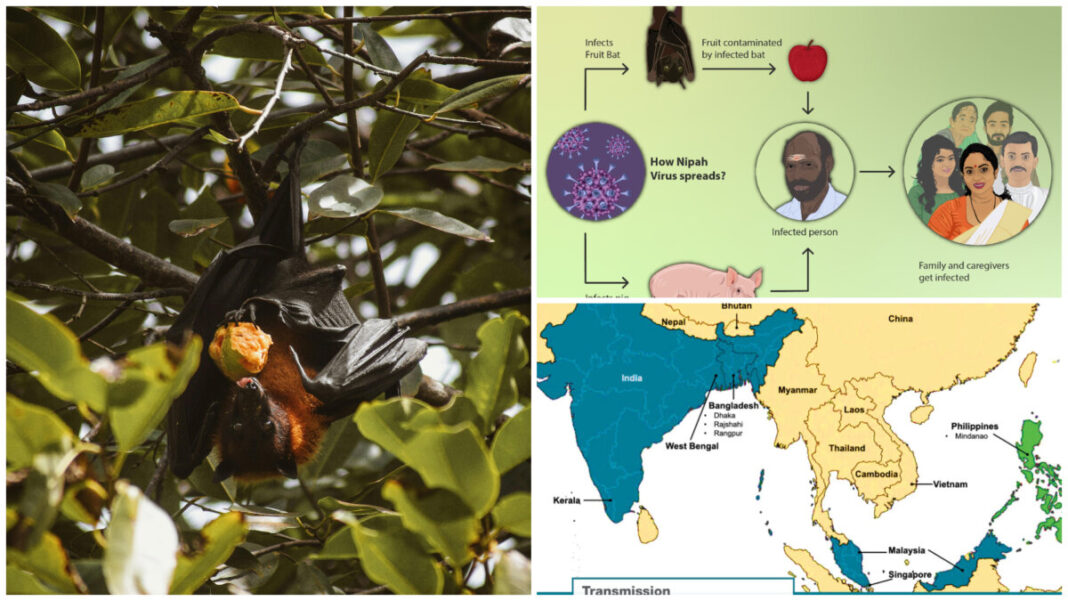
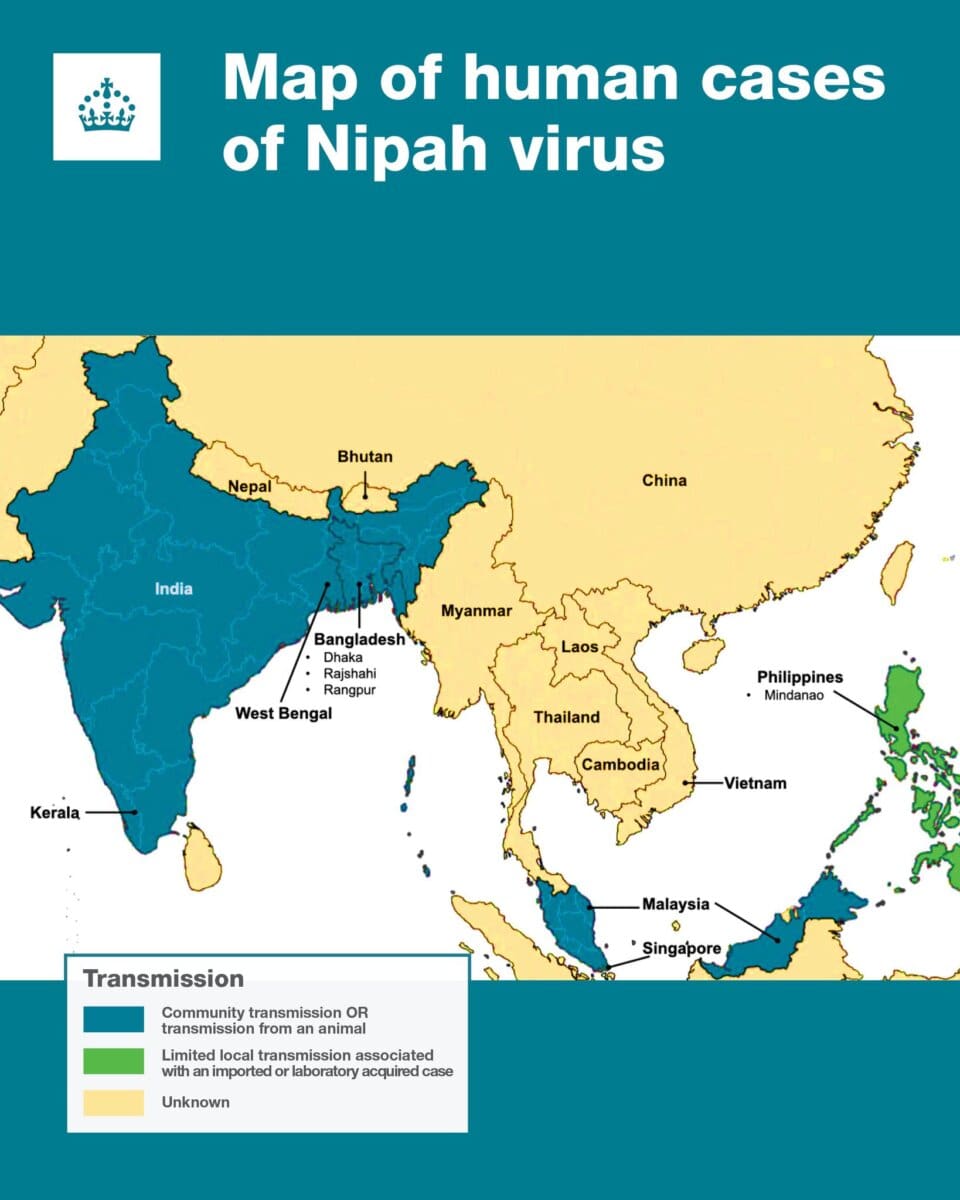
Nipah virus outbreaks have mainly been reported in Bangladesh, India, Malaysia, the Philippines, and Singapore. Rural and semi-rural regions are most affected due to close human-animal interactions. While antibodies have been found in bats elsewhere, human infections outside Asia are extremely rare.
The Deadly Complications
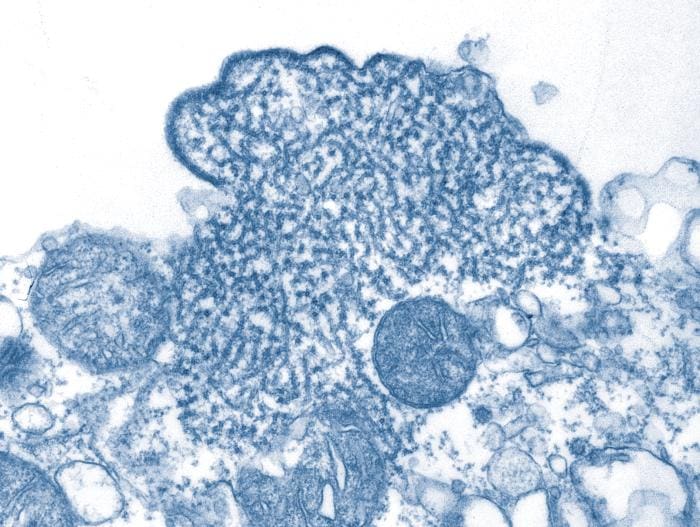
Encephalitis or inflammation of the brain is the most serious outcome of Nipah infection. Mortality rates are alarmingly high, with 40 to 75 percent of cases resulting in death. Survivors may face long-term neurological problems like memory issues and persistent seizures.
Treatment and Care
• No specific cure or licensed vaccine is available
• Supportive care such as fluids, nutrition, and fever management
• Respiratory support and intensive monitoring for severe cases
• Experimental antiviral drugs and vaccines are under research
Practical Prevention Tips
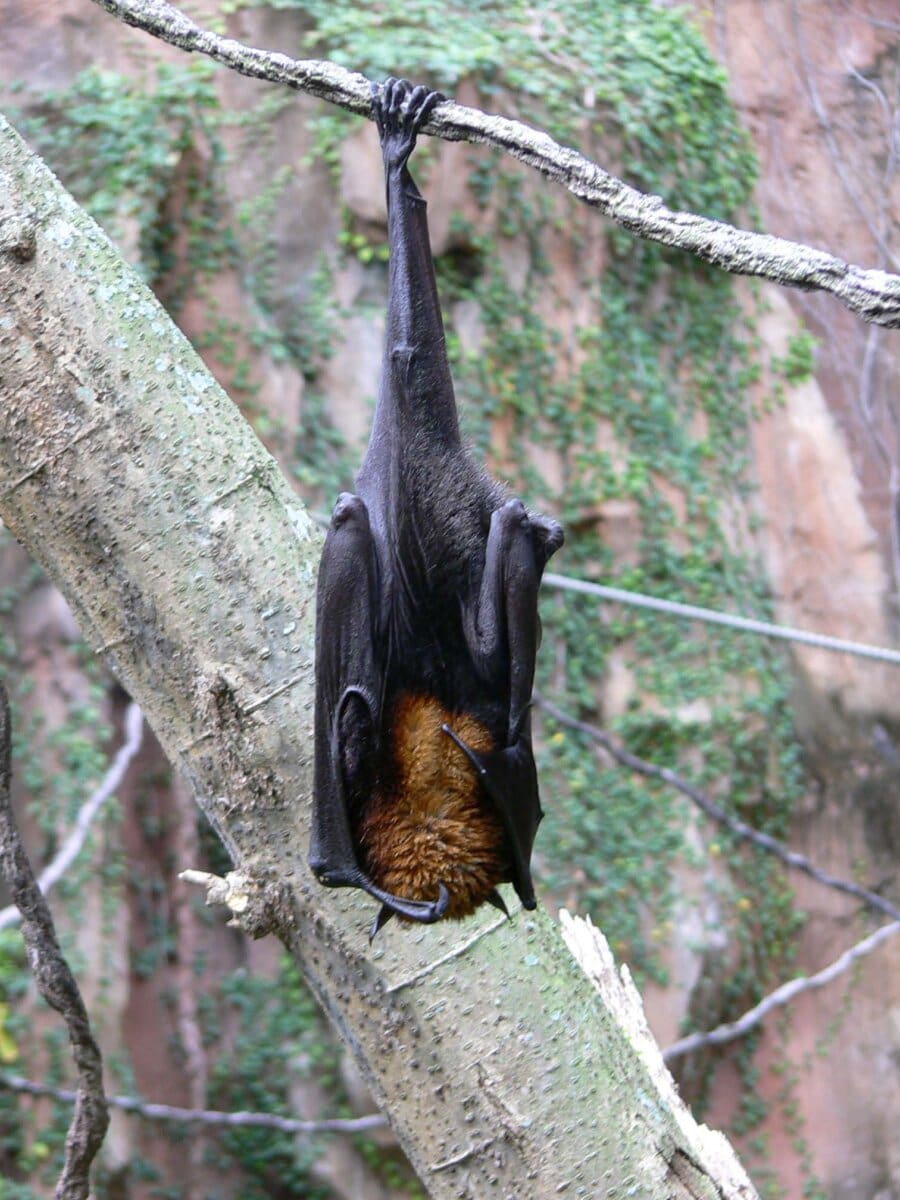
• Avoid contact with bats, sick animals, and their habitats
• Wash fruit thoroughly and peel before eating
• Never drink raw or partially fermented date palm sap
• Practice good hand hygiene
• Wear protective gear when caring for sick animals or patients
• Follow strict infection control in healthcare settings
Responding to Symptoms
• Seek medical care immediately if you have fever, respiratory trouble, or neurological symptoms
• Mention recent travel to endemic areas to help doctors act quickly
• Isolate yourself from others to prevent spread
Global and Local Efforts
Health authorities in affected countries focus on outbreak prevention and public awareness. Educational programs in schools teach children how to avoid infection and protect their families. Research centers like UKHSA are supporting vaccine and treatment development to stop future outbreaks.
Even though Nipah virus outbreaks are rare, the infection can progress rapidly and leave devastating consequences. Knowledge of the virus, safe food practices, and early medical care are key to protection. Staying informed helps communities respond responsibly and reduce panic.