Tourism Meets Public Health
The rise in HIV cases has pushed health officials to reexamine how the country protects both residents and visitors. With infections increasing daily, discussions have shifted toward possible safeguards at the border. The focus remains on prevention without disrupting the Philippines’ open tourism culture.
Numbers Driving the Debate
Health data show an average of 16 newly reported HIV cases each day, with many involving young Filipinos. Authorities are now studying all possible contributors, including high-risk travel activities linked to sex tourism. These figures have reignited conversations on stronger screening and education efforts.
Legal Limits in Place
Any proposal involving testing faces clear boundaries under Republic Act 11166. The law prohibits compulsory HIV testing as a requirement for entry or travel within the country. Health officials acknowledge that any future move must stay within existing legal protections.
A Viral Trigger
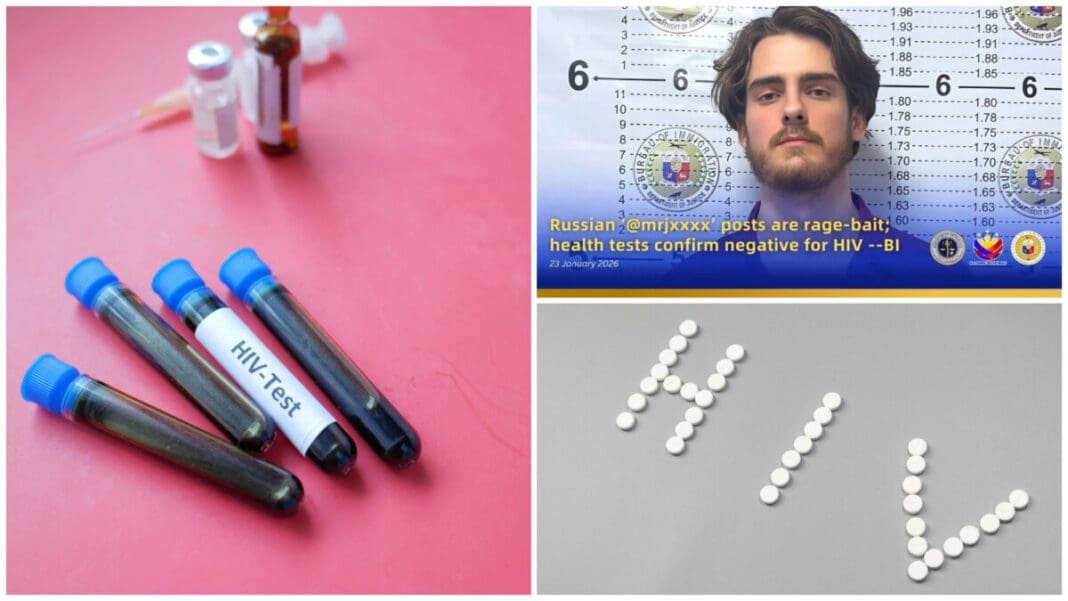
Public concern intensified after a foreign vlogger posted content that alarmed viewers online. Although officials described the video as meant to provoke reactions, it raised serious health and safety questions. Immigration authorities acted swiftly as the issue gained national attention.
Action from Immigration
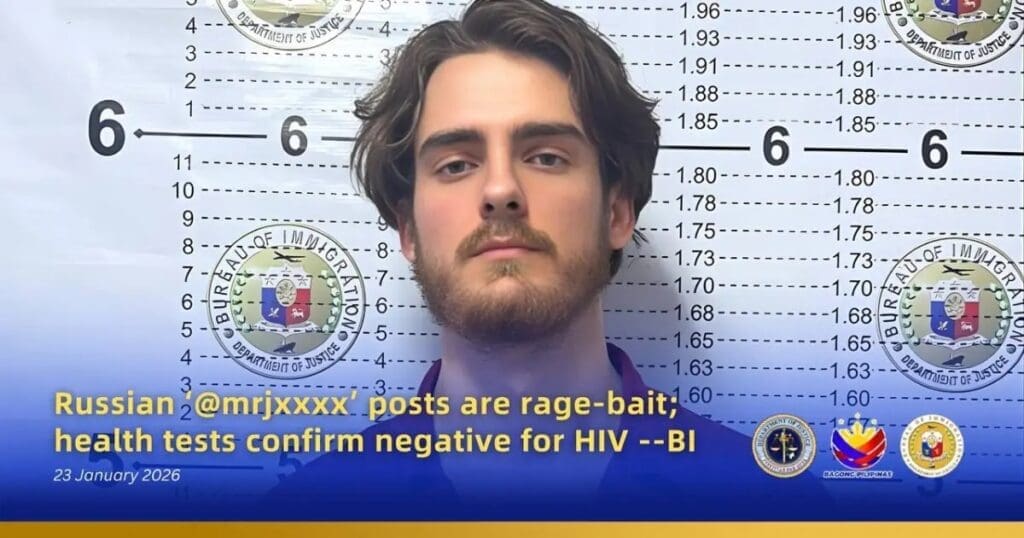
The Bureau of Immigration detained the vlogger while deportation proceedings moved forward. Health authorities conducted an HIV test following his arrest, which returned a negative result. The case highlighted gaps in handling health risks tied to foreign visitors.
Looking Ahead
Officials are now weighing closer coordination between health, tourism, and immigration agencies. Existing programs aimed at protecting young people from exploitation may be expanded to include broader health measures. The discussion continues as the country balances public health, human rights, and its role as a global travel destination.