
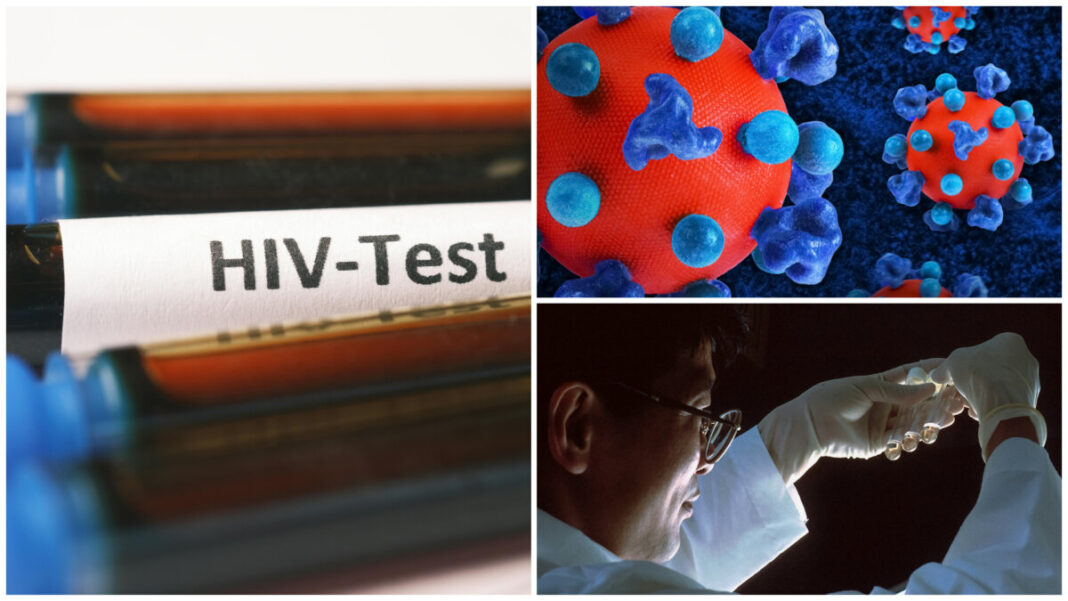
A new development is set to change the country’s HIV response as cases continue to climb. The Department of Health is preparing for the arrival of a US-grade treatment from the United States. The move comes amid sustained calls from health advocates for stronger and more decisive government action. Here is what this means for Filipinos as the fight against HIV enters a critical stage.
Grant-backed supply from the US
According to Health Secretary Teodoro Herbosa, Lenacapavir will be made available in the Philippines through a grant under the President’s Emergency Plan for AIDS Relief. He shared that the supply was promised by the US State Department and will be provided at no cost to the country. According to Herbosa, the injectable medication will be administered every six months for people living with HIV. He said the treatment is costly but will be given as assistance, strengthening the country’s treatment and healthcare options.
How Lenacapavir works
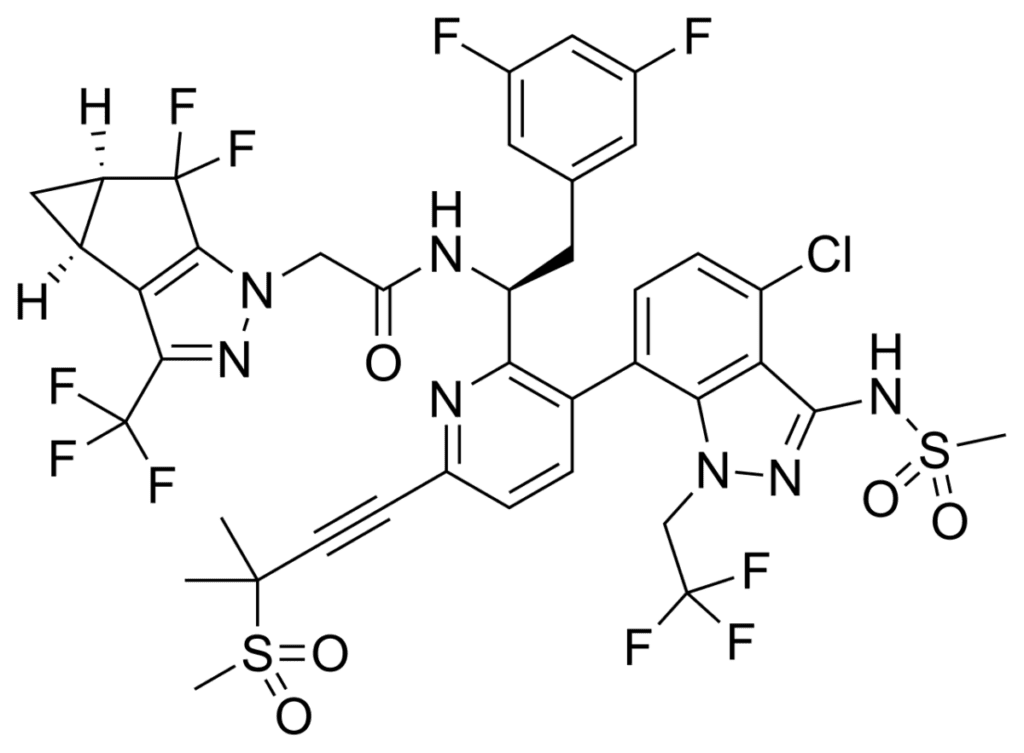
According to the US government’s drug database, Lenacapavir may first be taken orally before patients transition to a subcutaneous injection every six months. The same source noted that the medication can stay active in the immune system for up to 12 months. Health officials explained that it must be combined with other antiretroviral medicines to effectively suppress the virus. Its long-acting design is seen as a way to improve adherence, especially among patients who struggle with daily medication.
Alarming rise in infections
According to the Joint United Nations Programme on HIV/AIDS and the World Health Organization, the Philippines recorded a 550 percent increase in HIV cases from 2010 to 2024, with 29,600 new infections reported. Herbosa said the country logs around 60 new cases daily, mostly among young men. According to health authorities, the Philippines has one of the fastest-growing HIV epidemics in the ASEAN region. These numbers continue to raise alarm among both public officials and community groups.
338 care hubs nationwide
According to the Department of Health, there are now 338 DOH-designated HIV care facilities operating across the country as of February 14. These centers provide free HIV screening and confirmatory testing. They also offer antiretroviral therapy, counseling, and combination prevention methods such as condoms, lubricants, and pre-exposure prophylaxis. Viral load testing is available to help patients monitor treatment progress and lower transmission risk. FDA-approved self-test kits are also accessible through partner civil society organizations.
A Long-Standing Call From Mister Gay Sugbo

For years, the Mister Gay Sugbo Organization has been at the forefront of HIV awareness campaigns and public appeals for stronger government action. According to the group, early and accessible HIV testing saves lives, prevents transmission, and reduces long-term health system costs. They have consistently emphasized that health is a right, not a privilege, and that ending HIV requires people-centered policies that make life-saving services accessible, affordable, and free from stigma and discrimination. Their persistent advocacy has helped keep the conversation about HIV prevention and treatment alive, contributing to a more informed public as new treatments arrive in the country.