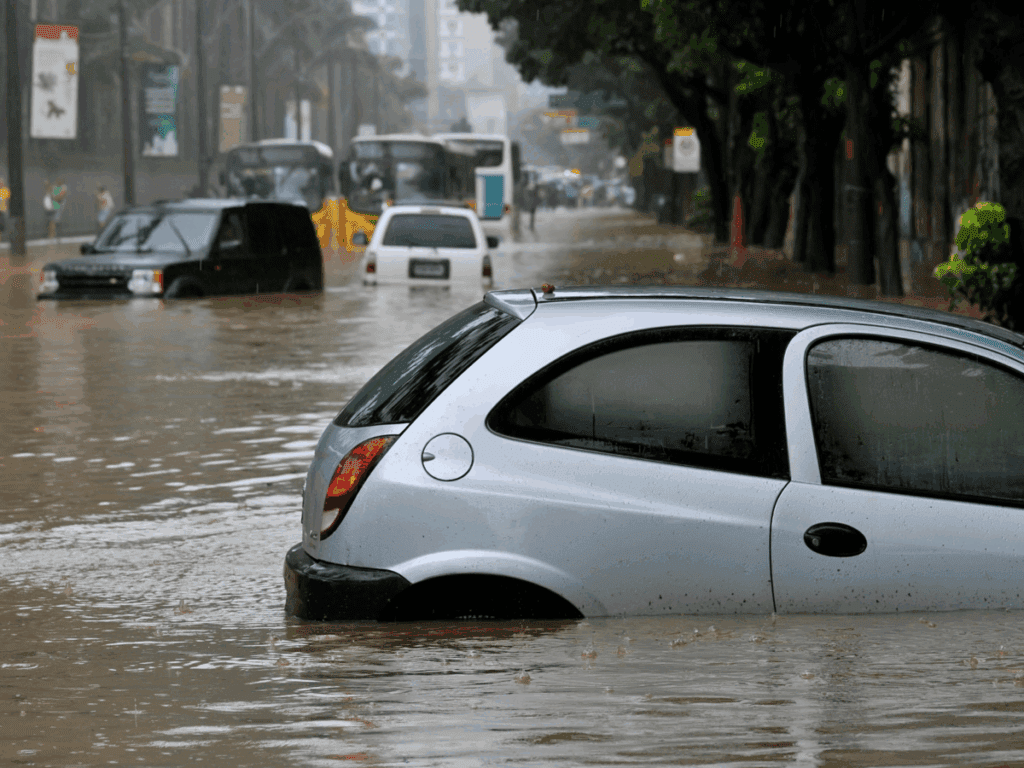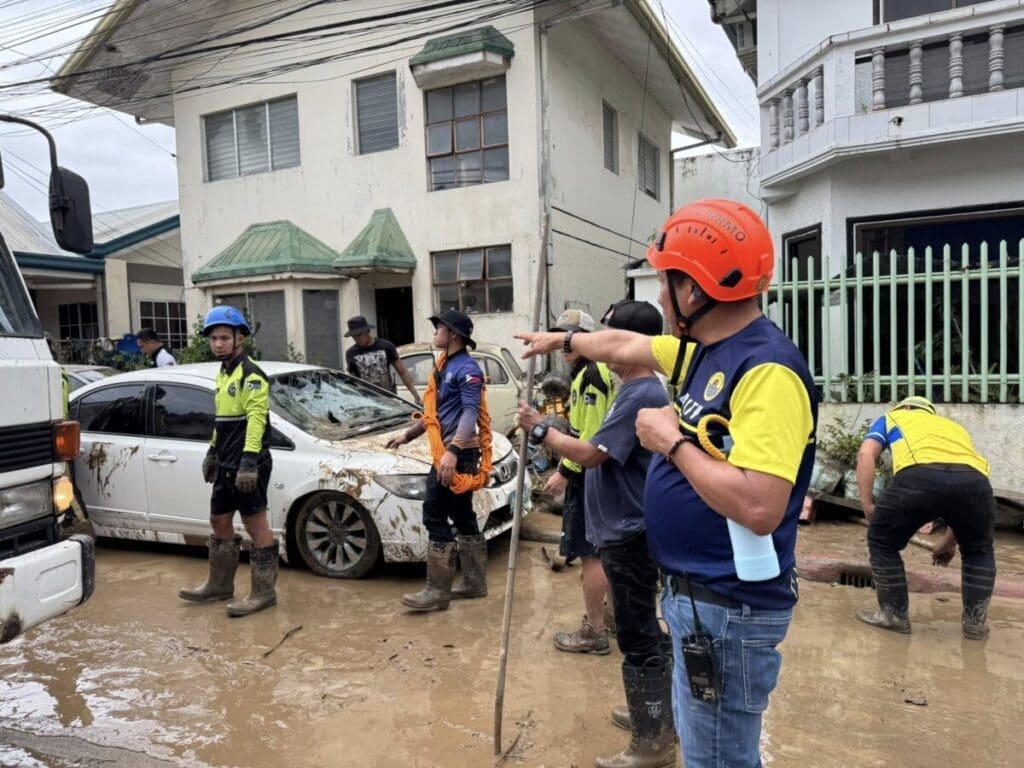
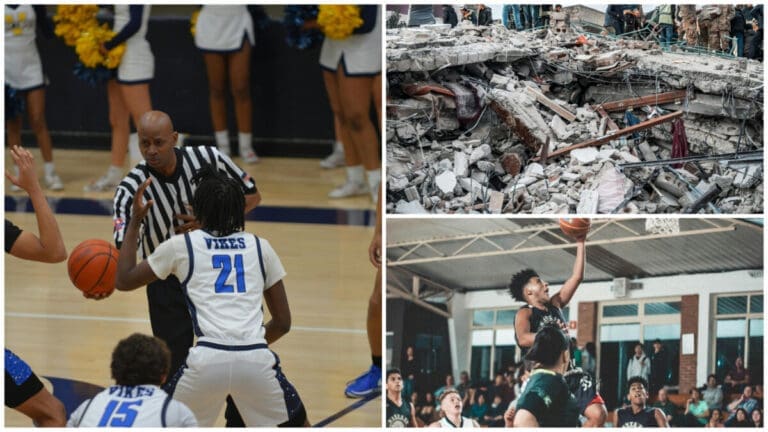
It was a humid Tuesday night, the kind that made the concrete of the basketball court glisten with sweat and anticipation. The court lights flickered weakly, their hum mixing with the chatter of the crowd. It was a game, the kind of night everyone in town looked forward to. Families brought food, kids ran around barefoot, and men crowded near the boundary lines, cheering as if the players were gods.
The whistle blew. The game began.
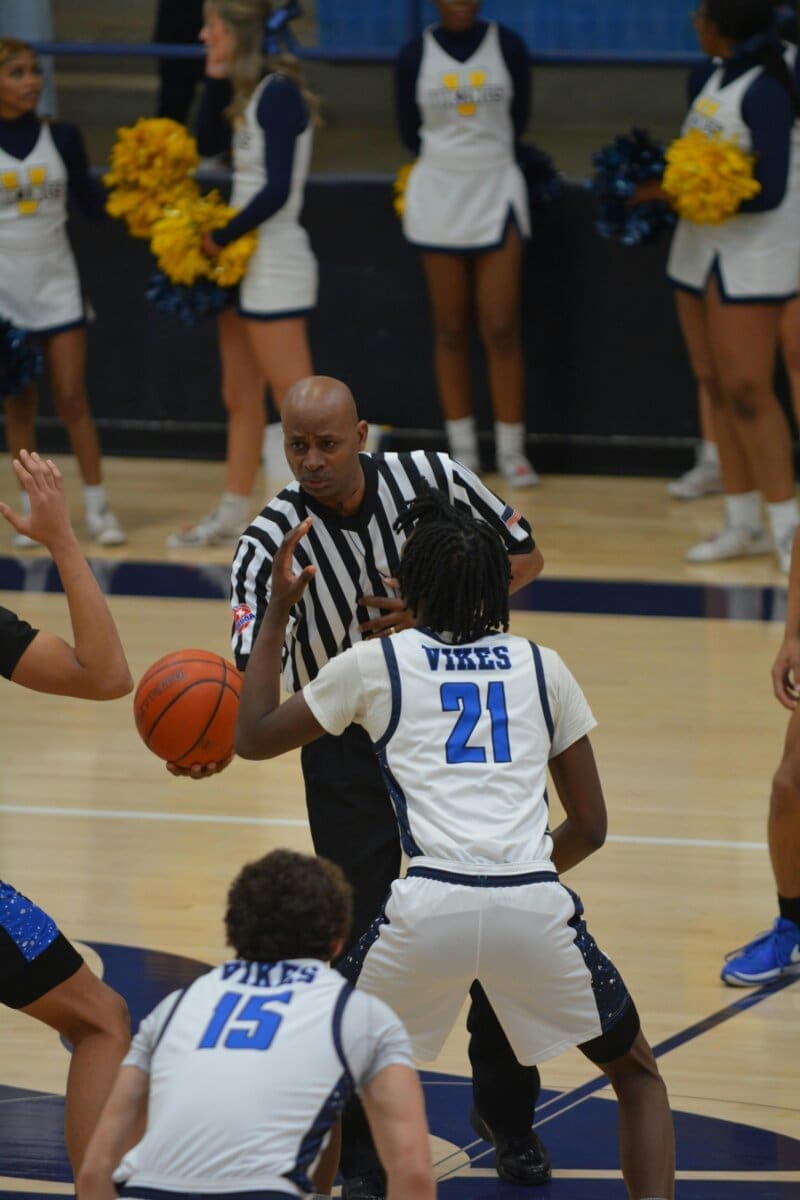
For almost an hour, the crowd was alive, voices shouting, shoes squeaking, the ball thudding rhythmically against the ground. Then, as the timer hit its final minutes and the score changed, the earth groaned.
At first, no one understood what was happening. The backboard rattled. The ground trembled. Then came the roar, deep, monstrous, and endless.
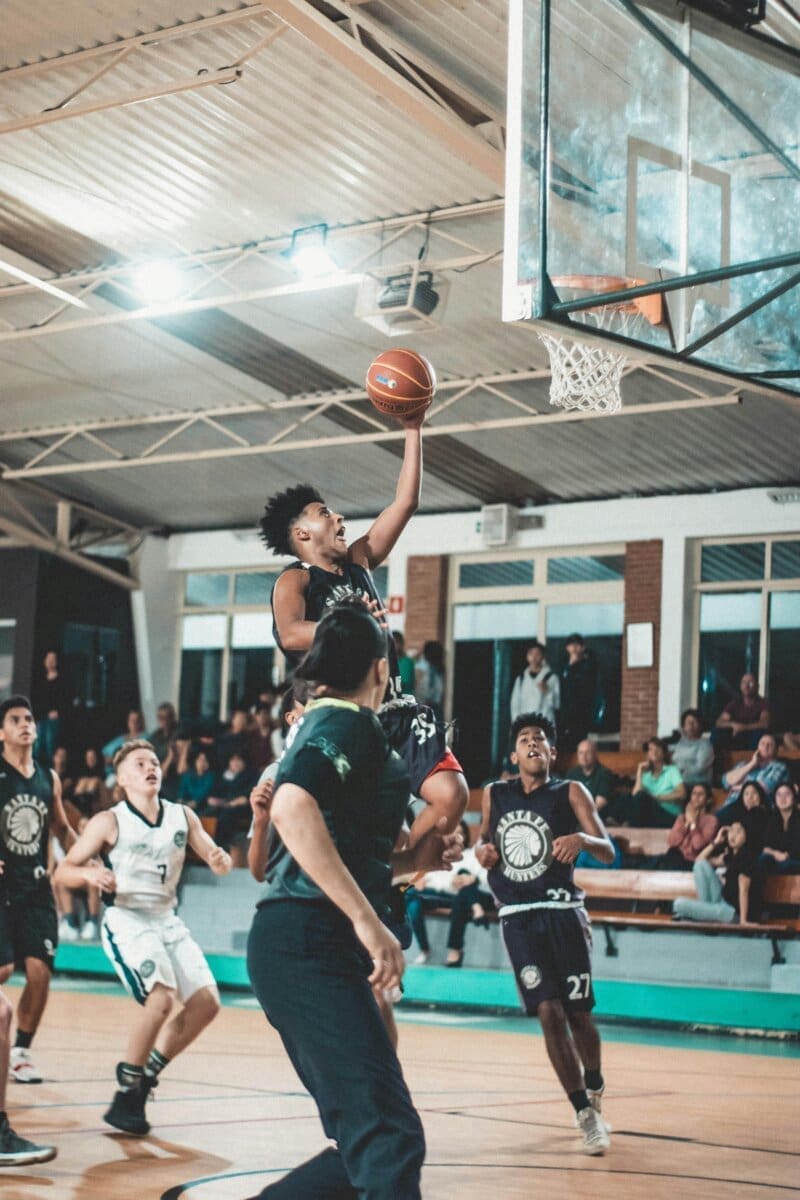
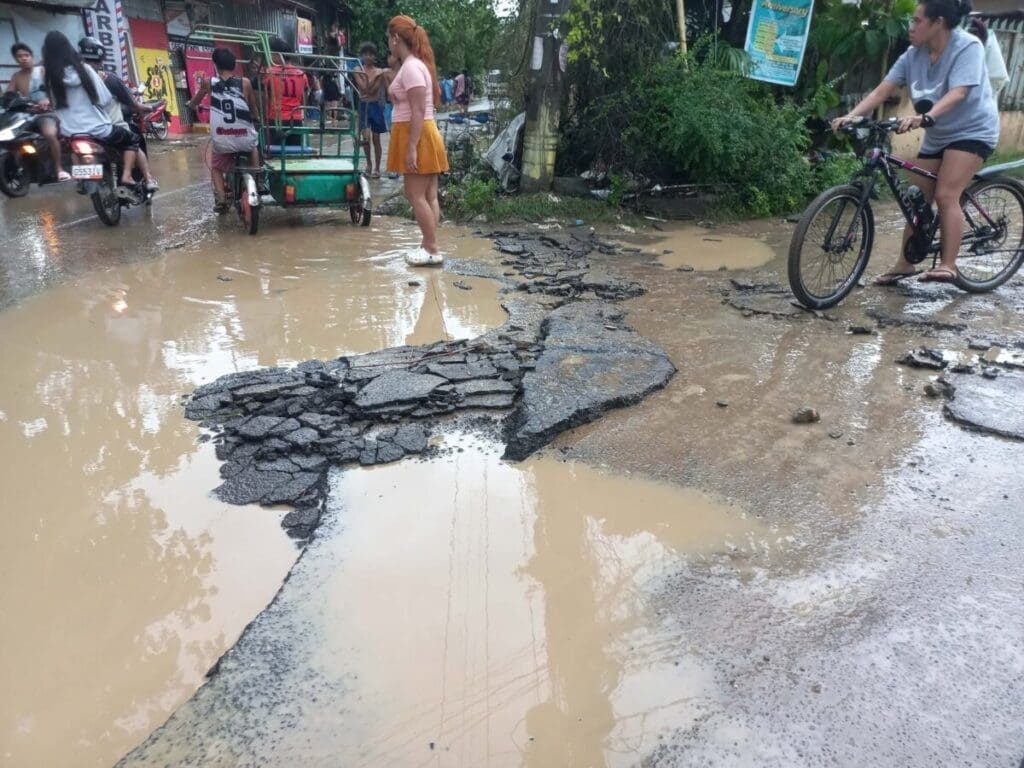
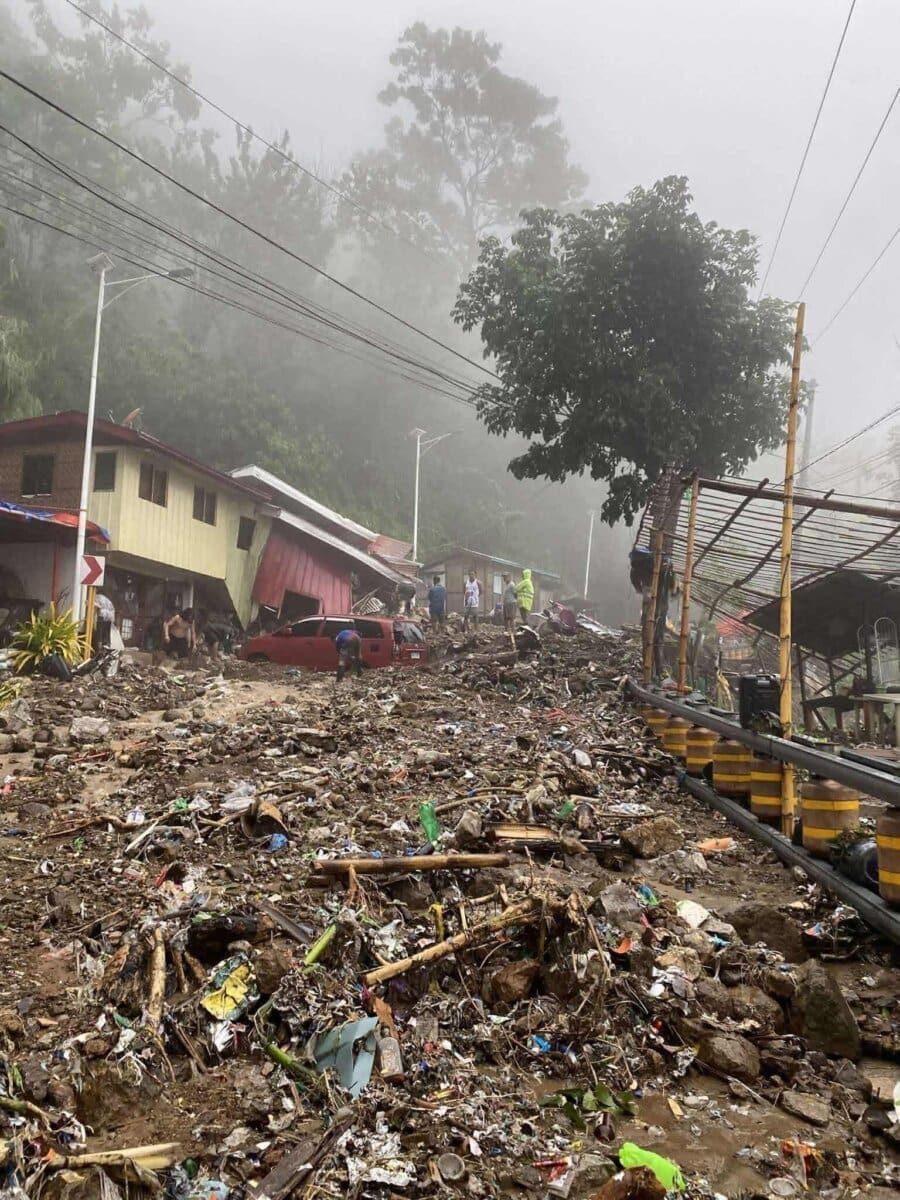
The court cracked. Concrete rained down from the surrounding walls. The cheers turned into screams. The referee’s whistle echoed one last time before it was drowned by the sound of falling debris.
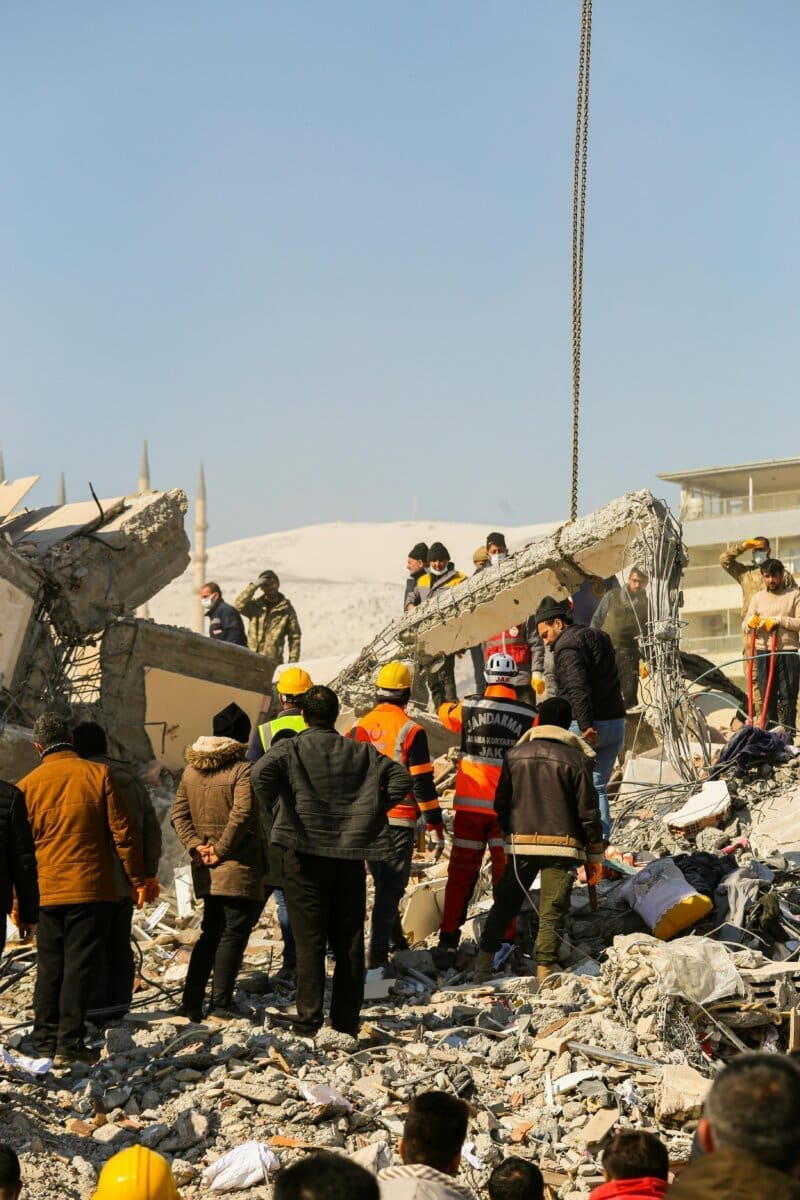
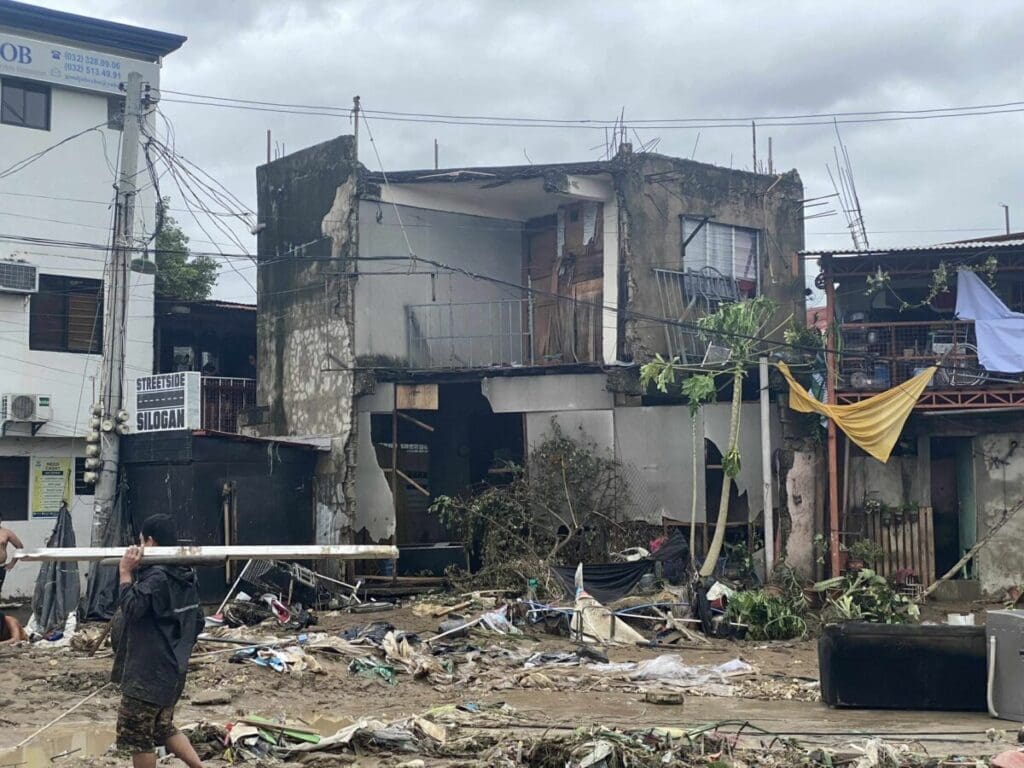
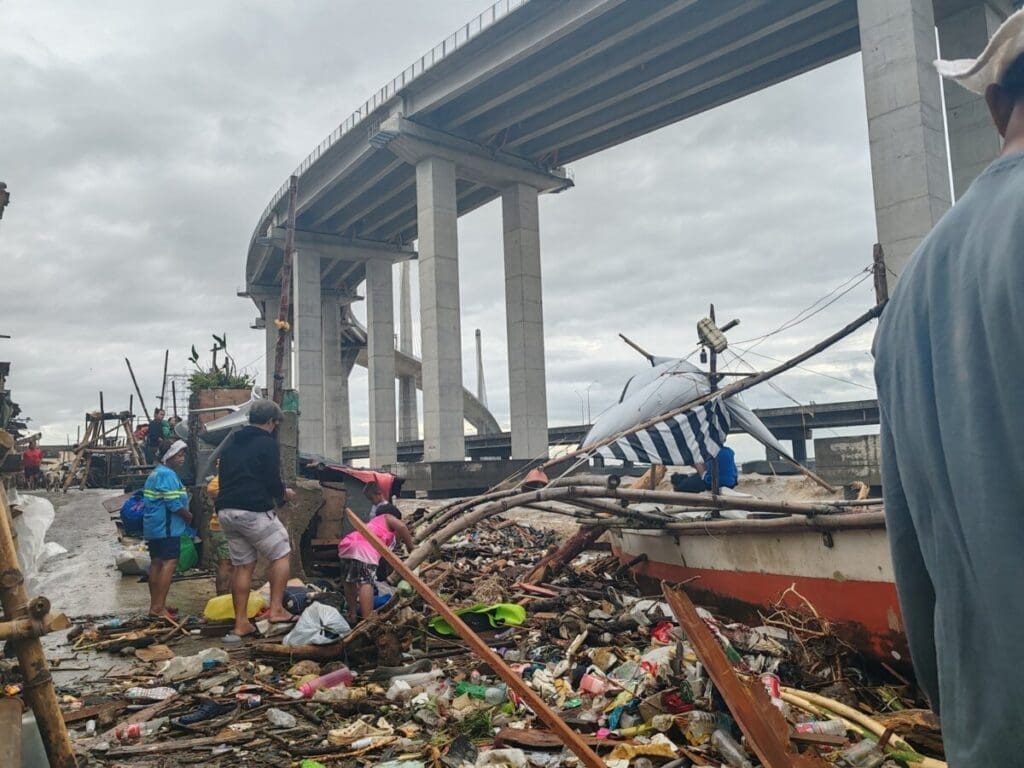
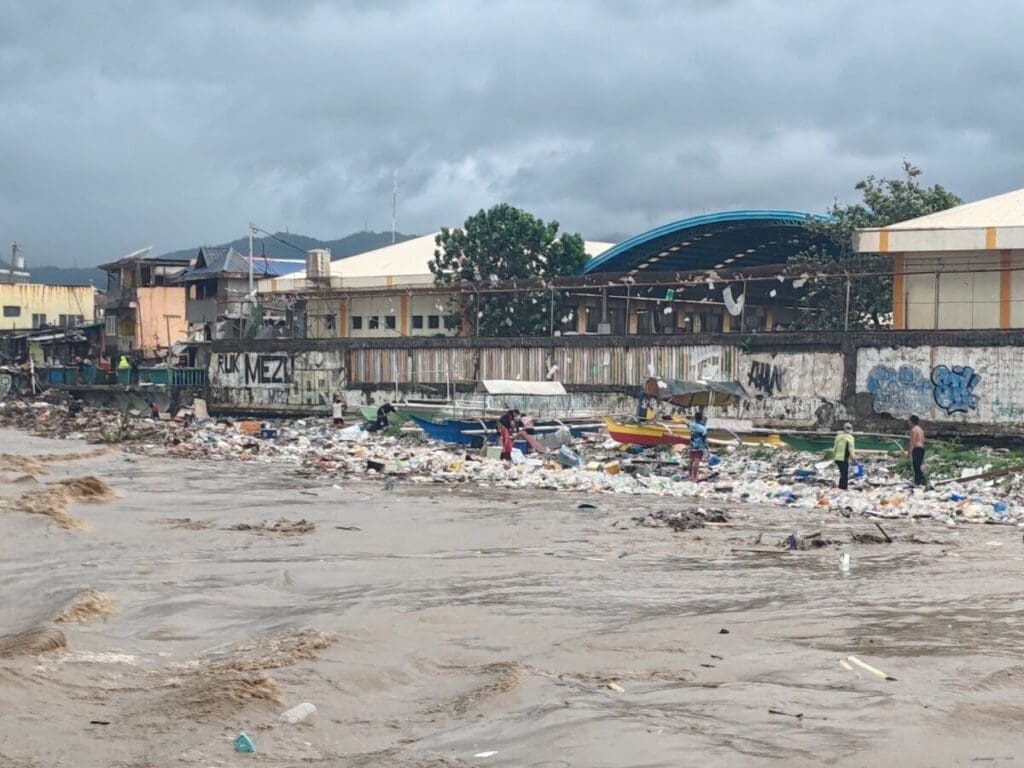
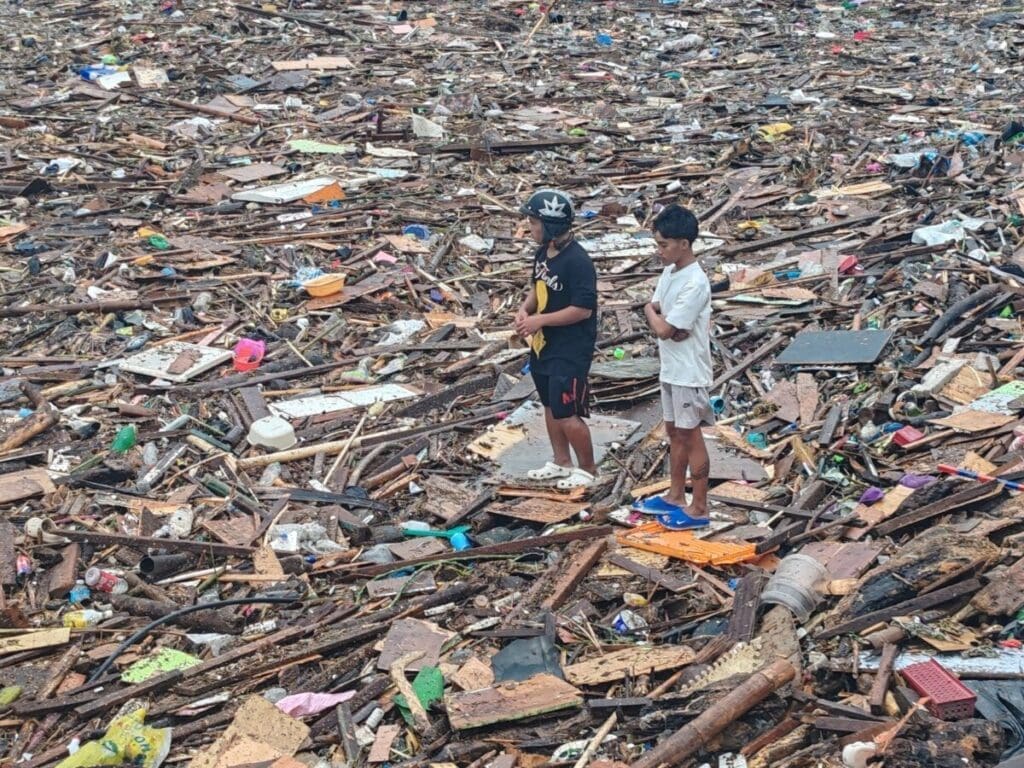
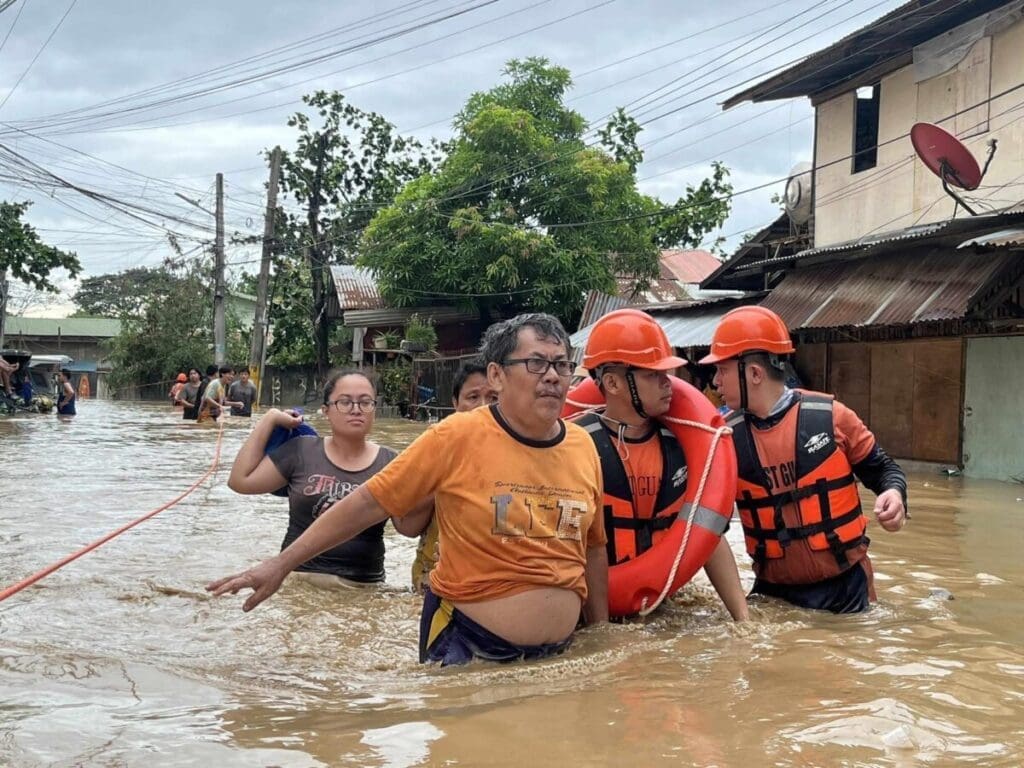
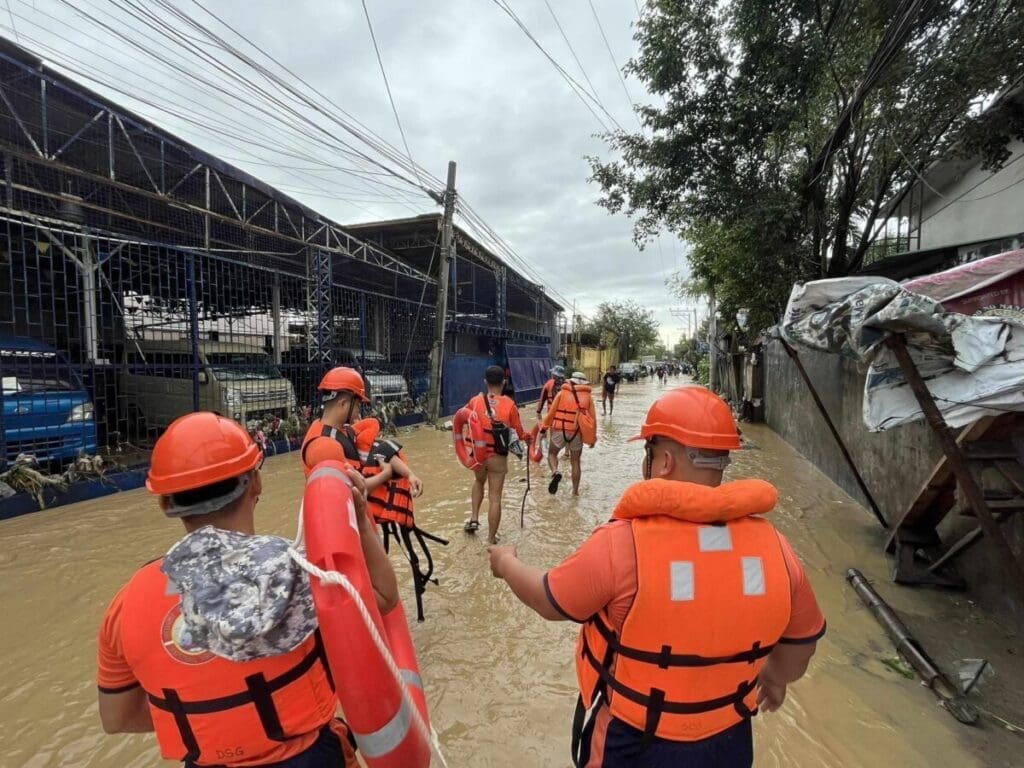
When the earthquake finally stopped, silence took over, a silence so heavy it seemed to press against the air. Rescue teams came hours later, but for many, it was too late. Dozens were buried where they had stood, where they had cheered, where they had played.
The basketball court was sealed off days later. Cracks ran like veins across the floor, the metal hoops twisted and broken. The smell of dust and death lingered long after the bodies were taken away. The authorities built a fence around it, declaring it unsafe, “off-limits.”
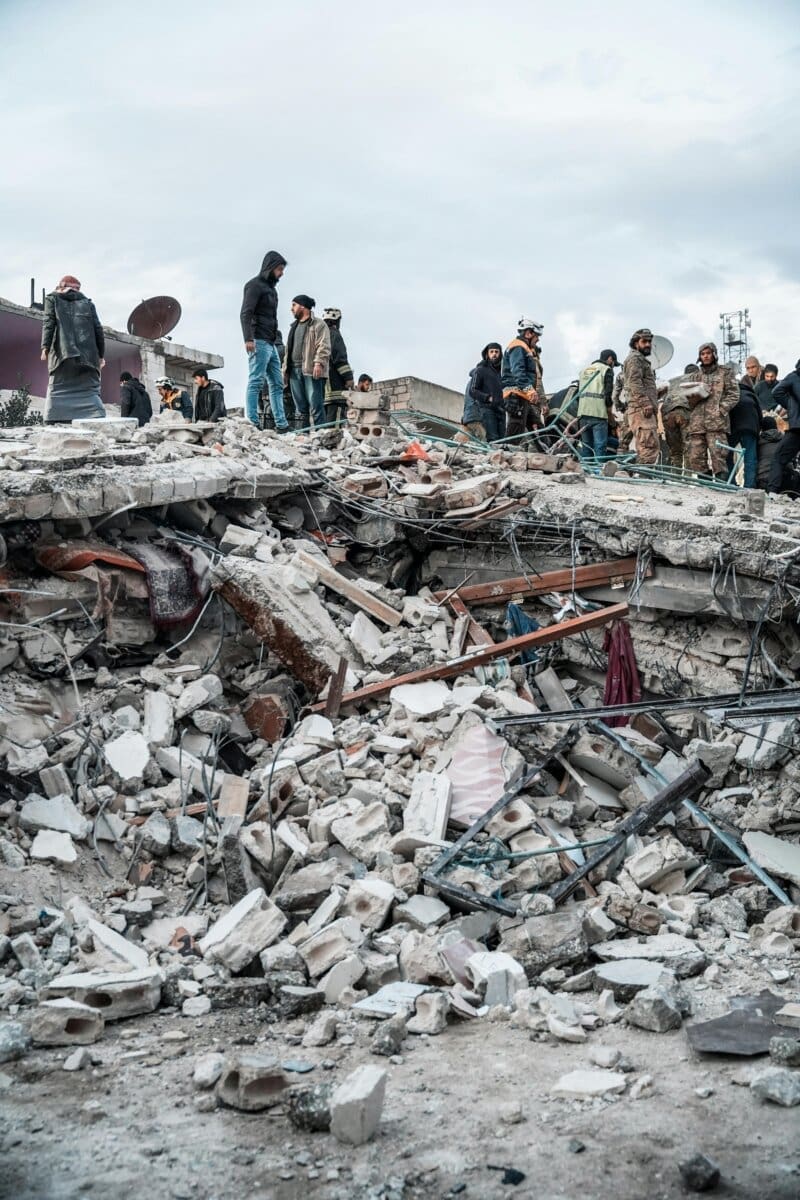
But even from a distance, people said the court wasn’t empty.
Some nights, when the wind was still and the moon hung low, residents nearby would hear it, a faint bounce… bounce… bounce. Like someone dribbling slowly, deliberately. Sometimes a whistle was heard — short, sharp, commanding.
People passing by said they heard the crowd cheering faintly, a haunting echo from beneath the rubble.