
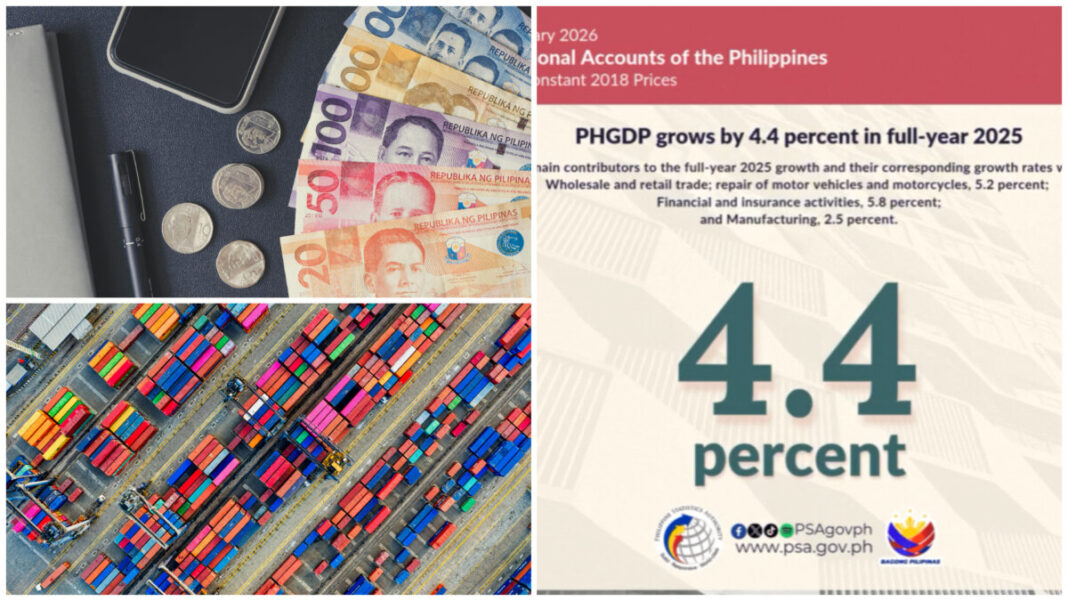
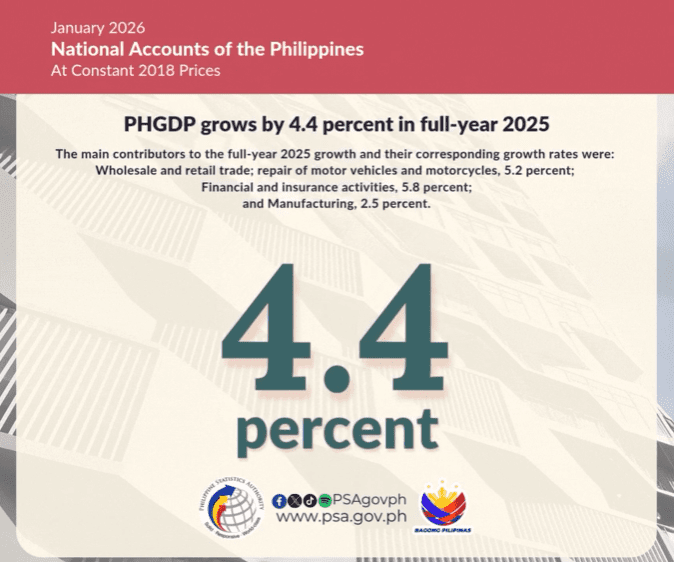
Growth lost steam as the Philippine economy expanded by 4.4 percent in 2025, down from 5.7 percent in 2024. It marked the third straight year that output fell short of the government’s 5.5 to 6.5 percent target. What pulled growth lower and can 2026 deliver a turnaround Read the full story below.
Forecast points to 5.2 percent rebound in 2026
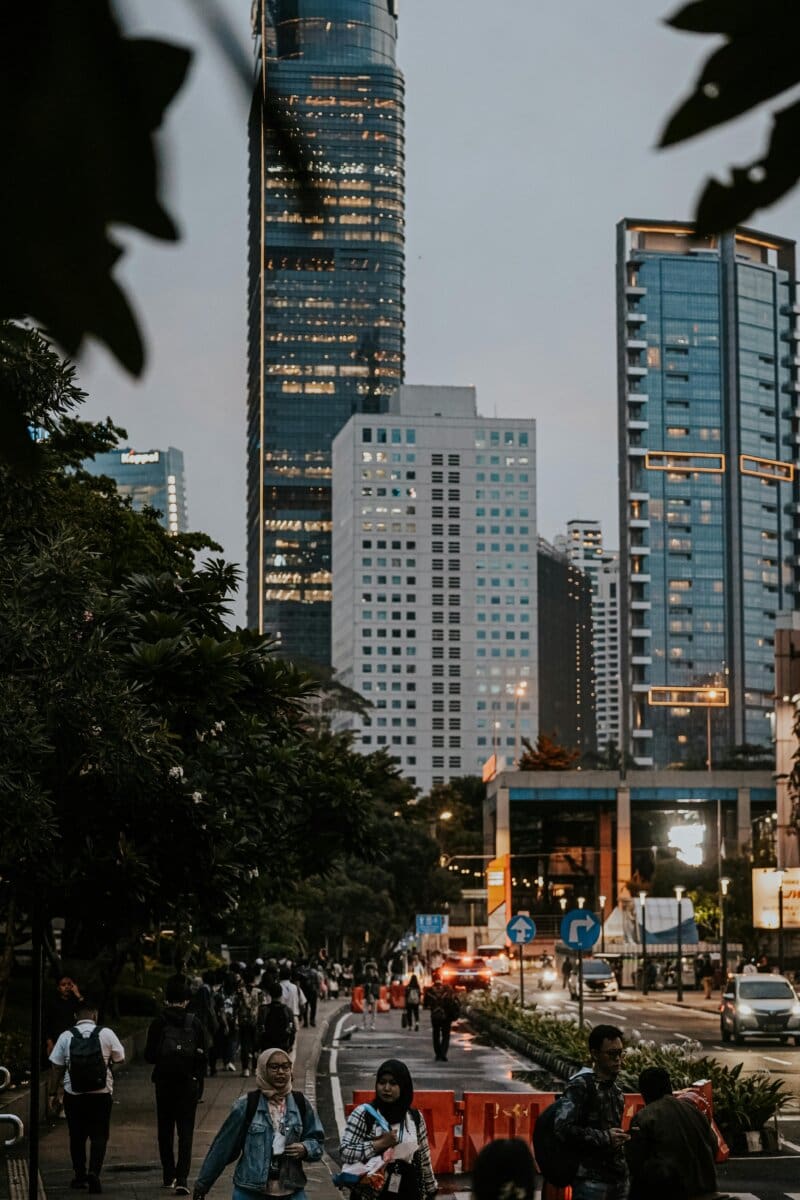
Research firm BMI sees the economy growing by 5.2 percent in 2026, helped by recovering investments and stronger consumption. The projection leans on a low 2025 base that could make next year’s figures look better in comparison. Hitting the state’s five to six percent goal, however, will depend heavily on how fast spending resumes.
Infrastructure delays cloud confidence
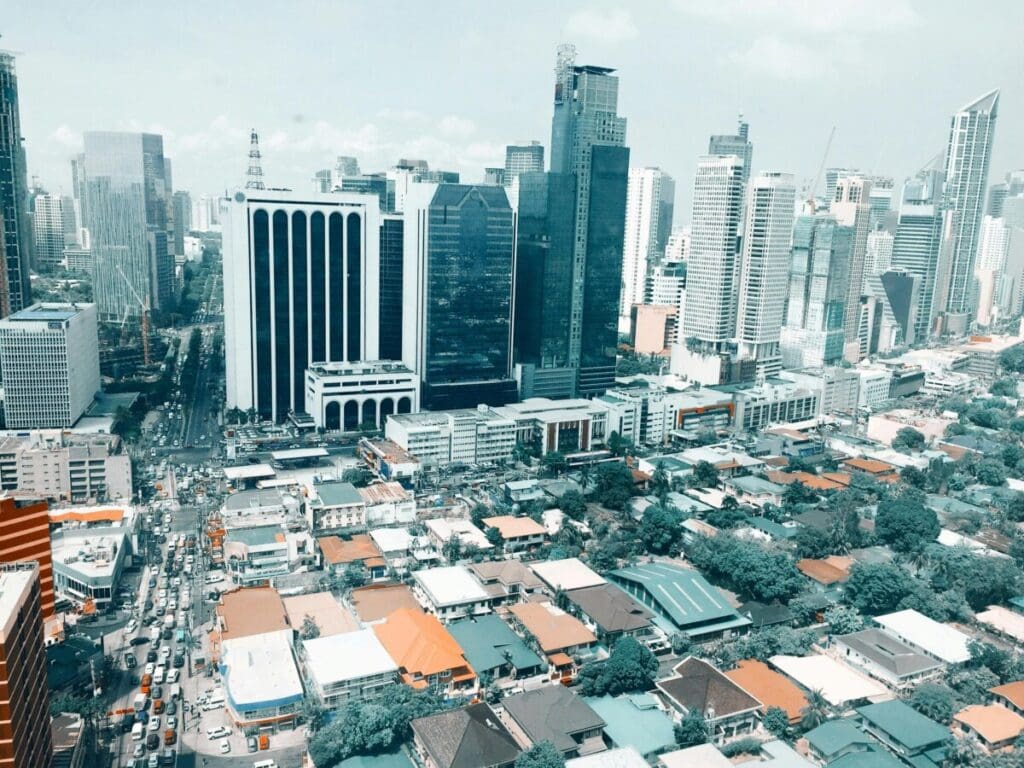
Public infrastructure spending slowed amid corruption issues tied to flood control projects. Delays in capital outlays and tighter fiscal checks weighed on investor and consumer confidence. Economists note that stalled projects ripple across jobs, construction, and supply chains.
Second half spending seen as crucial
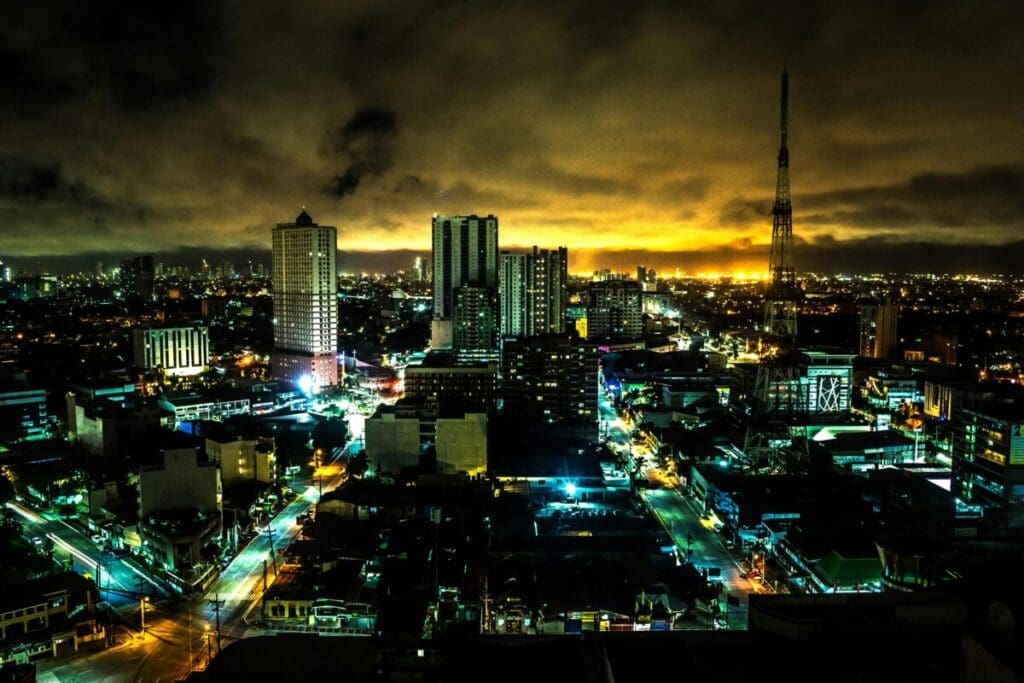
BMI expects the government to ramp up infrastructure disbursements in the second half of 2026. A catch up in capital spending could lift growth figures later in the year. Without that push, household demand and exports may struggle to carry the economy alone.
Rate cuts and inflation risks
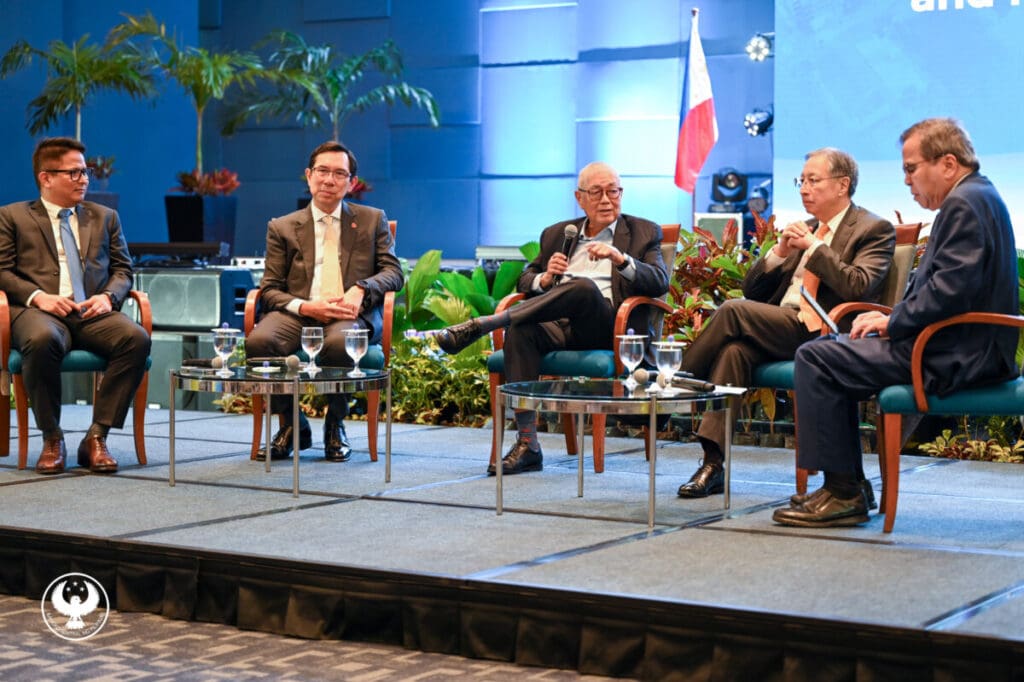
The Bangko Sentral ng Pilipinas trimmed its key policy rate by 25 basis points to 4.50 percent in December and may cut by another 50 basis points this year. Lower borrowing costs could encourage business expansion and consumer spending. Still, higher oil prices driven by global tensions may limit room for aggressive easing.
Peso weakness and remittance boost
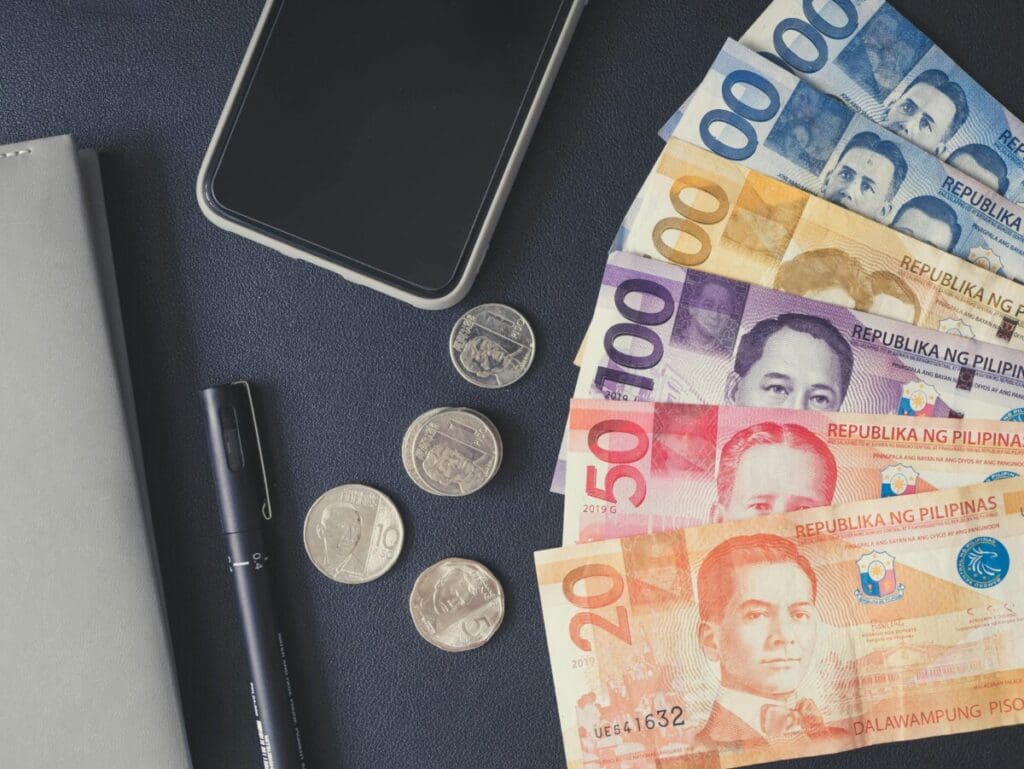
BMI forecasts the peso to average around 58.50 to a dollar in 2026, a 1.8 percent year on year depreciation. A weaker currency may lift remittances in peso terms and support domestic consumption. Storm recovery spending in areas hit in late 2025 may also add to household activity.
Exports face tougher year ahead
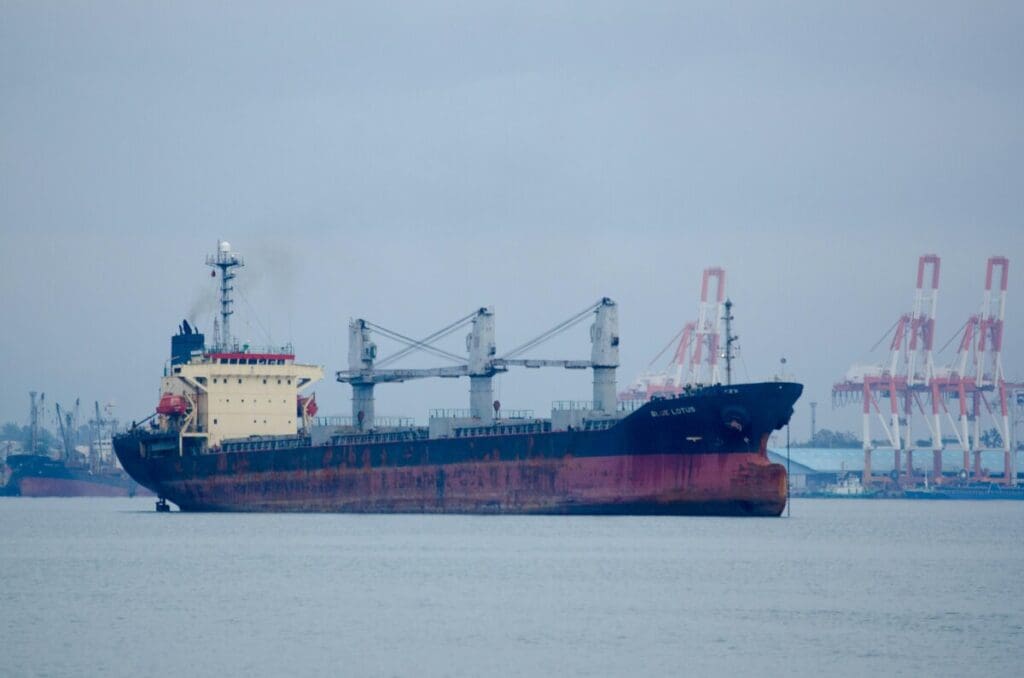
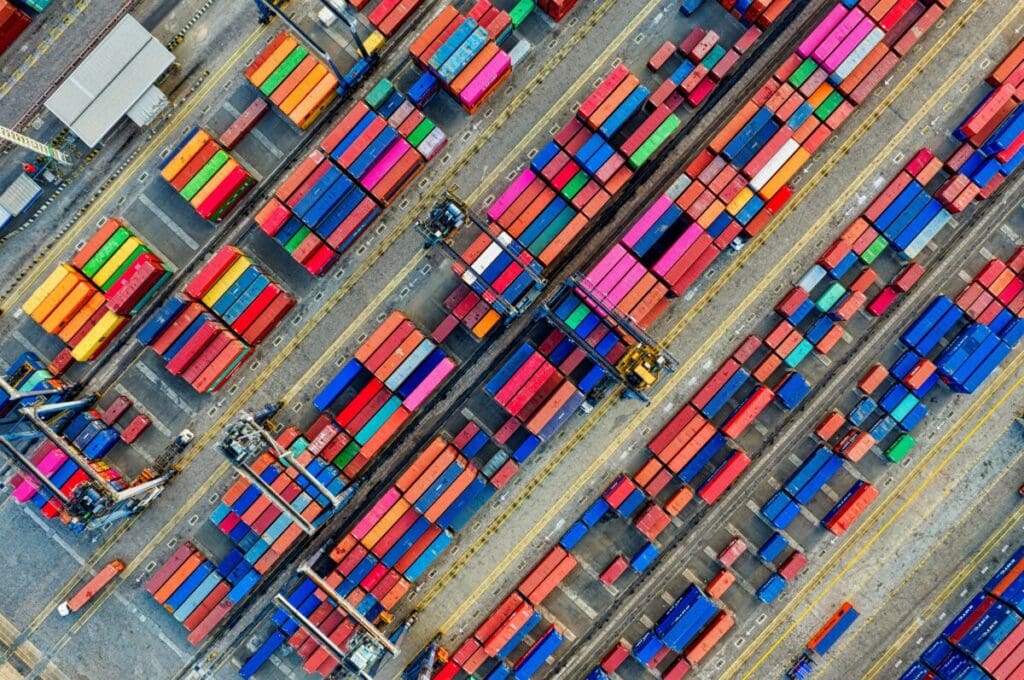
Preliminary data from the Philippine Statistics Authority showed merchandise exports hit 84.41 billion dollars in 2025, the highest since records began in 1991. Shipments grew 15.2 percent from 73.27 billion dollars in 2024, fueled by strong electronics demand during the AI boom. Analysts warn that the global semiconductor upcycle may have peaked, posing risks to electronic exports that account for 54 percent of total outbound sales.
Governance seen as deeper issue

Economist John Paolo Rivera of the Philippine Institute for Development Studies pointed to governance challenges behind the slowdown. Delayed infrastructure releases and corruption concerns dampened overall momentum. The path forward rests on restoring confidence and keeping public projects on track.