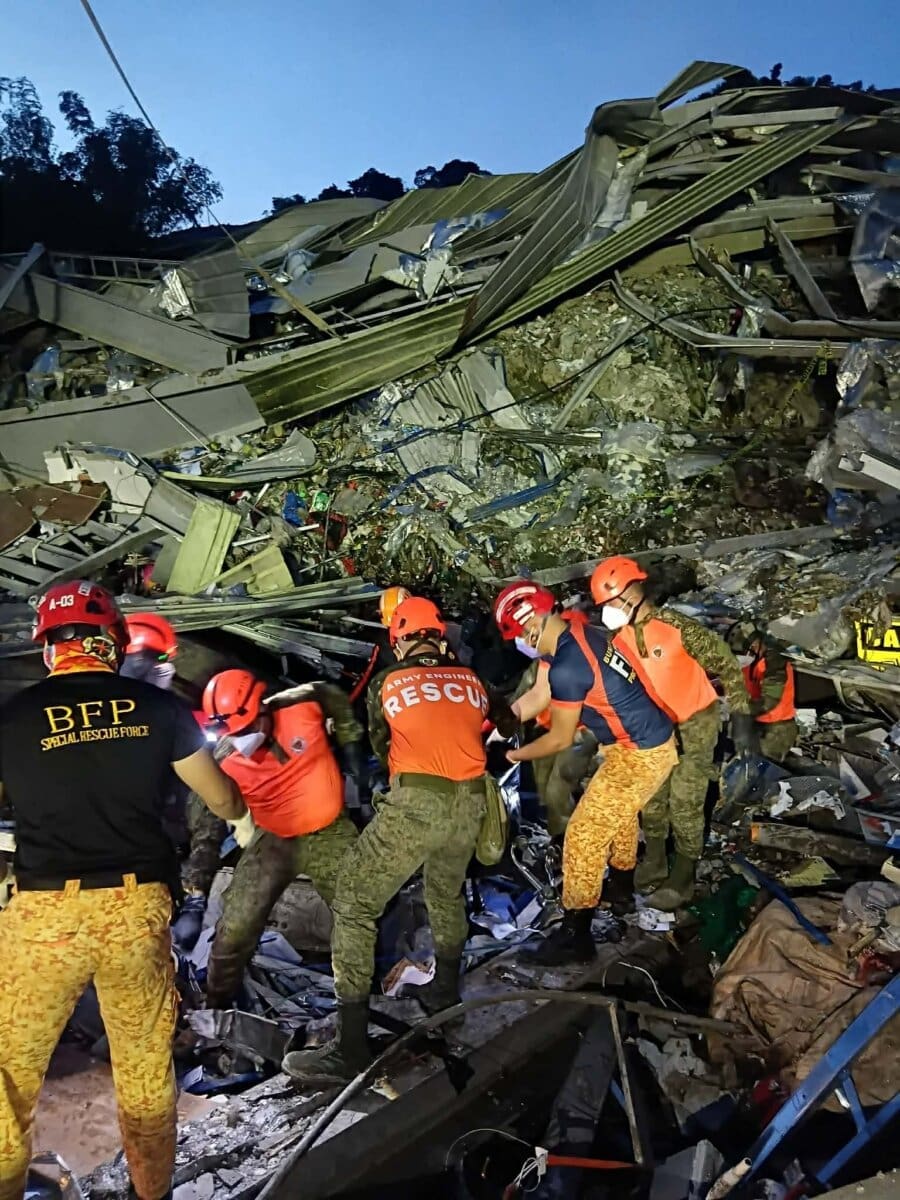
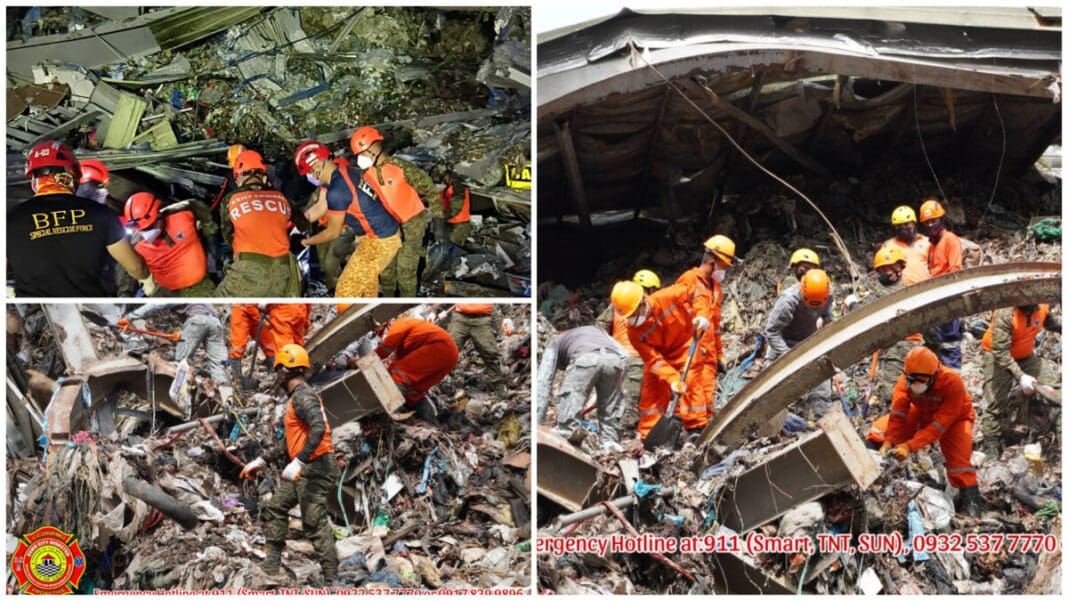
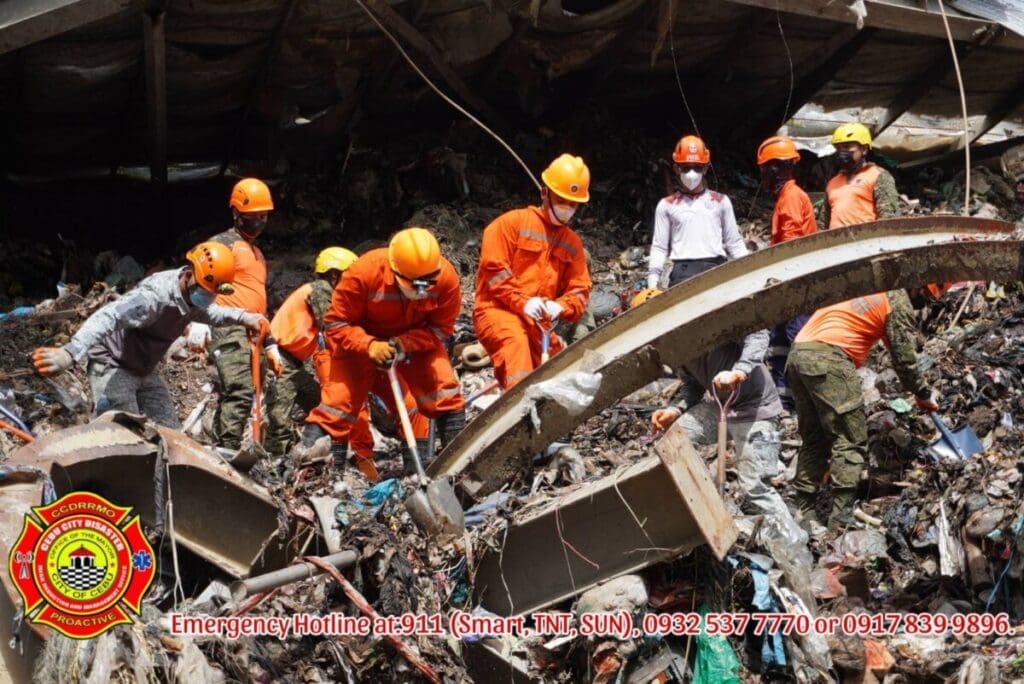
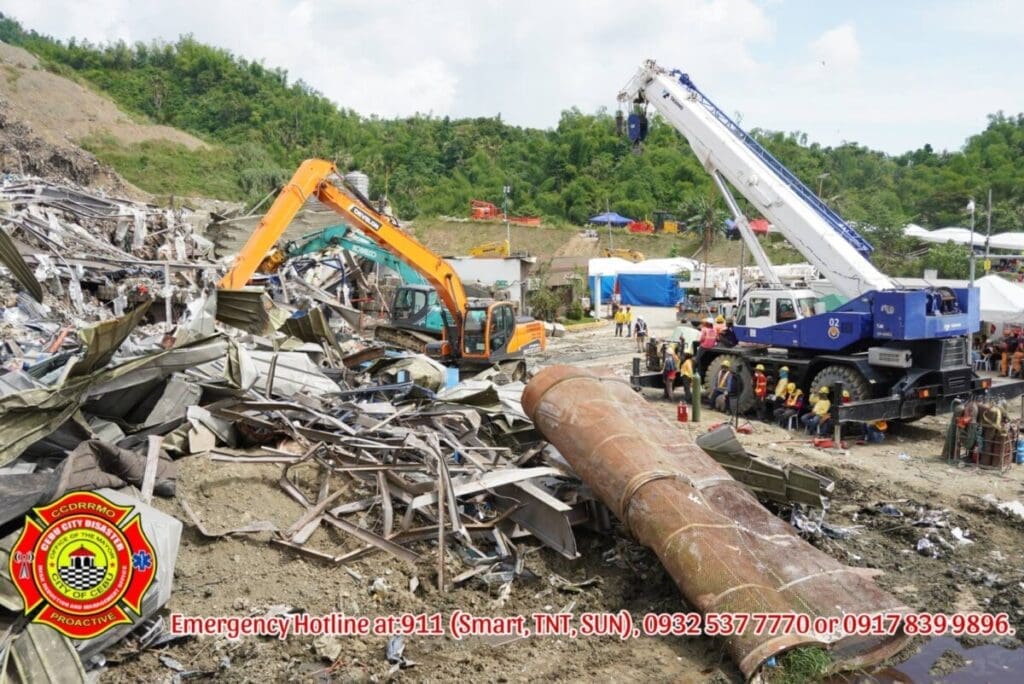
What started as an ordinary afternoon in the mountain barangay of Binaliw turned into one of Cebu City’s darkest environmental disasters. Past 4 p.m. on January 8, a section of the landfill collapsed, forcing an abrupt halt to dumping operations. Beneath the rubble, lives were lost and a long-standing problem finally surfaced.
Waste With Nowhere To Go
The collapse instantly paralyzed Cebu City’s waste collection system, leaving garbage trucks stranded and neighborhoods piling up trash. Around 500 to 600 tons of waste are generated daily, a volume the city could no longer absorb. Residents were urged to temporarily keep their trash indoors as authorities searched for answers.
Beyond City Limits
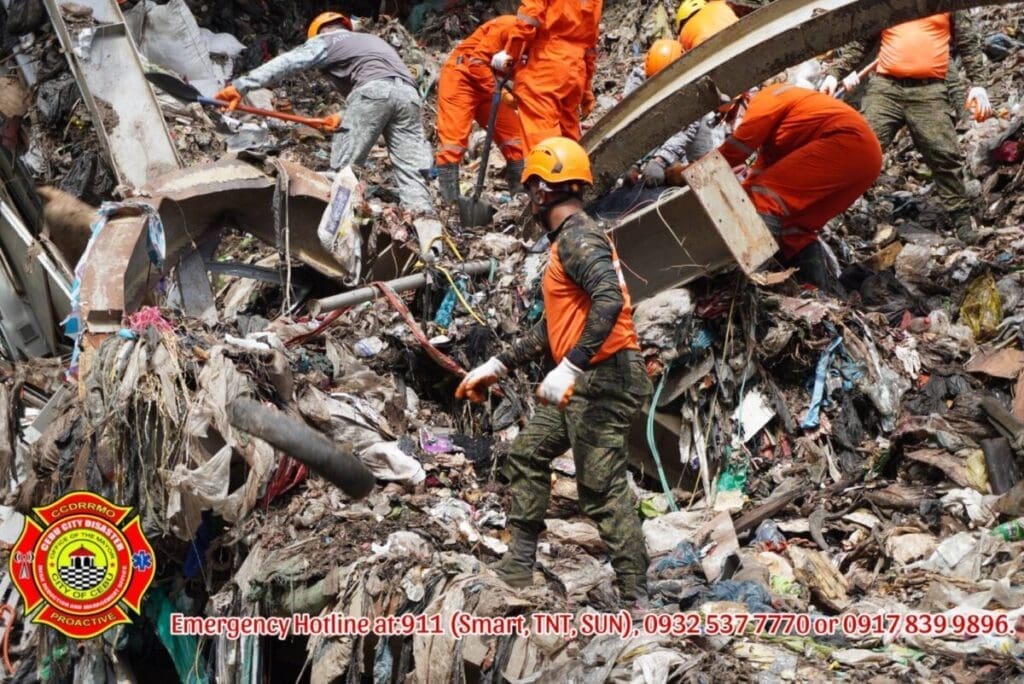
The effects quickly spilled into neighboring cities that also relied on the Binaliw landfill. Mandaue City suspended garbage collection and entered talks with provincial officials for a shared solution. Lapu-Lapu City was also affected, highlighting how deeply interconnected waste systems have become in Metro Cebu.
Race For Temporary Relief
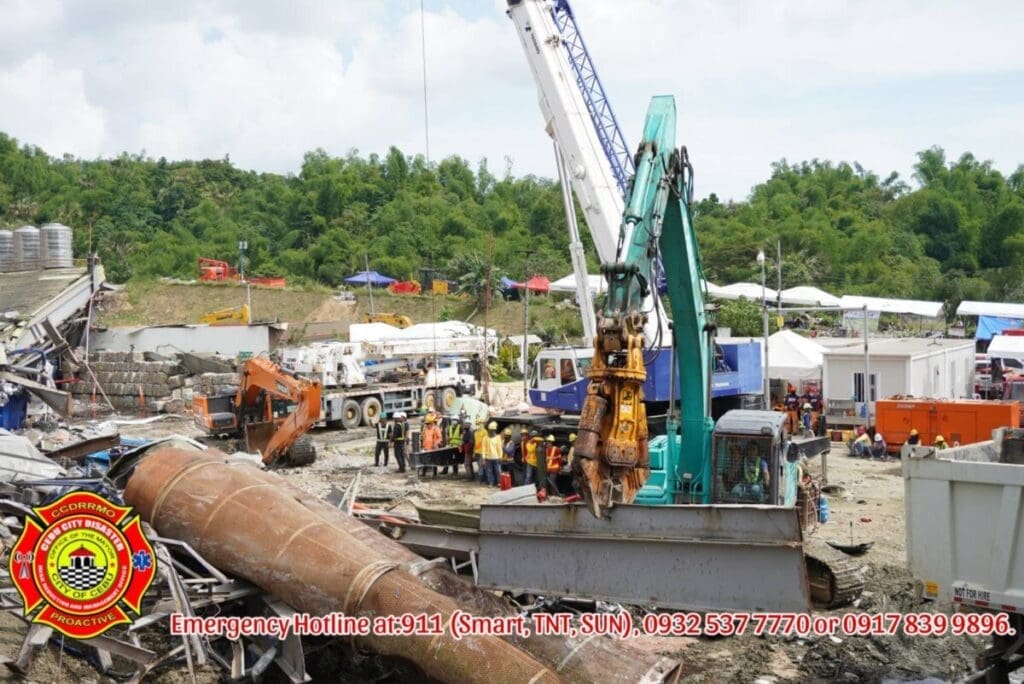
Cebu City formally sought help from DENR Region 7 to negotiate emergency dumping arrangements. A short-term plan proposed sending waste to other landfills in Consolacion and Minglanilla for 15 days. Approval depended on host local governments and the issuance of special permits.
A Brief Opening
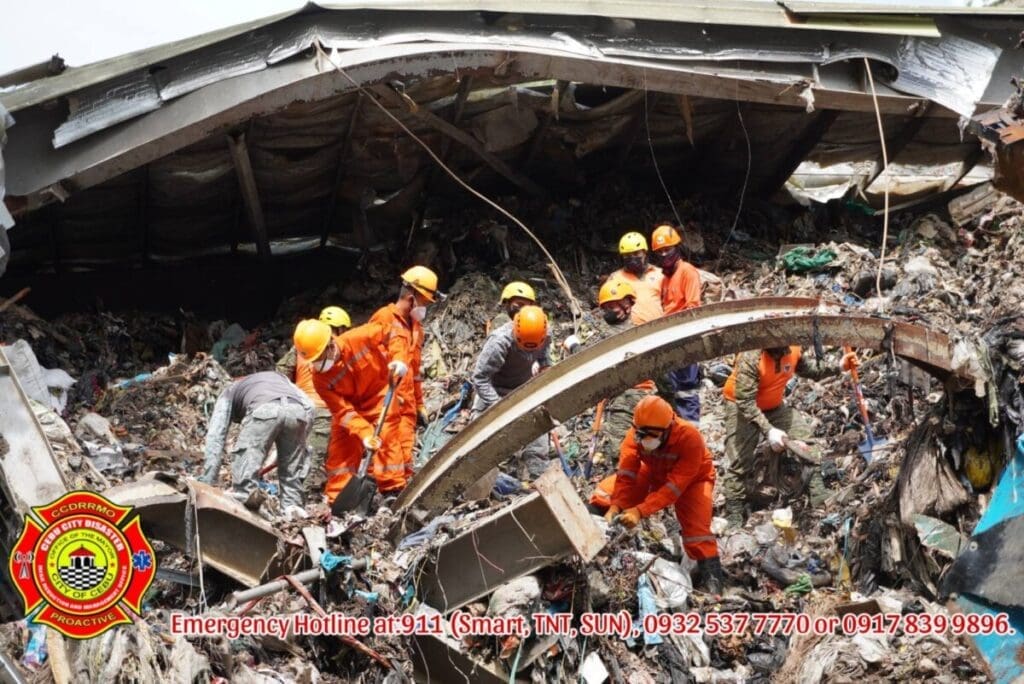
By January 10, the city gained a temporary lifeline. Garbage disposal resumed at the Asian Energy Base in Barangay Pulog, Consolacion, following clearance from regulators. The move eased four days of mounting waste but did not erase deeper concerns.
Human Cost of Negligence
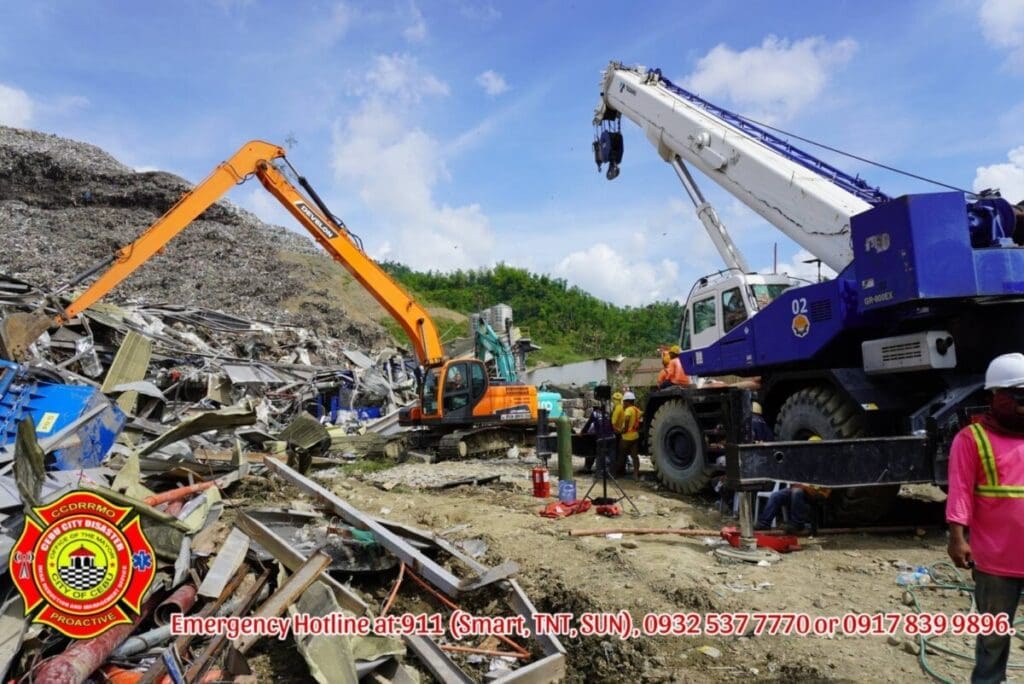
While trucks rolled again, search and rescue teams continued working around the clock in Binaliw. Four deaths were confirmed, with dozens reported missing as operations shifted from rescue to retrieval. The tragedy underscored the real human cost behind waste mismanagement.
Resistance From Minglanilla
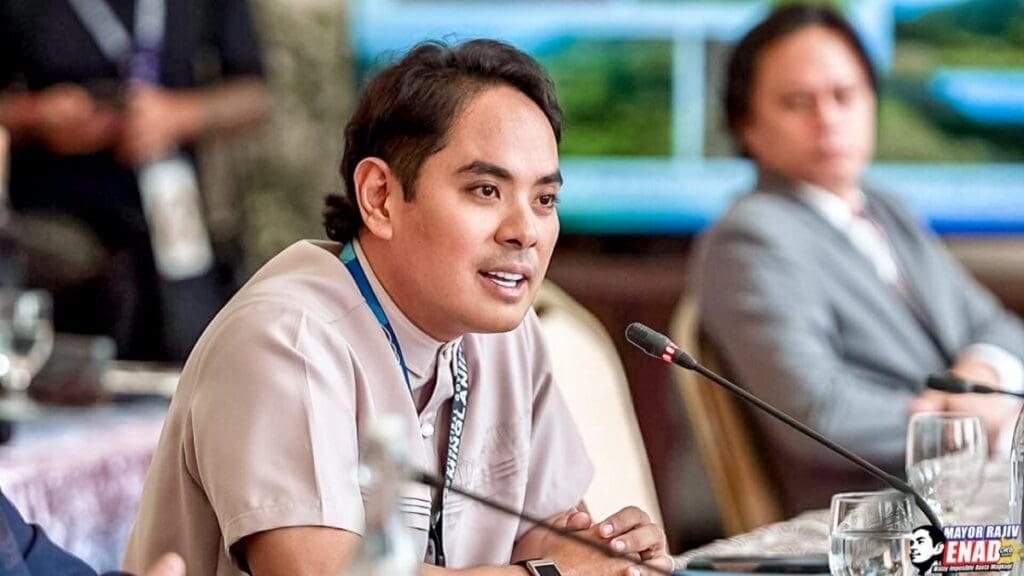
Not all proposed solutions found support. Minglanilla firmly rejected accepting Cebu City’s garbage, citing environmental risks and strong opposition from residents. Local leaders pointed to lingering pollution from a previously closed landfill as proof of long-term damage.
Broken System Exposed
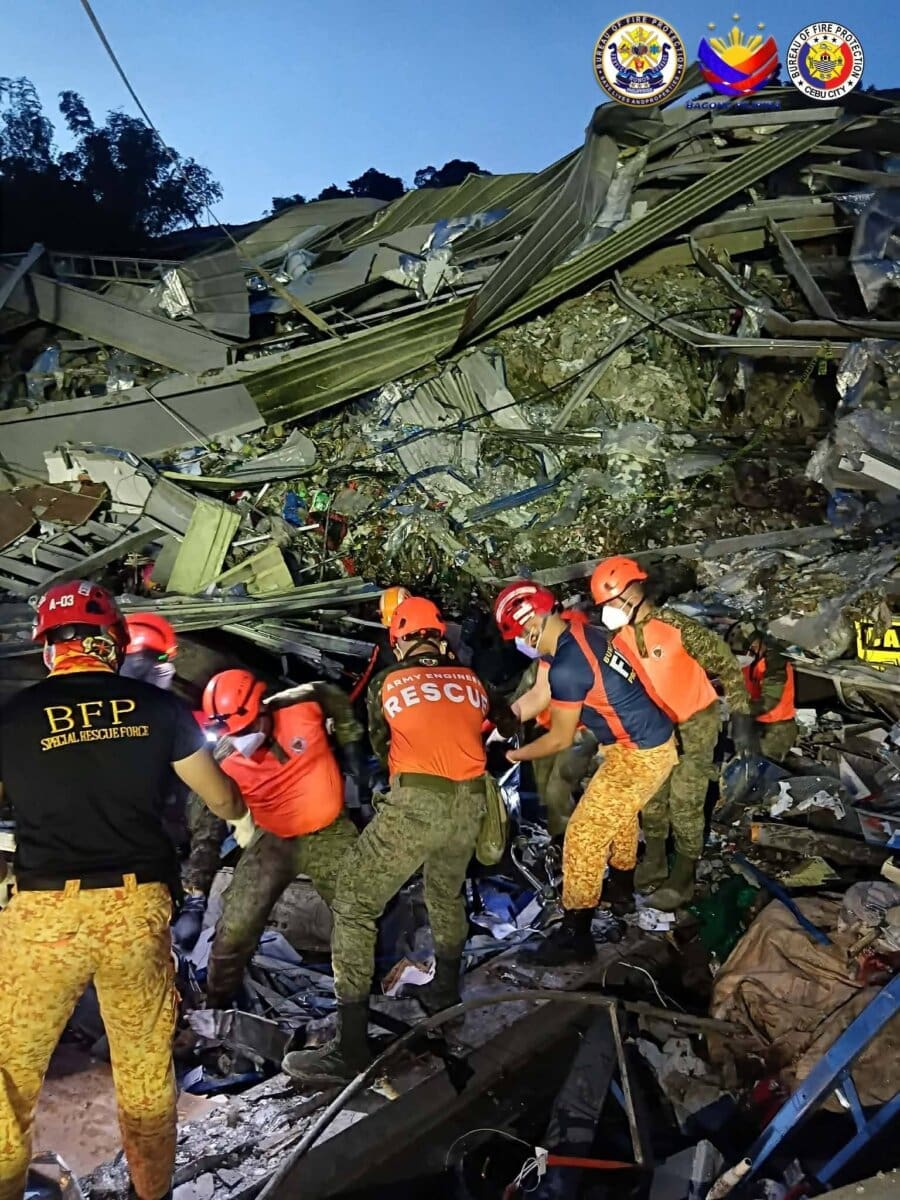
Environmental groups drew parallels between Binaliw and the Payatas tragedy decades ago. They blamed excessive residual waste, single-use plastics, and weak enforcement of the Ecological Solid Waste Management Act. The collapse was seen less as an accident and more as a warning.
Looking Inward
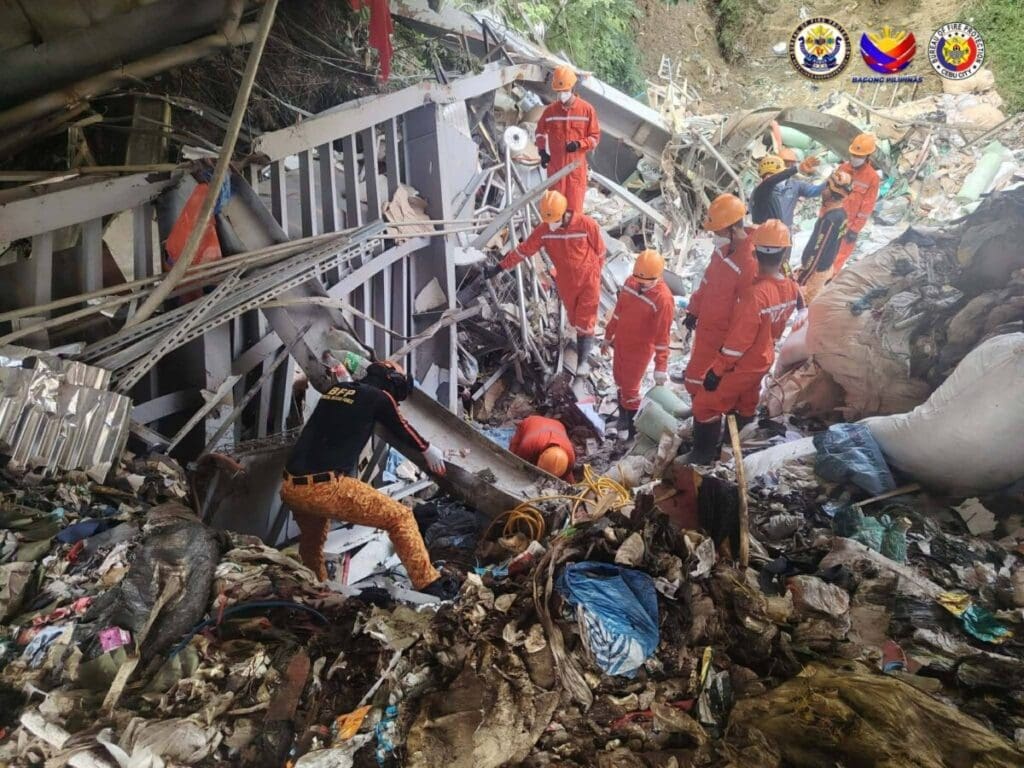
City officials began exploring internal measures to reduce dependence on landfills. Plans include stricter waste segregation and diverting up to 300 tons of biodegradable waste daily. Transfer stations in Inayawan or the South Road Properties were floated as possible stop-gap facilities.
A Test of Cooperation
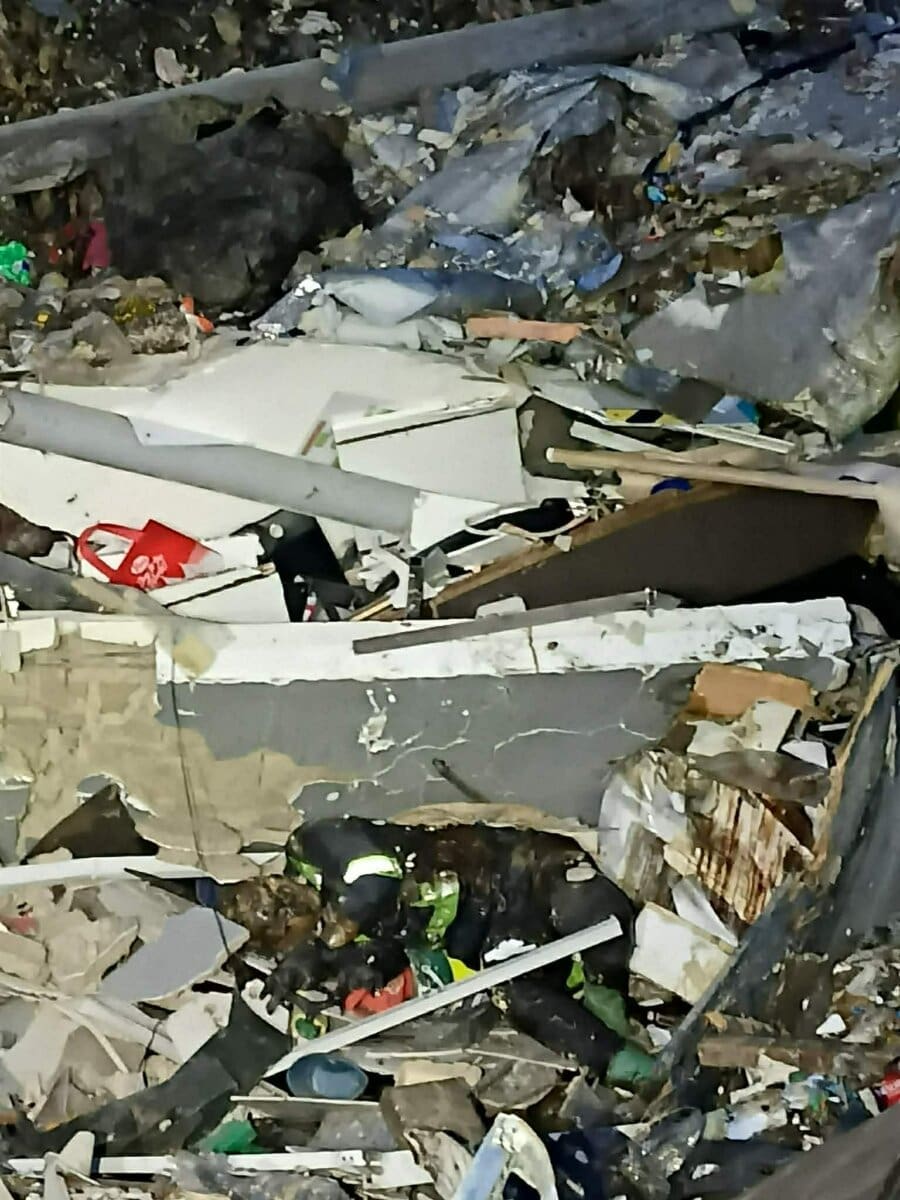
Meetings between national, provincial, and local officials revealed how fragile inter-LGU cooperation can be during crises. DENR identified five alternative landfills, but each option came with political and environmental hurdles. Trust and compromise emerged as scarce resources.
The Temporary Dumping Site
Aloguinsan and Toledo City in Cebu Province will temporarily accept Cebu City’s waste. Provincial officials said the San Rafael Sanitary Landfill in Aloguinsan will be the primary site, with Toledo’s dumpsite ready by April. Garbage collection will prioritize affected Capitol properties, with deliveries capped at 100 cubic meters. Binaliw may serve as a transfer point once stabilized.
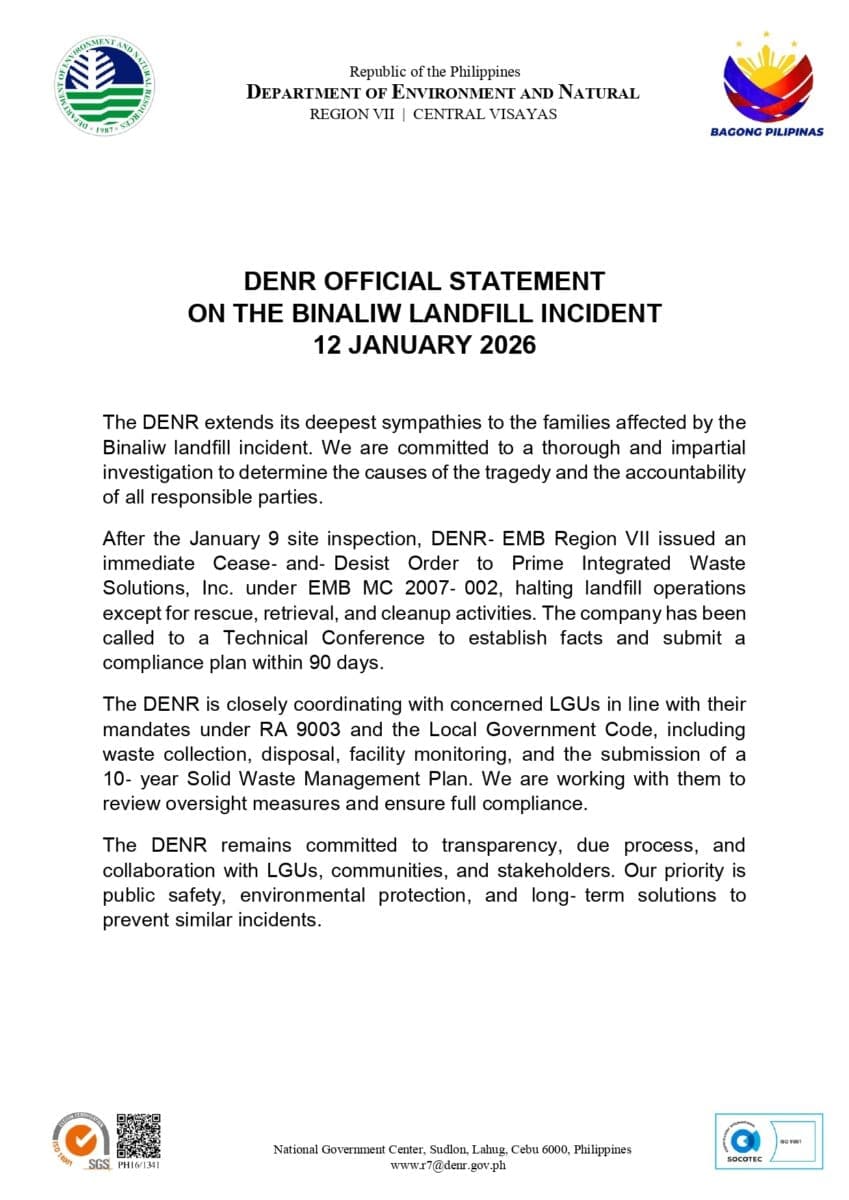
The Department of Environment and Natural Resources (DENR) 7 ordered immediate repairs at Binaliw, including slope stabilization, leachate containment, daily soil covering, and gas management. The facility, which serves Cebu, Mandaue, and Lapu-Lapu, was the site of a tragedy that killed 36 workers and has long faced sanitation complaints. Cebu City declared a state of calamity, and long-term plans include a waste-to-energy facility at San Rafael. DENR continues reviewing landfill compliance nationwide, including notices against operator Piwsi.
Binaliw has forced Cebu City to confront uncomfortable truths about how it handles its waste. Clearing garbage is only the immediate task, while rebuilding systems and accountability remains the real challenge. From the rubble, the city faces a choice between repeating history or finally changing course.