
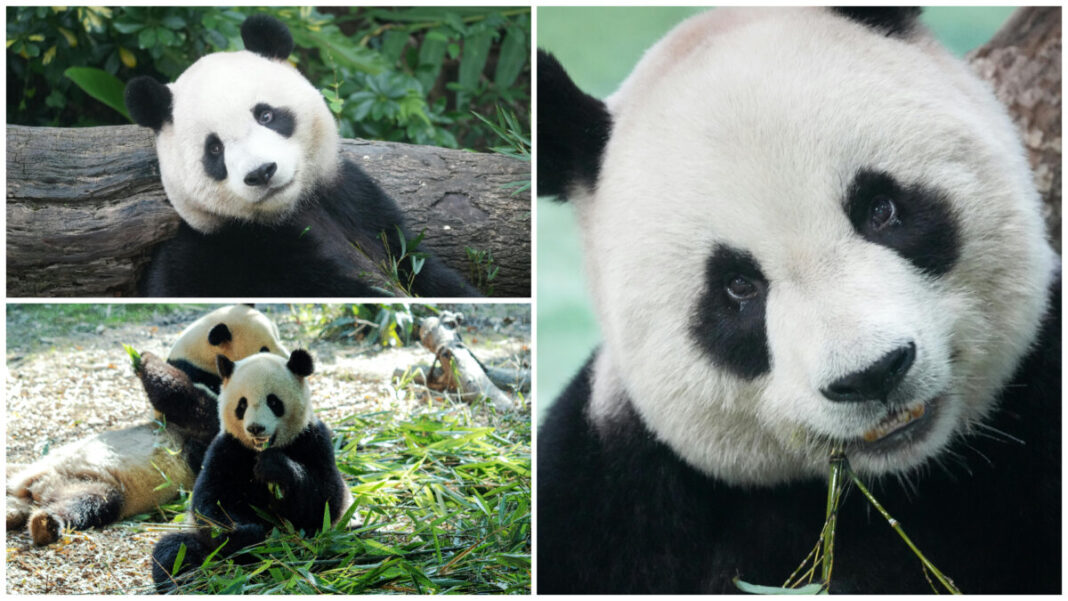
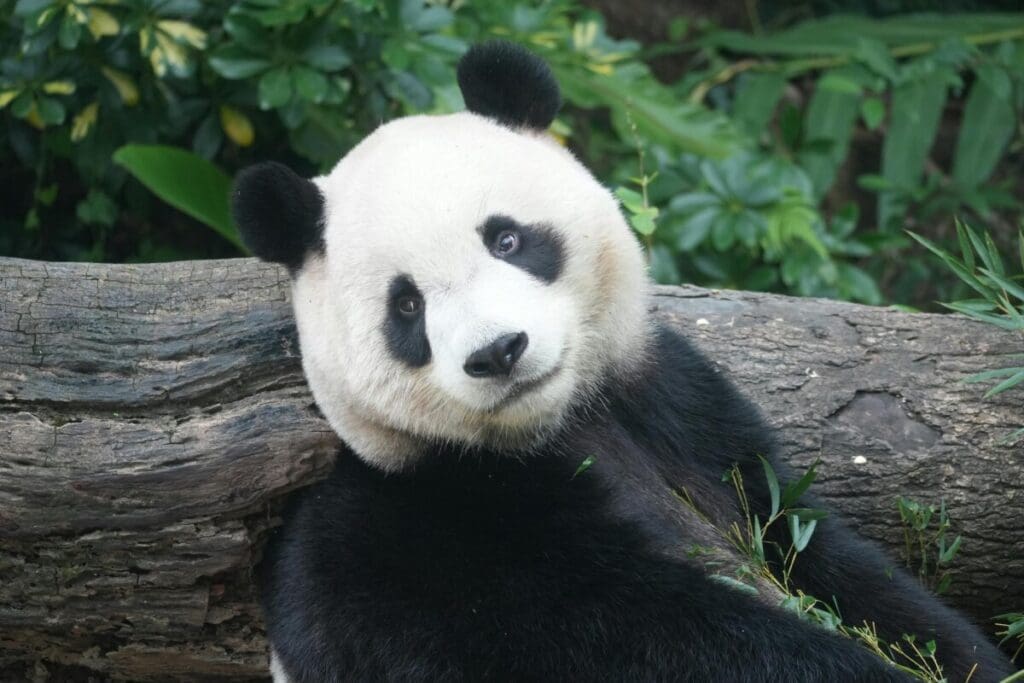
For a long time, the giant panda stood as a reminder of how fragile wildlife can be. Its image was everywhere whenever people talked about animals on the edge of extinction. Now, that familiar black-and-white face tells a more hopeful story.
The International Union for Conservation of Nature moved the giant panda from “Endangered” to “Vulnerable” on its Red List. This change came after years of careful monitoring and conservation work. It reflects real improvement, not a sudden miracle.
What the Numbers Reveal
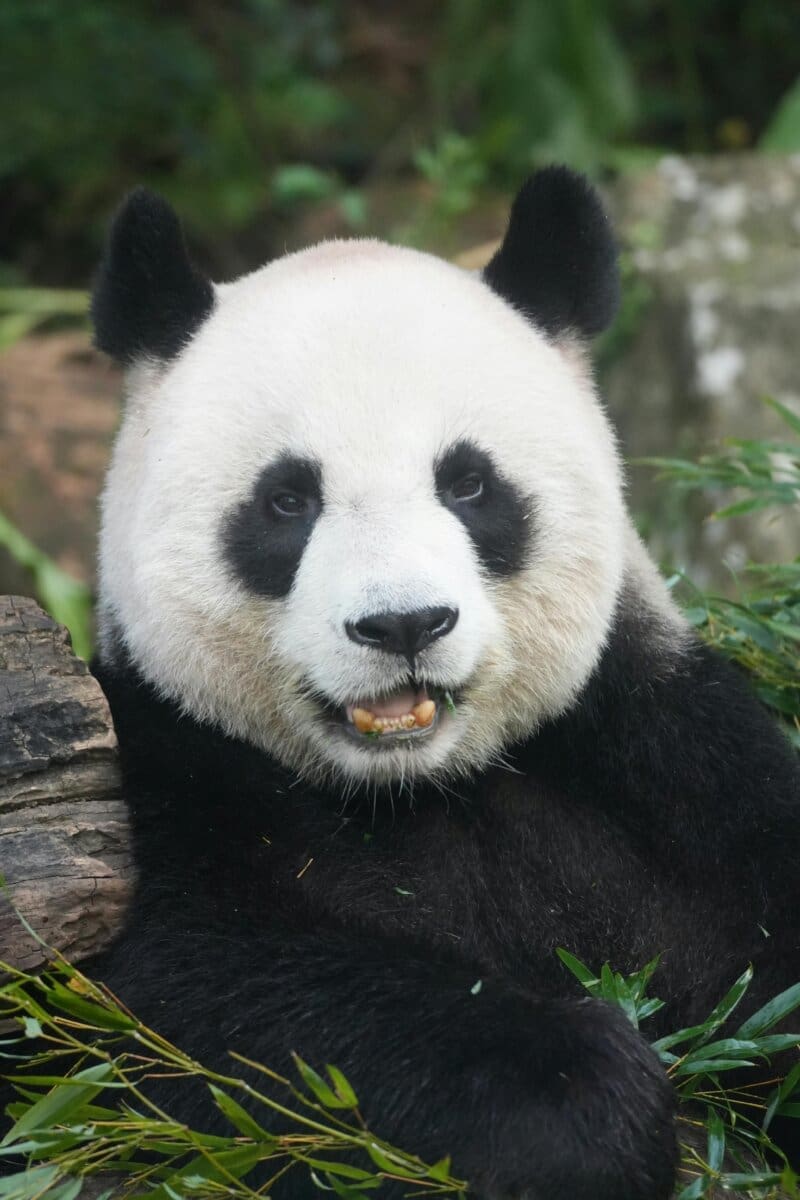
Today, about 1,864 giant pandas live in the wild. That number may sound small, but it represents steady growth compared to past decades. Each increase shows that protection efforts are making a difference.
Protection on the Ground
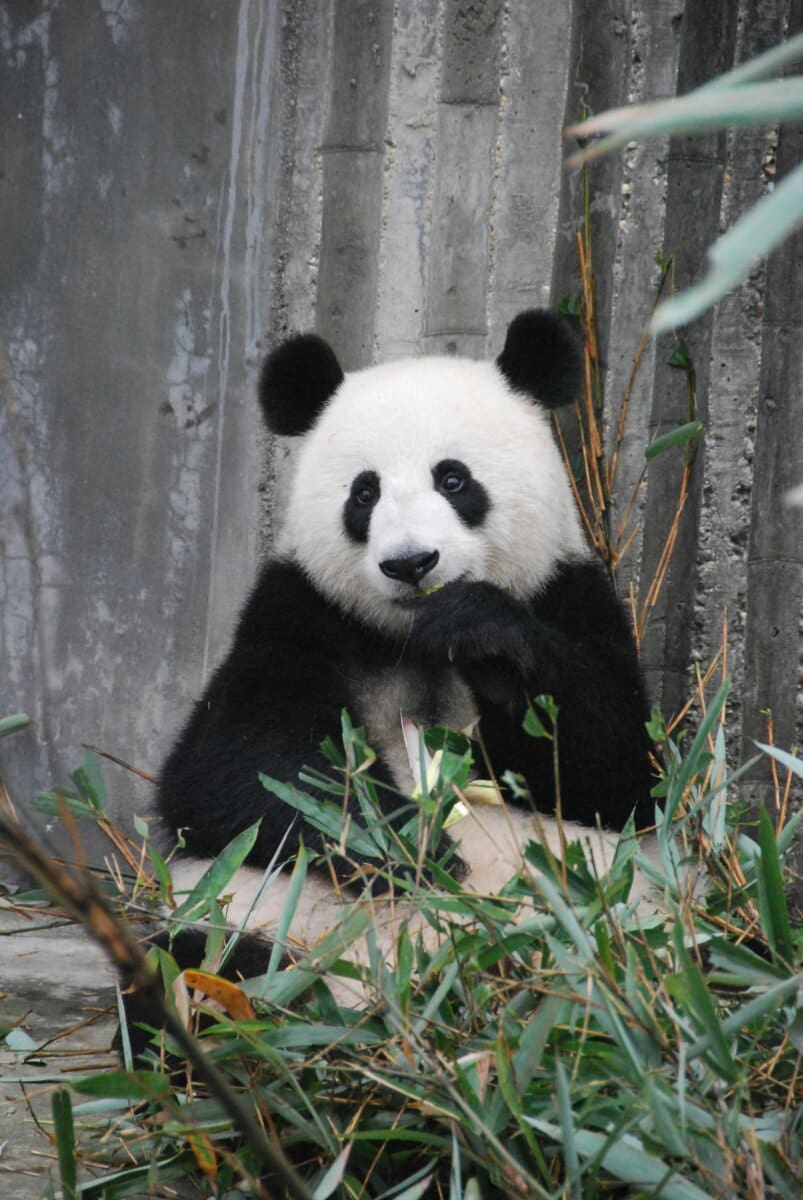
China played a central role in the panda’s recovery. Forest reserves were expanded, habitats were linked, and hunting was tightly controlled. These actions gave pandas more space and safer places to live.
Life Depends on Bamboo
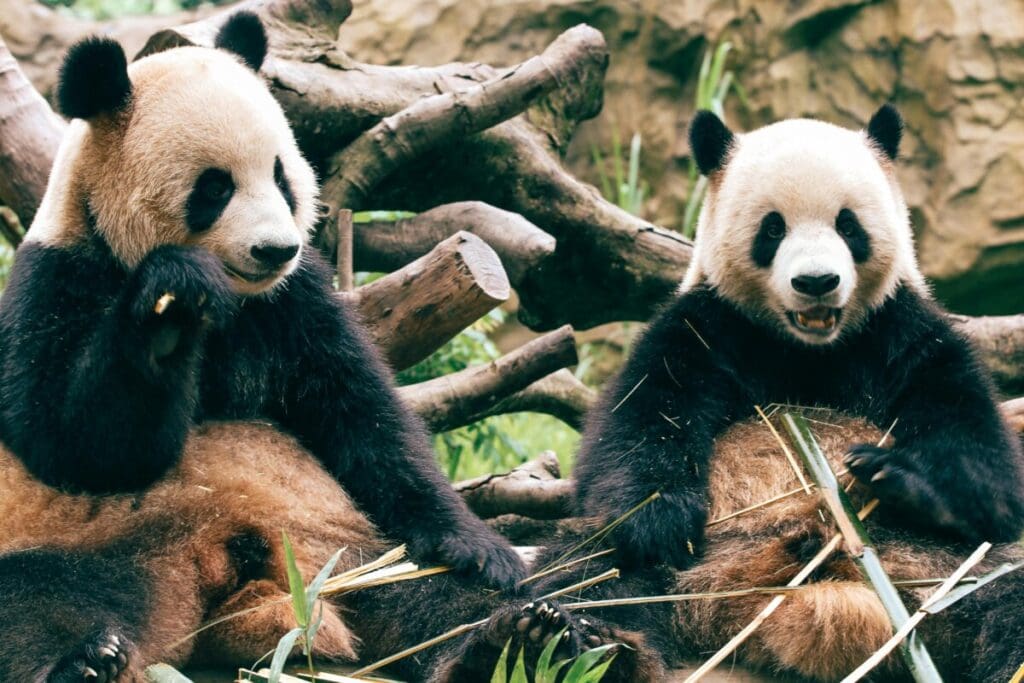
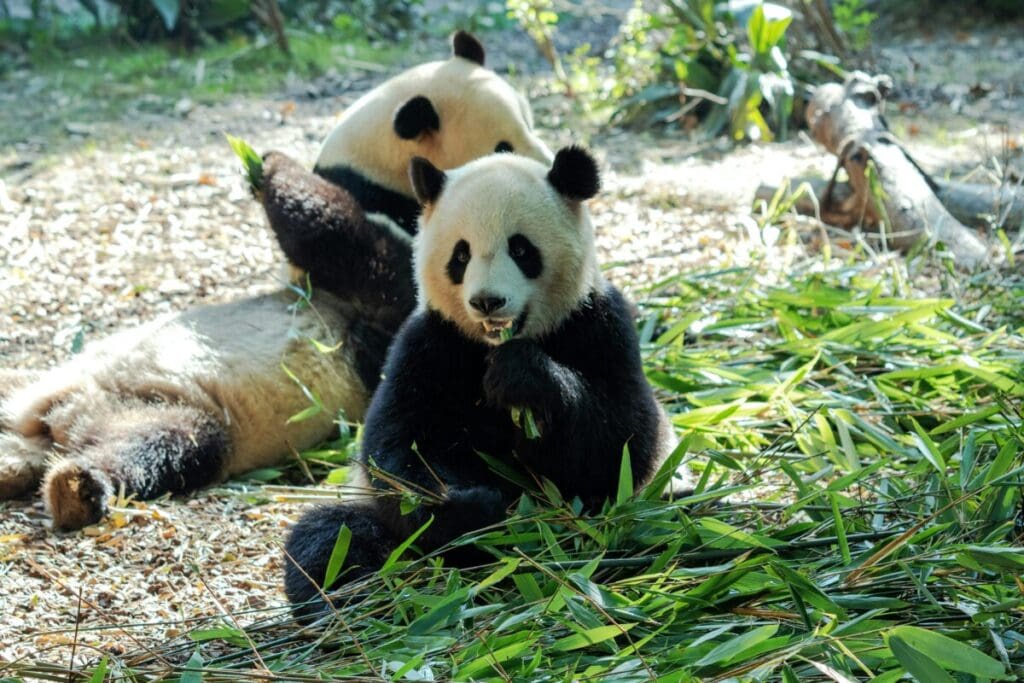
A panda’s life revolves around bamboo, which it eats for most of the day. When forests were cut by roads and development, food sources became harder to reach. Preserving large bamboo areas remains critical to their survival.
Being listed as vulnerable does not mean pandas are safe for good. Climate change, construction, and habitat loss continue to threaten bamboo forests. Without constant protection, progress could easily be undone.
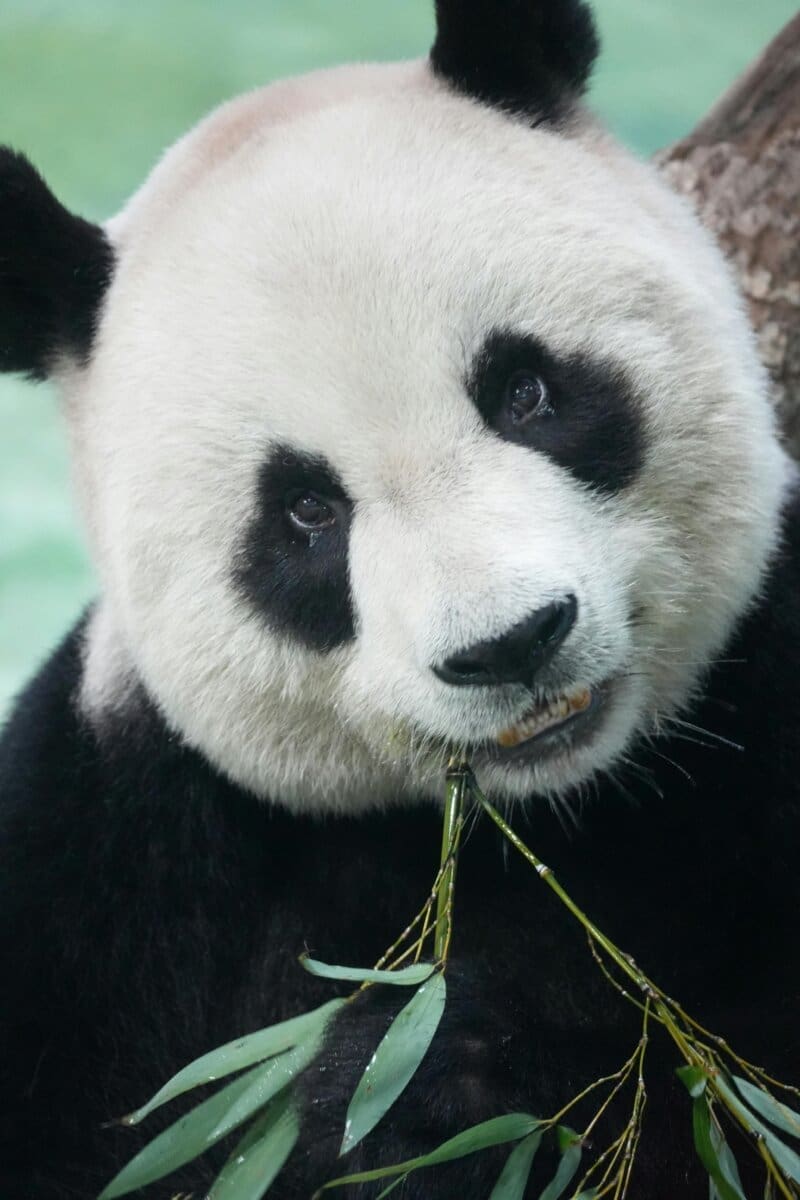
A Message Beyond Pandas
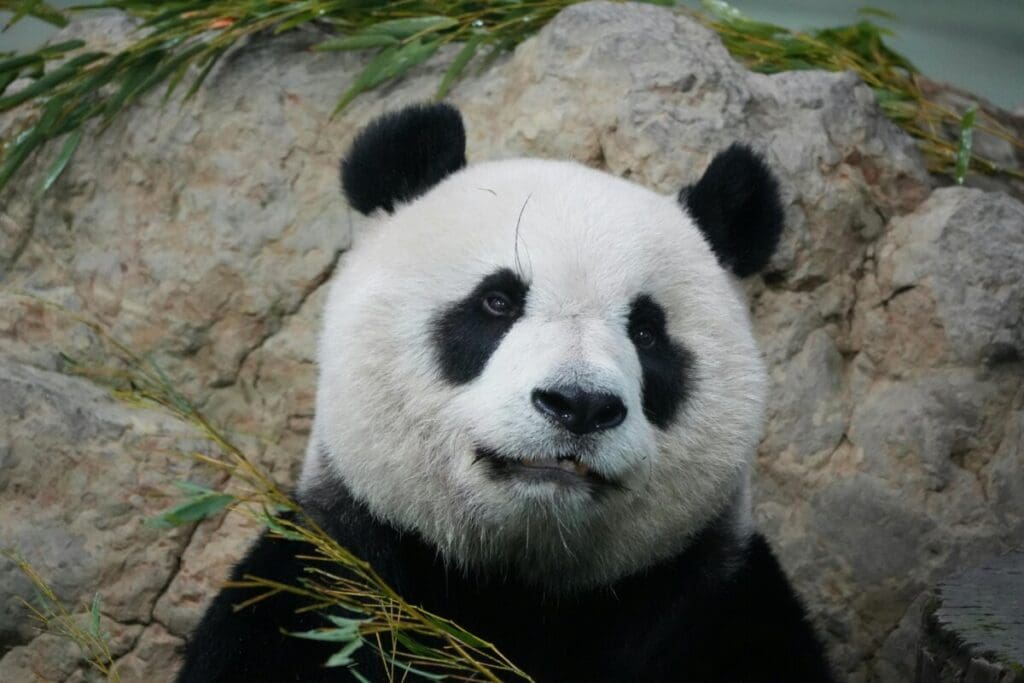
The panda’s story offers hope for other endangered species around the world. It proves that long-term commitment can bring animals back from the edge. At the same time, it reminds us that nature needs care every single day.