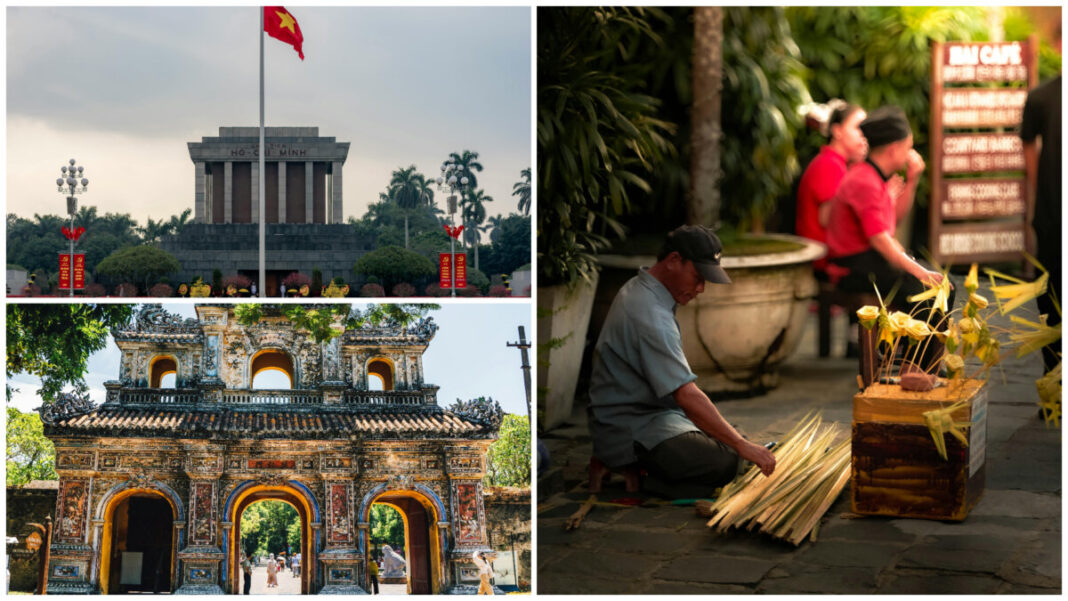
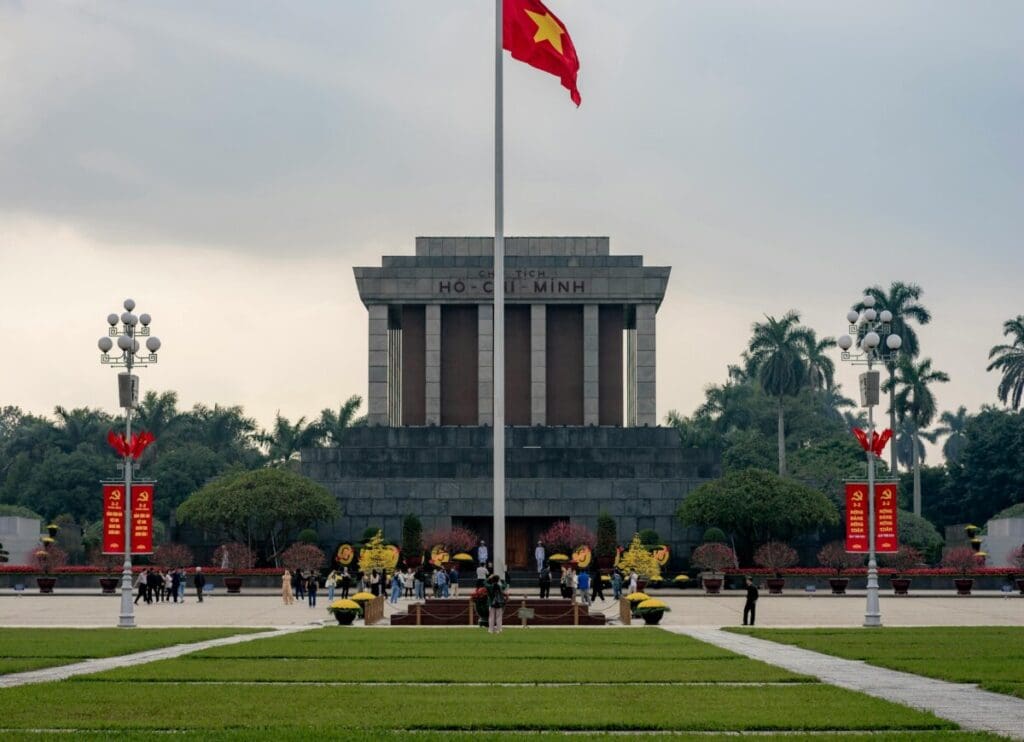
Travel in Vietnam feels energetic, and refreshingly real from the moment you arrive. Streets murmuring with scooters, market chatter fills the air, and life moves at its own unpredictable pace. It is less polished than some neighboring countries, but that very edge is what makes Vietnam memorable. There is a sense of authenticity that reveals itself gradually, rewarding travelers who observe, ask questions, and step into local life rather than rush through it. Reading this guide before traveling will help you set expectations, stay organized, and enjoy a smoother experience. Understanding the rhythm of Vietnam, from chaotic cities to tranquil coastal towns, ensures your journey feels richer and more connected. With preparation and curiosity, Vietnam becomes a place that offers not just sights but lasting memories.
A Country That Welcomes Bold Travelers
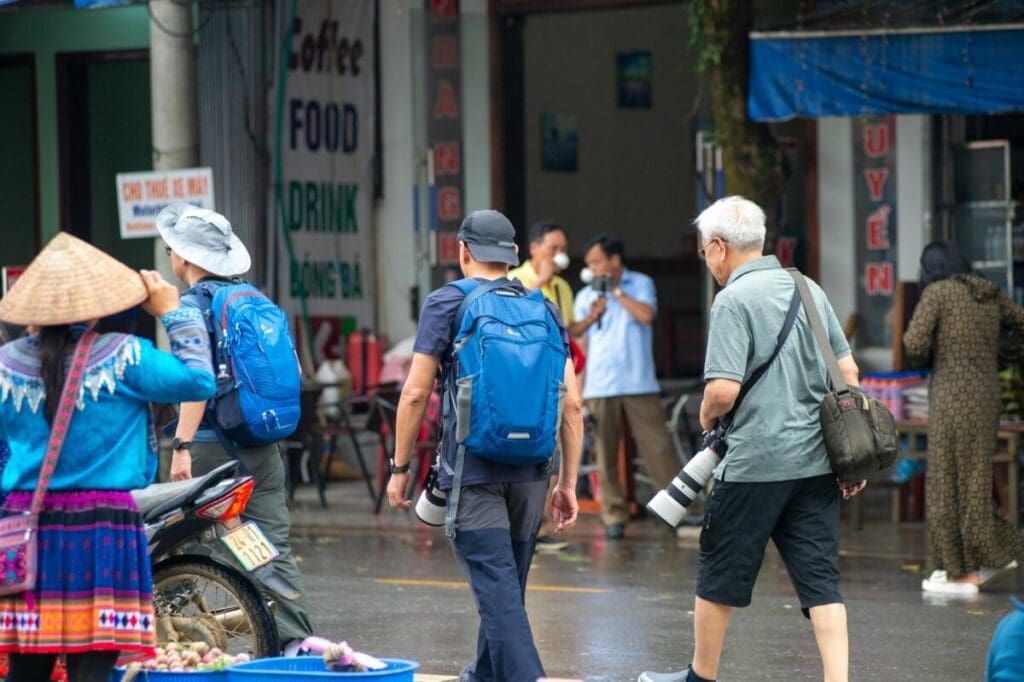
Vietnam is widely regarded as safe for visitors, including those traveling alone. Petty theft exists, as in any country, but violent crime involving tourists is rare. Locals tend to be polite and willing to help, even if language barriers exist. This friendliness, paired with a budget-friendly environment, makes Vietnam accessible to a wide range of travelers.
For those willing to step outside their comfort zones, the country rewards curiosity and initiative. Whether navigating street markets, hopping on a motorbike, or learning a few Vietnamese phrases, small acts of engagement can lead to unexpected experiences. In Vietnam, a sense of adventure comes naturally once you start moving with the local rhythm.
North, South, and Everything Between
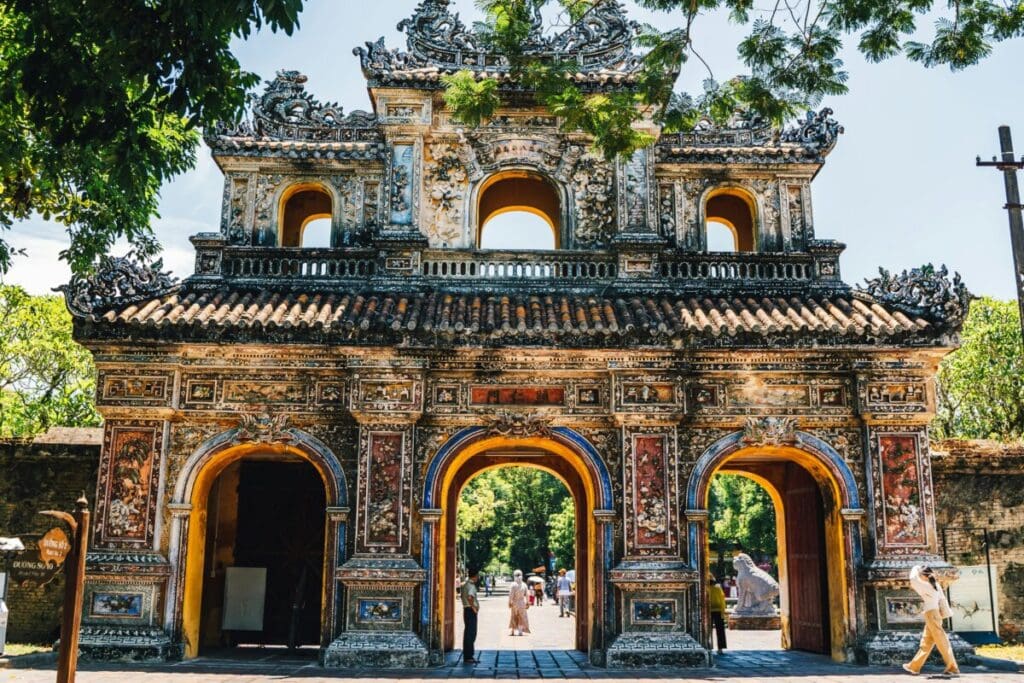
Vietnam is diverse in both landscape and culture, with each region offering a distinct personality. Northern cities like Hanoi and Ha Long Bay feel historic, intense, and full of heritage. In contrast, central and southern regions, including Hoi An and Ho Chi Minh City, offer a more laid-back, sun-soaked vibe that blends modernity with tradition.
Traveling through multiple regions adds richness to your itinerary. Differences in cuisine, architecture, and daily routines are noticeable, even within a few hours of travel. Seeing the country in layers helps visitors appreciate the contrasts and understand the subtleties that define Vietnam beyond guidebook photos.
Getting Around Without the Stress
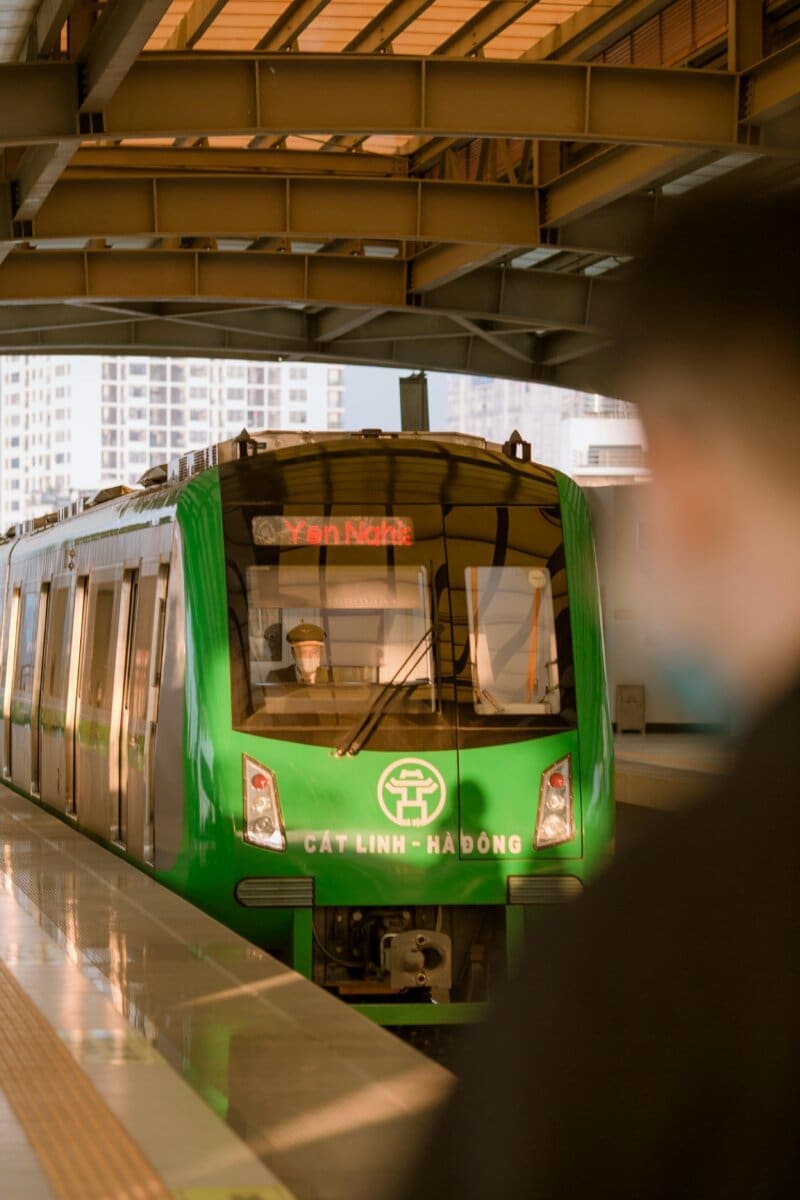
Vietnam’s transport system may appear chaotic at first, but it’s surprisingly simple once you understand it. Trains connect major cities along the coast, offering scenic routes and overnight options. Buses reach smaller towns and rural areas, while domestic flights save time on longer journeys.
City transportation is equally manageable. Motorbikes dominate the streets, but taxis and ride-hailing apps like Grab provide safer, convenient alternatives for those new to traffic patterns. Booking tickets locally is often cheaper and more flexible than online, giving travelers the freedom to adapt plans on the fly.
Cities That Never Slow Down
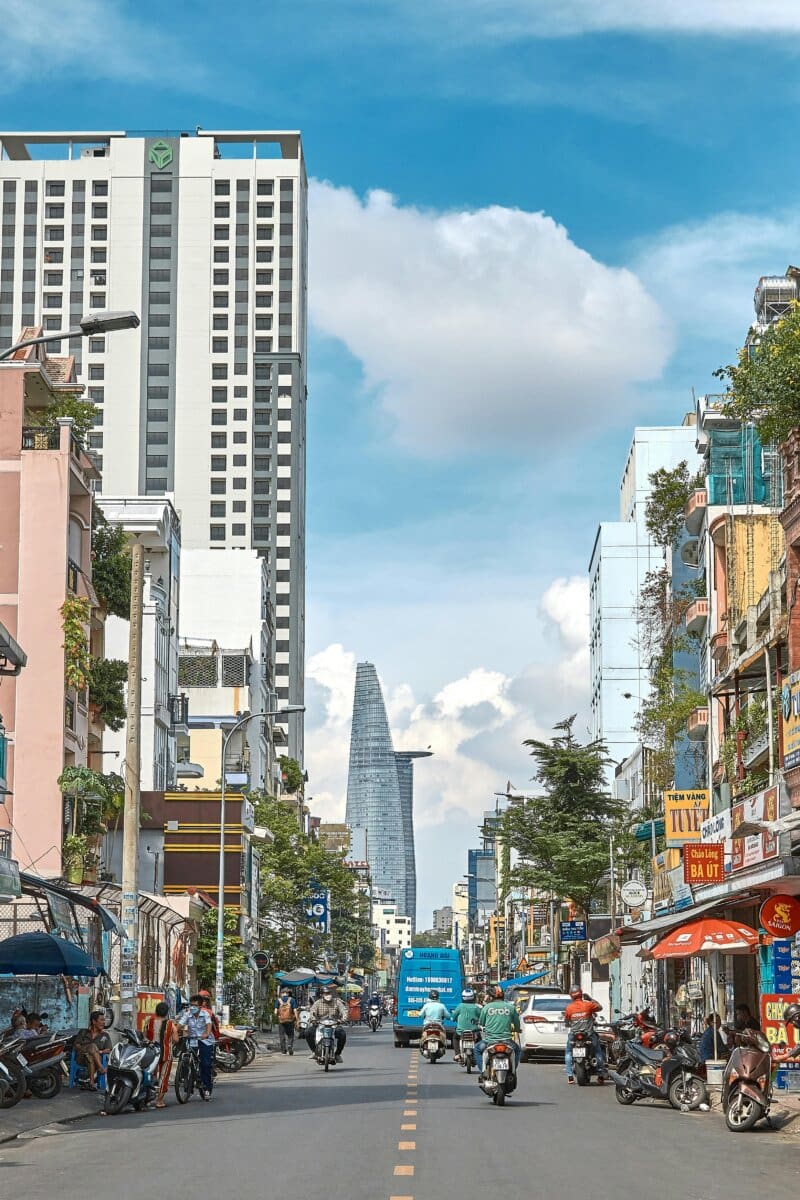
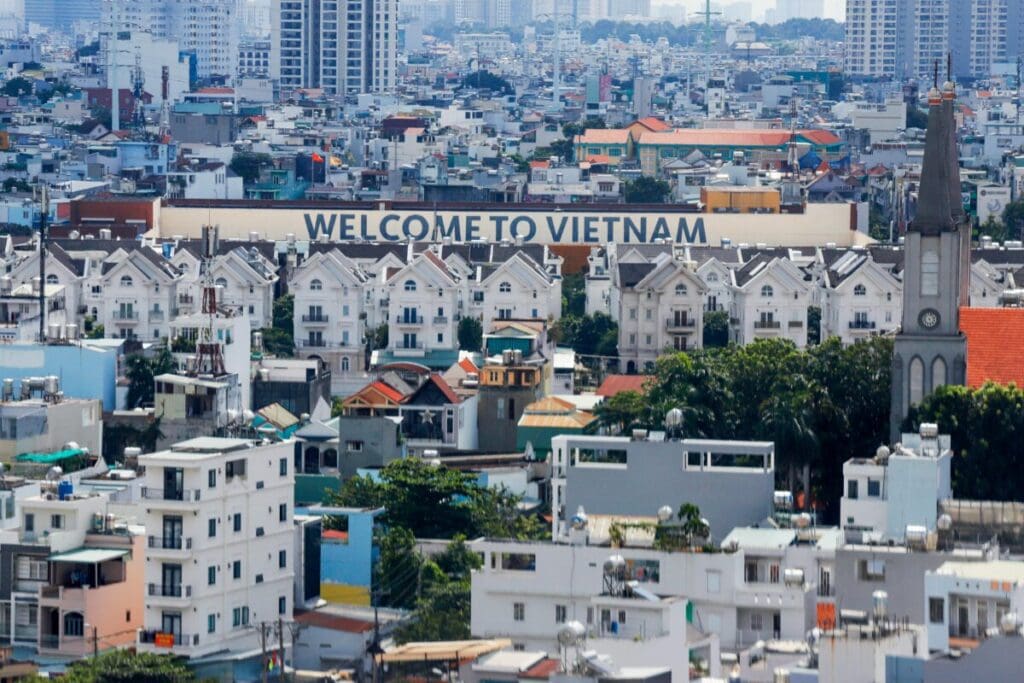
Urban Vietnam is energetic, crowded, and full of movement. Scooters fill the streets, street vendors line the sidewalks, and traffic flows more by instinct than rules. Navigating these cities can feel overwhelming at first, but learning to move with the flow turns it into an exciting challenge rather than a source of stress.
City life also offers endless opportunities for cultural immersion. From morning markets to bustling night bazaars, from historic temples to modern cafés, urban centers provide a glimpse into the daily life of locals. Observing and participating in these routines reveals Vietnam’s unique balance between tradition and modernity.
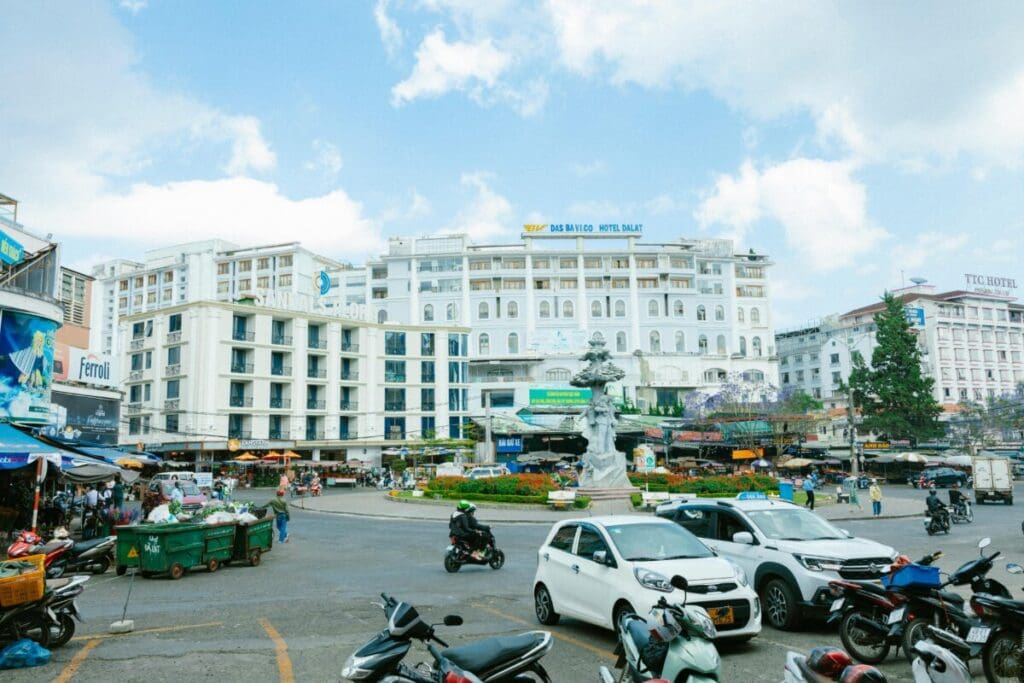
Smaller Towns, Slower Days
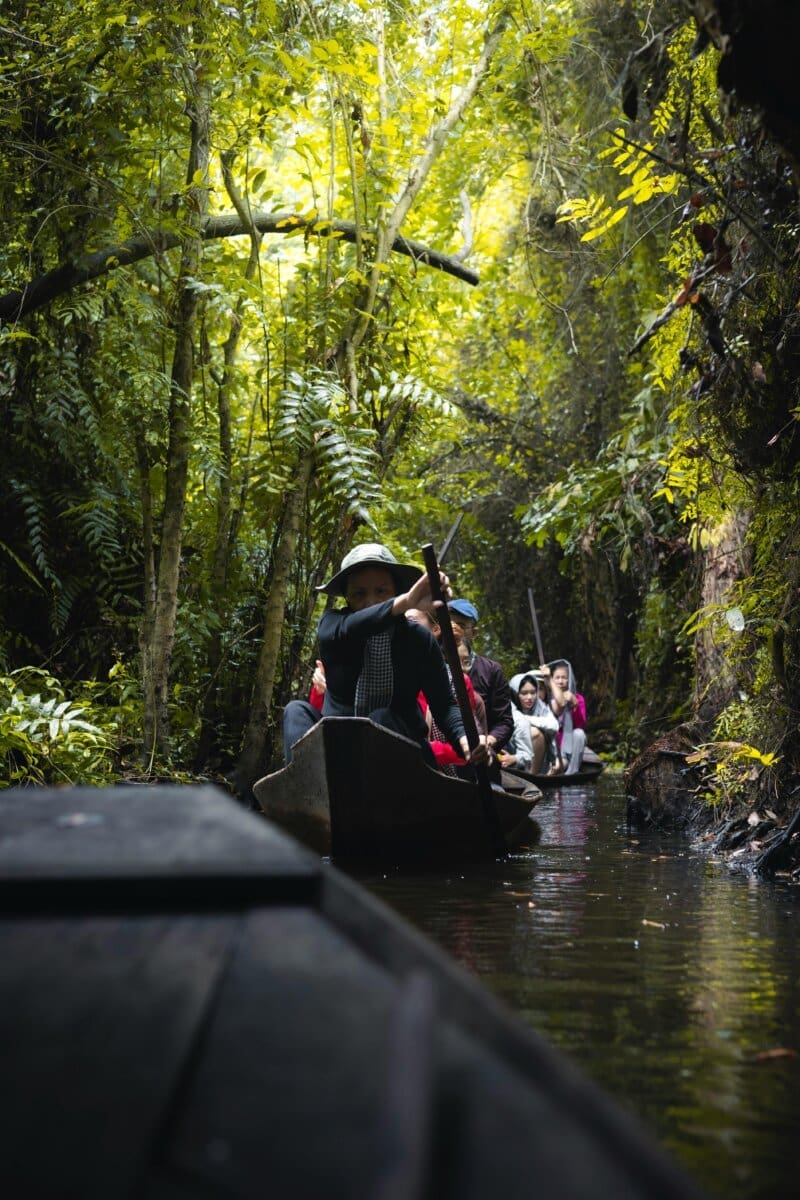
Stepping away from big cities reveals a quieter, slower side of Vietnam. Coastal towns and mountain villages offer space to breathe, enjoy nature, and experience a more relaxed daily pace. Mornings are calm, evenings are serene, and interactions with locals feel more personal.
Spending longer in fewer places allows travelers to connect more deeply with the environment and community. Rather than rushing from one attraction to another, taking time to walk streets, visit local markets, or simply enjoy the scenery creates richer memories and a sense of belonging that larger cities rarely provide.
Food as a Daily Adventure
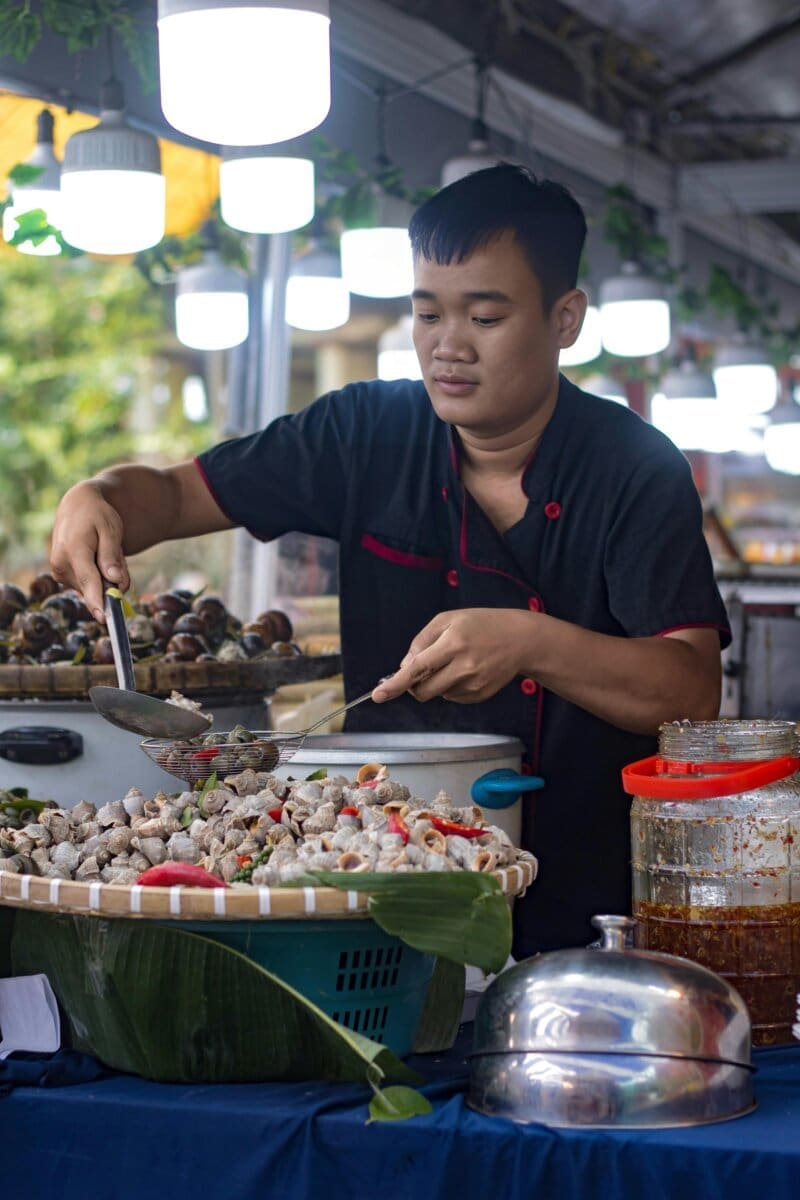
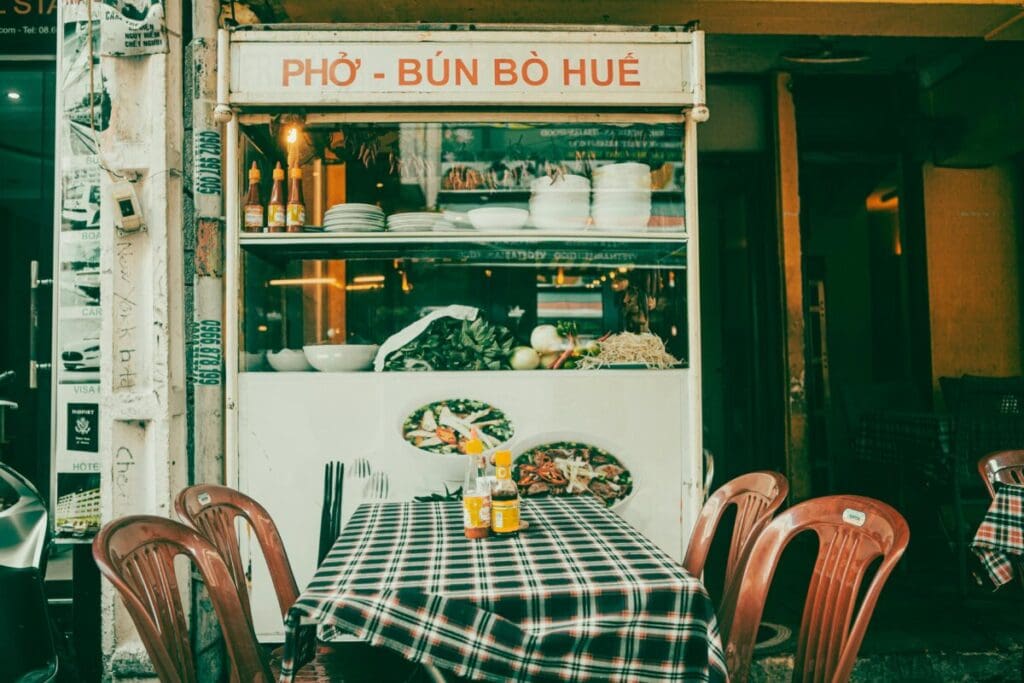
Vietnamese cuisine is a journey in itself, with deep regional diversity and flavors that reflect local ingredients. Northern dishes tend to be subtle and savory, central cuisine balances sweet, sour, and spicy, while southern meals often favor freshness and herbs. Street stalls and small cafés frequently serve the most authentic meals.
Eating locally is one of the easiest ways to connect with everyday life. Morning noodle soups, afternoon bánh mì sandwiches, and evening grilled delicacies offer insight into culture, history, and lifestyle. Trying new foods encourages conversation, curiosity, and an adventurous approach to travel.
Money, Markets, and Manners
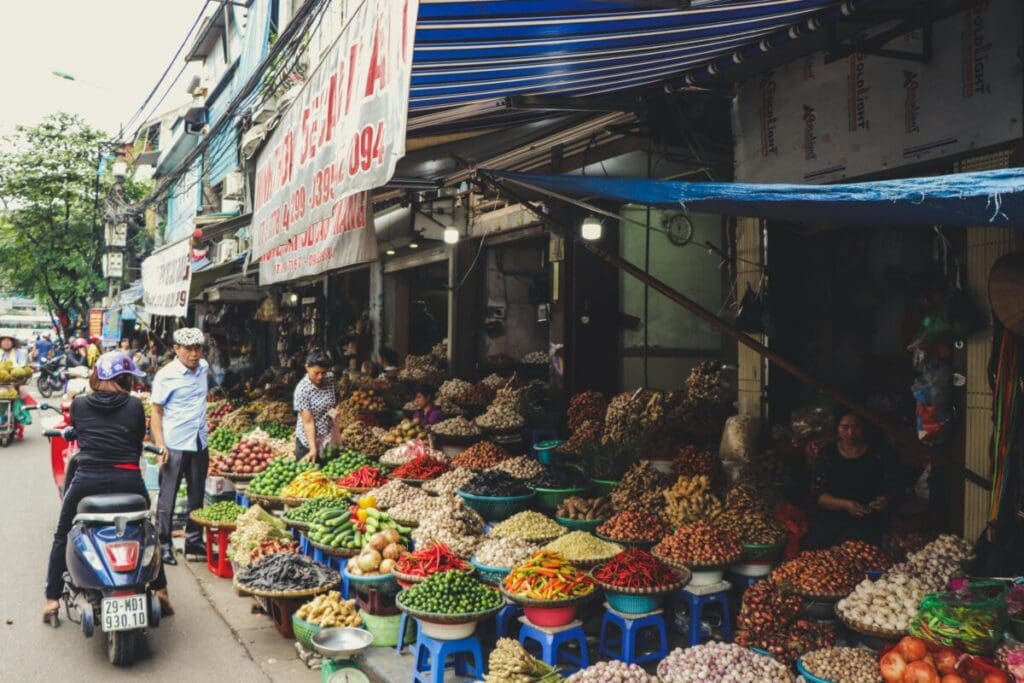
Cash remains essential in much of Vietnam, especially in markets and smaller towns. ATMs exist in cities but can be limited in rural areas. Polite haggling is expected, particularly in tourist areas like Hoi An or Ben Thanh Market in Ho Chi Minh City.
Negotiating respectfully benefits both sides, creating fair transactions and positive interactions. Understanding local customs and showing patience in bargaining adds another layer to the travel experience, turning shopping into a cultural lesson rather than just a transaction.
Water, Weather, and What to Pack
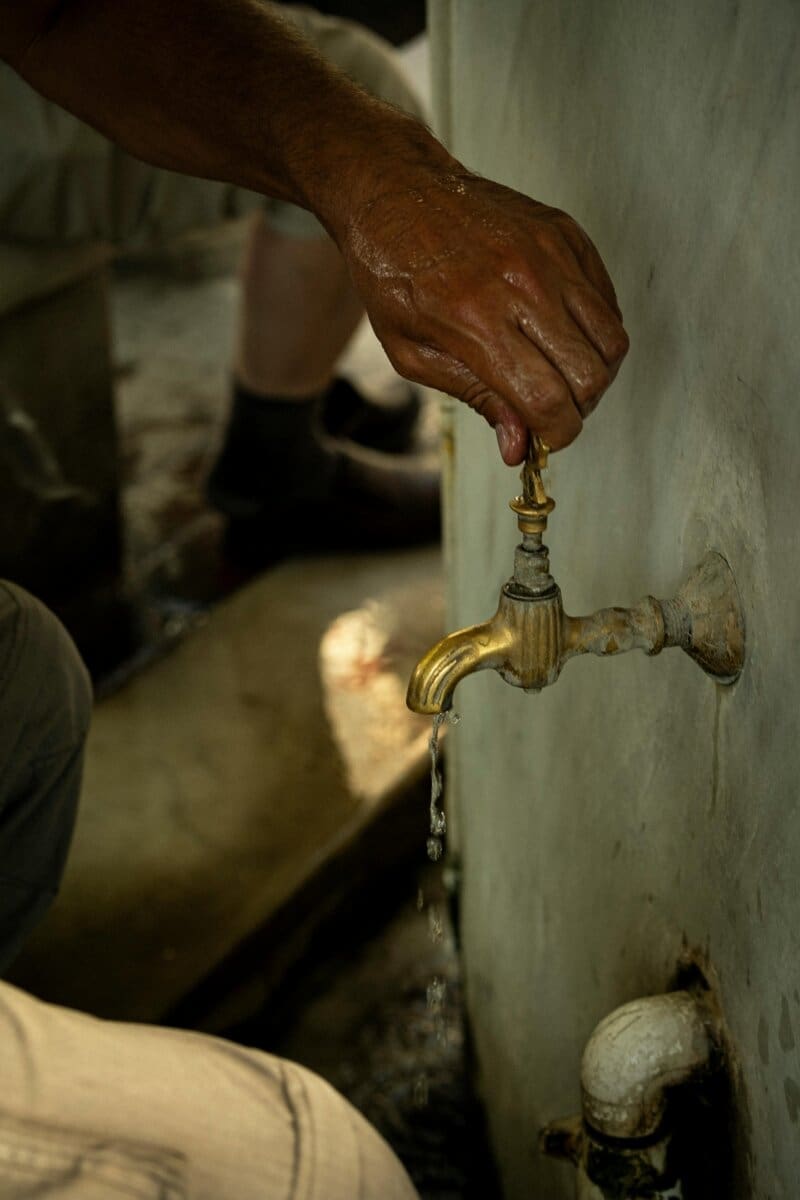
Tap water is unsafe to drink, so bottled or filtered water is standard. Ice should be avoided unless sourced safely. Vietnam’s tropical climate varies by region, so packing layers, light clothing, mosquito repellent, and sun protection is essential. Modest clothing is required for temple visits, making versatile attire a practical choice.
Weather conditions can change quickly, particularly in coastal or mountainous regions. Checking forecasts, bringing rain protection, and planning activities around climate patterns ensures a smoother, more comfortable trip. Thoughtful packing reduces daily stress and allows you to enjoy each moment fully.
Where You Sleep Matters
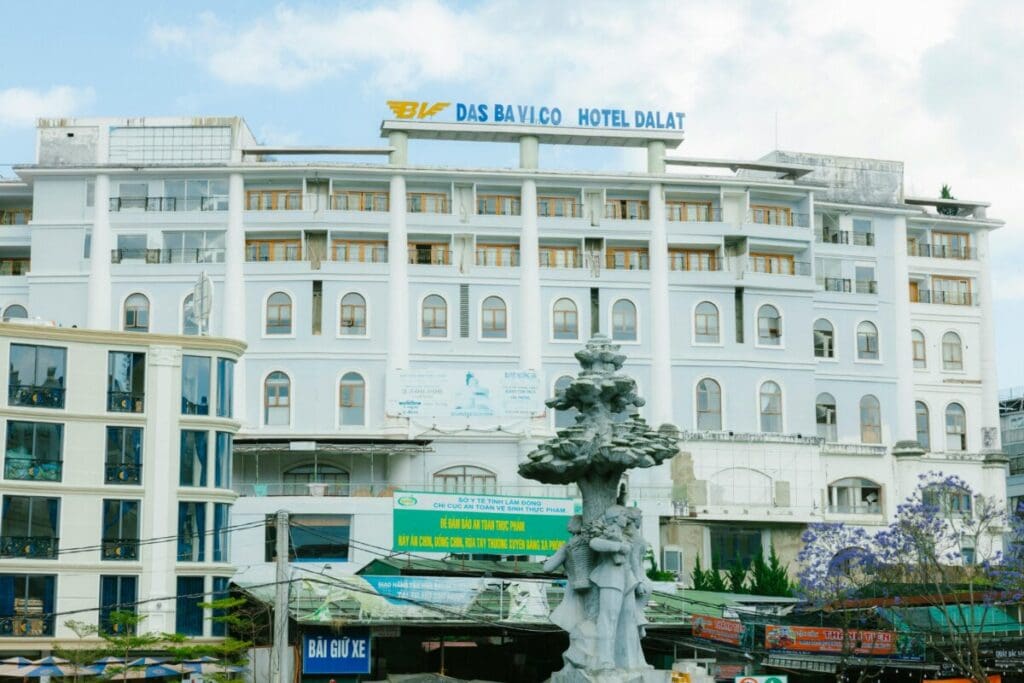
Vietnamese cities rarely sleep, and sound travels easily through thin walls. Accommodation near night markets or bars can be noisy, making rest challenging. Researching options carefully and checking multiple reviews ensures that your lodging matches your expectations.
For longer stays, consider choosing neighborhoods slightly removed from tourist centers. This often provides a quieter experience while still offering easy access to attractions. Choosing accommodation wisely balances convenience with comfort, making daily exploration more enjoyable.
Digital Shortcuts That Help
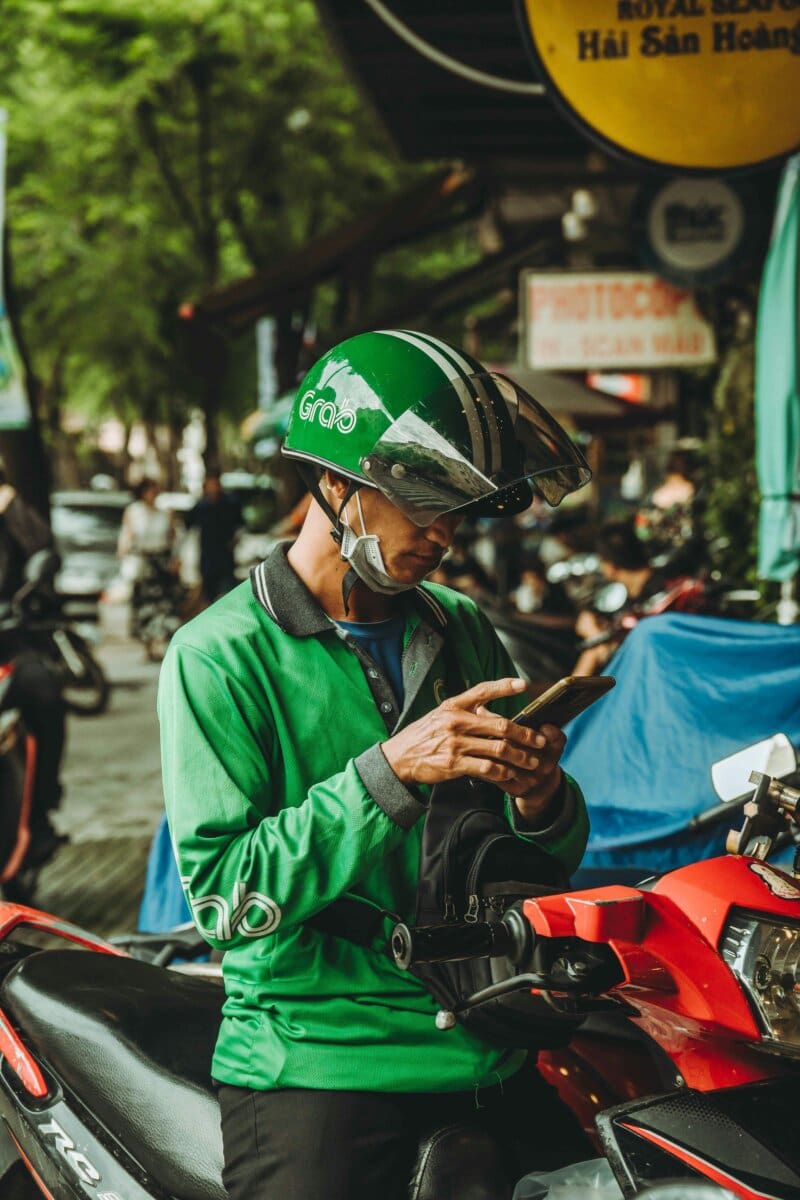
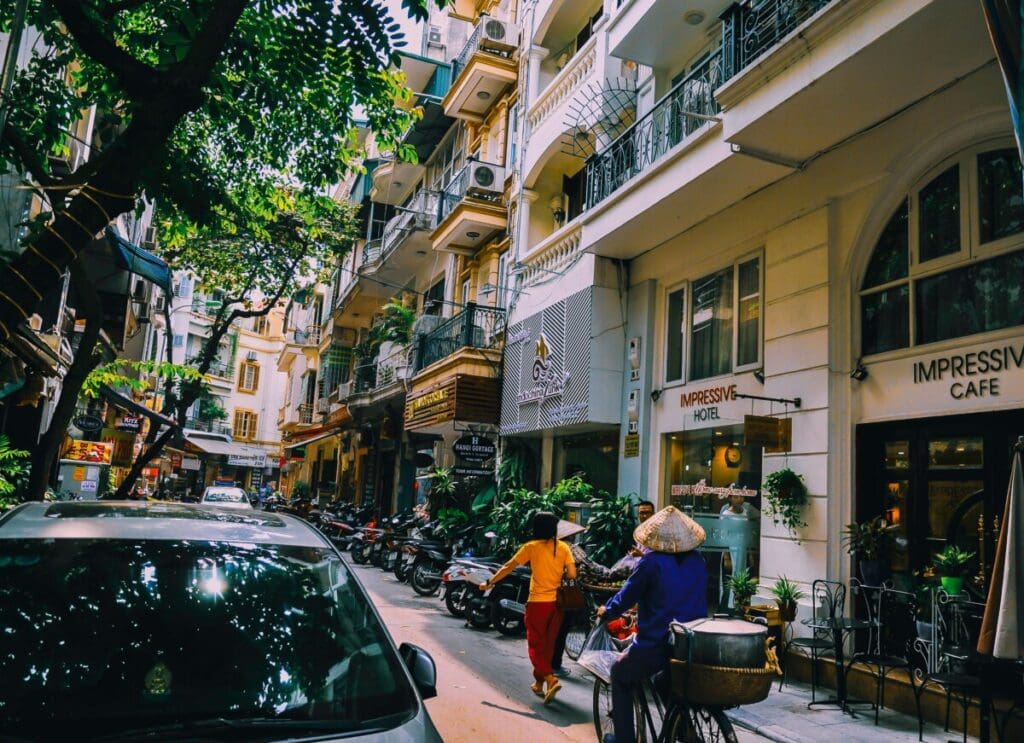
Ride-hailing apps like Grab make city navigation simple, safe, and affordable. Food delivery and online marketplaces are increasingly reliable in major cities, allowing travelers to quickly access essentials without language barriers or extra effort.
These digital tools save time, reduce stress, and allow more energy for exploration. Especially for extended stays, knowing which apps and platforms to use can streamline daily logistics and free up time for authentic experiences rather than endless errands.
Value You Rarely Find Elsewhere
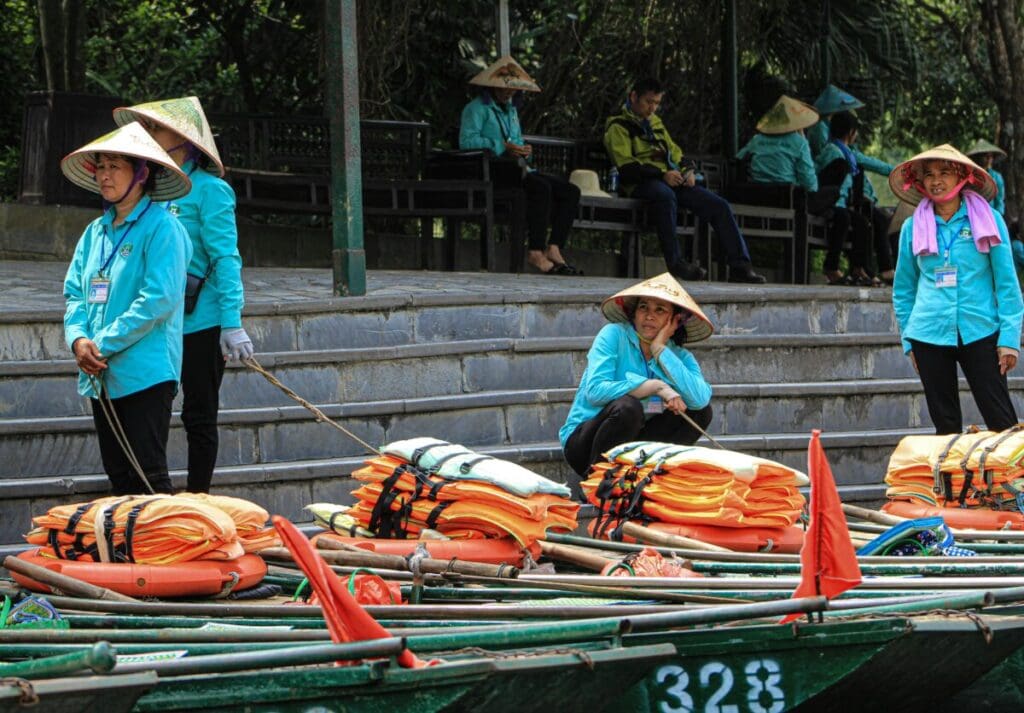
Vietnam is known for offering remarkable value across accommodation, food, and experiences. Boutique hotels, beachfront resorts, and private tours often cost significantly less than similar offerings in Europe or North America.
This affordability allows travelers to upgrade comfort, try activities they might skip elsewhere, or extend their trip. From luxurious stays to unique local experiences, Vietnam makes high-quality travel accessible for a wide range of budgets.
A Safer Choice Than You Expect
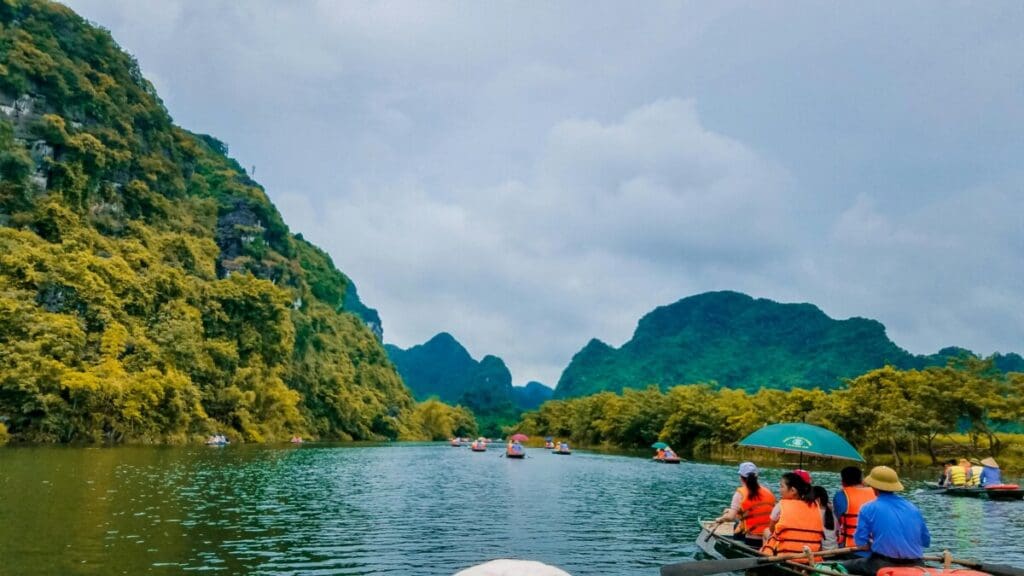
First-time visitors often fear the country’s chaos more than real danger. In reality, most travel issues are minor, such as small scams or misunderstandings. Violent crime involving tourists is extremely rare.
Common sense, situational awareness, and basic precautions go a long way. Being mindful of personal belongings, avoiding risky areas at night, and staying aware of surroundings ensures a safe and enjoyable visit without fear dominating the experience.
Timing Your Trip Wisely

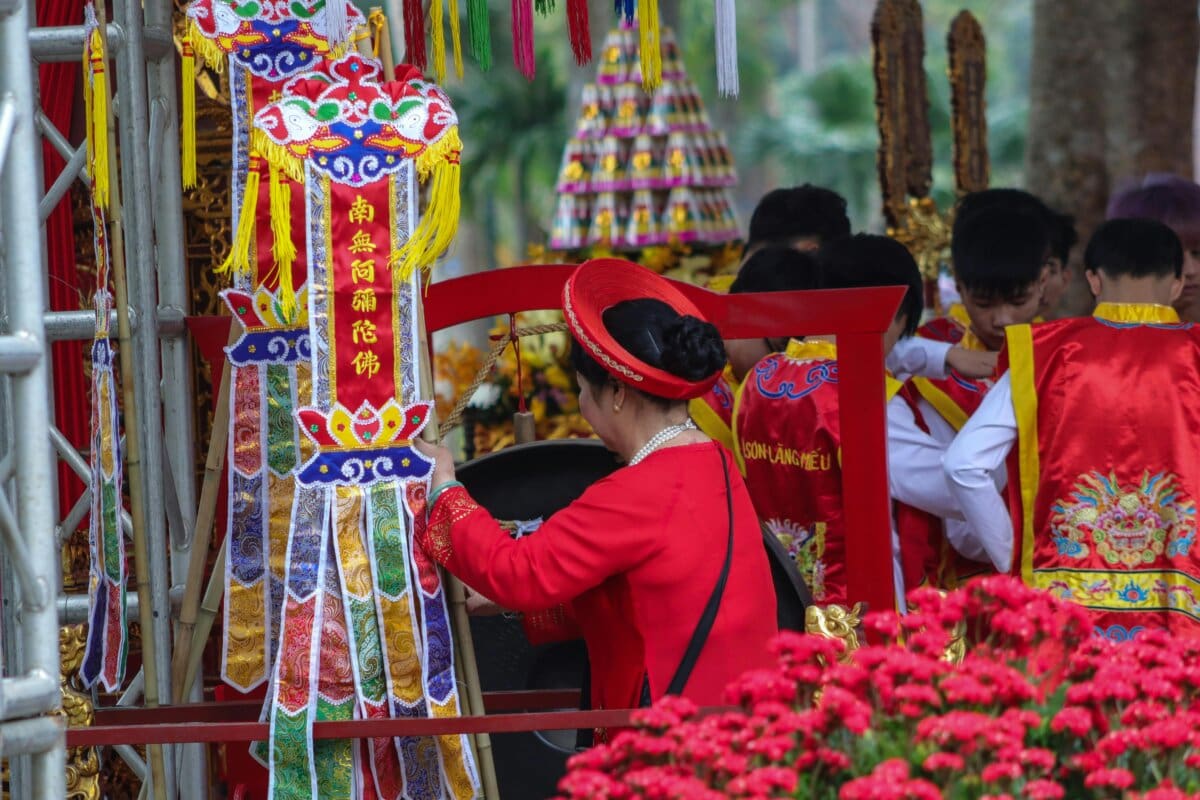
The Vietnamese Lunar New Year, Tết, usually falls between late January and February. It is a time of vibrant celebrations, traditional rituals, and family reunions. Streets are decorated, markets bustle, and festivals offer unique cultural insight.
However, many businesses close or operate on limited hours, and prices often rise during this period. Planning ahead, booking transport and accommodation early, and being flexible with activities helps travelers enjoy the festivities without disruption.
Leaving With More Than Memories
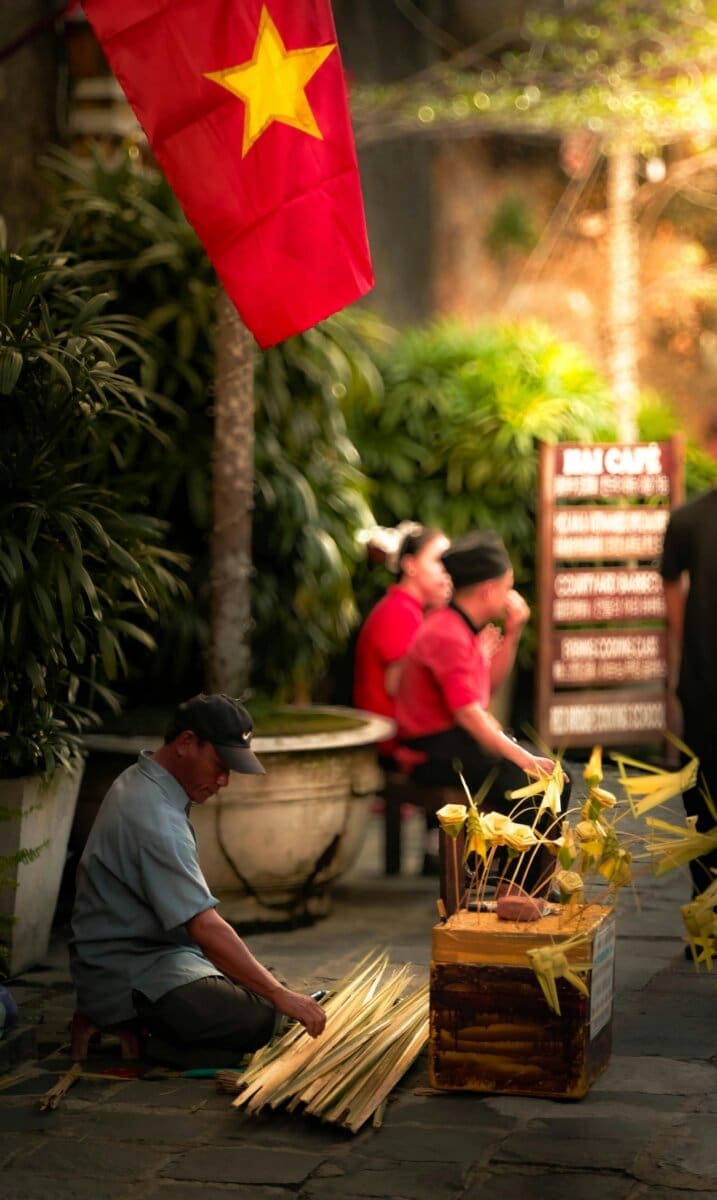
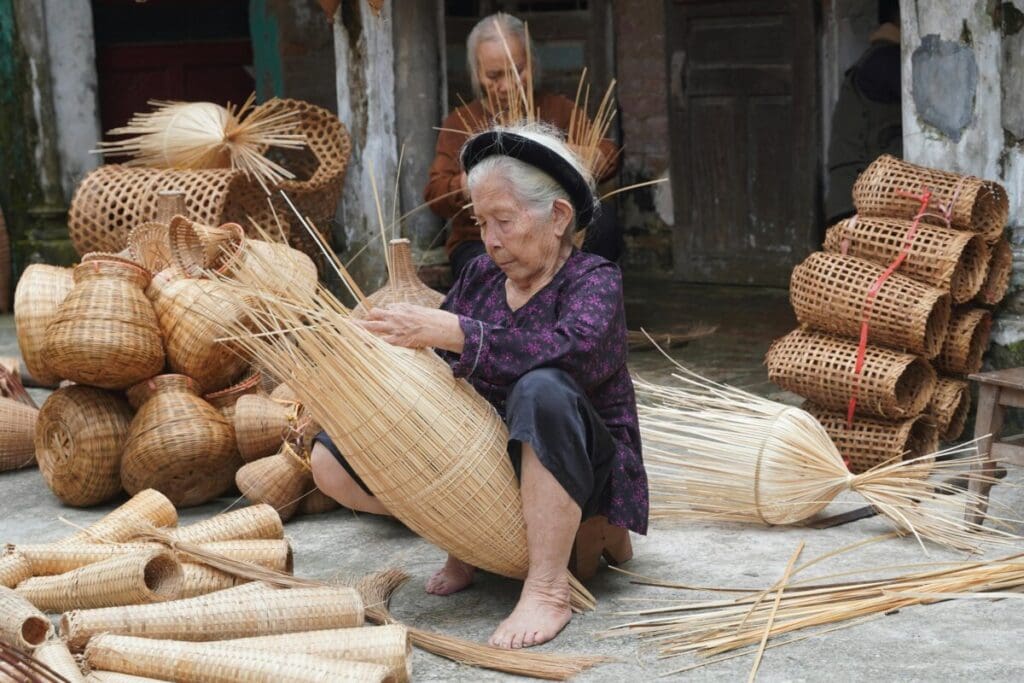
Vietnam is famous for tailoring, handicrafts, and locally made goods. Markets and shops, particularly in cities like Ho Chi Minh City, Hoi An, and Hanoi, offer everything from clothing and shoes to art and home décor.
Planning luggage space in advance prevents stress at departure. Shopping becomes part of the cultural experience, offering souvenirs, gifts, and keepsakes that serve as tangible reminders of the trip. Thoughtful purchases enhance memories without adding last-minute hassle.
Vietnam leaves a lasting impression long after the journey ends. Its blend of chaos, calm, kindness, and intensity feels genuine and unfiltered. Each city, town, and village carries its own character, leaving travelers with experiences that are as varied as they are vivid.
Many visitors find that one trip is never enough. From energetic streets to quiet landscapes, Vietnam challenges, inspires, and rewards in ways few countries can. Returning travelers often come back not just for the sights but for the feeling of being fully immersed in life as it unfolds.