

Health officials at Vicente Sotto Memorial Medical Center (VSMMC) are sounding the alarm: a surgency of HIV cases in Cebu rose up to 300 percent over the past five years, with the sharpest increase hitting the youth population—particularly those below 15 years old and ages 15 to 24. This isn’t just about numbers on a dashboard. Behind every statistic is a young person facing a life-altering diagnosis, often with little understanding of how they got there or what comes next.
The Reality Check We All Need
Dr. Kathleen Joyce “KitKat” del Carmen, a pediatrician and member of the HIV/AIDS Core Team at VSMMC’s Kaambag Clinic, revealed during a recent health program that most newly diagnosed patients are between 15 and 34 years old. “This tells us that our youth are getting infected younger and faster,” she emphasized.
In early 2025, the Department of Health officially declared HIV a public health emergency after seeing a 500 percent increase in new infections and AIDS-related deaths nationwide over the past decade. In 2023 alone, the country recorded 26,700 new infections—roughly 50 new cases every single day. By June 2025, total HIV cases in the country reached 153,798. Globally, HIV infections are decreasing. Here, they continue to rise,” Dr. Del Carmen shared.
Cebu’s Alarming Position
Central Visayas, where Cebu belongs, now ranks among the top five regions in the Philippines with 11,347 diagnosed cases as of June 2025. Region 7 ranked sixth in new infections during the first quarter of 2025 but climbed to fourth place by the second quarter, recording 367 new cases between April and June—a significant jump from the 225 cases recorded in earlier months.
From January to September 2025, the Kaambag Clinic, a DOH-accredited confirmatory testing center for the Visayas region, tested 1,210 individuals. Among those tested, 31 received positive results and were promptly referred for treatment. As of September 2025, the clinic is providing antiretroviral treatment (ART) to 1,373 people. The majority of these patients (87%) are men, with the largest proportion falling within the 25 to 49 age bracket.
The Youth Crisis No One Wants to Talk About
What’s truly alarming is how young the patients are becoming. A 15-year-old is the youngest confirmed case from a sexually transmitted HIV case in Cebu. Even more disturbing, health workers report that first sexual experiences can start as early as 12 years old. Some babies are being born with the virus, infected during birth.
The alarming truth is undeniable. HIV cases among individuals under 15 and those aged 15-24 have skyrocketed by over 300 percent in the last five years. This indicates that our youth—your classmates, nieces, nephews, and friends—are increasingly affected by a public health crisis that many are still unwilling to openly address.
Treatment Is Available, But Stigma Is the Real Killer
There are some great news! HIV is now a manageable condition thanks to effective medication. The standard treatment, a single daily tablet called the LTD regimen (Lamivudine, Tenofovir, Dolutegravir), has minimal side effects. Furthermore, the 2018 HIV Law permits minors aged 15 and above to access Pre-Exposure Prophylaxis (PrEP) and Post-Exposure Prophylaxis (PEP) without needing parental consent.
Central Visayas now has 20 HIV treatment hubs, with Kaambag Clinic serving as the confirmatory testing center for the entire Visayas. From January to September 2025, 50 individuals were started on PrEP at Kaambag alone.
But here’s the catch, the stigma remains the number one barrier to getting tested and treated. Dr. Del Carmen put it bluntly “Stigma kills faster than the virus”. Many people refuse to get tested out of fear. Others hide their diagnosis from family members and stop taking their medication to avoid being discovered.
For children born with HIV, the psychological struggle is real. Many grow up believing their daily pills are just vitamins. When they reach adolescence and start asking questions—”Why do I need to take this every day?”—that’s when the truth has to be revealed, often with the help of doctors, social workers, and psychologists.
What Can We Do About It?
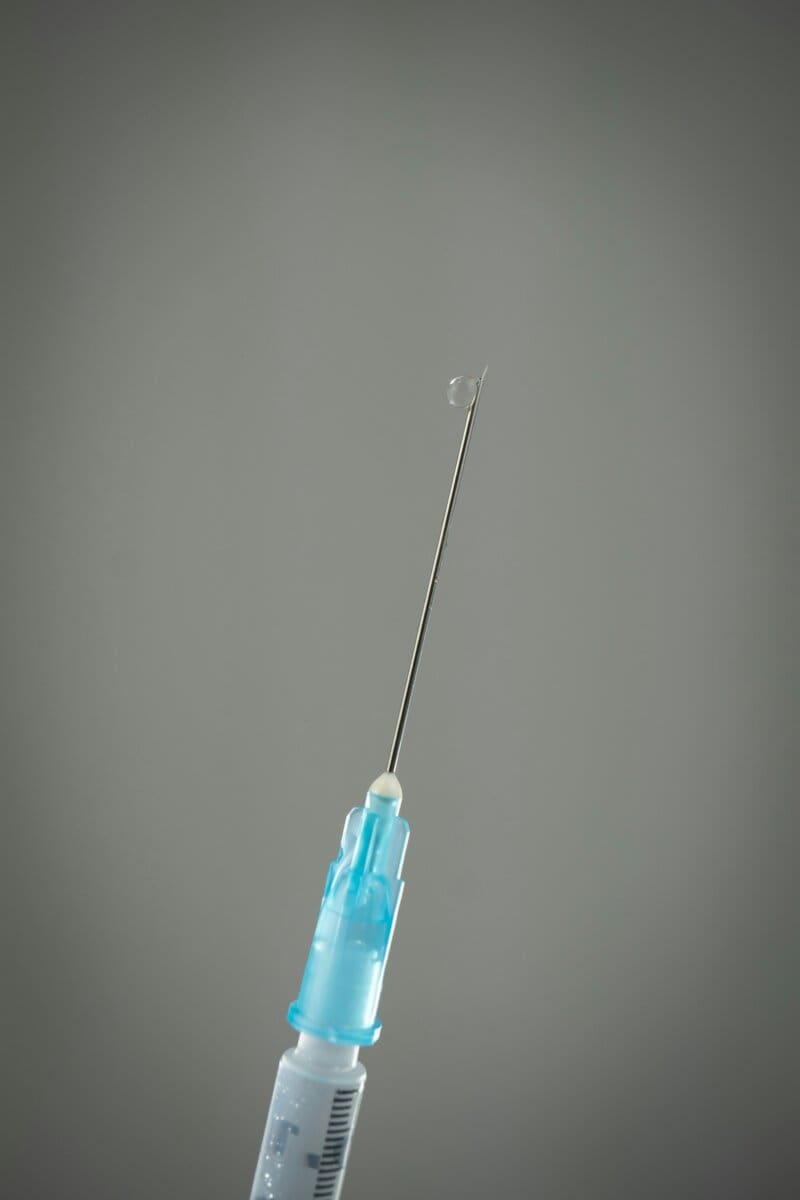
First, get tested. If you’re sexually active, HIV testing should be part of your regular health checkup. Testing is free at government health centers and HIV hubs like Kaambag Clinic.
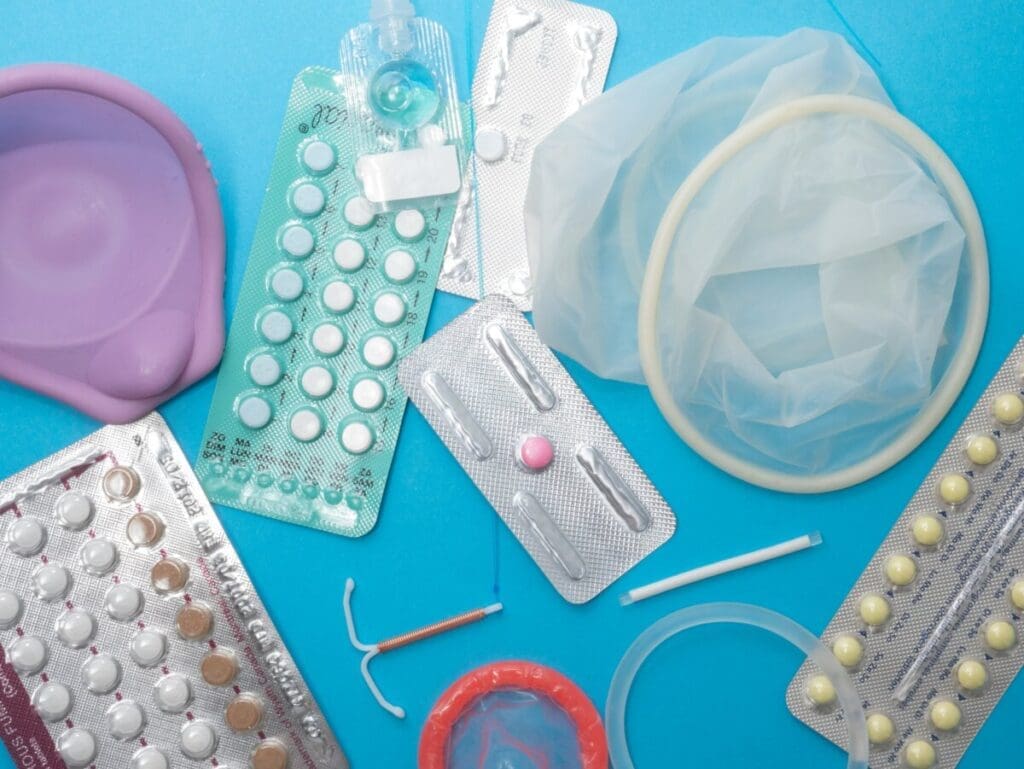
Second, practice safe sex. Use condoms consistently and correctly. If you’re in a high-risk situation, ask your doctor about PrEP. As this can significantly reduce your risk of HIV infection by up to 92 percent when taken consistently.
Third, talk about it. Break the silence. Have honest conversations with your friends, partners, and family about sexual health. The more we normalize these discussions, the easier it becomes for young people to seek help without shame.
Fourth, educate yourself. Learn the facts about HIV transmission, prevention, and treatment. Organizations like LoveYourself Inc. offer resources, free testing, and support services across the Philippines.
A Call to Action for Sugboanons
The fight against HIV won’t be won in hospitals alone. It requires early education, open conversation, and dismantling the shame that still surrounds testing and treatment. It means confronting uncomfortable truths about youth sexuality, rejecting outdated stigmas, and prioritizing health over hiya.
So, Sugboanons, let’s be real: HIV is here, it’s affecting our youth, and pretending it doesn’t exist won’t make it go away. Get tested. Stay protected. Talk openly. Because every statistic begins with a person. As every person deserves a chance to live without fear.