
The Armed Forces of the Philippines (AFP) is ramping up its cyber capabilities with a five-day specialized training course. The program, held at Fort Bonifacio in Taguig, is designed to equip military personnel with modern skills for cyber operations. Participants will learn how to detect, assess, and respond to threats targeting government and military networks.


International Collaboration
The training is a joint initiative with the Canadian Armed Forces Cyber Command. Canadian trainers are providing guidance on defensive cyber operations and legal frameworks for cyber activity. The partnership highlights growing defense ties and shared commitment to regional security in the Indo-Pacific.
Focus on Practical Skills
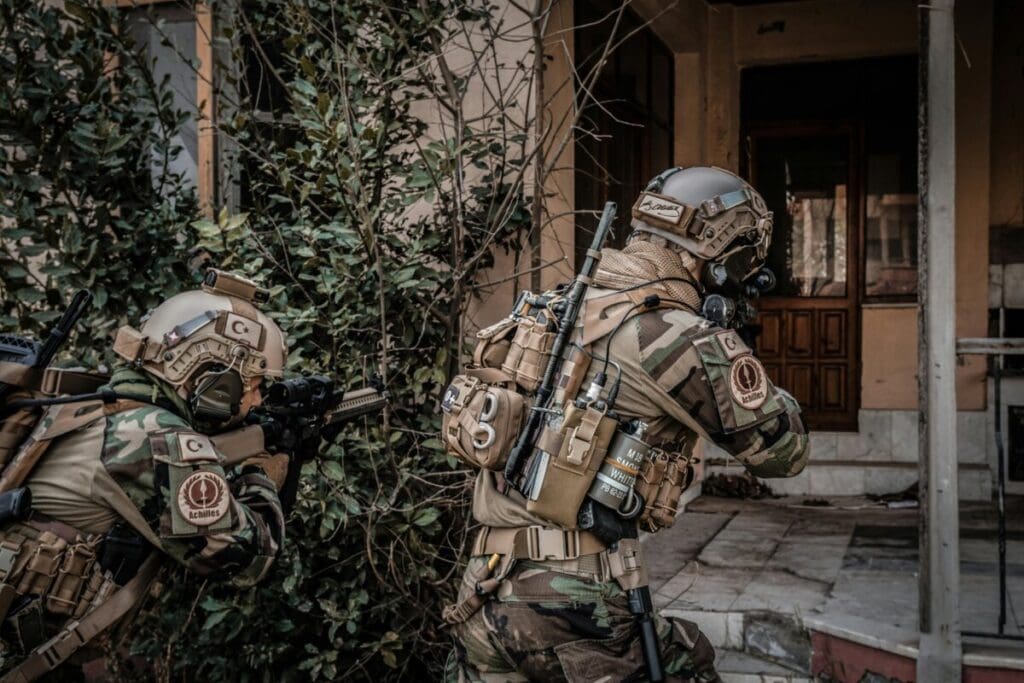
Military personnel are being trained to operate effectively in complex cyber environments. The curriculum includes practical exercises for supporting cyber operations and responding to malicious activity. Legal instruction also covers domestic and international cyber law and emerging issues in cyber defense.
AFP’s Cyber Strategy

The course brings together 50 personnel from different AFP branches, including 14 from the Philippine Army. Officials say this is part of the military’s strategic shift toward enhancing digital defense capabilities. Ongoing cyber training is seen as essential to protecting government systems from increasingly sophisticated attacks.

Canada’s Regional Engagement
The initiative aligns with Canada’s Indo-Pacific Strategy and its defense policy, Our North, Strong and Free. Canadian officials stress that building strong partnerships is key to maintaining a free, open, and secure digital environment. The training also complements broader defense cooperation under the Military Training and Cooperation Program.
AFP officials say thousands of cyberattacks are prevented daily, including attempts to breach critical government systems. The course reinforces the country’s ability to defend against these evolving threats. Both nations see cyber resilience as critical to modern military readiness and regional stability.