
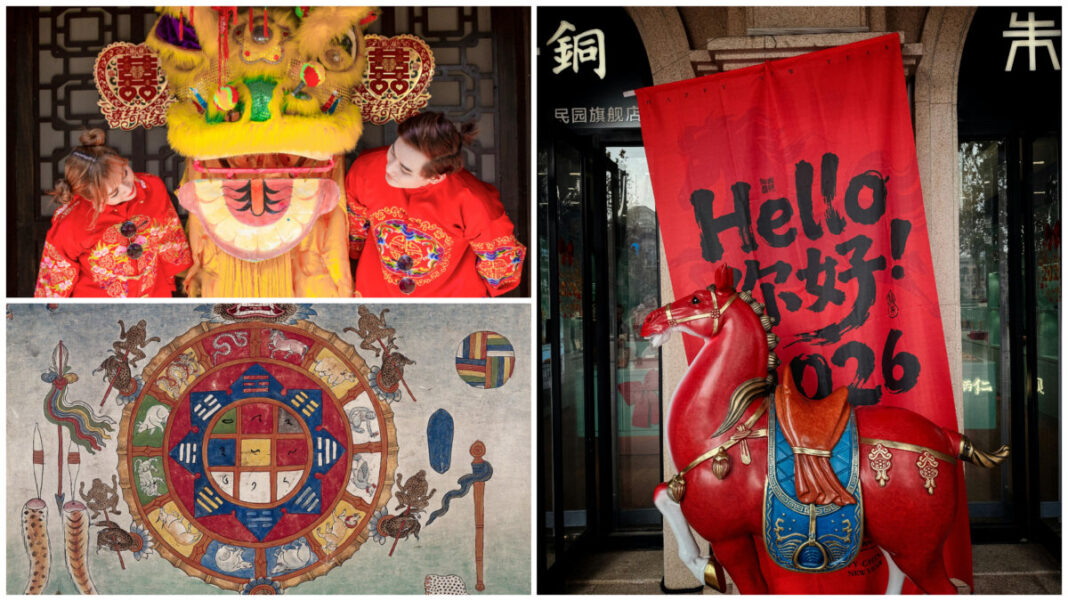
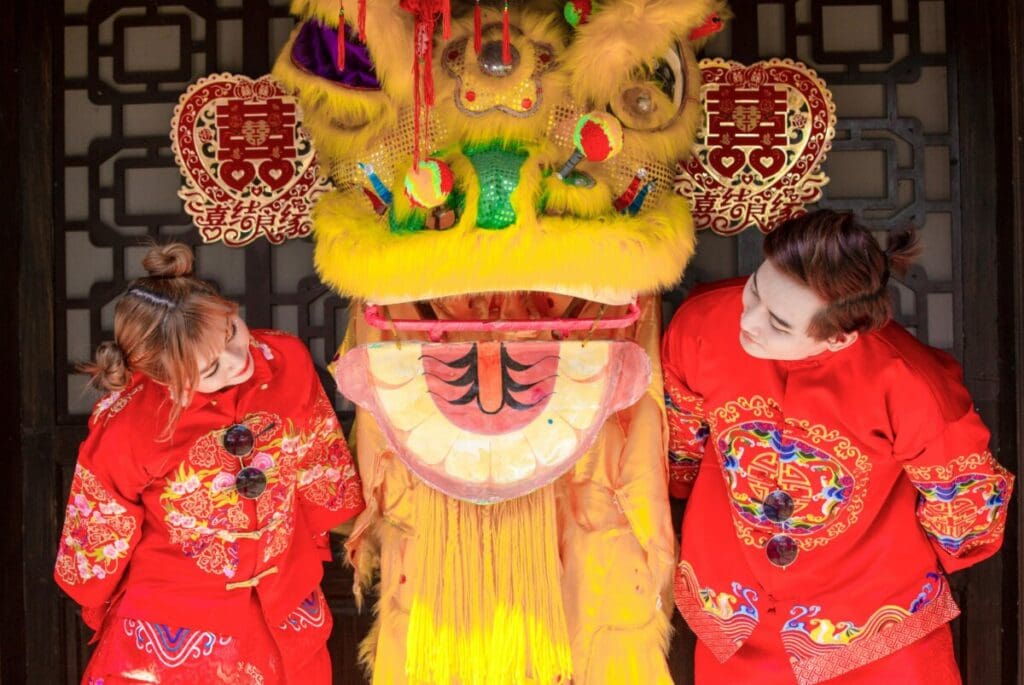
Ever wondered what your Chinese zodiac animal reveals about you? It’s more than a yearly symbol, it reflects centuries of culture, astrology, and folklore. Each animal carries traits, strengths, and challenges that can shape your personality, career, and relationships. For those born in January or February, your zodiac sign might surprise you due to the lunar calendar. Read on to discover your sign and its hidden meanings.
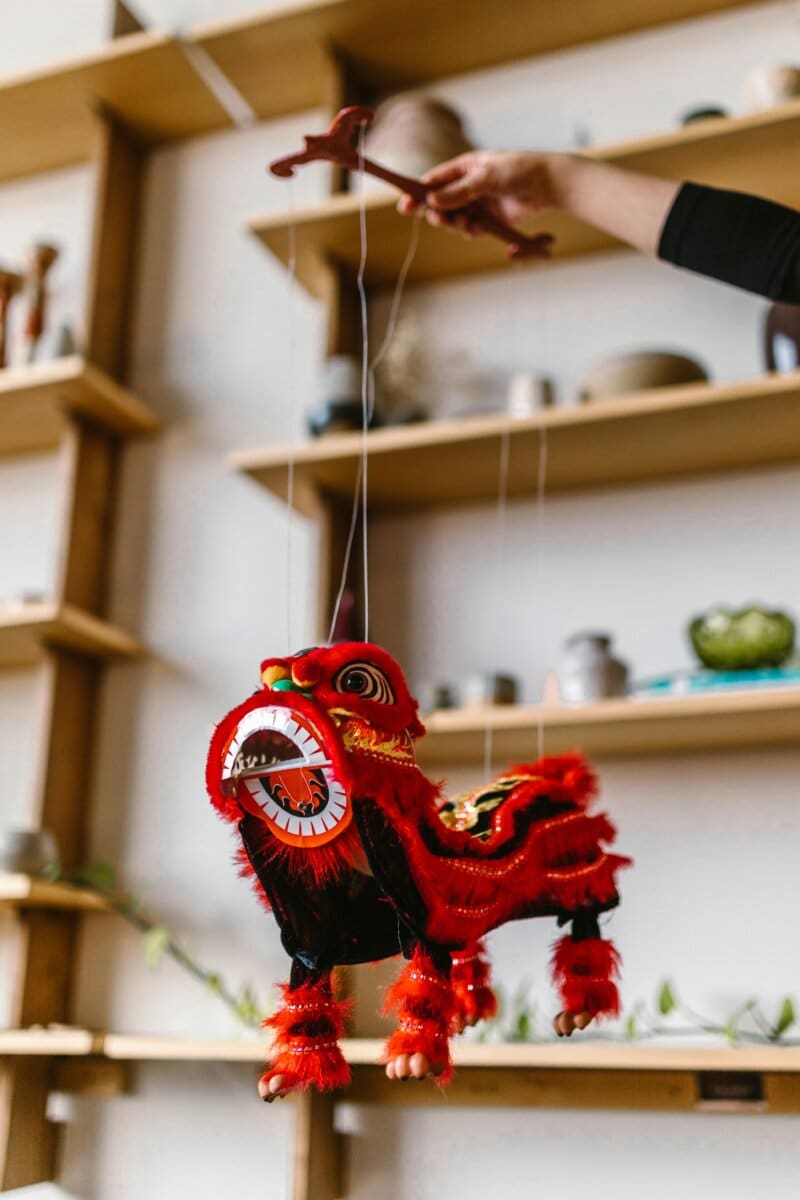
The 12 Zodiac Animals
The Chinese zodiac follows a 12-year cycle, with each year represented by an animal:
• Rat – Clever and adaptable
• Ox – Calm and diligent
• Tiger – Brave and confident
• Rabbit – Gentle and cautious
• Dragon – Energetic and ambitious
• Snake – Wise and graceful
• Horse – Independent and positive
• Sheep – Gentle and reliable
• Monkey – Intelligent and sociable
• Rooster – Ambitious and confident
• Dog – Loyal and responsible
• Pig – Warm-hearted and generous
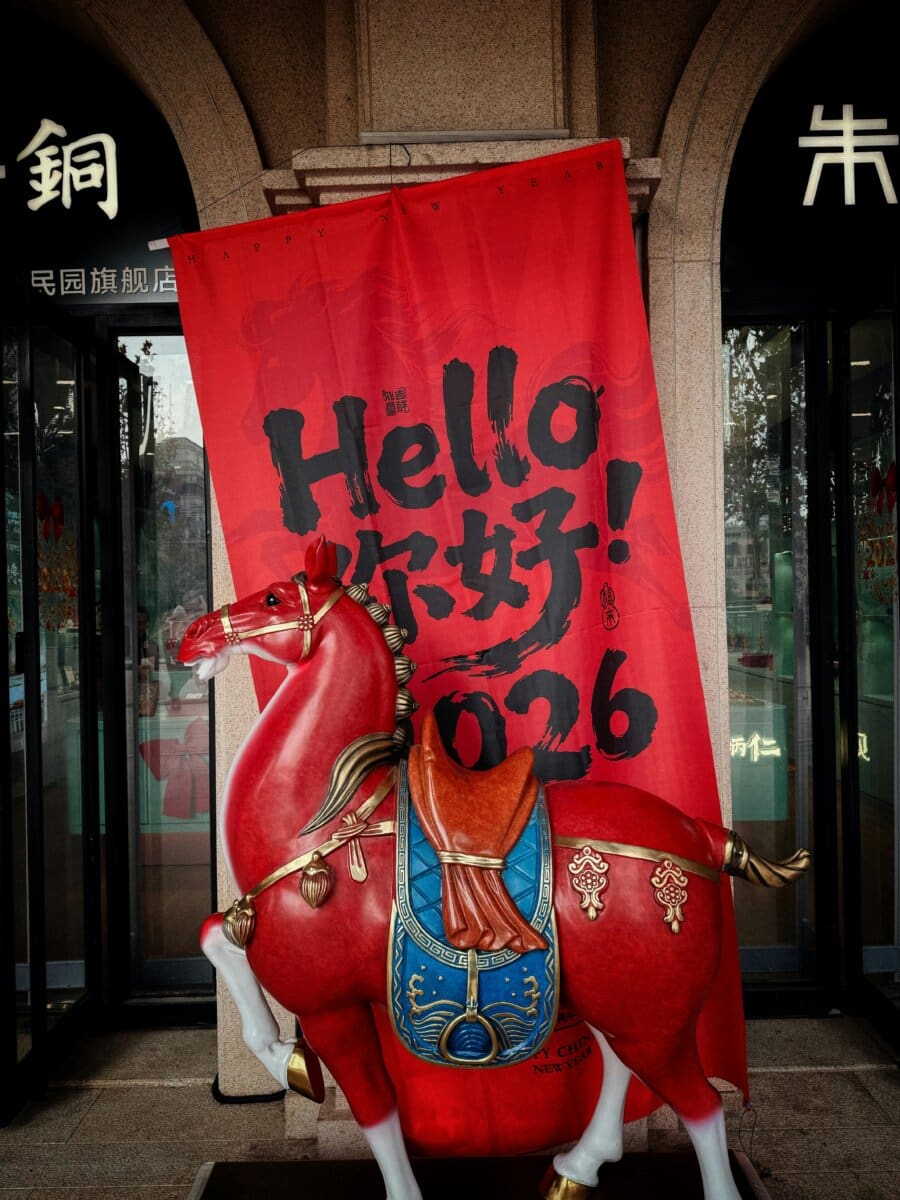
2026 is the Year of the Horse, specifically the Fire Horse, starting on February 17, 2026, and lasting until February 5, 2027. People born in 2026, 2014, 2002, and 1990 belong to this zodiac.
Origins and Legends
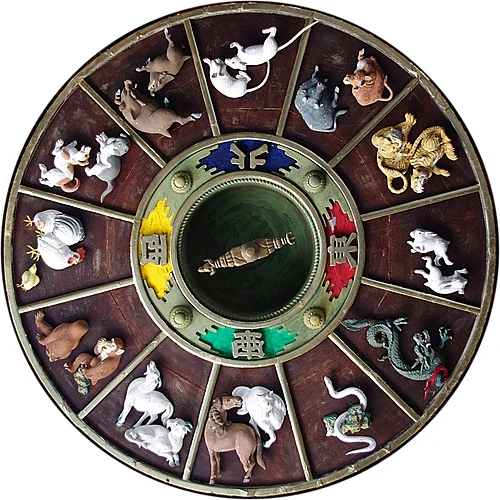
The zodiac’s history spans over 2,000 years, with roots in astronomy and animal worship. Popular stories include:
• The Jade Emperor choosing twelve animals as palace guards.
• Rat cleverly riding Ox’s back to claim first place.
• Tiger crowned King of the Forest and Dragon as Lord of the Sea.
• The Pig finishing last after being late for the selection race.
The system also connects to the Heavenly Stems, Earthly Branches, Yin Yang, and Five Elements, which all influence personality and destiny.
Personality Traits by Animal
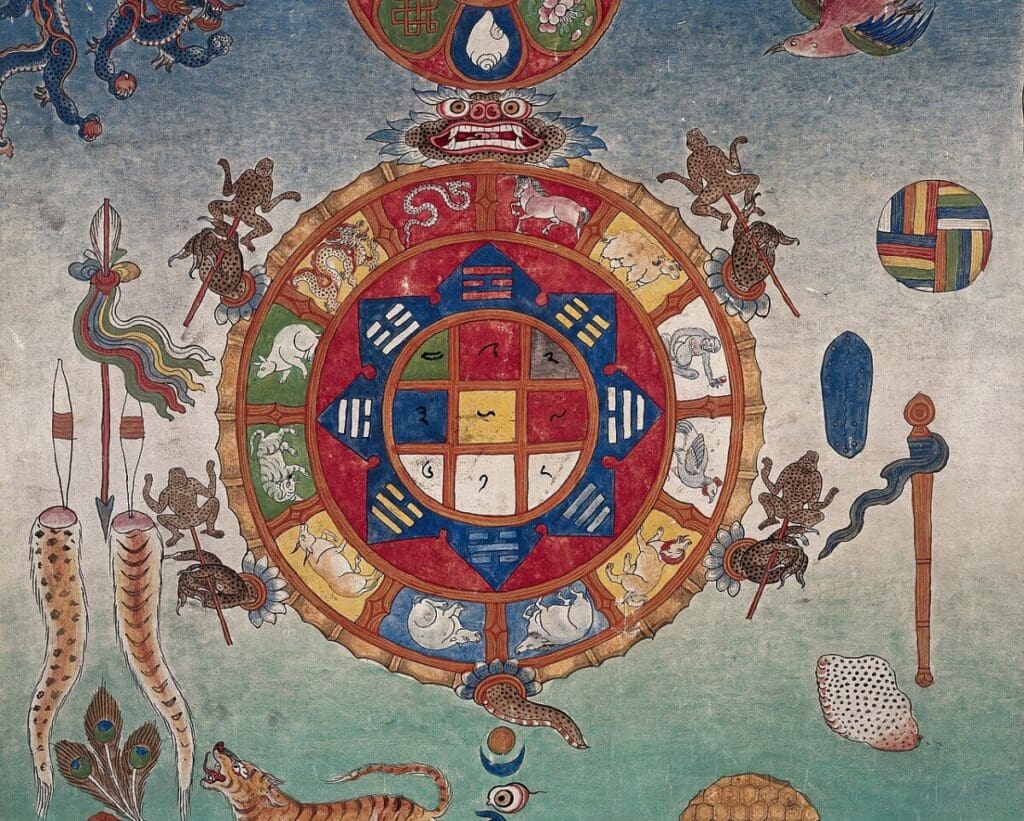
Each zodiac animal reflects natural tendencies:
• Horse (2026): Independent, energetic, and positive; can be outspoken at times.
• Pig: Warm-hearted and generous; sometimes gullible.
• Tiger: Confident, brave, and loyal; may act impulsively.
These traits can guide careers, hobbies, and personal relationships.
Compatibility and the Five Elements
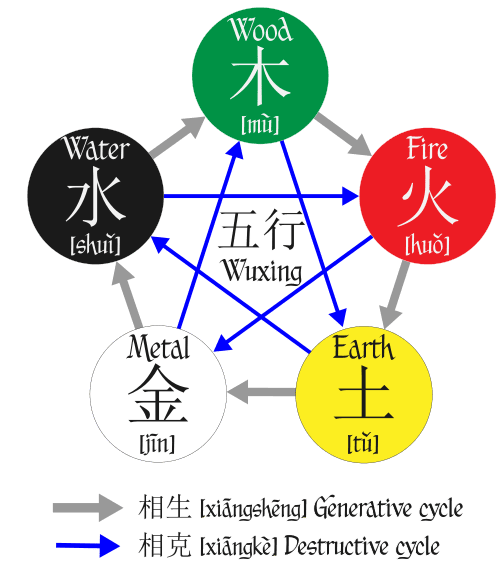
The zodiac interacts with the Five Elements: Metal, Wood, Water, Fire, and Earth. Understanding these connections can improve relationships:
• Certain pairings support and complement each other.
• Conflicting elements may cause tension.
• Examples: Water nourishes Wood, creating harmony between Rat and Tiger.
This knowledge helps in friendships, romance, and even workplace dynamics.
Chinese New Year Traditions
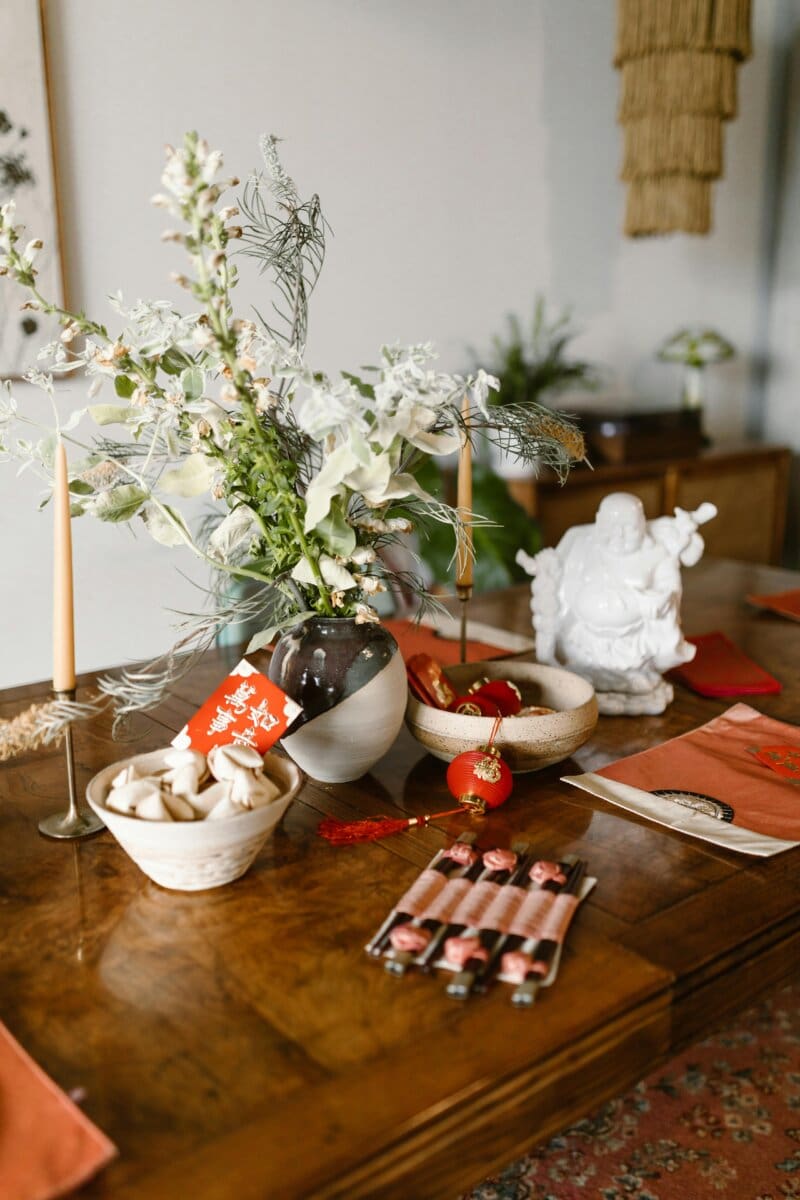
The start of the lunar year sets the tone for the months ahead. Popular customs include:
• Staying up on New Year’s Eve to welcome the year.
• Giving red packets to children and elders for good luck.
• Decorating with kumquat trees for wealth and prosperity.
• Wearing lucky colors like red and yellow.
• Eating lucky foods:
• Rice dumplings for family togetherness
• Fried peanuts for vitality
• Walnut cookies for happiness

Timing and Holidays
Chinese New Year moves each year between January 21 and February 20. In 2026:
• China: February 16–22, 8-day holiday
• Taiwan: February 16–20, 5-day holiday
• Hong Kong & Macau: February 17–19, 3-day holiday
• Southeast Asia: 1–3 days, varies by country
Schools, offices, and many businesses close, while tourist spots and hotels see increased activity.