
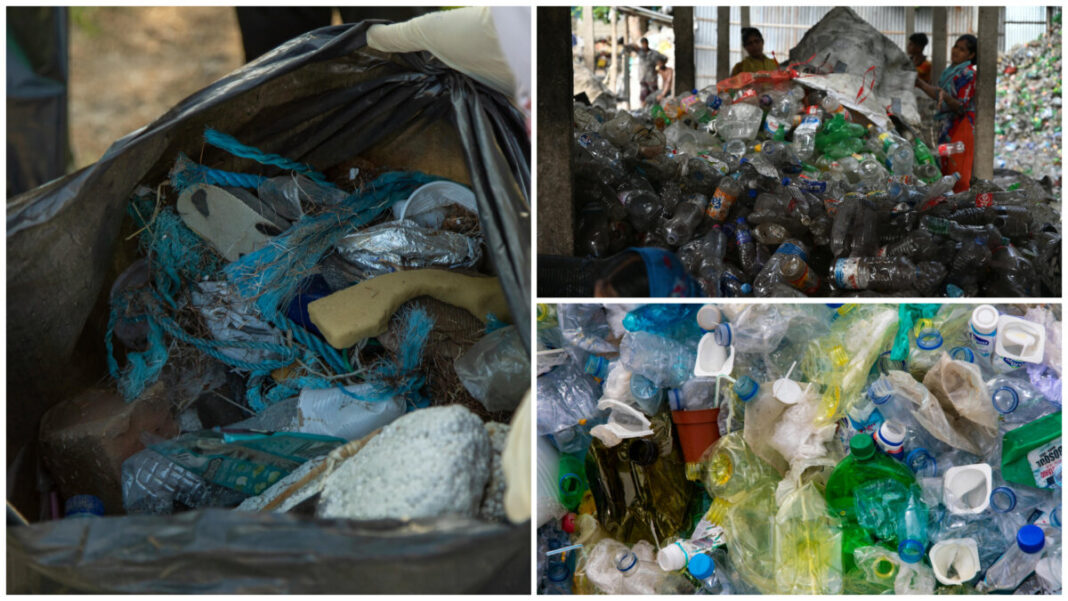
At the start of 2026, Cebu City placed waste segregation at the center of its environmental agenda. Mayor Nestor Archival led the renewed push to enforce the long-standing “No Segregation, No Collection” policy, aiming to reduce garbage volume, control costs, and bring discipline back to waste management at the household level.
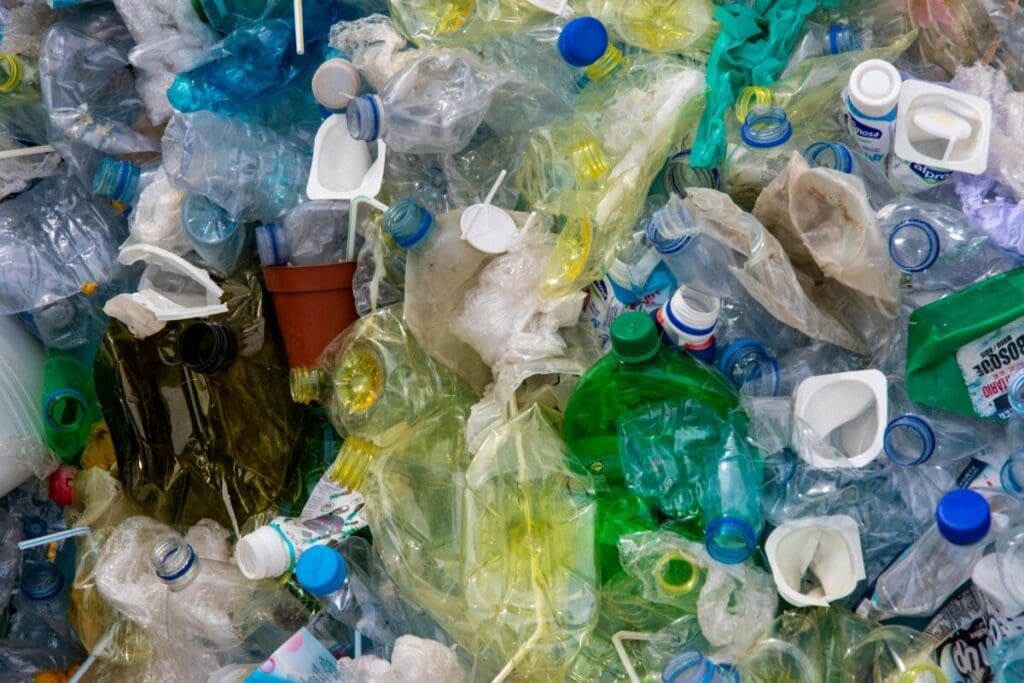
Why Segregation Matters
Cebu City produces around 600 tons of garbage every day, with higher volumes during major events like Sinulog. For years, mixed waste filled landfills faster than they could be managed, forcing the city to spend heavily on hauling trash outside Cebu. Proper segregation allows recyclables to be reused and biodegradable waste to be turned into compost, easing pressure on landfills.
From Policy to Practice
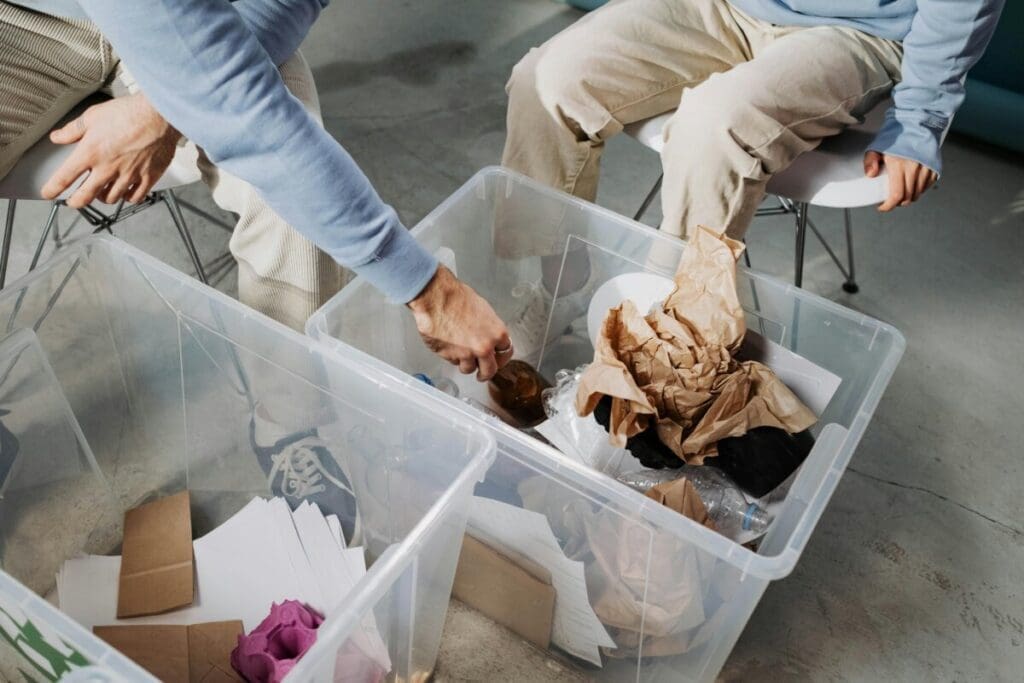
To ensure uniform enforcement, the mayor met with Department of Public Services personnel, including garbage truck drivers and loaders from all districts. The city emphasized that unsegregated waste will no longer be collected once full enforcement begins, making frontline coordination a key part of the program.
Information First

From January 1 to 15, the city focused on information dissemination to give residents time to adjust. Barangays, schools, and communities were targeted through meetings, orientations, and media outreach. Students were included early, as they often influence household habits and daily practices.
Phased Enforcement Plan

A trial period runs from January 16 to 30, during which violators receive warning citations only. Full penalties will follow starting February 1. Barangay Enforcement Officers are tasked to monitor compliance, issue citations, and submit regular reports to ensure consistency across all areas.

Composting and Recycling
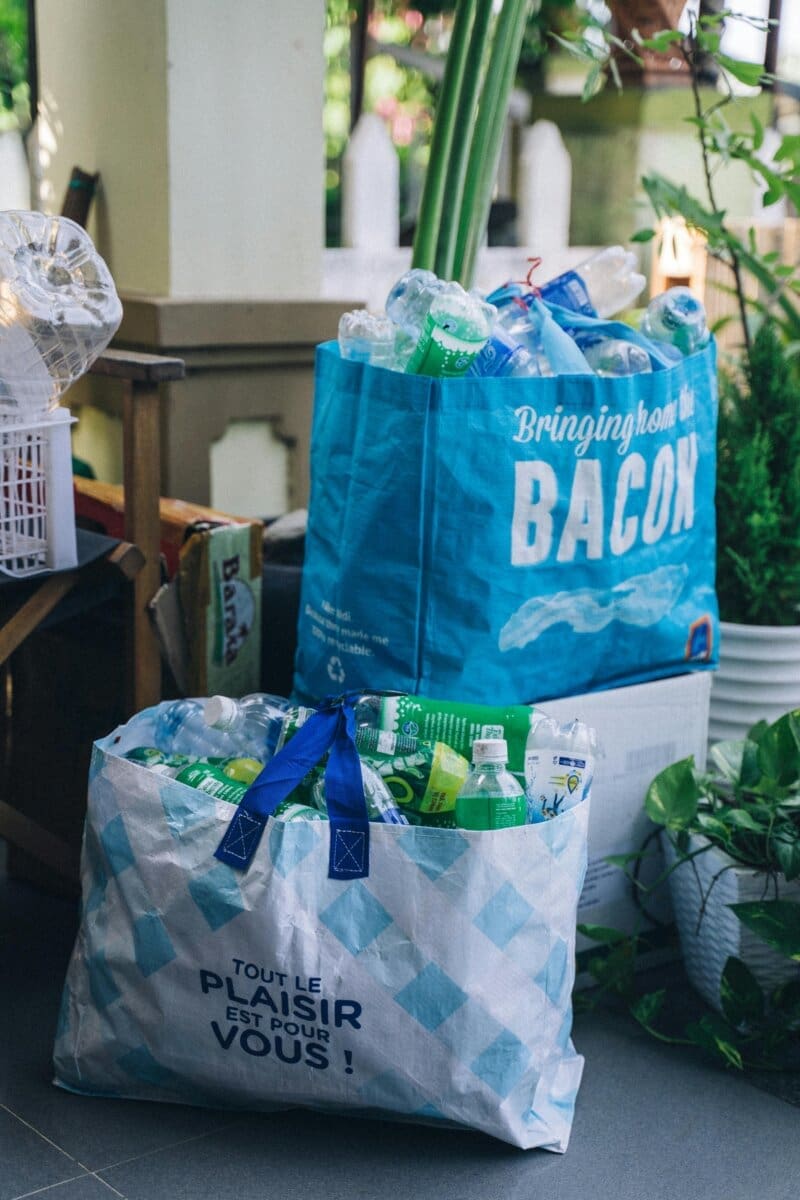
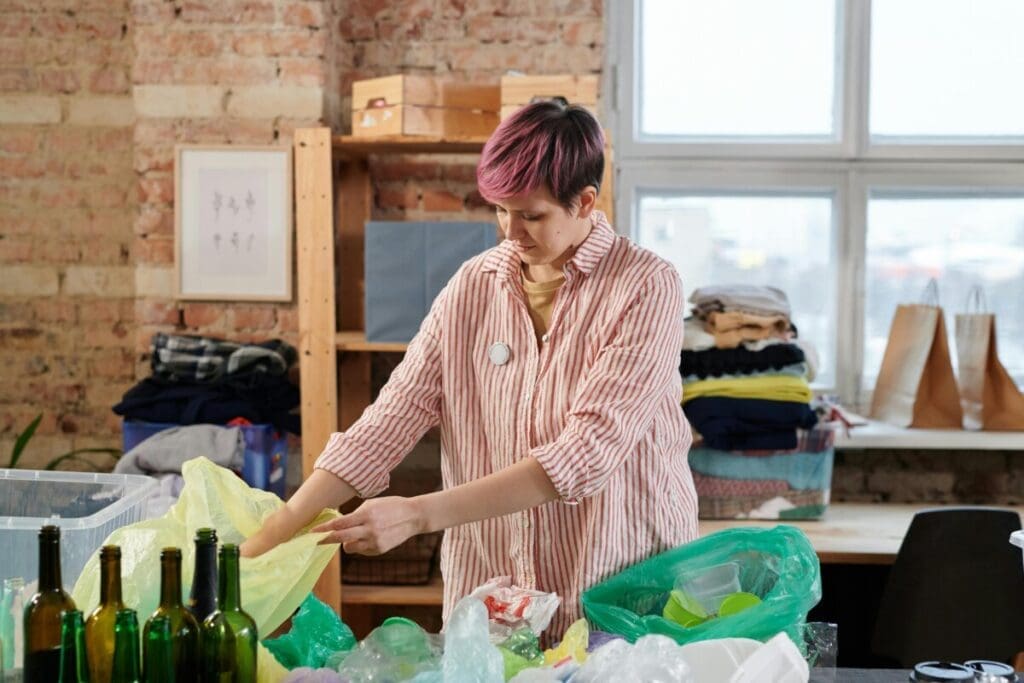
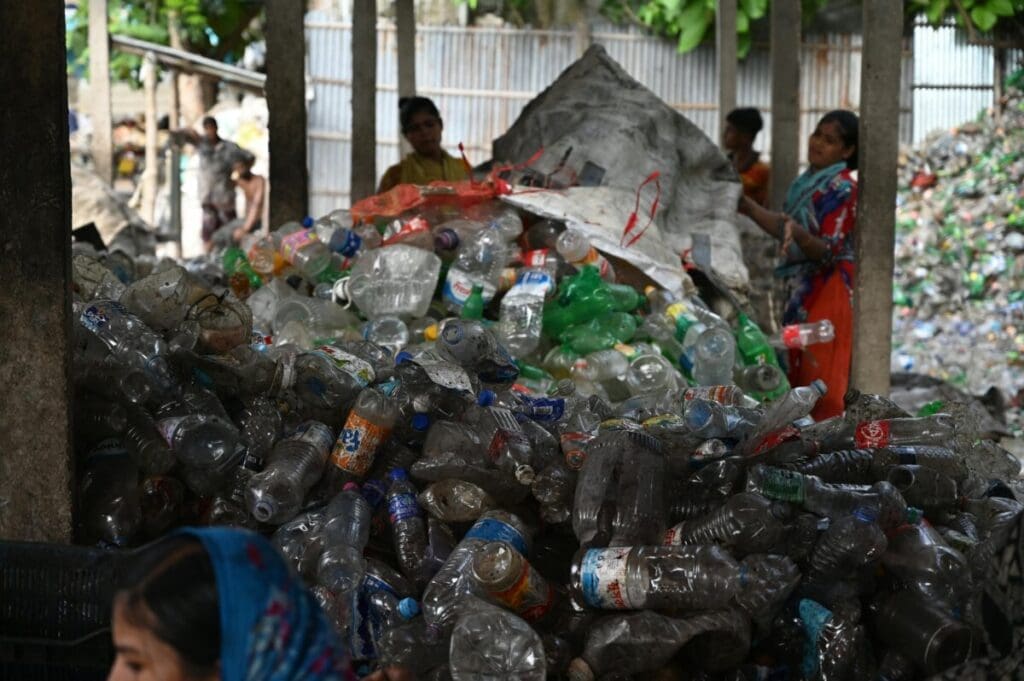
Biodegradable waste is now directed toward composting instead of being dumped indiscriminately. Composting sites, including facilities in Kalunasan, process organic waste for reuse. Non-biodegradable recyclables such as plastics are collected separately and sent to industrial partners, including cement and asphalt producers.
Barangays at the Core
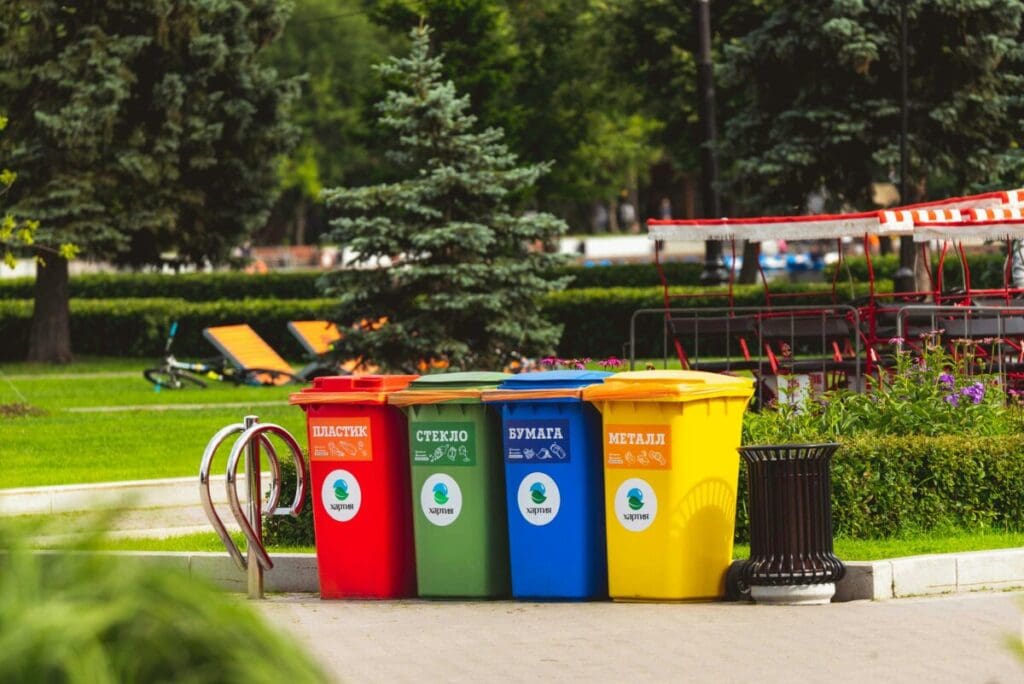
Barangays play a central role in the program’s success. Clear guidelines were prepared for officials, recyclers, and partners to standardize practices. Community-based solutions, such as shared composting and small livelihood opportunities, are encouraged to keep waste management local and practical.

A Long-Standing Problem
Cebu City’s garbage issue has persisted for decades, highlighted by the closure of the Inayawan landfill in 2018 and ongoing concerns over the Binaliw facility. Weak enforcement in the past allowed poor habits to continue, despite ordinances already in place since 2004.
A Renewed Commitment
The city’s approach combines education, phased enforcement, and system-wide coordination. By turning waste segregation into a daily routine, Cebu City aims to cut hauling costs, protect communities near landfills, and build a cleaner, more sustainable urban environment.