
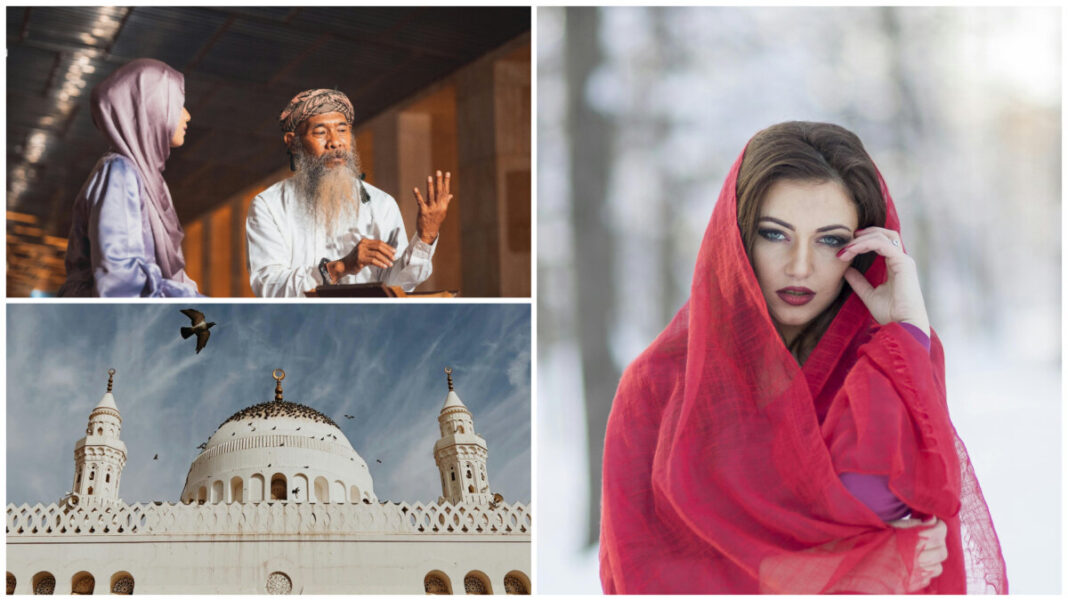
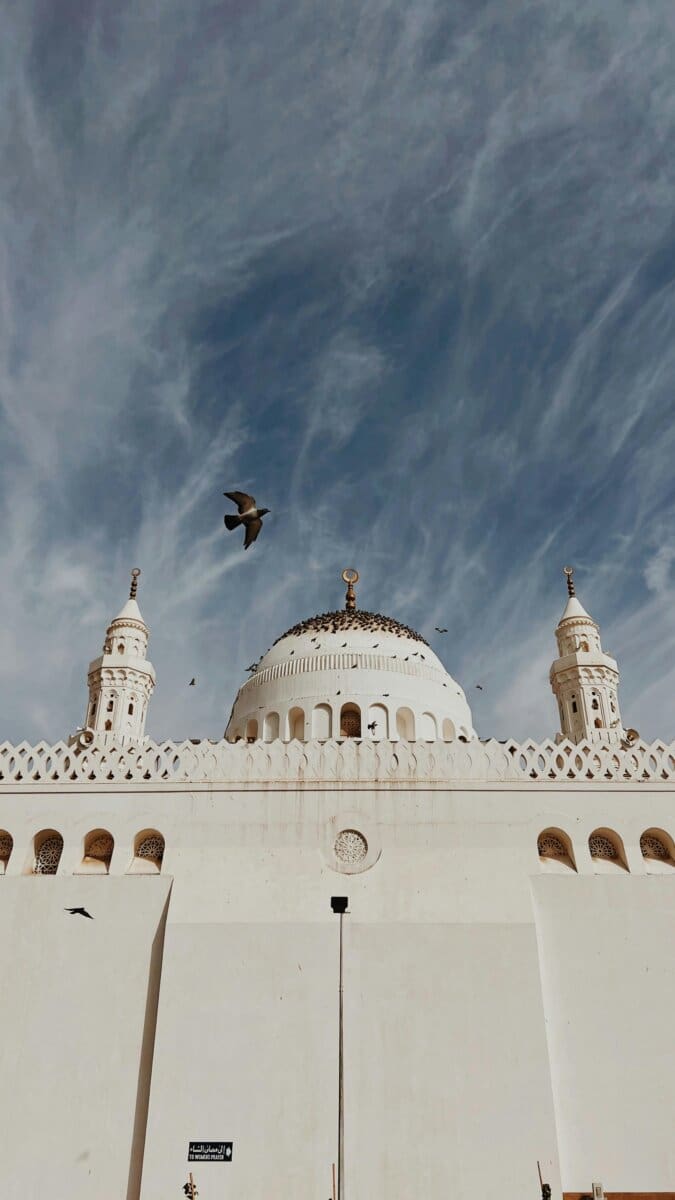
When traveling to a predominantly Muslim country, dressing appropriately shows respect for local culture and can help you avoid unwanted attention. Expectations vary by country, region, and level of tourism, so researching ahead is key.
Clothing to Avoid

Crop tops, strapless tops, backless clothing, short shorts, mini skirts, tight clothing, and revealing outfits should be avoided in public areas. Even if some tourists break these rules, sticking to modest clothing will ensure you remain comfortable and culturally sensitive.
Comfortable and Modest Options
Loose and breathable fabrics like cotton or linen are ideal. Maxi dresses, midi skirts, flowy blouses, and lightweight tops provide comfort while respecting cultural norms. Beachwear should be limited to private resorts or designated beach areas.
Dresses and Skirts
Maxi and midi dresses that do not drag on the ground are practical for city streets. Knee-length skirts and sarongs tied appropriately also work well. Avoid overly tight skirts made entirely of spandex.
Scarves and Accessories
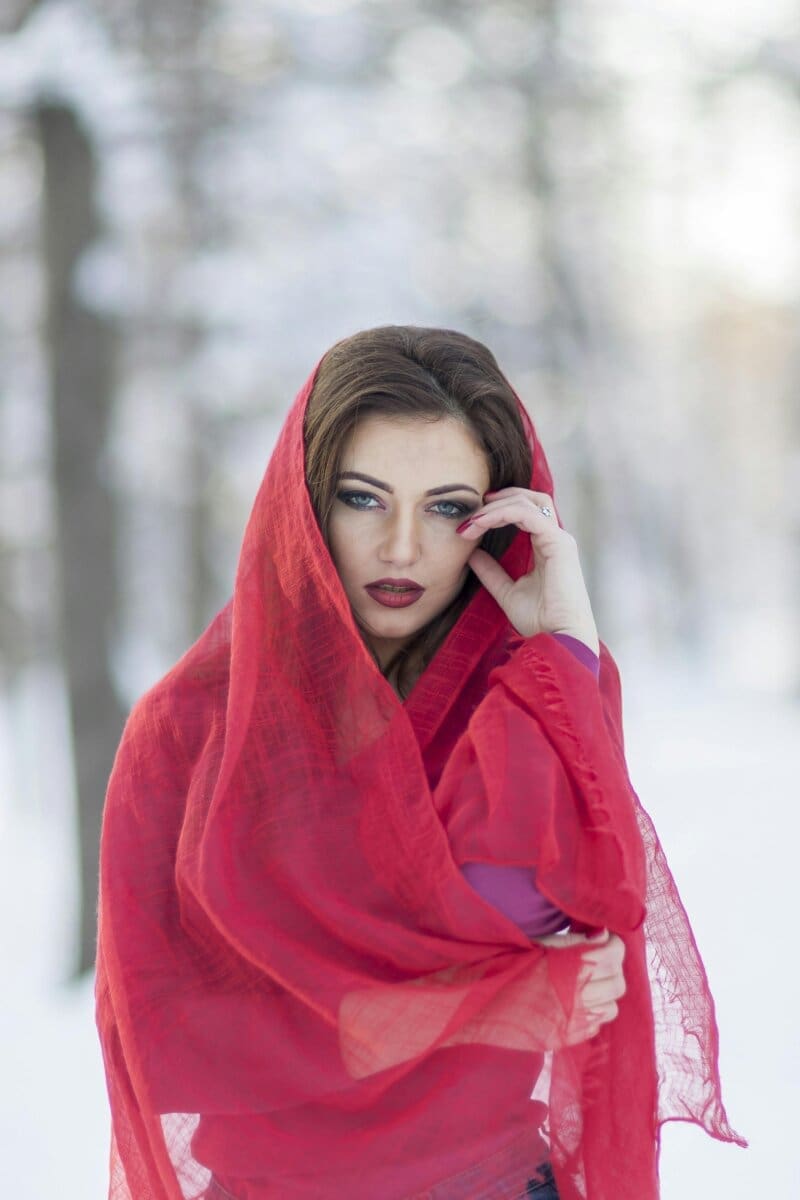
A lightweight scarf or sarong is essential for covering shoulders, particularly when visiting mosques or sacred sites. Scarves can also protect against sun and sand in hot, arid regions.
Shoes
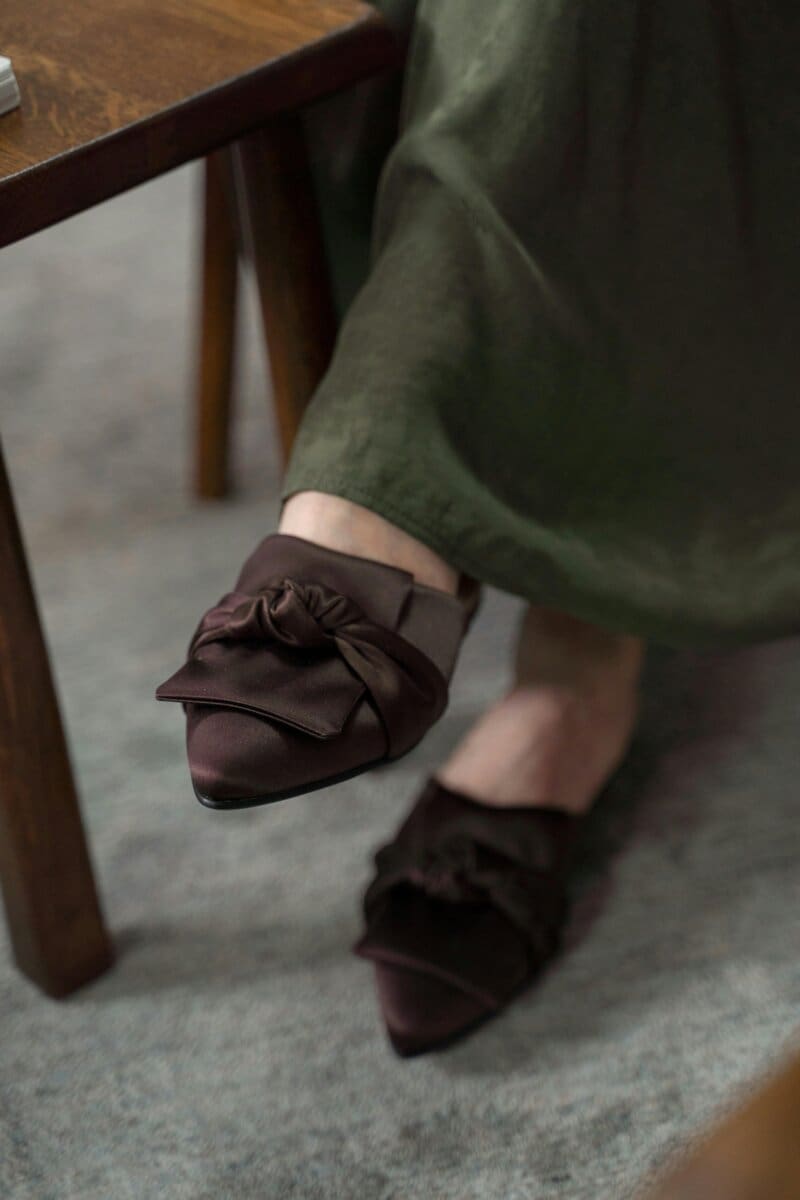
Comfortable footwear such as sandals, mules, kitten heels, or flip-flops is recommended for walking around city streets and tourist sites.
Pants, Shorts, and Tops
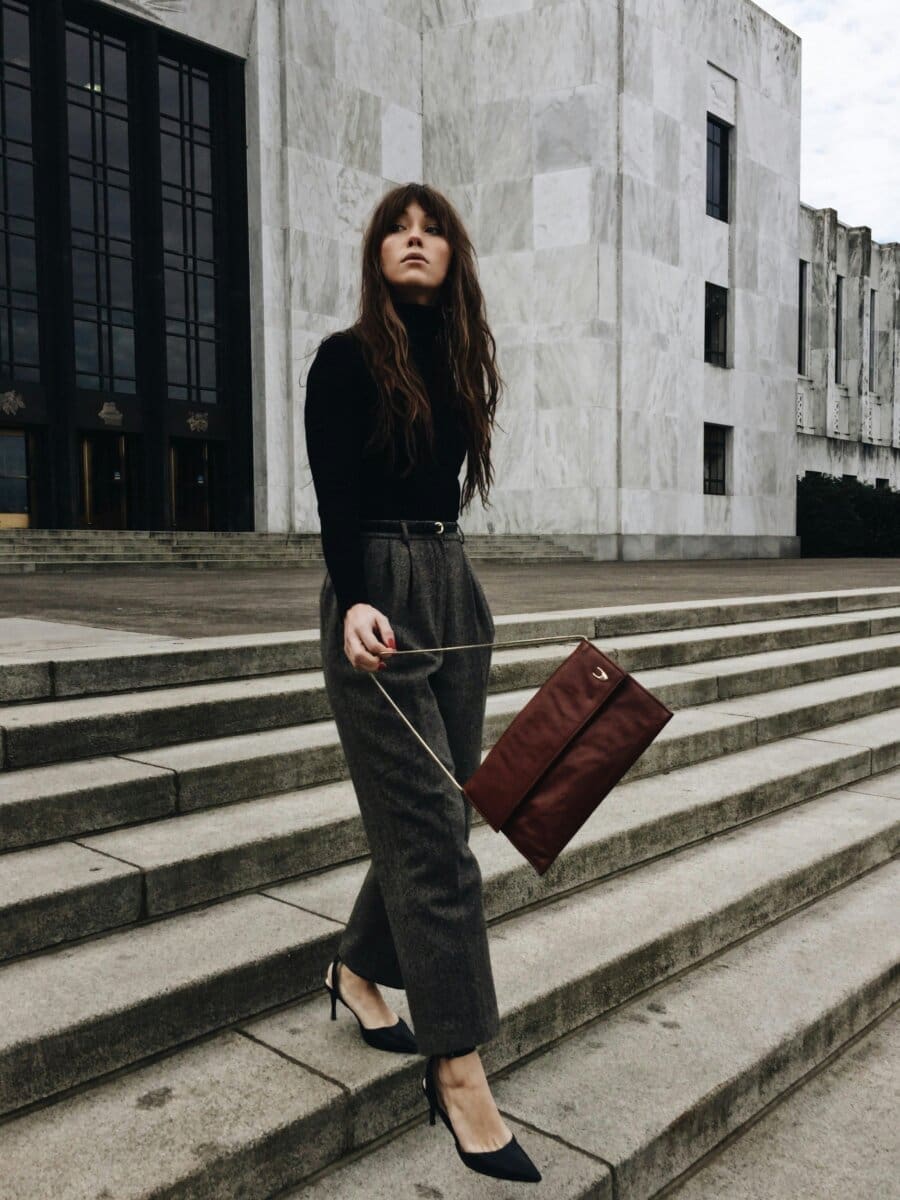
Loose-fitting pants or culottes made of cotton or linen are preferable to tight jeans, especially in hot climates. Spaghetti-strapped tops are acceptable in some tourist areas, but a scarf can provide extra coverage when needed.
Dressing for Holy Sites
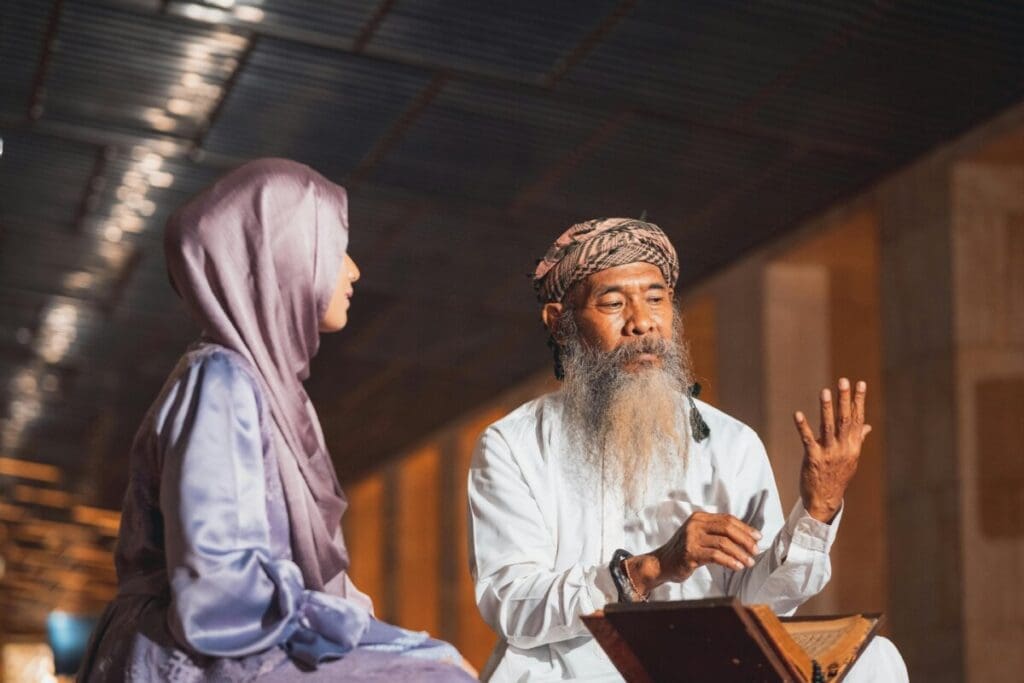
Mosques generally require headscarves, long trousers, and modest tops for women. Men may also need to cover shoulders and legs. Shoes are removed at entrances, and cover-ups may be provided if dress is insufficient.
Pack versatile, modest clothing initially and buy additional local garments if needed. This approach is cost-effective, practical, and helps you adapt to the local culture.