
Malacañang maintained support for the Trade and Industry Department’s assertion that a 500-peso budget can cover a basic Noche Buena meal. The government framed the issue as one of practicality, emphasizing that a minimal setup is possible despite widespread criticism from workers and consumers facing rising costs.
Public Sentiment and Social Context

The claim sparked strong reactions online and within communities, as many Filipinos consider Noche Buena a deeply meaningful Christmas tradition rather than an ordinary dinner. Families expressed concern that reducing the celebration to a low-cost checklist fails to acknowledge financial hardships and the cultural weight of the occasion.
Concerns Over Market Realities
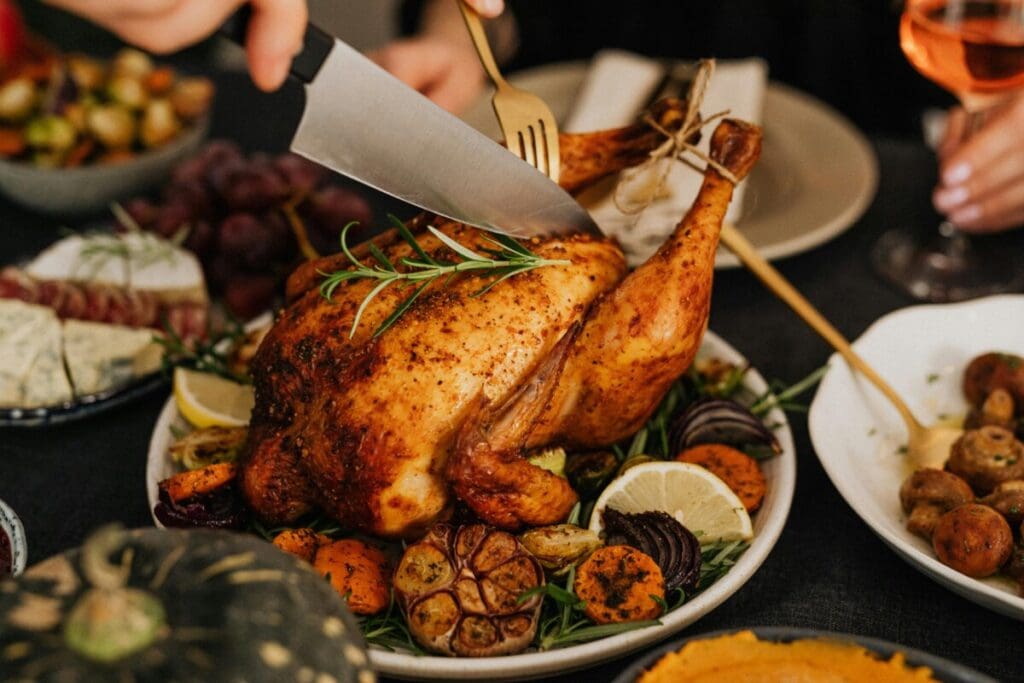
Community leaders highlighted the growing disconnect between official statements and the lived experiences of consumers. They pointed to persistent issues in public markets and grocery stores, including price increases, inconsistent monitoring, and supply-related problems that continue to burden low-income households.
Call for Structural Reforms
Critics urged government agencies to refocus their efforts toward addressing long-standing economic challenges. Concerns included allegations of inefficiency in flood-related projects, unchecked price manipulation, and insufficient action on commodity affordability, issues believed to contribute more significantly to household struggles than holiday meal budgeting.
DTI’s Breakdown of the Budget
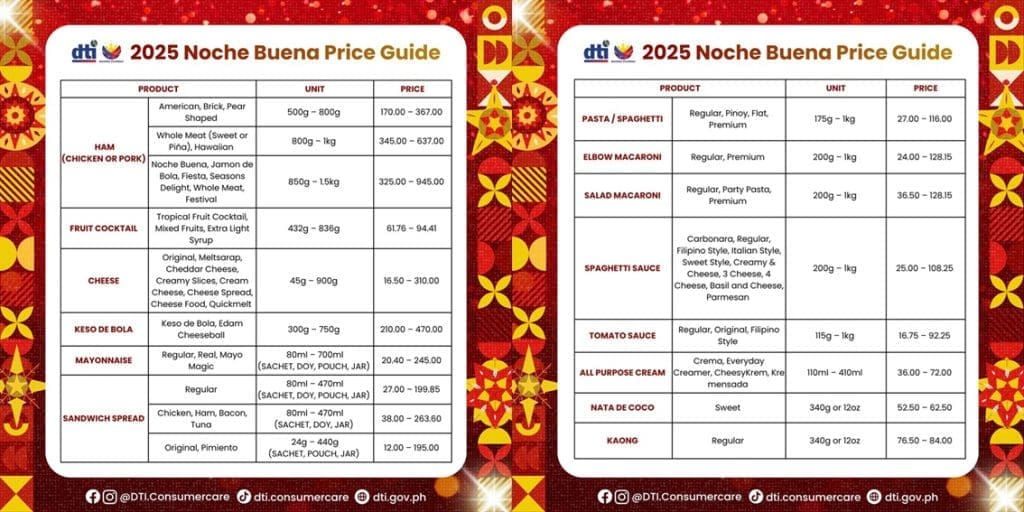
Trade officials explained that the 500-peso estimate applies to small families and is anchored on items listed in the DTI Noche Buena price guide. The suggested selections included budget ham, pasta, spaghetti sauce, and add-ons such as macaroni salad ingredients or preserved meats. Officials emphasized that the estimate outlines only the most basic combination of items.
Household Dynamics and Food Sharing
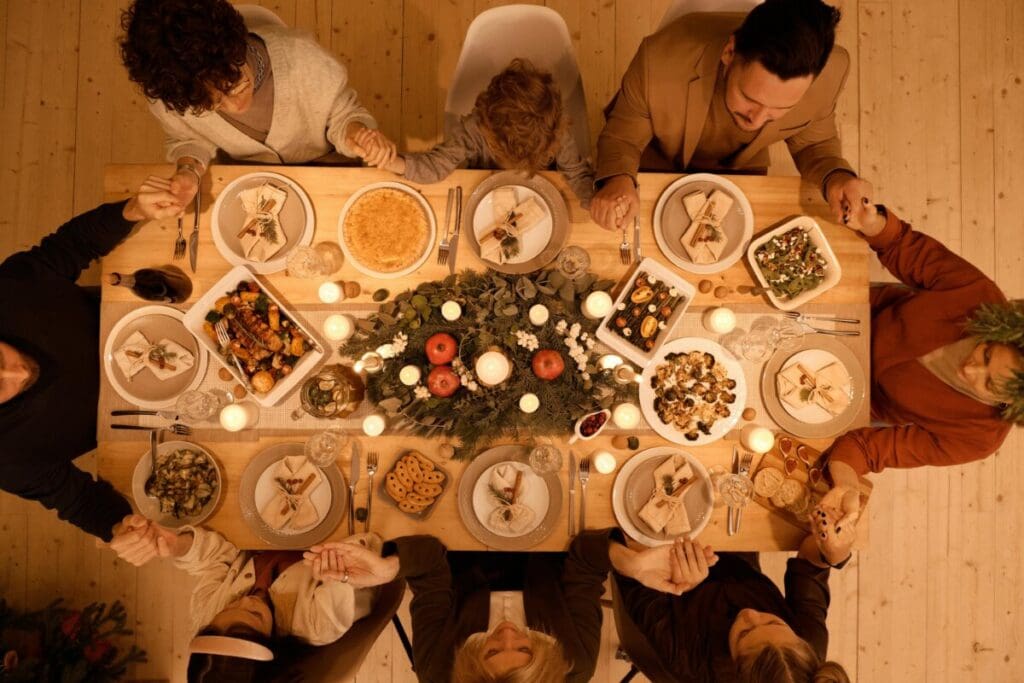
The department noted that actual Noche Buena spending varies depending on family size and food preferences. They also acknowledged that many Filipino households rely on shared contributions from relatives or neighbors, which can help supplement modest spreads and maintain the communal character of the celebration.
Guidance for the Holiday Season

Despite financial limitations, families were encouraged to focus on the meaning behind the tradition rather than the quantity of food served. The narrative surrounding the debate ultimately underscored the importance of shared experiences, cultural continuity, and resilient community ties as Filipinos prepare for the Christmas season.