

There are things about Cebu that you can only understand after spending enough time with its people. It shows in the way we speak, the food we crave, the places we escape to, and the little habits that make everyday life unmistakably Cebuano. Some may seem ordinary to outsiders, while others might leave visitors wondering what we are talking about or why we are acting that way. But for Sugboanons, these are familiar parts of life that never seem to get old. Here are 12 Cebuano things that continue to define us, one “lagi” and one “amping” at a time.
1. “Duol Ra” Is Never a Reliable Distance Measurement
Ask a Cebuano if a place is nearby, and chances are you will hear “duol ra.” The problem is that nearby can mean a five-minute walk, a short motorcycle ride, or a trip that somehow takes an hour because of traffic. What sounds like a quick detour can turn into a full afternoon of commuting, especially when crossing Cebu City during rush hour. Still, we keep using the phrase because, in a Cebuano’s mind, a place can be close enough even if getting there is another story.
2. Our Devotion to Señor Santo Niño Runs Deep
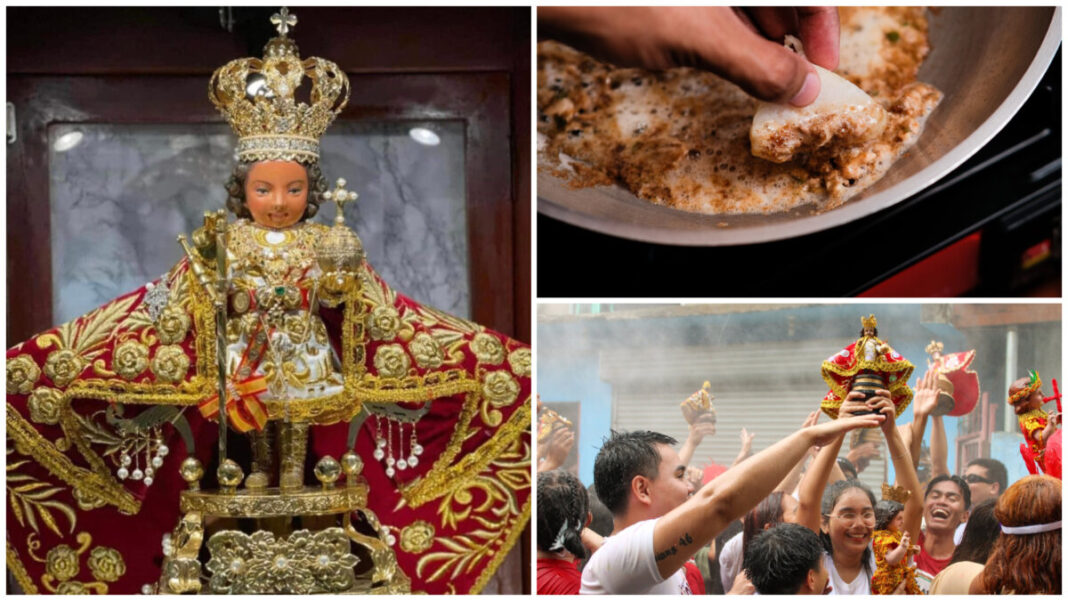
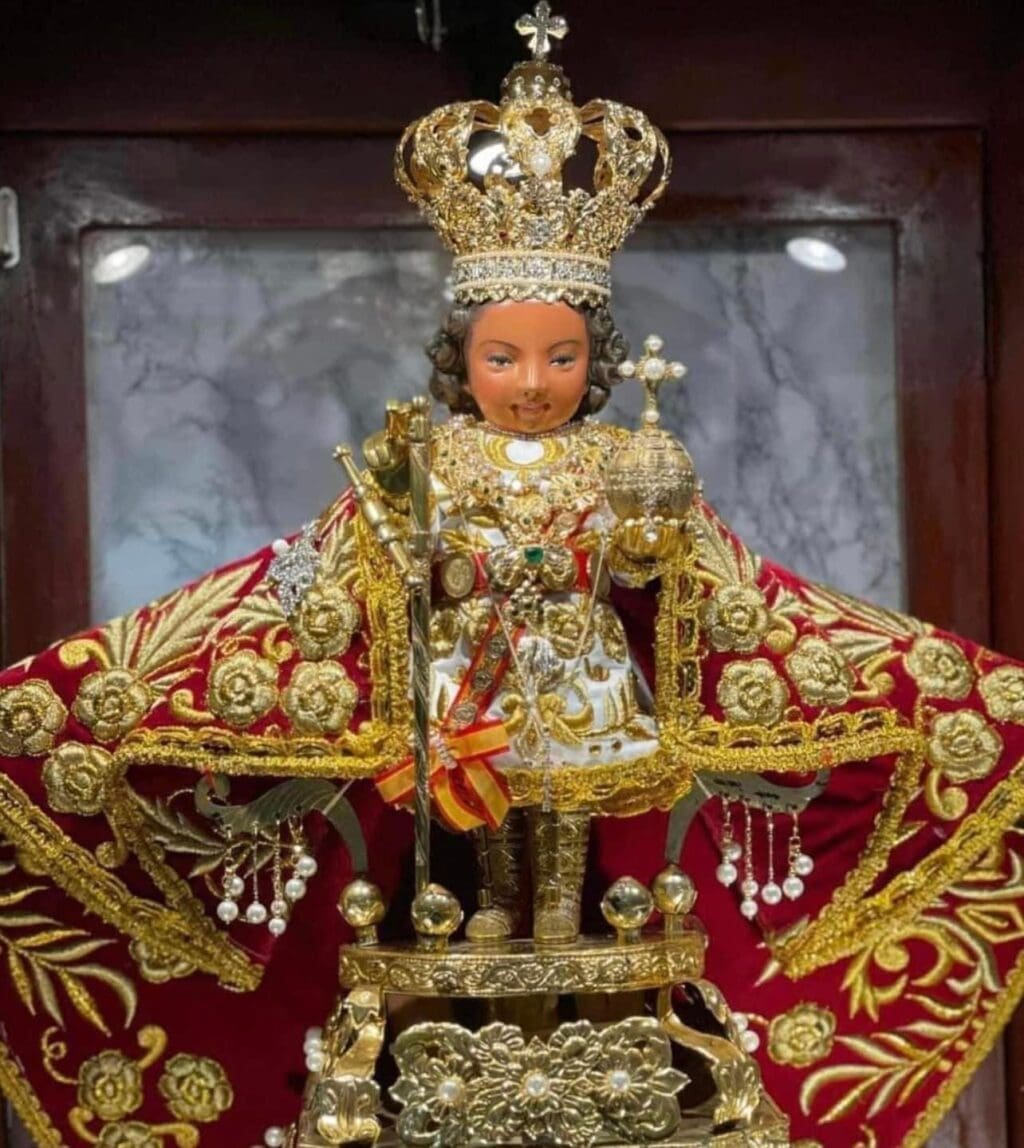
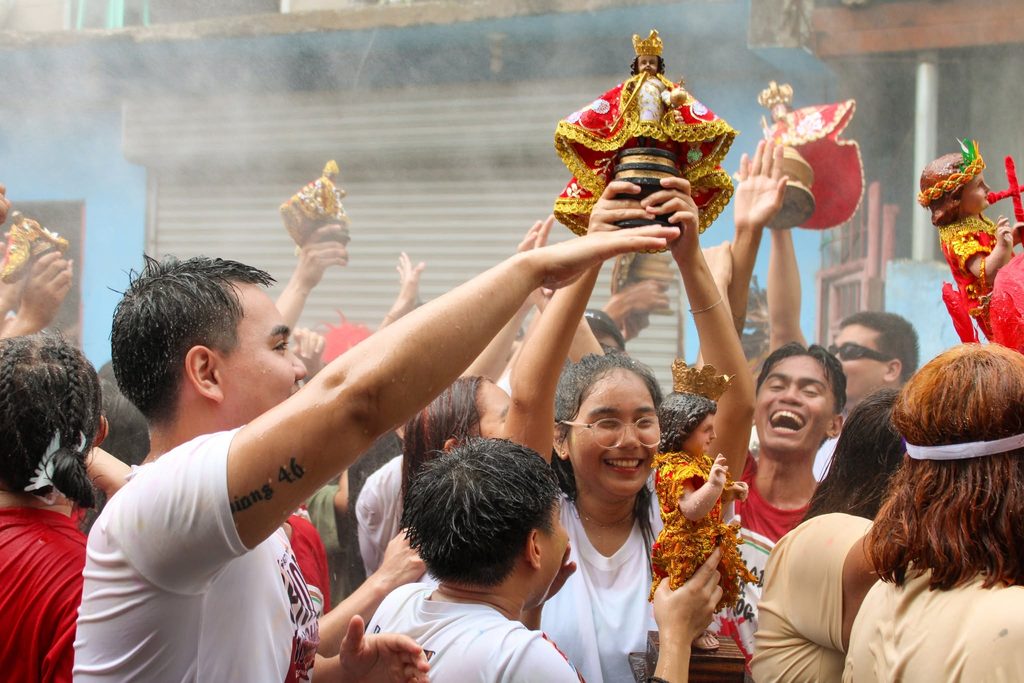
Every January, Cebu comes alive with a devotion that has lasted for generations. The celebration of the Señor Santo Niño brings together devotees, families, pilgrims, and visitors who take part in religious activities and the annual Sinulog festivities. For many Cebuanos, devotion does not end when the festival is over, as prayers, visits to the Basilica, and personal traditions remain part of their lives throughout the year. It is more than a yearly celebration because faith in the Holy Child remains an important part of Cebu’s cultural and religious identity.
3. Puso Will Always Have a Place Beside Our Favorite Meals
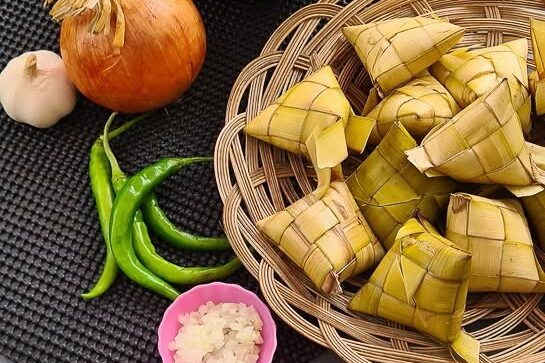
Rice is a staple in Filipino meals, but in Cebu, puso has earned a special place of its own. Wrapped in woven coconut leaves, these rice packets are familiar companions to barbecue, grilled seafood, fried chicken, and many other local favorites. They are easy to carry, convenient to eat, and available in eateries and food stalls across the city. For many Cebuanos, a barbecue meal simply feels more complete with a few puso on the side.
4. “Amping” Is Our Way of Saying We Care
Cebuanos may not always express affection through long messages or dramatic declarations, but one familiar word can say enough. “Amping” is what we tell someone heading home, leaving for work, traveling to another city, or simply going about their day. It carries a simple wish for safety, whether it comes from a parent, a friend, a partner, or someone we have just spent time with. Even after the conversation ends, that little reminder stays with us as a quiet expression of care.

5. Why Use the Whole Word When We Can Shorten It?
Cebuanos have a way of making conversations quicker by trimming familiar words and expressions. “Lagi” can become “ge” in casual exchanges, “kuya” can become “ya,” and “oo” and “dili” can turn into “o” and “di,” depending on the speaker and context. These shortened forms are especially common in everyday conversations and text messages, where a few syllables can make a reply feel more natural. It is not a strict rule of the language, but once you get used to hearing them, the longer versions can sometimes feel unnecessarily formal.
6. We Are Not Fighting. We Are Just Talking.
To someone unfamiliar with Cebuano, a lively conversation between locals might sound like an argument waiting to happen. Voices rise, words come out quickly, and people interrupt one another with a confidence that can be mistaken for anger. But listen a little longer, and you might realize that the group is simply exchanging jokes, telling stories, or debating where to eat. Cebuano conversations can be animated, although speaking loudly does not mean every Cebuano talks the same way. Sometimes, what sounds like a heated exchange is just friends enjoying an ordinary conversation.
7. Talent Deserves the Spotlight
Cebuanos know how to show up for performers and athletes who have earned their admiration. Concerts featuring popular artists can draw enthusiastic crowds, while sporting events bring supporters together to cheer for their favorite teams and players. What matters is the experience of witnessing someone deliver a performance worth remembering, whether onstage, on the court, or in the ring. Cebu’s appreciation for talent is evident in the audiences who spend their time and money to support the people and events they believe are worth watching.
8. Tuslob Buwa and Lechon Are Always Worth Talking About
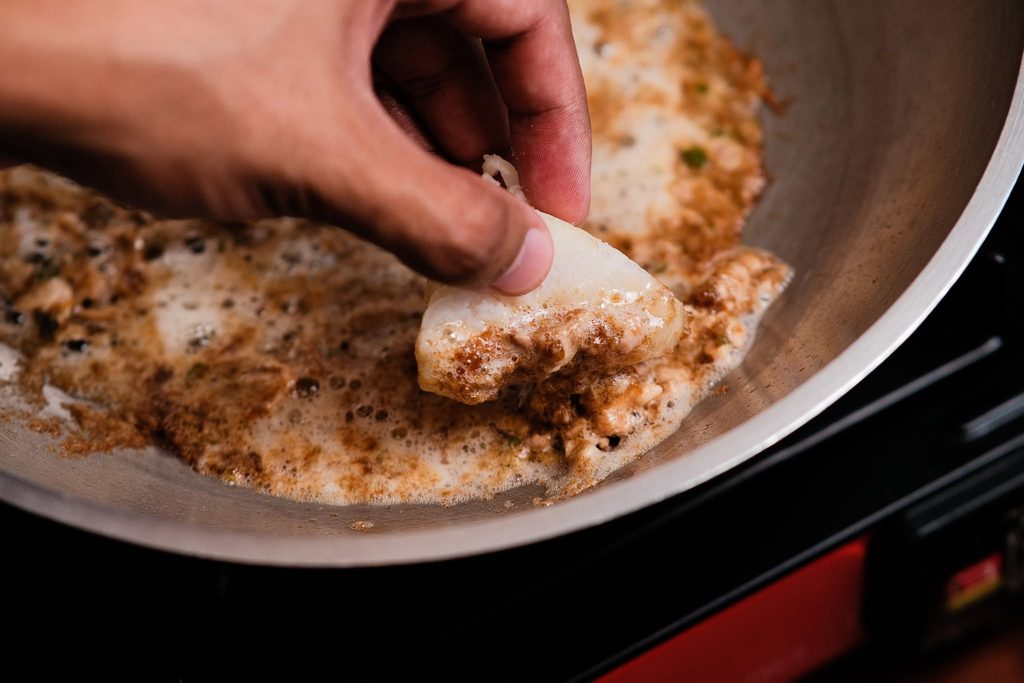
Ask Cebuanos about food worth introducing to visitors, and tuslob buwa and lechon are likely to enter the conversation. Tuslob buwa, a Cebuano dish traditionally enjoyed by dipping puso into a bubbling mixture of pork-based ingredients, is known for its distinctive preparation and communal way of eating. Lechon, meanwhile, is a familiar centerpiece at fiestas, family gatherings, and special occasions, celebrated for its roasted skin and flavorful meat. They offer different experiences, but both have become recognizable parts of Cebu’s food culture.
9. Sulit Matters More Than the Price Tag
Cebuanos can be practical when deciding where to spend their money. A restaurant may look attractive and promise an impressive dining experience, but if the food disappoints, getting a second visit can be difficult. On the other hand, an expensive hotel may still feel worth every peso if its amenities, service, comfort, and overall experience deliver what guests expect. The question is not always whether something is cheap or expensive, but whether the experience justifies the cost. For many locals, “sulit kaayo” remains one of the best compliments a business can receive.
10. Mahinabangon, Especially When It Matters Most
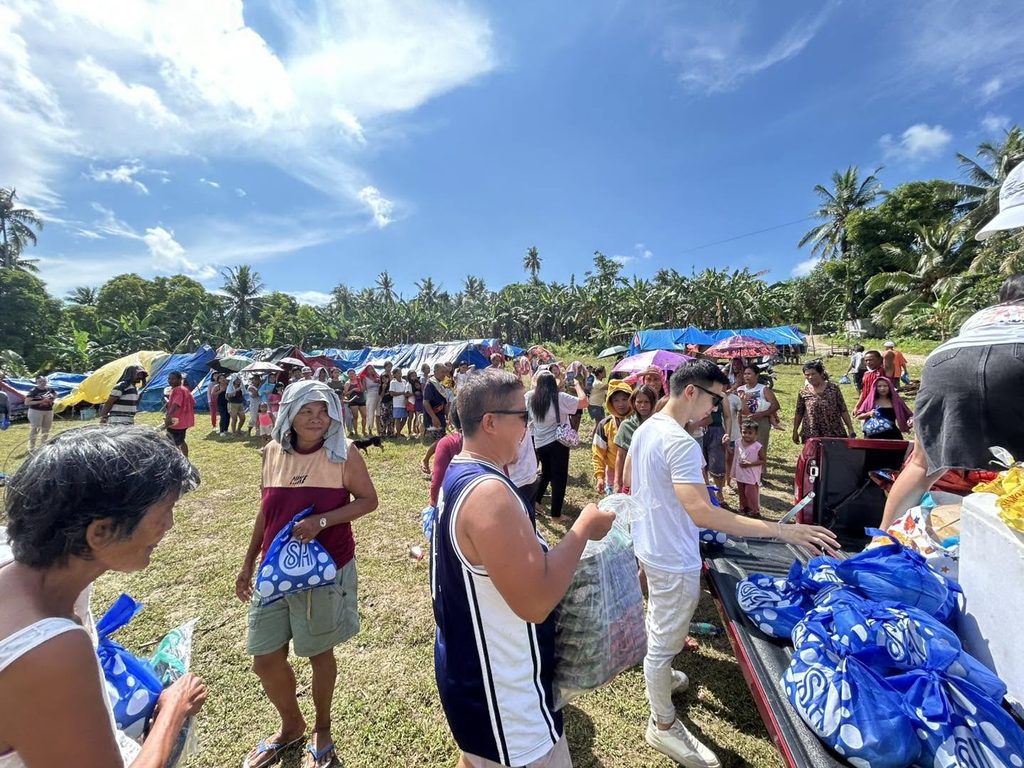
When calamities strike, the strength of a community becomes more visible. Cebuanos have seen earthquakes, typhoons, flooding, and other emergencies disrupt homes and livelihoods, yet neighbors and volunteers continue to find ways to help those affected. Some donate food, clothes, and essential supplies, while others assist with relief operations, rescue efforts, or rebuilding damaged homes. This spirit of bayanihan does not mean hardship is easy to overcome, but it shows how people can make a difference when they choose to help one another.
11. Sinulog Is a Celebration We Know by Heart
For many Cebuanos, Sinulog is one of the most anticipated celebrations of the year. The familiar “Pit Señor!” greeting, the festival music, the street dancing, and the devotion to the Señor Santo Niño bring a distinct energy to the city every January. Families make plans, friends find ways to meet, and visitors arrive to witness a celebration deeply rooted in Cebu’s religious and cultural traditions. Whether people participate in the religious activities, watch the performances, or simply enjoy the festive atmosphere, Sinulog remains a major part of Cebu’s identity.
12. Give Us a Beach or a Mountain, and We Will Find Our Way There
One weekend might call for a swim in clear waters, while the next might mean waking up before sunrise to climb a mountain. Cebu offers both coastal escapes and highland destinations, giving locals plenty of options for a quick break from work and city life. Some prefer the beaches of southern Cebu, while others head to the highlands for cooler air, scenic views, and hiking trails. Ask around, and you may find someone who knows a quiet beach, a lesser-known viewpoint, or a favorite mountain trail. That love for exploring, however, also comes with a responsibility to respect local communities, follow trail rules, and keep natural spaces clean.
The Little Things That Make Us Cebuano
What makes Cebu special is not just its beaches, mountains, food, festivals, or growing cities. It is also the everyday humor, familiar expressions, shared meals, practical choices, and willingness to lend a hand that people carry with them wherever they go. Not every Cebuano will share the same habits, and traditions naturally change with time, but these familiar experiences continue to connect people across generations. From saying “duol ra” when the destination is anything but close to reminding someone to “amping” before they leave, these little things make life in Cebu feel like home.