
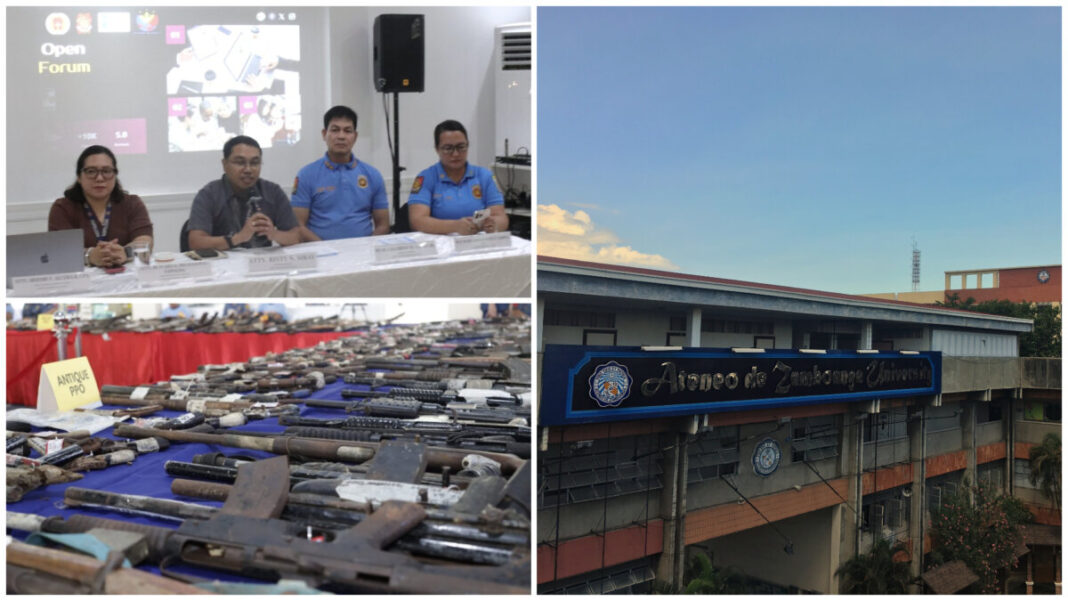

Another school shooting has left Filipino families asking how a student could bring firearms into a campus and turn a place of learning into a scene of violence. But as authorities investigate the August 18 shooting at a school affiliated with Ateneo de Zamboanga University, another controversy has emerged over who should be held responsible for the growing concern over student violence. Read on to see why teachers are now at the center of the debate.
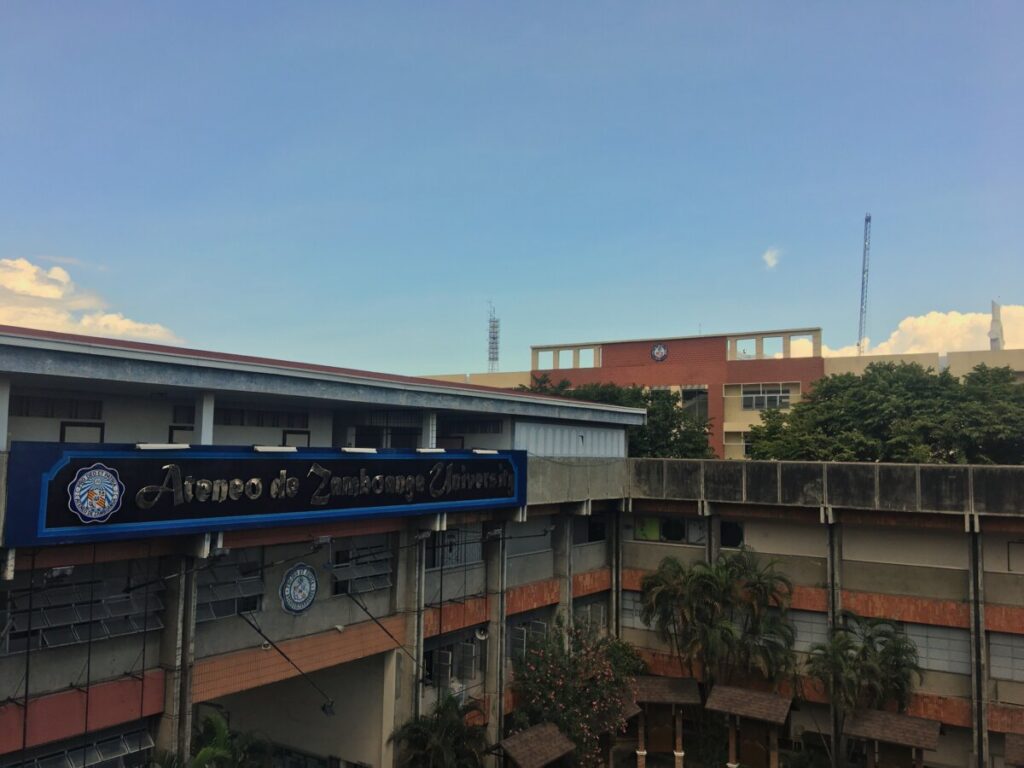
A Tragic Incident In Zamboanga
The August 18 shooting involved a Grade 9 student who allegedly shot and killed a Grade 10 student before taking his own life. Two other people were reportedly injured during the incident, according to initial reports. Authorities are investigating the motive, the student’s online activity and how firearms believed to belong to his father were brought into the school.
Teachers Enter The Conversation
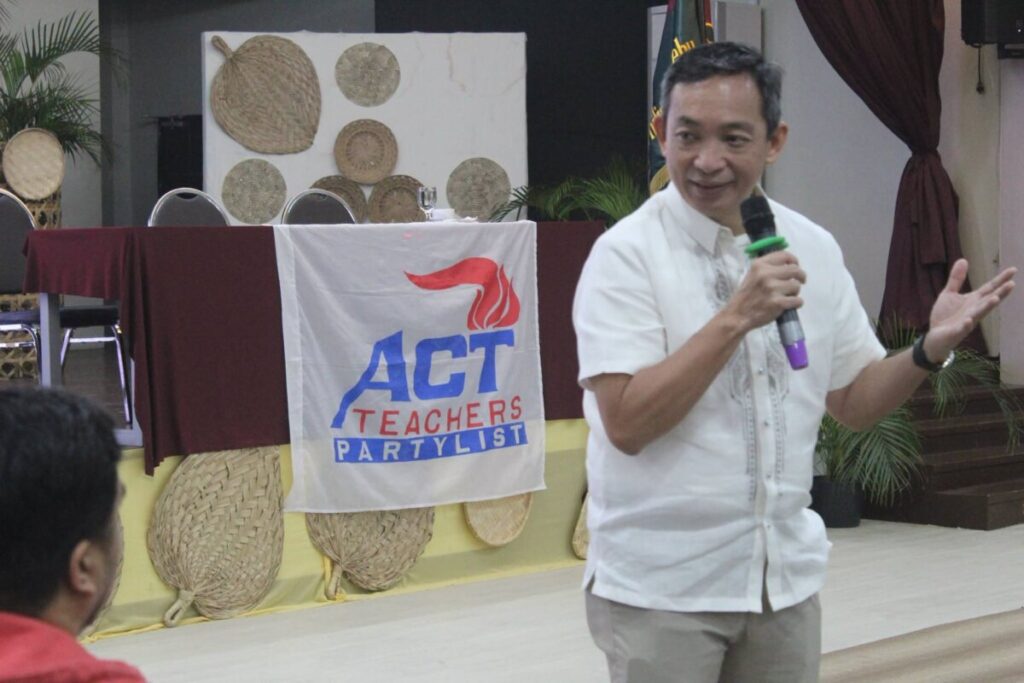
Following the incident, Palace Press Officer and PCO Undersecretary Claire Castro said teachers also have a role in shaping students’ behavior. She was quoted as saying that some teachers themselves teach students how to be disrespectful toward older people and others. Her remarks quickly drew criticism from teachers’ groups, including ACT Teachers, which accused the Palace of shifting blame onto educators.
ACT Teachers Pushes Back
ACT Teachers rejected the suggestion that educators should be blamed for the country’s culture of violence. The group argued that teachers themselves face difficult working conditions, heavy workloads and insufficient support. It also said that addressing violence requires looking at wider problems instead of placing responsibility on teachers alone.
Teachers Are Not The Only Influence
A student’s behavior is shaped by more than what happens inside a classroom. Parents, family members, friends, communities, social media and the online environment can all influence how young people respond to conflict. This makes school violence a wider concern that cannot be traced to teachers alone without evidence.
The Gun Access Question
One of the biggest questions surrounding the Zamboanga shooting is how a minor gained access to firearms. Initial reports said the weapons were believed to belong to the student’s father, who was a customs official. Authorities are investigating the ownership and storage of the firearms as part of the case.
A Second Shooting In Two Months
The Zamboanga incident came less than two months after another deadly school shooting in Tacloban City. The June 22 attack at San Jose National High School killed three students and injured around 20 others. The two incidents have intensified calls for stronger school security, better prevention measures and closer attention to the factors behind youth violence.
What Government Has Already Done
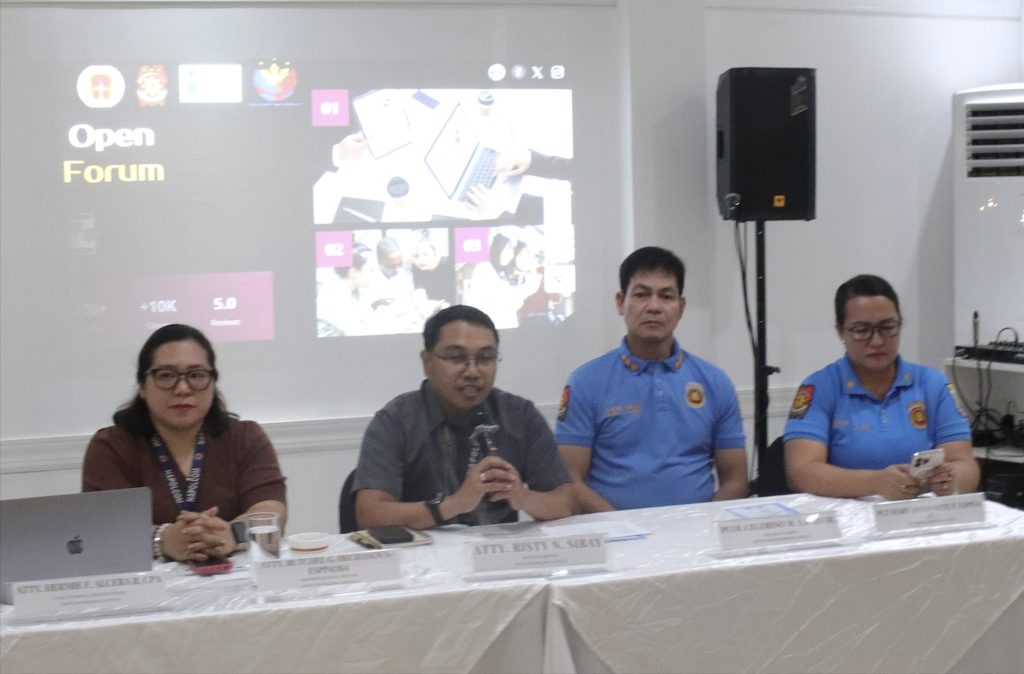
After the Tacloban shooting, the government moved to strengthen school safety measures. The Department of Education launched nationwide active threat drills covering lockdown, lockout and evacuation procedures. DepEd has also pushed for stronger emergency plans, additional security personnel and other measures intended to help schools respond to threats.
The Bigger Issue Is Prevention
Security guards and emergency drills can help during an attack, but prevention starts much earlier. Schools need effective anti-bullying programs, accessible counseling and clear systems for reporting threats. Families and communities also have a role in identifying warning signs and keeping firearms and other dangerous items away from children.
A Debate That Should Go Beyond Blame
The question after another school shooting should not simply be who to blame. It should also be how a minor gained access to a firearm, whether warning signs were missed and whether existing safety systems worked. Teachers can help shape students’ values, but preventing school violence requires cooperation among schools, families, communities and government agencies.
Keeping Classrooms Safe
For teachers, students and parents, the goal remains the same: schools should be places where children can learn without fear. The recent shootings show that school safety requires more than assigning responsibility after a tragedy. It requires finding the gaps before another student walks into a classroom carrying violence.