
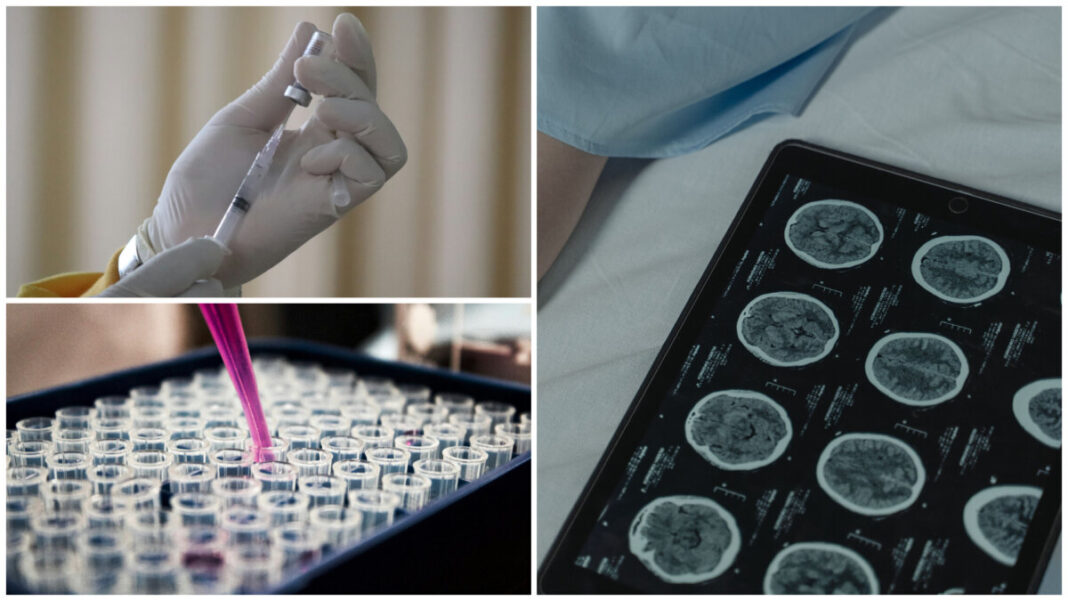
For years, brain tumors have remained one of the hardest forms of cancer to treat, leaving many patients with limited options even after surgery, chemotherapy, and radiation therapy. Now, a new study is giving doctors and patients a reason to look ahead with renewed hope. Researchers have reported encouraging long-term results from an experimental vaccine that may help stop certain aggressive brain tumors from coming back. Read on to learn how this treatment works, what the study found, and what it could mean for future cancer care.

Eight Year Results Show Encouraging Survival
The study was led by researchers from the German Cancer Research Center, University Medical Center Mannheim, Heidelberg University Hospital, and several partner institutions. It involved 33 patients diagnosed with high grade astrocytomas, an aggressive type of brain tumor known for returning even after treatment. Along with standard therapy, the patients received an experimental therapeutic vaccine. Eight years later, researchers reported in the journal Nature that 66 percent of the participants were still alive, while 42 percent had no signs of their tumors returning. The team said the findings were stronger than expected, especially considering how difficult these tumors are to manage.
This Vaccine Is Different From Regular Vaccines
Unlike vaccines used to prevent illnesses such as measles or COVID-19, this treatment is designed for people who already have cancer. Known as a therapeutic vaccine, it helps the body’s immune system recognize and attack remaining cancer cells after surgery and radiochemotherapy. The vaccine targets a specific mutation in the IDH1 gene, which is found in many grade three and grade four astrocytomas. Since healthy cells do not carry this mutation, researchers believe it is an ideal target for treatment.

Training the Immune System to Fight Back
Scientists explained that the IDH1 mutation creates an abnormal protein that the immune system can identify as foreign. Once the vaccine is given, it activates T cells that attack tumor cells and B cells that produce antibodies against them. This dual immune response aims to destroy any remaining cancer cells before they can grow again. Researchers hope that keeping the immune system active for a long period could lower the risk of tumor recurrence after treatment.
Experts Say More Research Is Still Needed
Although the findings are encouraging, researchers stressed that the study involved only 33 patients. Dr. Michael Platten, one of the study leaders, said the results should be viewed with careful optimism until larger clinical trials confirm the benefits. Neuro-oncology specialist Dr. Ulrich Herrlinger, who was not part of the research, agreed that the vaccine could become an important step forward but noted that more evidence is needed before it becomes a standard treatment. High grade astrocytomas almost always return, making new treatment options especially important.

Larger Clinical Trial Starts in 2027
To better understand how well the vaccine works, researchers will launch a larger randomized clinical trial involving more than 200 patients in March 2027. The study will compare the vaccine with standard treatment and determine whether booster doses can improve long-term protection. Because patients need to be followed for several years, researchers expect reliable results to become available around nine years after the trial begins. Until then, the current findings offer hope while reminding patients that the treatment remains under investigation.
Understanding Glioblastoma
Glioblastoma is another aggressive brain tumor that affects the brain or spinal cord and is considered the most common and deadliest form of brain cancer in adults. Despite advances in surgery, radiation therapy, and chemotherapy, patients usually survive only 15 to 17 months after diagnosis, while the five year survival rate remains around five percent. Because of its rapid growth and resistance to treatment, researchers around the world continue to search for better ways to extend survival and improve quality of life.

Another Vaccine Is Also Showing Promise
A separate Phase III clinical trial involving the DCVax L vaccine has also reported encouraging results for patients with glioblastoma. The study, which included more than 300 patients, found that newly diagnosed patients had a median survival of 22.4 months, while the five year survival rate increased from five percent to 13 percent. Researchers believe the vaccine helps activate immune cells that can recognize and attack cancer cells. While the treatment is still being evaluated, the results suggest that combining immunotherapy with existing treatments may offer patients more time and better outcomes.
Signs That Should Not Be Ignored
Brain tumors can affect different parts of the brain, so symptoms often vary from one person to another. Common warning signs include persistent headaches that become more frequent, seizures, changes in speech, blurred or double vision, loss of balance, unusual mood or personality changes, and weakness or numbness in parts of the body. These symptoms do not always mean a person has a brain tumor, but they should never be ignored. Early medical evaluation remains one of the most important steps toward timely diagnosis and treatment.

Looking Ahead
Scientists still do not know exactly what causes most brain tumors, although age, previous radiation exposure, certain inherited conditions, and some environmental factors may increase the risk. While there is still no cure for aggressive brain cancers, advances in immunotherapy are opening new possibilities that were not available just a few years ago. The latest vaccine study does not offer immediate answers, but it marks another important step toward treatments that may one day help patients live longer and reduce the chances of their cancer returning.