
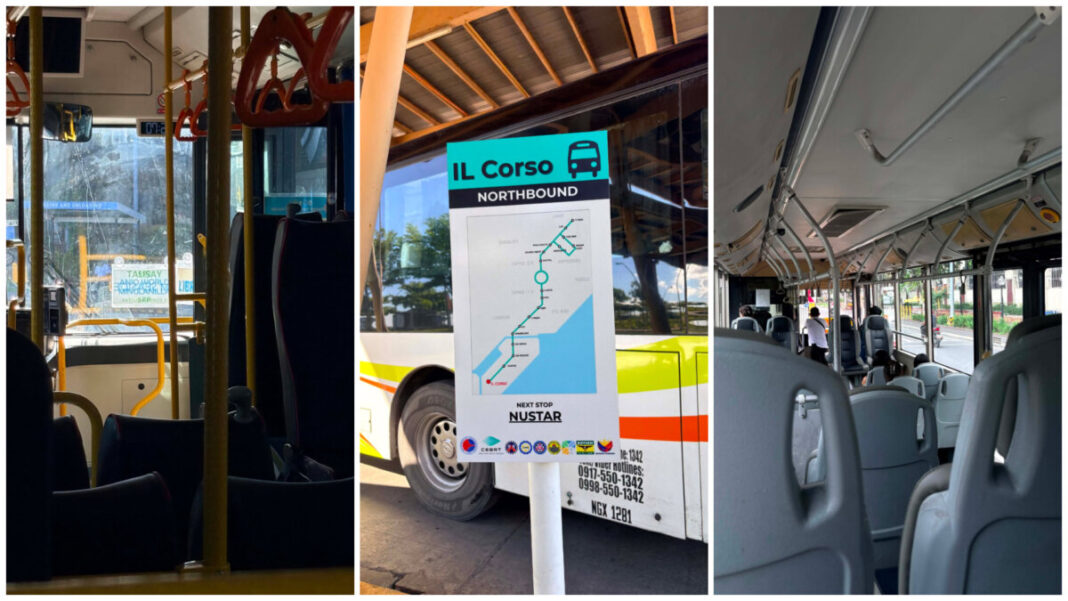

For many Cebuanos, the Love Bus became more than just another bus on the road. Every free ride meant a few pesos saved, especially for students and workers who commute almost every day. Since its launch in Cebu in 2025, the program has given commuters another way to travel during peak hours, including routes connecting the north and south. But after months of actually riding these buses, I found that the bigger question is not only whether the ride is free, but how well the service is being delivered. Read on to see what I observed on the road.
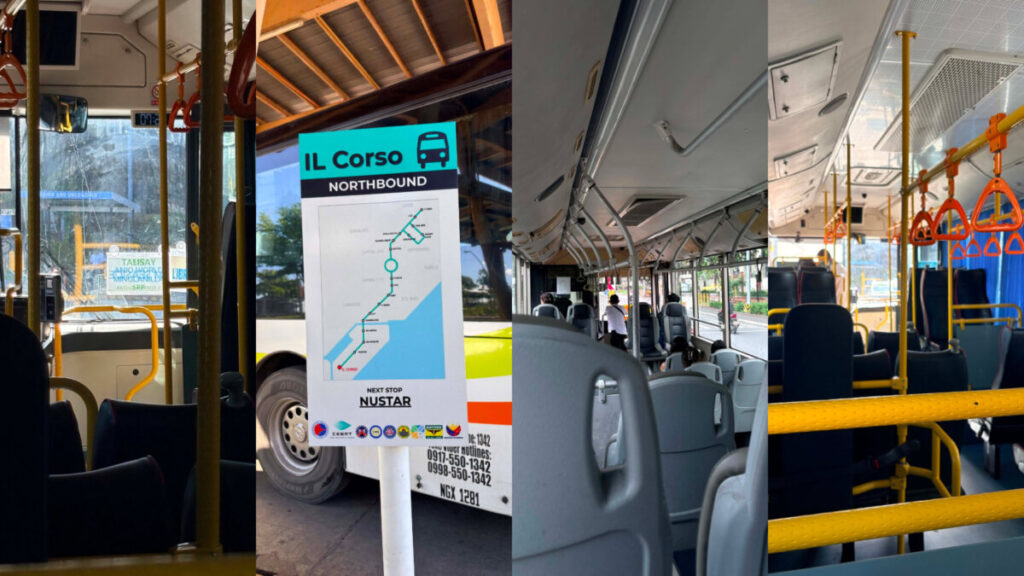
Free Ride, Real Savings
The Love Bus program has been a welcome relief for commuters dealing with Cebu’s daily transportation costs. The program provides free rides during designated peak hours, from 6 a.m. to 9 a.m. and 5 p.m. to 8 p.m., including weekends and holidays. For students and workers who take public transportation several times a week, those savings can add up over time.
I personally appreciate the idea behind the program because transportation is one of the expenses that many Cebuano families have to deal with every day. A free bus ride may seem small to some people, but for someone trying to stretch a daily allowance or salary, it can make a difference. I have seen passengers get off the bus and say “salamat” or “thank you,” which shows how much the service is appreciated.
I Rode The Buses Myself
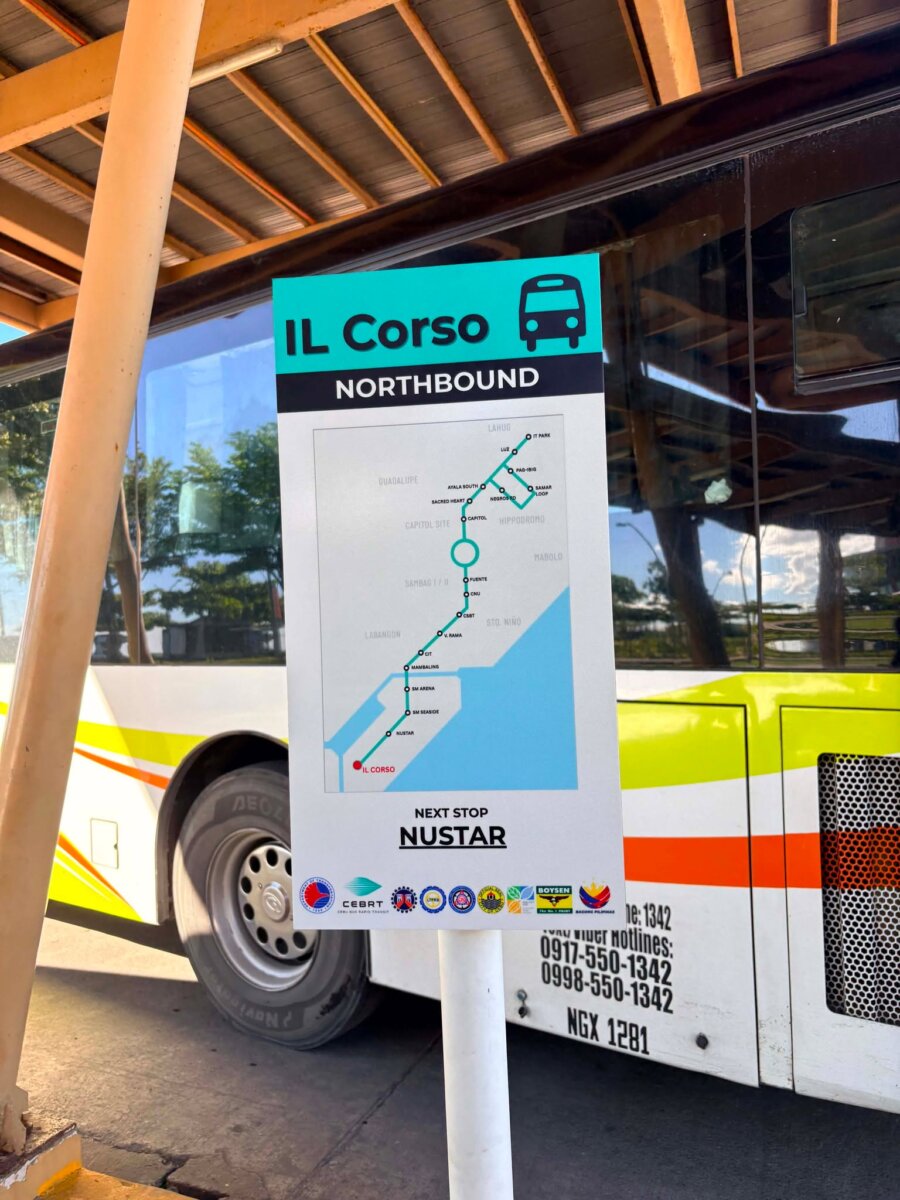
Instead of judging the program based only on what I hear from other commuters, I spent months riding and observing the Love Bus services myself. I rode MyBus, CiBus and Ceres Liner units carrying the program, paying attention to how buses were dispatched, how drivers dealt with passengers and how consistently the service operated. These observations are based on my personal experience and should not be taken as a review of every driver or every trip.
What I noticed was that the three services did not always provide the same experience. Some trips were smooth and convenient, while others left passengers waiting longer than expected. For me, this is where the discussion about the Love Bus becomes more important because a free ride is only useful if commuters can actually depend on it.
MyBus Stood Out
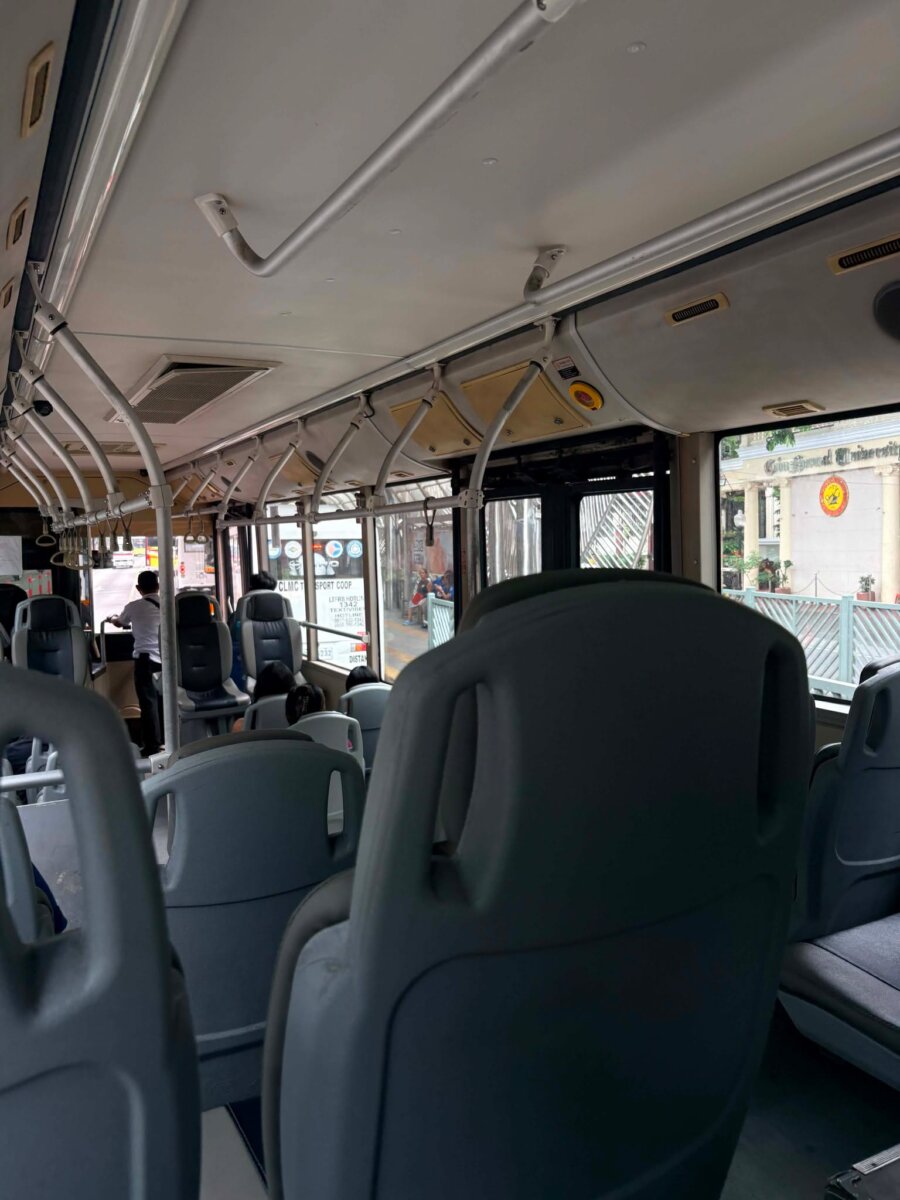
Among the three, MyBus was the service I found most consistent during my observations. Buses were generally dispatched on time, and I often saw free-ride units being sent out when drivers were available. There were also instances when drivers stopped for passengers who hailed the bus even when they were not directly at a designated bus stop.
I found this particularly convenient because some bus stops are relatively far apart. Of course, passenger loading should still follow the proper rules and safety considerations, but the willingness to accommodate commuters made the service feel more responsive. The main problem I noticed with MyBus was during the evening rush, when buses could become extremely crowded because many workers were heading home at the same time.
CiBus Needs Better Consistency
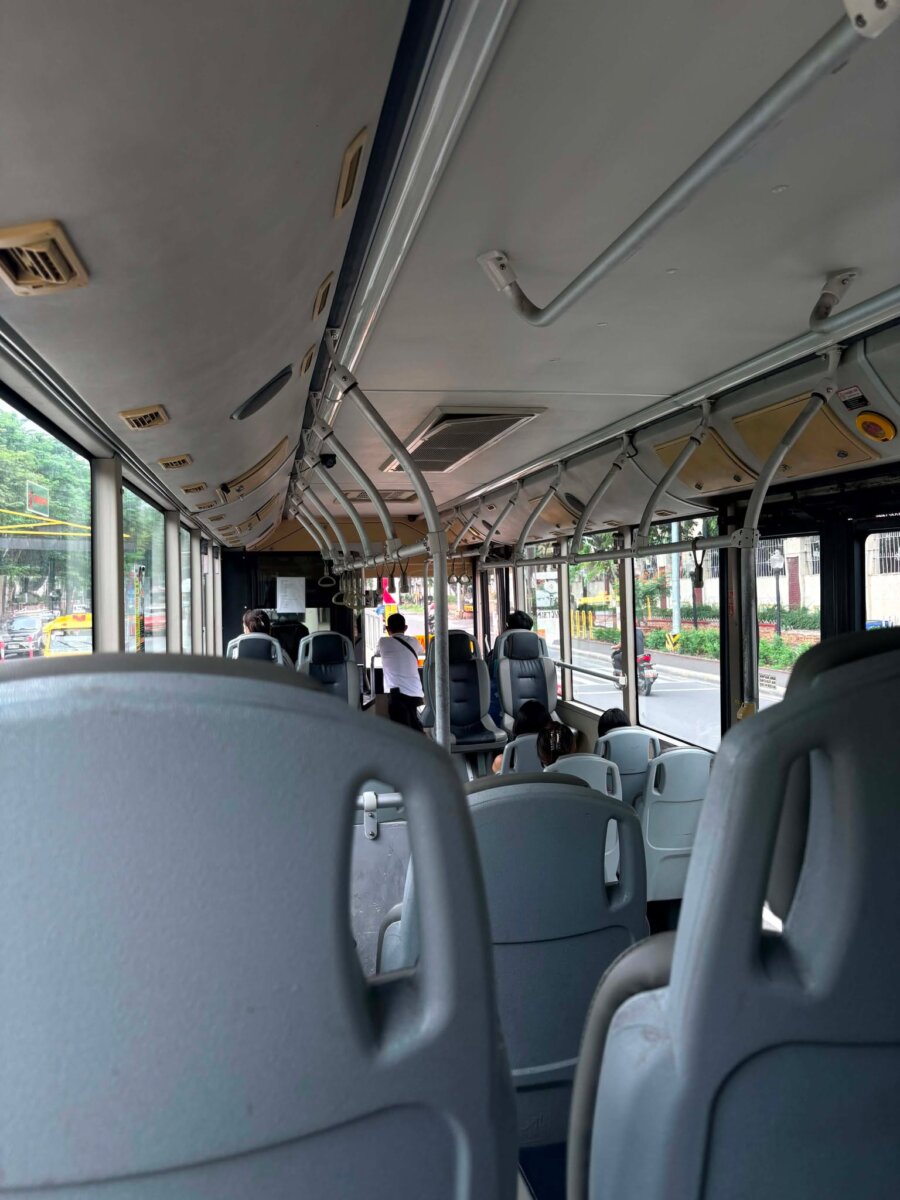
My experience with CiBus was more mixed. The buses generally followed designated stops, but I also witnessed instances when passengers waiting at certain stops were not picked up. For a commuter who has already waited under the heat or rain, seeing a bus pass without stopping can be frustrating.
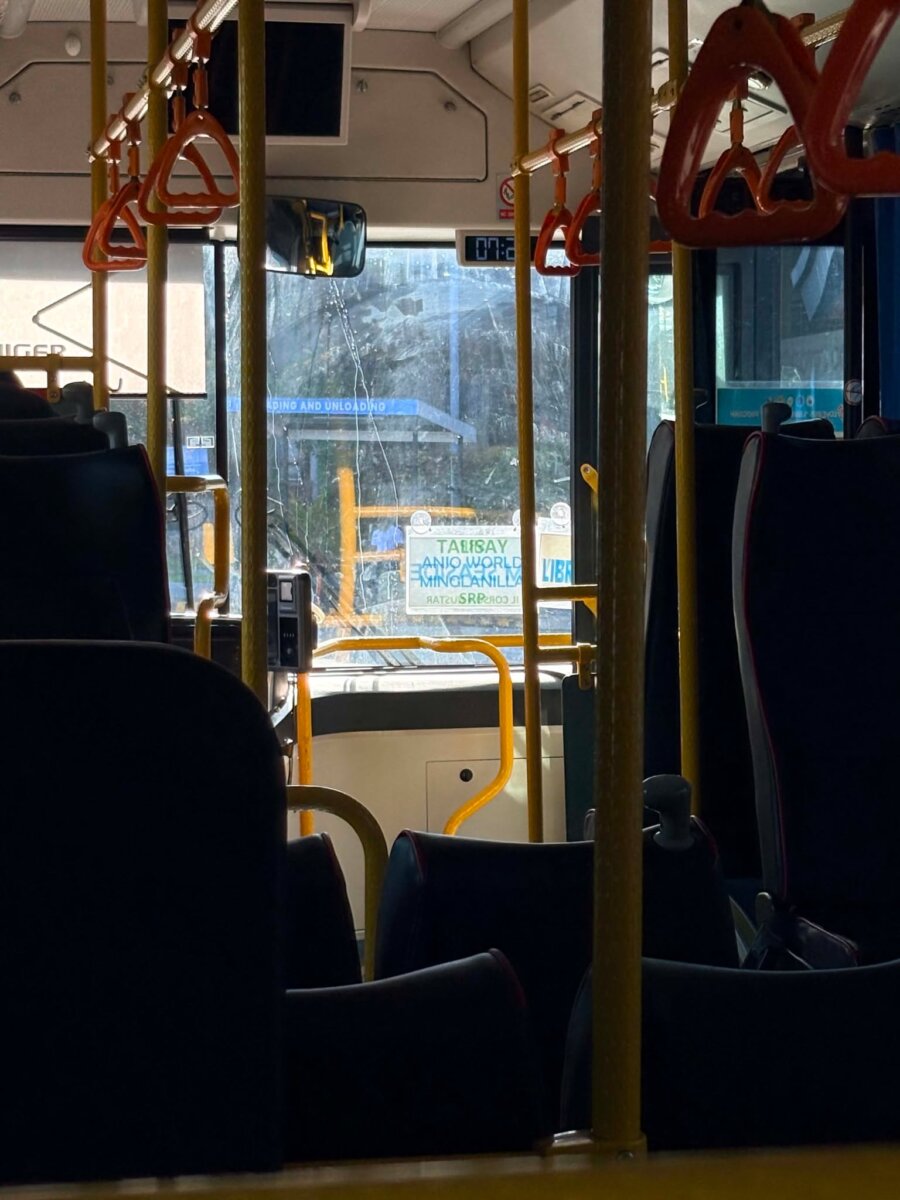
I also noticed inconsistencies in bus dispatching from the Il Corso terminal. Based on my observations, there were mornings when I did not see a free bus dispatched between around 8 a.m. and 9 a.m., despite passengers waiting. I encountered information indicating 8 a.m. and 8:20 a.m. dispatches, but there were occasions when the later trip did not appear and passengers had to wait until the next available bus or find another way to travel.
That gap matters because the free-ride program is supposed to help commuters during peak hours. When a scheduled or expected trip does not materialize, passengers may end up taking another bus, booking a taxi or waiting much longer. I also encountered instances where the behavior of some drivers along the road did not meet the level of professionalism I would expect from a public transport service.
Ceres Liner Has Similar Concerns
Ceres Liner operates from the same general terminal area as CiBus, and my experience with it also had both good and bad moments. I noticed that Ceres buses were generally less likely to stop at random locations or respond to passengers hailing from outside designated stops. In terms of passenger safety and traffic rules, following designated stops is understandable, but commuters can still feel frustrated when they are waiting and the bus passes by.
Another concern I observed was the lack of consistency in morning dispatches. There were occasions when I did not see a bus dispatched between around 8 a.m. and 9 a.m., leaving passengers with limited options during a time when many were heading to work or school.
Free Does Not Mean Settle For Less
This is where I believe commuters need to be careful. We should absolutely appreciate the Love Bus because it provides real savings, but we should not feel that being free means we have to accept poor service. The program is a government-supported service, with the government covering the fare under the service contracting scheme, so the public has a reasonable expectation that the service should be reliable and properly implemented.
For me, this is also why the program should be viewed as a public service rather than simply a free giveaway. Commuters are not asking for luxury buses or perfect traffic conditions. They are asking for buses to arrive, operate during the announced hours, stop where they are supposed to stop and for passengers to be treated properly.
The Love Bus Is Going In The Right Direction
I do not think the Love Bus program is a failure. In fact, I think it is a good initiative that deserves to continue and improve. The government has already acknowledged service concerns in the program, with transportation officials previously saying that reported lapses involving units not operating or not picking up passengers during designated free-ride hours would be addressed.
The next step should be improving consistency. Clearer dispatch schedules, better monitoring of actual bus deployment, stronger accountability for missed trips and regular checks on driver conduct could make a big difference. If commuters know exactly when the next bus is coming and can trust that it will actually arrive, the program becomes much more valuable.
What Should Improve?
The first thing I would like to see is a clearer and more accessible schedule for every Love Bus route. Commuters should not have to rely on word of mouth or simply stand at a terminal hoping that a bus will eventually be dispatched. Real-time updates would also help passengers decide whether to continue waiting or take another route.
Driver conduct should also be monitored more closely. Most drivers I encountered were simply doing their jobs, but the few instances of behavior that I found unprofessional should not be ignored. A government-supported transport program should come with clear standards for how passengers are treated on the road.
Keep The Love Bus, Improve The Ride
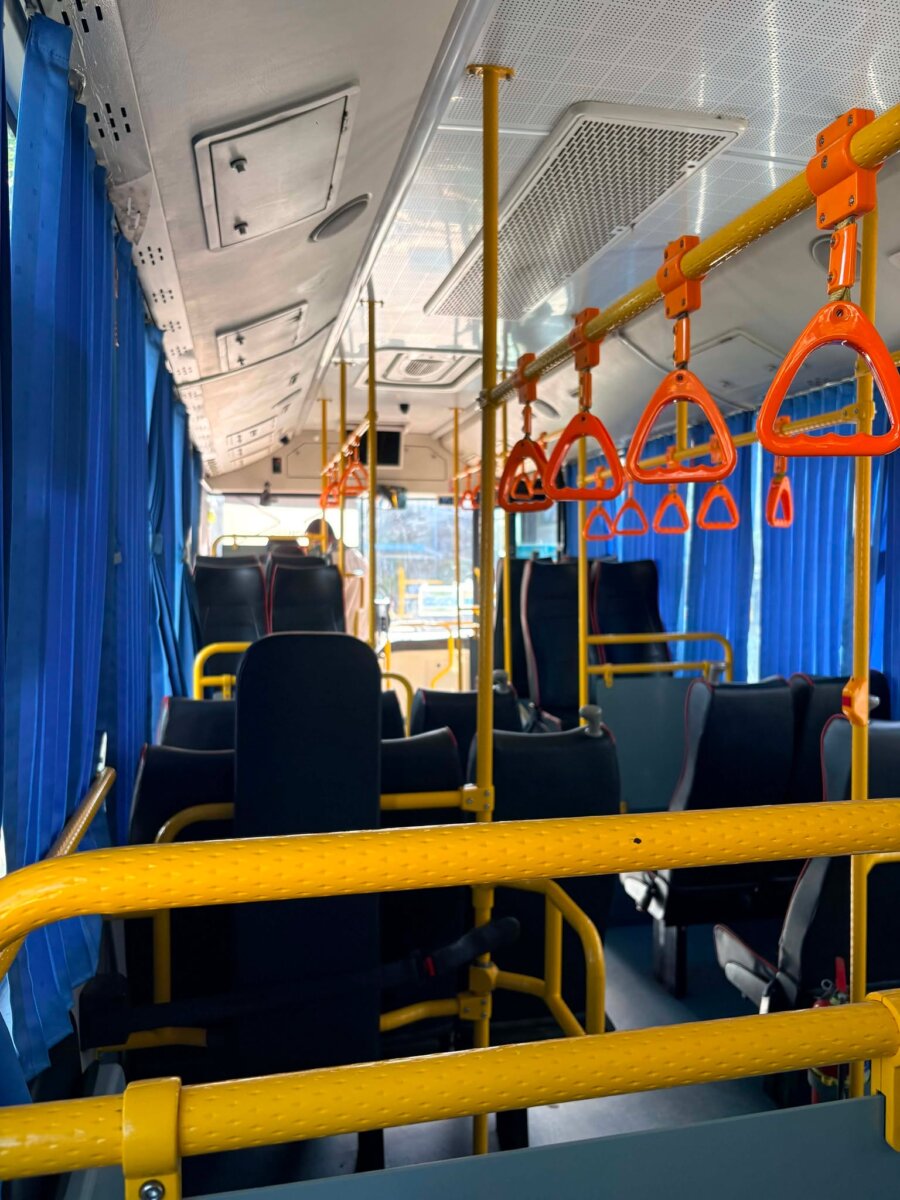
After months of riding MyBus, CiBus and Ceres Liner, my overall opinion remains positive about the idea behind the Love Bus. It saves money, gives commuters another transportation option and provides noticeable relief to people who depend on public transportation every day. But the program can still be much better than what commuters are experiencing now.
A free ride is valuable, but a reliable free ride is even better. Cebuano commuters deserve a service that is not only free, but also consistent, safe, respectful and easy to understand. The Love Bus is already on the right road; now, it just needs better service along the way.
Your Experience
My experience may be different from yours, especially because bus operations can change depending on the route, time, traffic and available units. If you regularly ride the Love Bus, MyBus, CiBus or Ceres Liner, your experience can help paint a bigger picture of how the program is working. Kamo, unsay experience ninyo sa Love Bus?