
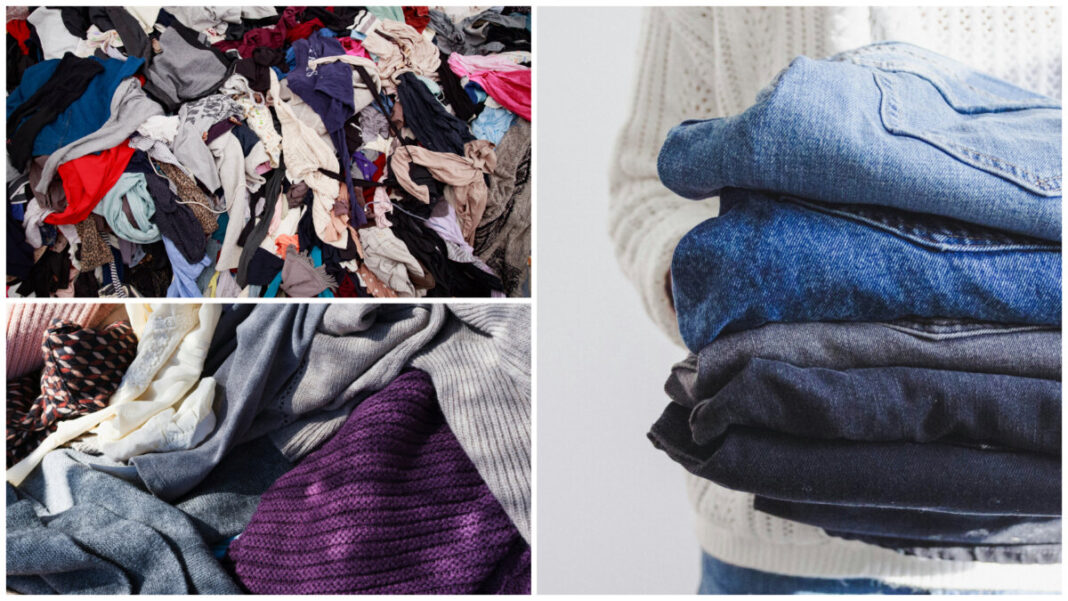

A crowded closet can make it easy to forget about clothes that have not been worn in months or even years. Instead of letting old shirts, pants and other pieces collect dust, they can still have a purpose outside your wardrobe. Donating usable clothes can give them a second life while helping people and communities who may need them. Before filling up a donation bag, here are some things to consider and places you can check.

Start With a Closet Check
Before donating, go through your clothes and separate the pieces you no longer need. Look for items that are still clean, wearable and in reasonably good condition. Clothes with stains, strong odors, mold or serious damage may not be suitable for donation and may need to be repaired, recycled or disposed of properly instead.
It also helps to consider whether the clothing is appropriate for the people who will receive it. Basic shirts, pants, children’s clothes and other practical pieces can be useful to donation programs. Wash and dry the clothes before packing them so they are ready for their next owner.
Ask Before Dropping Off
Donation policies can change, so do not assume that an organization is accepting clothes simply because it accepted them in the past. Contact the organization or check its official social media page before bringing your donations. Ask about the items currently needed, accepted drop-off locations and whether appointments are required.
This simple step can prevent unwanted donations from piling up at organizations that may have limited storage space. It can also help you send the right items to communities that need them most.

Check Out H&M’s Garment Collection Program
H&M has a garment collection program that accepts unwanted textiles through participating stores. The program focuses on giving unwanted garments and textiles another use instead of sending them directly to landfill.
If you are planning to donate through H&M, check with your nearest branch first for its current collection arrangements and accepted items. Clothes that are no longer suitable for wearing may be handled differently from pieces that can still be used.
Give Pre-Loved Clothes Through Uniqlo
Uniqlo has its RE.UNIQLO initiative, which collects selected pre-loved Uniqlo clothing and works to give usable pieces a new life. Some garments are redistributed to people in need through the company’s clothing donation activities.
Before bringing your clothes to a Uniqlo store, check the current guidelines because the program focuses on Uniqlo garments and collection policies may vary. Make sure the items are clean and in a condition suitable for reuse.
Consider Caritas Manila’s Segunda Mana
Another option is Segunda Mana, a social enterprise of Caritas Manila. The program accepts donated pre-loved items, including clothing, which can be sold through its operations to raise funds for charitable and development programs.
Instead of sending clothes directly to beneficiaries, the donation can help generate funds for programs supporting communities in need. Donors should contact Caritas Manila or check its current donation instructions for the latest drop-off and collection arrangements.

Look for Local Community Drives
You do not always have to send donations to a large organization. Local parishes, community groups, schools and civic organizations sometimes organize clothing drives for families affected by fires, typhoons, floods and other emergencies.
Before packing your clothes, ask what the group actually needs. A donation drive for families displaced by a disaster may have different needs from a regular community outreach program. Giving according to the request can make your donation more useful.
Donate Clothes Directly to People Who Need Them
Some community organizations connect donors with specific families or communities in need. This can be useful when you have a large amount of clothing and want to make sure the items reach people who can use them.
If you choose this route, coordinate with the organization or community representative before sending your package. Ask about the preferred clothing sizes, types of clothing and delivery arrangements to avoid sending items that cannot be distributed.

Do Not Forget Children’s Clothes
Children quickly outgrow their clothes, leaving parents with perfectly usable pieces that no longer fit. Instead of keeping them in storage, clean and sort these clothes before looking for a suitable donation drive.
Children’s clothing can be particularly useful in community outreach programs, disaster response efforts and organizations supporting families with limited resources. Separate baby clothes, children’s clothes and adult clothing to make sorting easier for whoever receives the donation.
What About Damaged Clothes?
Not every old piece belongs in a donation box. Clothes that are heavily stained, moldy, torn beyond repair or otherwise unhygienic should not be passed on to someone else.
Some textile collection programs accept damaged clothing for recycling or other forms of reuse. Check the organization’s guidelines first because not every donation center accepts textiles in poor condition.

Make Your Donation Count
Donating clothes is not simply about clearing space in your closet. It is also about making sure that what you give is clean, usable and genuinely helpful to another person. A few minutes spent sorting and checking donation guidelines can make the process easier for both the donor and the organization.
So, the next time you find yourself staring at a closet full of clothes you no longer wear, do not immediately throw them away. Wash them, sort them and find a legitimate donation program that can give them another purpose. Your old favorite shirt may still have another story to tell.