
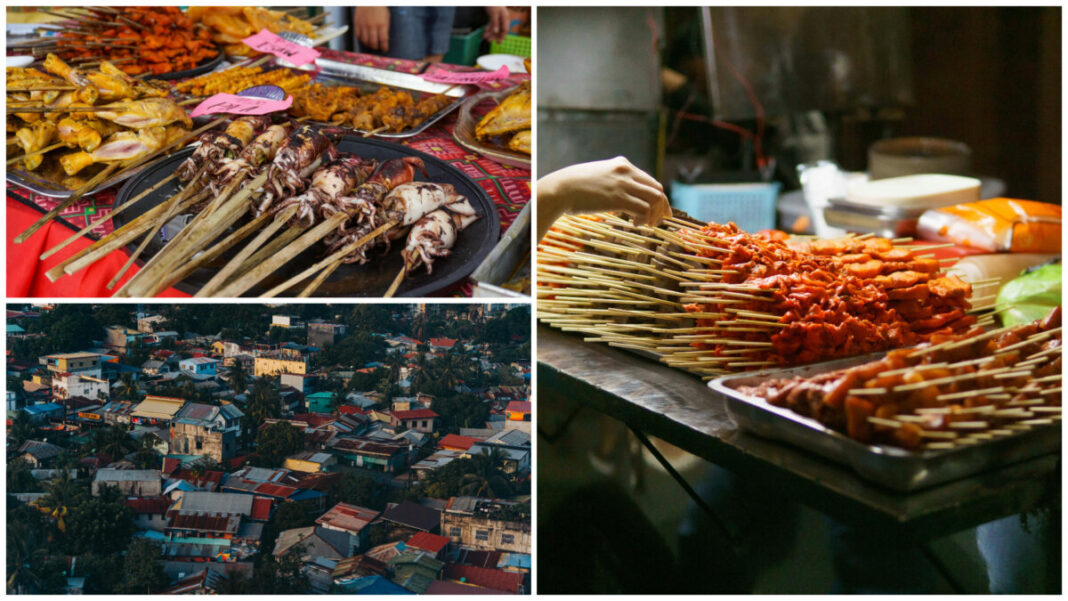

Households across Cebu are feeling the pinch as prices continue to climb, with recent data pointing to a sharp increase in the cost of everyday goods. The latest figures highlight a worrying trend that is affecting both urban centers and nearby provinces. For many families, daily expenses are becoming harder to manage as key commodities grow more expensive. Read on to understand what’s driving the surge and how different areas in Cebu are affected.
Province Hits 9.1 Percent in March

Inflation in Cebu Province surged to 9.1 percent in March 2026, marking a significant jump driven largely by rising transport costs and food and non-alcoholic beverages. The increase reflects mounting pressure on basic goods, particularly those tied to daily consumption. Higher costs in housing, electricity, and fuel also contributed to the overall spike. This sharp rise places additional strain on households already adjusting to changing economic conditions.
Cities Also See Higher Rates

The upward trend is not limited to the province, as key urban areas also recorded elevated inflation rates. Cebu City posted 6.8 percent, while Lapu-Lapu City reached 8.1 percent and Mandaue City logged 6.1 percent. These figures show that price pressures are widespread across Metro Cebu. Residents in these cities are experiencing increased costs in transportation, food, and essential services.
Food Supply Disruptions Add Pressure

Earlier inflation trends in Central Visayas were already among the highest in the country, driven by disruptions in food supply. A major factor was Typhoon Tino (Kalmaegi), which caused flooding in agricultural areas late last year. The damage affected food production and delayed deliveries, tightening supply in local markets. As a result, food prices surged, continuing to impact inflation months later.
What Inflation Means for Consumers

Inflation refers to the steady increase in prices of goods and services over time, reducing the purchasing power of money. As prices rise, consumers are able to buy fewer items with the same budget. This is especially felt in essential expenses such as food, transport, and utilities. For Cebuano families, the recent spike highlights the growing challenge of managing everyday costs.
Outlook Remains Cautious

Despite the current surge, economic managers expect inflation to remain manageable within target ranges in the coming years. Efforts are underway to stabilize food supply, improve infrastructure, and manage energy costs. Government plans include boosting agricultural productivity and ensuring reliable power supply to ease pressure on prices. While recovery may take time, these measures aim to bring relief to consumers facing rising costs.