
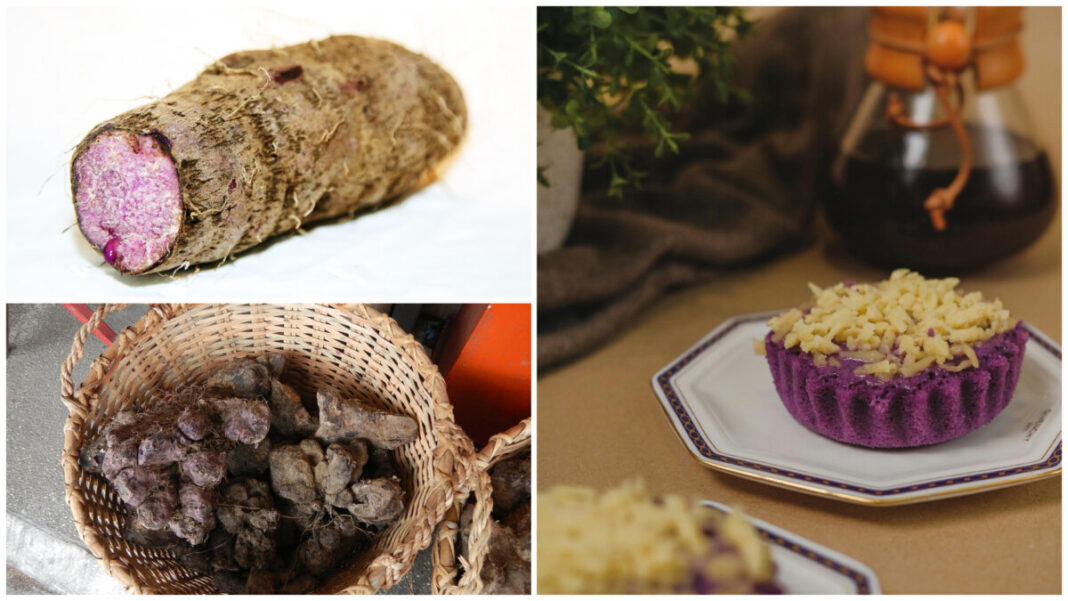

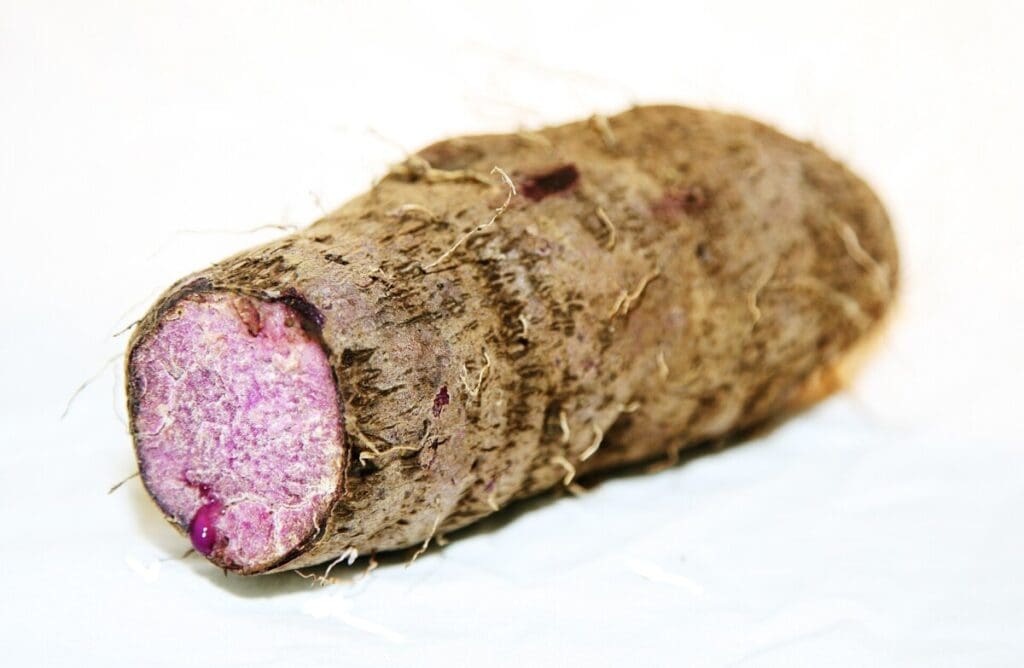
A once-humble root crop is capturing the attention of food lovers around the world. Ube, long a staple in Filipino desserts, has begun appearing in ice creams, drinks, pastries, and even specialty beverages abroad. Its striking color and unique flavor have made it a favorite not just for taste but also for visual appeal on social media. This growing international fascination is transforming ube from a local treasure into a global culinary trend. Discover how the Philippines is carving out a niche for its purple yam in the world market.
Global demand grows
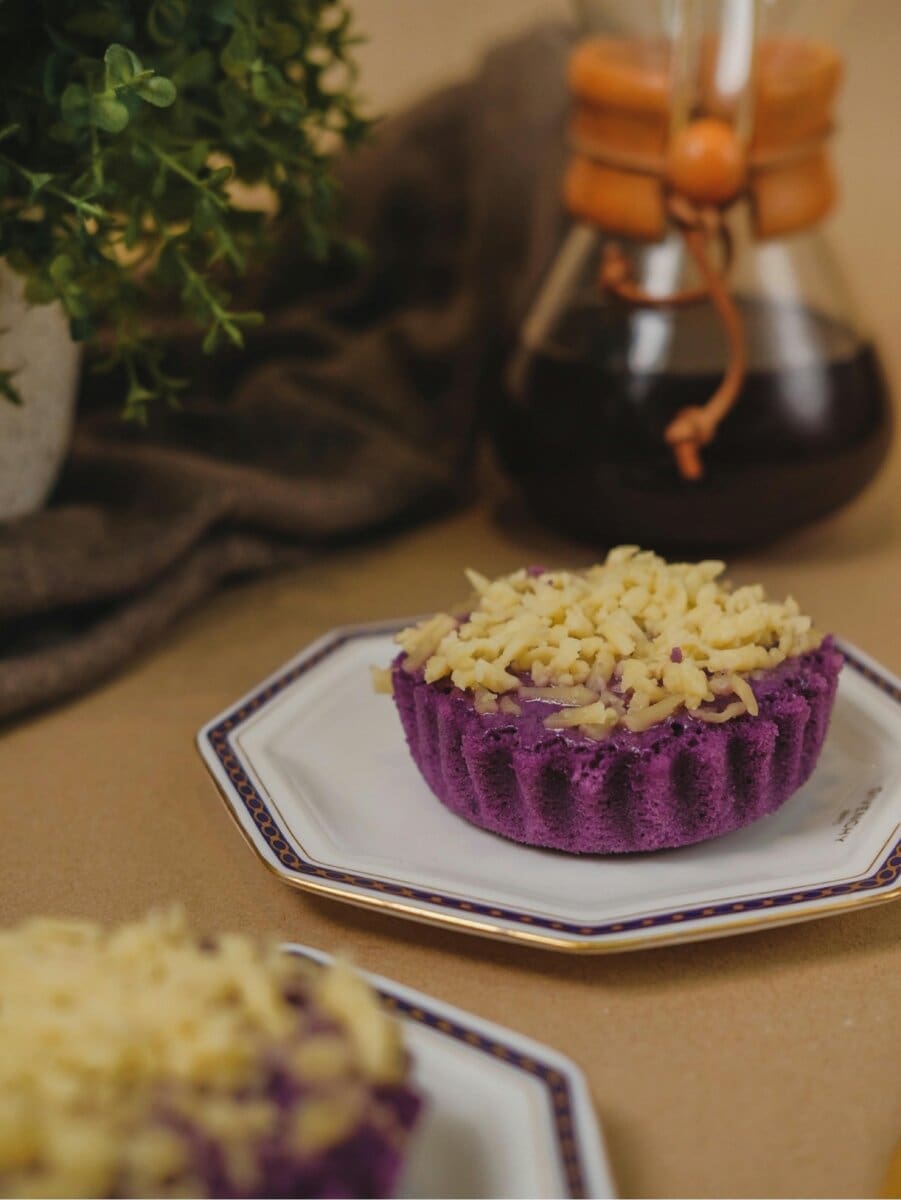
According to the Department of Trade and Industry, ube exports generated over $3 million in 2025, more than double the total yam exports from the previous year. Key markets include the United States, the United Kingdom, Italy, and the Middle East, while Japan, China, and the United States are driving innovation in how ube is used. The root crop is making waves in diverse formats, from powder and puree to halaya and flavor extracts. Ice cream, baked goods, and ready-to-drink beverages have all found enthusiastic audiences abroad.
Versatility drives popularity
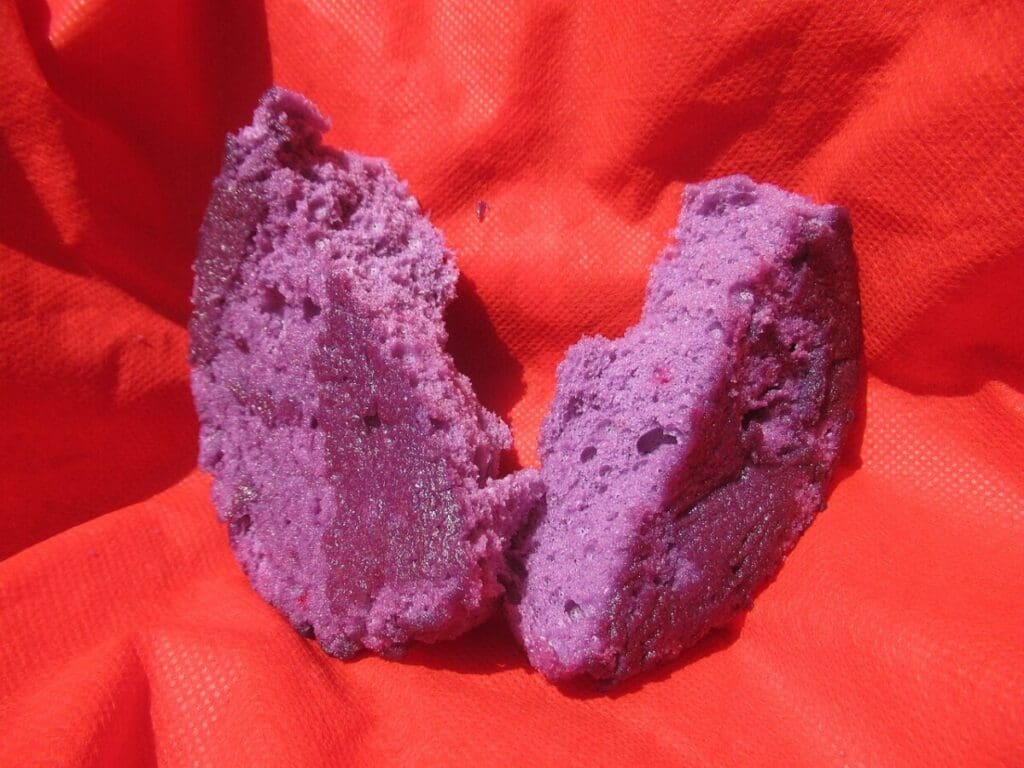
Ube’s appeal lies in its flexibility. Its flavor can be softened or blended to suit broader tastes, while its vibrant purple color remains a visual draw. Cafes and food brands worldwide are introducing ube in lattes, chocolates, and frozen treats, positioning it alongside other trending ingredients like matcha and quinoa. The versatility allows chefs and producers to experiment, creating products that resonate with international consumers while maintaining a connection to Filipino cuisine.
Production challenges
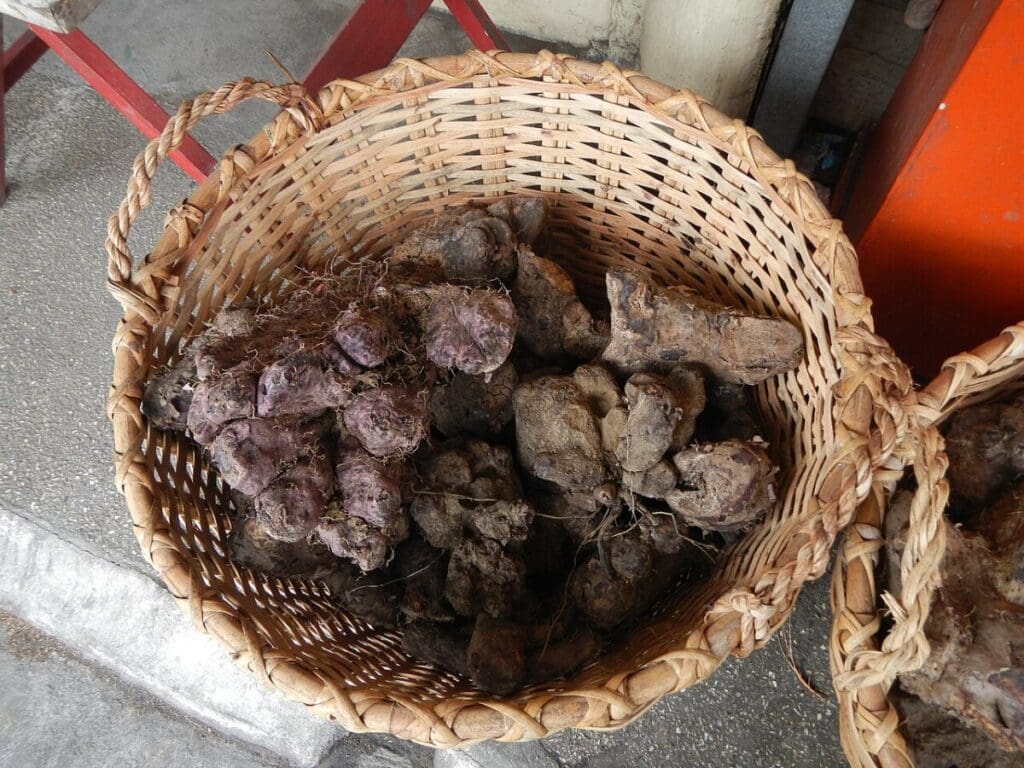
Despite its rising popularity, production remains a hurdle. The Philippines produced 13,535 metric tons of ube in 2022, down from over 15,000 metric tons the previous year. Many farmers grow ube in small plots, often favoring more predictable crops, and propagation requires careful planning to balance harvesting and replanting. To meet growing demand, the country has even had to import ube from Vietnam. Sustaining global interest will require innovative approaches to farming and supply chain management.
The path ahead
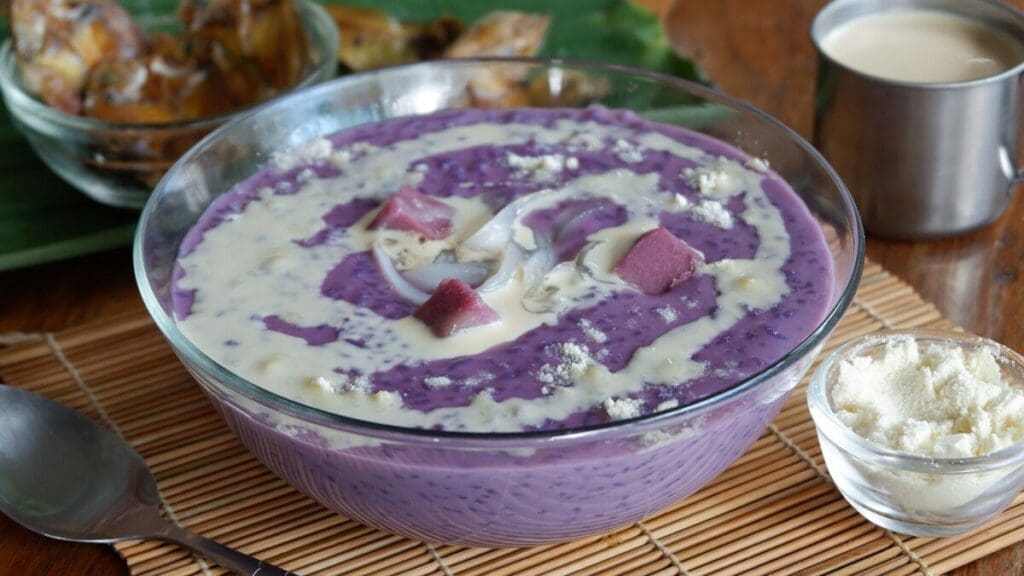
For the Philippines, success in the international ube market depends not only on production but also on branding and value-added products. Strong marketing, paired with inventive culinary applications, could make ube a signature Filipino export. While still small compared with coconut oil or banana exports, ube’s unique flavor, color, and versatility make it a promising player in the global food scene.
From local favorite to global trend
What sets ube apart is how it blends heritage and novelty. Its connection to Filipino culture provides authenticity, while its visual and culinary versatility makes it attractive worldwide. With continued support for exporters and innovation in farming and product development, the Philippines could transform ube from a beloved dessert ingredient into a global export staple.