

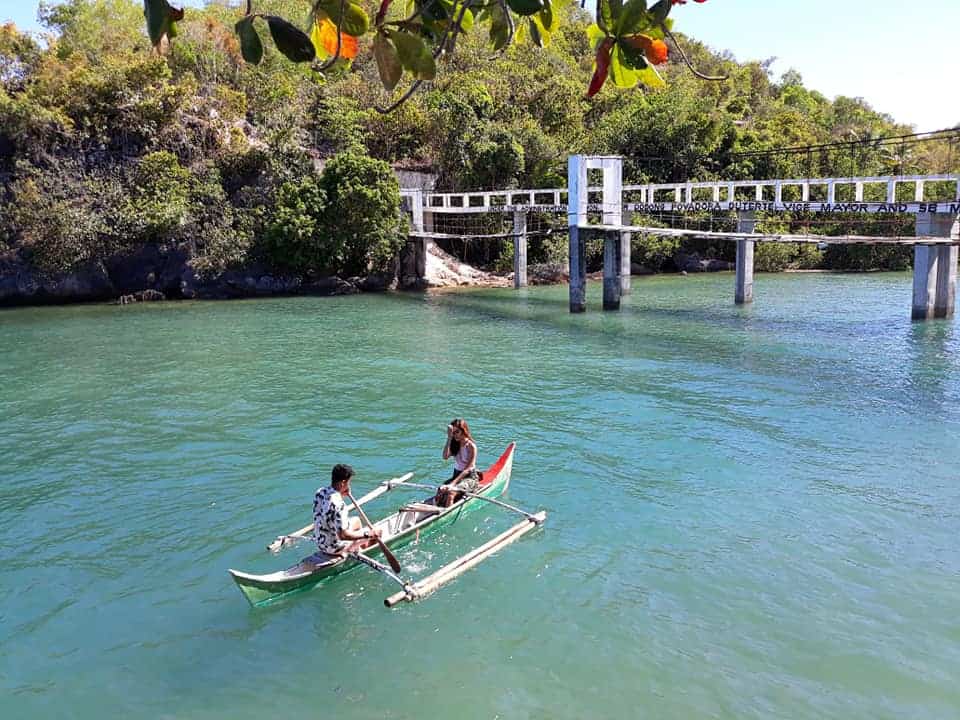
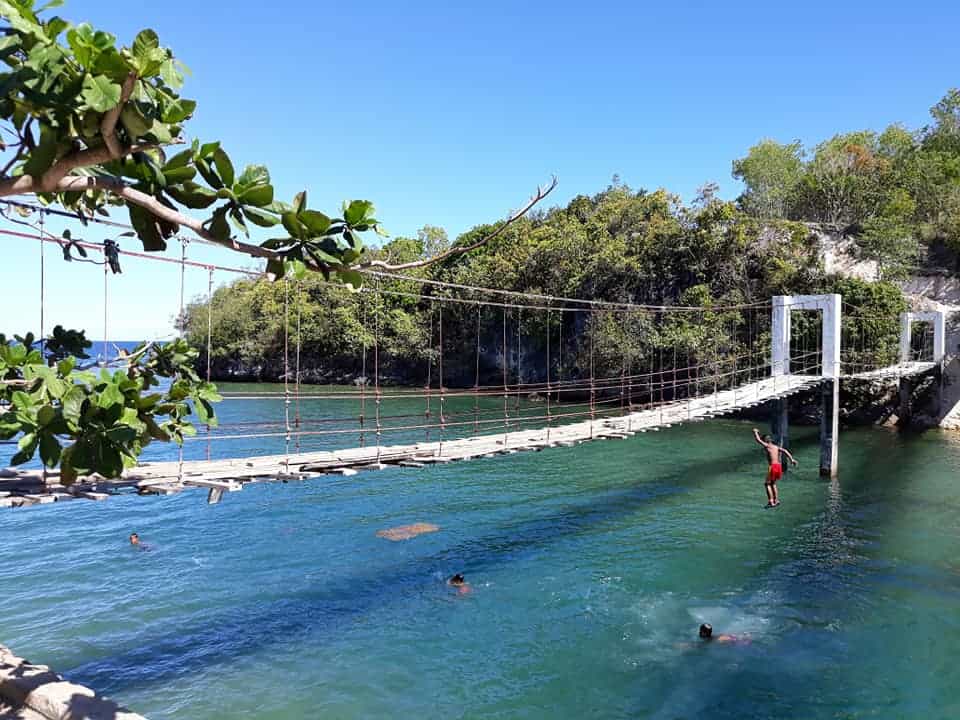
Located in Tabogon, Cebu, the old hanging bridge stands as a silent testament to the community’s resilience and history. Though no longer in use, its weathered planks and swaying ropes invite visitors to imagine the countless footsteps that once crossed it. This relic is more than just a bridge, it’s a link between generations, a living memory of the past amidst the lush Cebuano landscape.
A Modern Marvel: The New Salag Bridge
Beside the old hanging bridge rises its modern counterpart a sturdy, cemented bridge that seamlessly connects communities. This upgrade mirrors the adaptability of locals, embracing progress while honoring tradition. As you cross the new bridge, panoramic views of the flowing river and surrounding greenery offer a perfect snapshot of nature meeting human ingenuity.
Bridging Past and Present
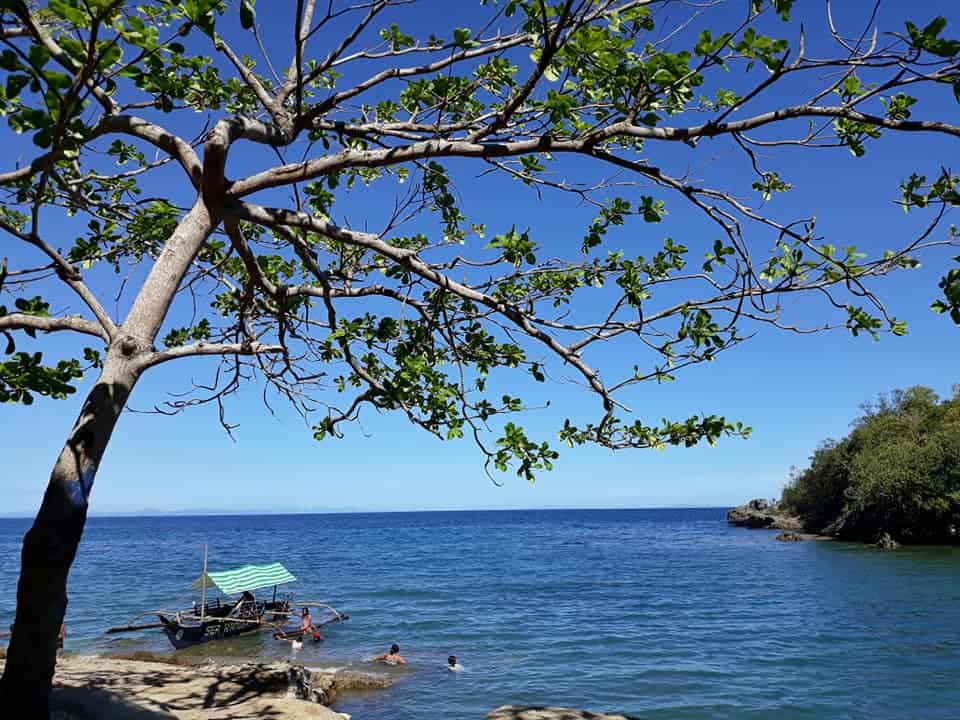
The juxtaposition of the retired hanging bridge and the contemporary cemented bridge tells a story of evolution. One is a historical artifact, the other a functional lifeline. Together, they symbolize unity, progress, and the enduring spirit of the Salag community. The area invites reflection on time, change, and the bridges, both literal and metaphorical, that tie people together.
How to Get There?
Location: Barangay Salag, Tabogon, Cebu, Philippines
- By Car: Driving to Barangay Salag is straightforward. Set your destination to “Barangay Salag, Tabogon, Cebu” on Waze or Google Maps. The route offers scenic views of northern Cebu, and local roads are accessible for standard vehicles. Parking is available near the bridge area.
- By Commute: From Cebu City, take a bus or V-hire bound for Tabogon at the North Bus Terminal. The trip takes roughly 3 hours, with fares ranging from ₱140-160 one-way. Once in Tabogon Market, hire a habal-habal (motorbike taxi) to reach Barangay Salag and the bridge site.