
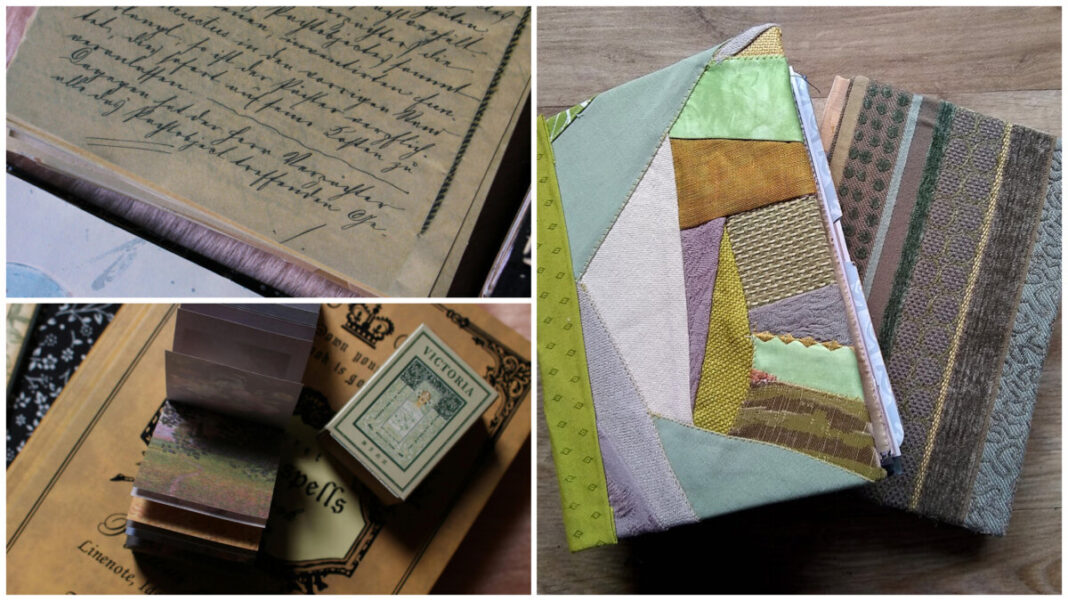
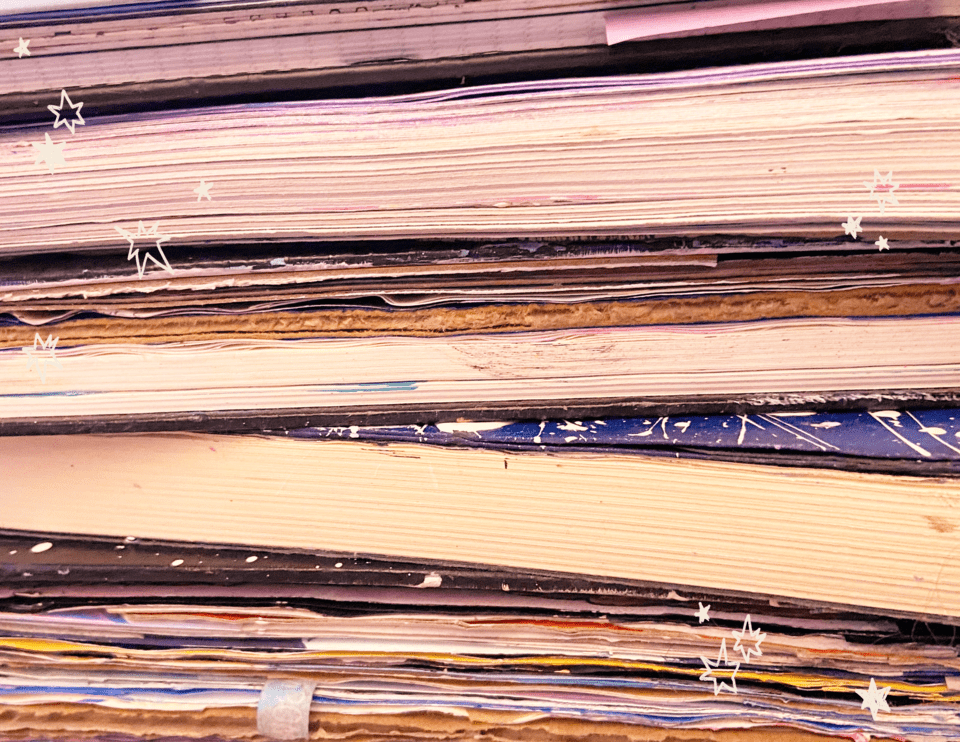
A growing number of crafters are rediscovering the joy of handmade journals made from recycled and found materials. Known as junk journaling, this craft transforms simple paper scraps into layered books filled with texture, memory, and personality. The appeal lies in its freedom, where there are no strict rules or fixed layouts to follow. Each page becomes a mix of creativity, storytelling, and personal expression. To understand its charm fully, it helps to look at how this craft is built and why it continues to grow in popularity.
What Makes a Junk Journal Different?
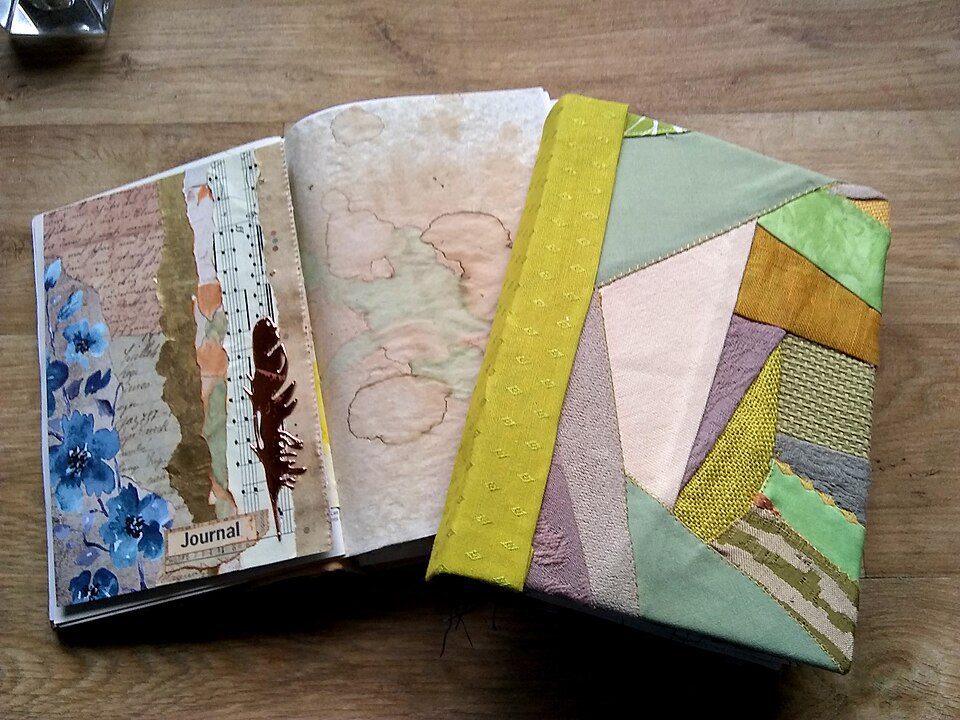
A junk journal is a handmade book created from a mix of recycled, vintage, and everyday materials. These can include envelopes, old book pages, paper bags, receipts, and magazine cutouts combined into a single creative structure. Unlike traditional scrapbooks, junk journals do not follow a strict theme or layout, allowing more freedom in design. Many creators also use coffee-dyed paper or aged-looking materials to give a vintage feel. The final result is often a layered, textured book that reflects personal style rather than uniform design.
Common Materials Used in Junk Journals
Junk journaling relies heavily on accessible and repurposed materials that are easy to gather at home or in craft shops.
• Old book pages and notebooks
• Envelopes and paper bags
• Magazine clippings and newspaper prints
• Wrapping paper and scrapbook sheets
• Fabric scraps, lace, and ribbons
• Receipts, tickets, and labels
• Washi tape, stickers, and stamps
• Coffee-dyed or tea-stained paper
• Cardstock and cardboard bases
These materials are often referred to as ephemera, items that are temporary but creatively valuable. The mix of textures and prints gives each journal its unique character.
How Junk Journals Are Structured?
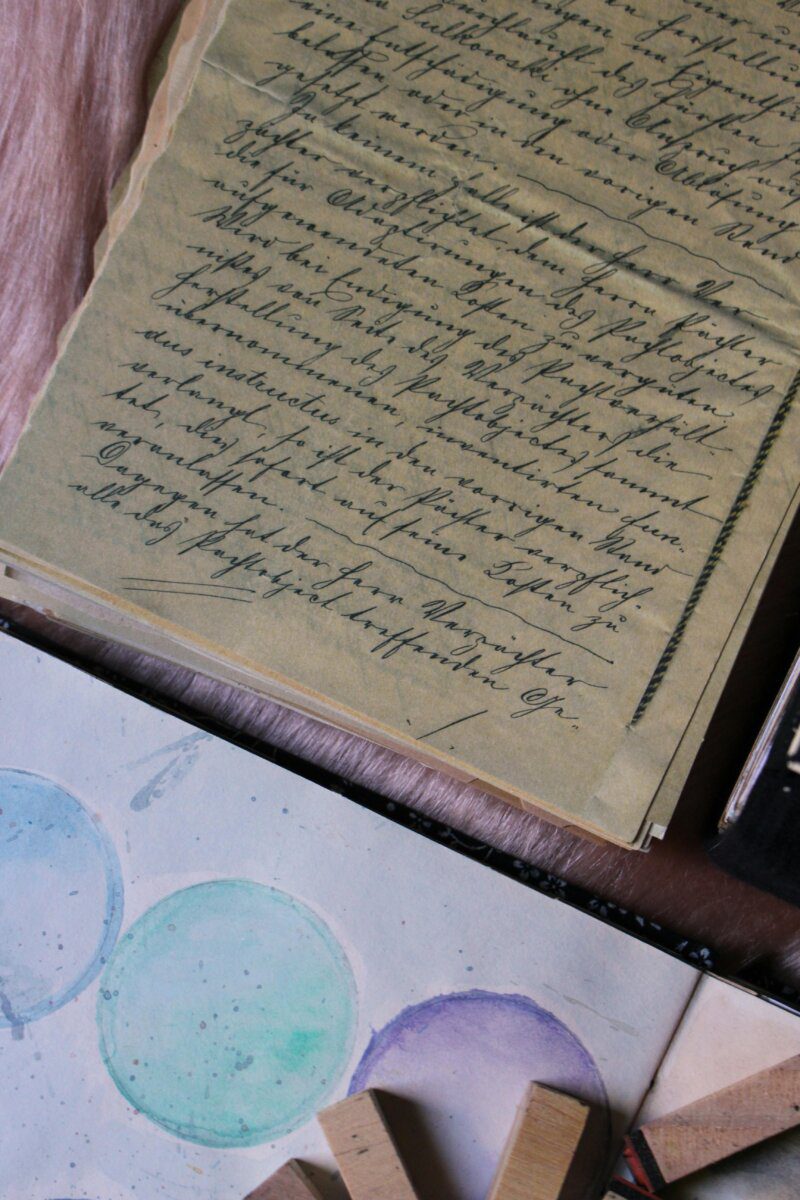
There are different ways to assemble a junk journal depending on preference and style. Some are built from altered books, where old hardcovers are repurposed into new creative spaces. Others are ring-bound or stitched into signatures, which are small bundled sections of pages. Many creators prefer flexible formats that allow pages to be added or removed easily. The structure often supports experimentation rather than strict organization.
• Altered book journals using recycled hardcovers
• Ring-bound journals with refillable pages
• Stitched signature journals with handmade binding
• Traveler-style journals with removable inserts
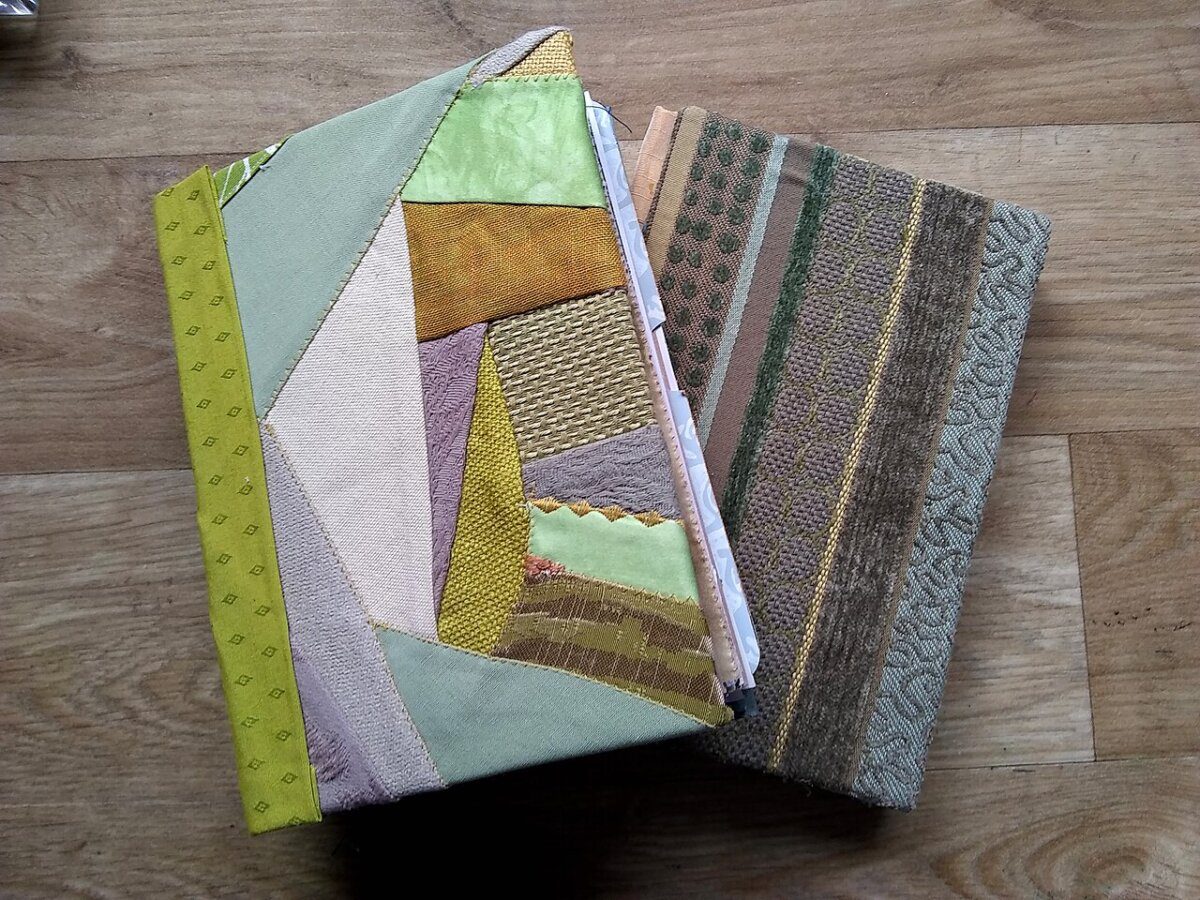
Each format allows for different levels of flexibility and creativity. The choice depends on how interactive or structured the journal is meant to be.
Creative Uses Beyond Simple Journaling
Junk journals are not limited to writing alone, as they serve multiple creative purposes. Many people use them for memory keeping, combining photos, notes, and personal memorabilia. Others use them as planners, art journals, or mixed media sketchbooks. The format also supports collage work, storytelling, and reflective writing. Because of its flexibility, it adapts easily to different creative habits.
• Personal journaling and daily writing
• Scrapbooking and memory keeping
• Art journaling and mixed media work
• Travel and event documentation
• Goal setting and creative planning
• Mood tracking and reflection pages
This adaptability makes junk journaling appealing to both beginners and experienced crafters.
Step-by-Step Approach to Starting One
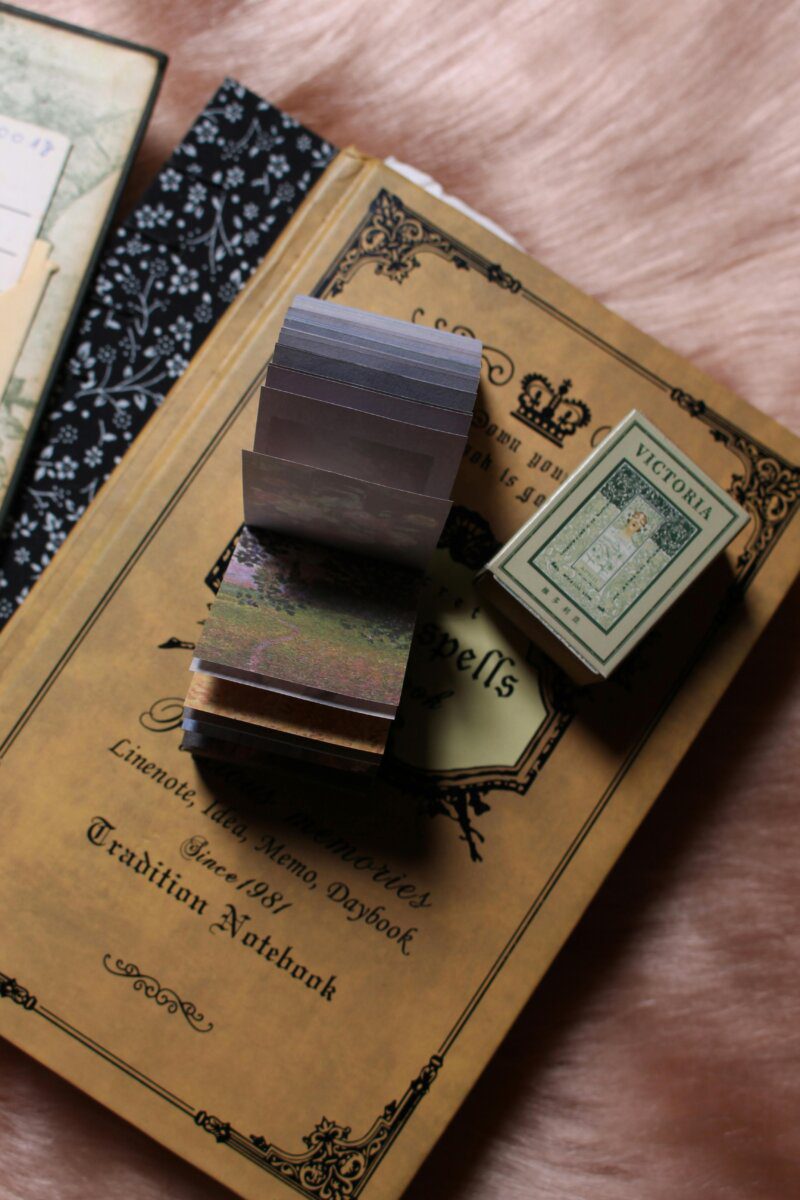
Creating a junk journal does not require advanced skills or expensive tools. Most beginners start by selecting a base structure and gathering materials from home. Pages are then layered with different textures and decorated with personal items or found materials. Writing, drawing, and collage elements are added freely as the journal develops. The process focuses more on expression than perfection.
• Choose a base format like a book or notebook
• Collect paper, fabric, and recycled materials
• Layer pages with glue, tape, and stitching
• Add personal notes, drawings, and clippings
• Decorate using stamps, stickers, or handwritten text
Each page grows organically, reflecting mood and creativity over time.
Why Junk Journaling Continues to Grow
Junk journaling has become more than just a craft, evolving into a form of creative relaxation for many people. Its hands-on nature allows individuals to disconnect from digital routines while focusing on physical materials. Many creators find it calming and reflective, turning it into a personal escape. It also encourages resourcefulness by using items that would otherwise be discarded. This blend of creativity and mindfulness continues to attract a growing community of enthusiasts.
At its core, junk journaling is about transforming ordinary materials into something meaningful and personal. Each journal becomes a collection of memories, thoughts, and artistic expression in one handmade space. There are no fixed rules, only possibilities shaped by the creator’s imagination. Whether used for writing, art, or memory keeping, it remains a flexible creative outlet. Every page tells a story built from everyday fragments turned into lasting keepsakes.