
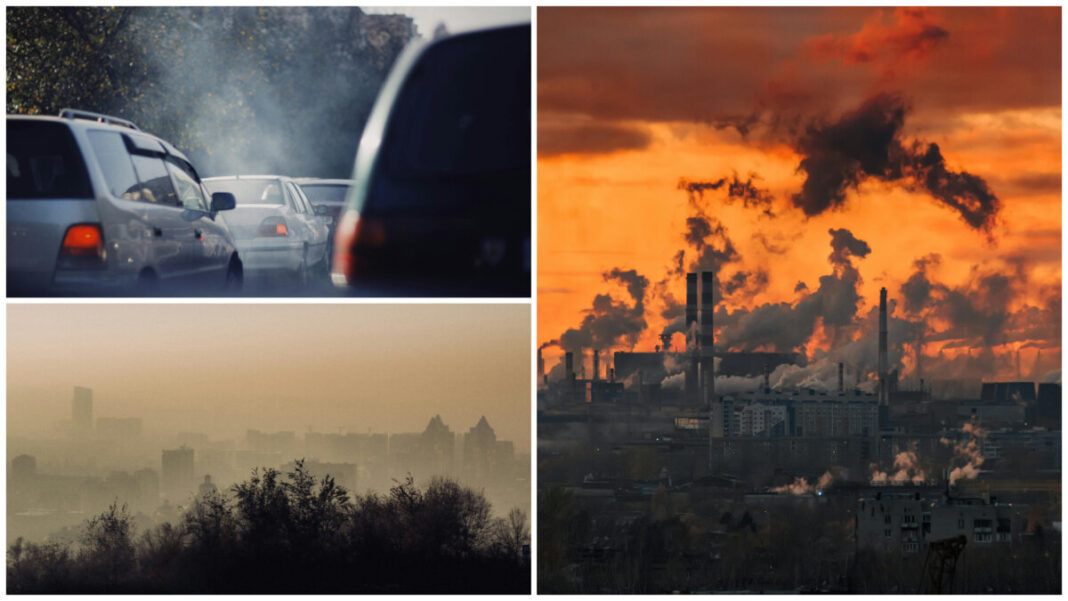
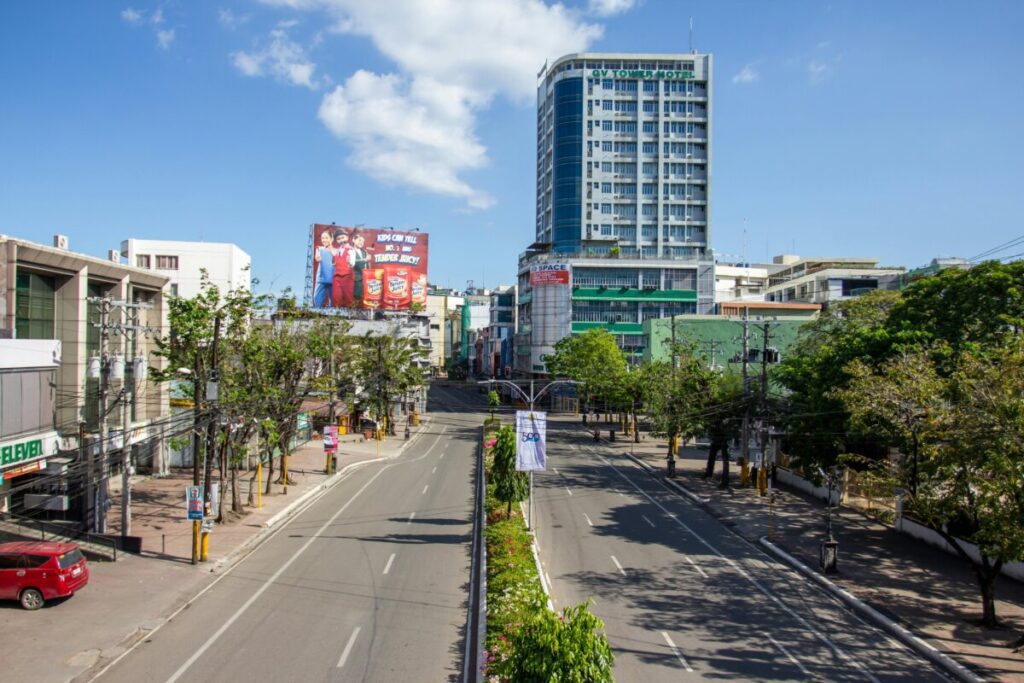
A thick haze that recently blanketed Cebu City and nearby areas is now gradually thinning, slightly improving visibility and easing conditions across parts of the metro. While skies remain somewhat dull compared to normal, stronger winds have helped disperse trapped pollutants, bringing air quality down from more hazardous levels. Despite this improvement, conditions are still classified as “Unhealthy for Sensitive Groups,” meaning the impact is less severe than before but continues to pose risks—especially for vulnerable residents—and remains noticeable in everyday movement around the city.
Air Quality Reaches Critical Levels
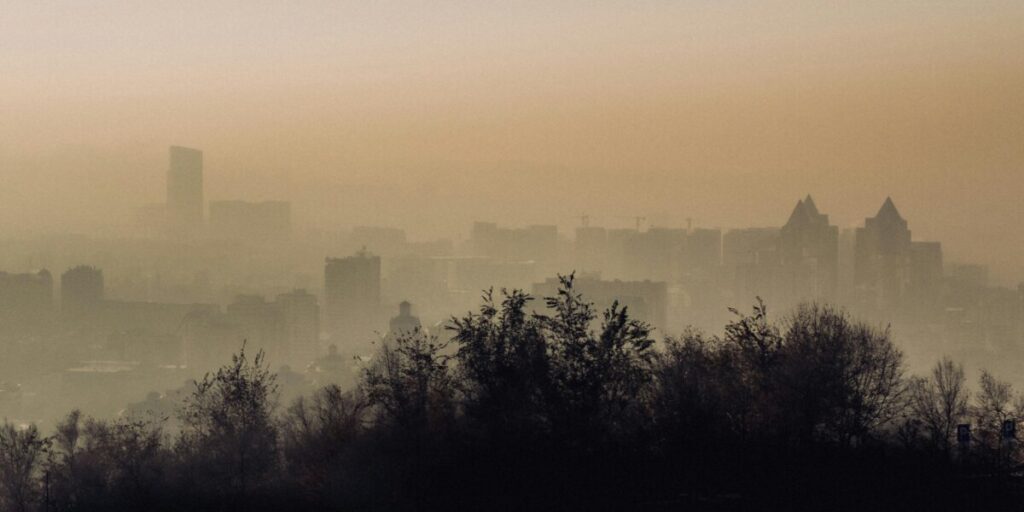
Recent monitoring from the Department of Environment and Natural Resources through the Environmental Management Bureau shows a sharp increase in pollution. The Air Quality Index jumped from 112 to 199 in a short span, placing it in the “very unhealthy” range. This level signals a serious public health concern, especially in a dense urban setting like Metro Cebu. The data was recorded at a monitoring station in Talisay City.
Why the Air Is Not Moving
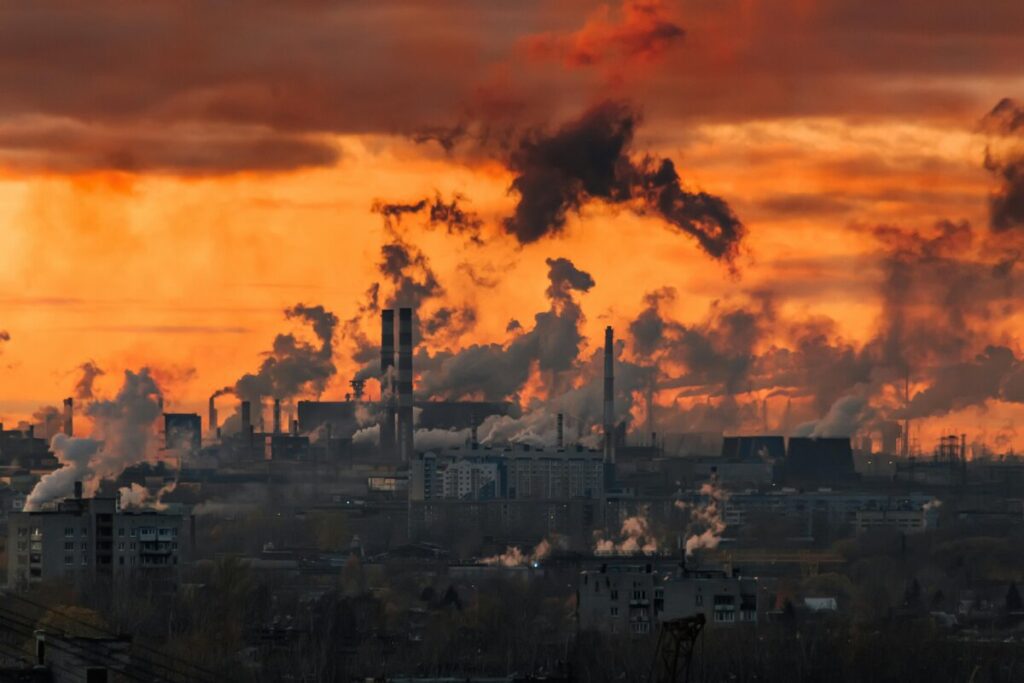
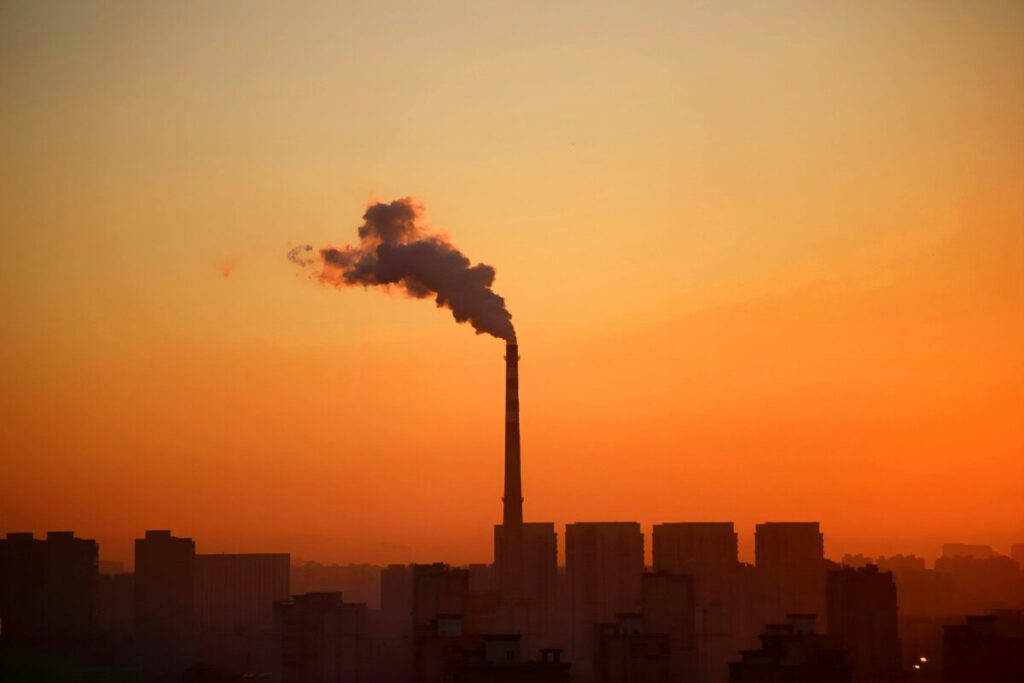
The main driver behind the sudden drop in air quality is stagnant air caused by extreme heat. High-pressure systems act like a lid over the metro, preventing air from circulating. With wind speeds staying low at around 2 to 3 meters per second, pollutants remain trapped instead of being carried away. This creates what experts call a “zero-dispersion” effect, where smoke, dust, and emissions build up in the same area.
Pollution Sources Build Up Fast
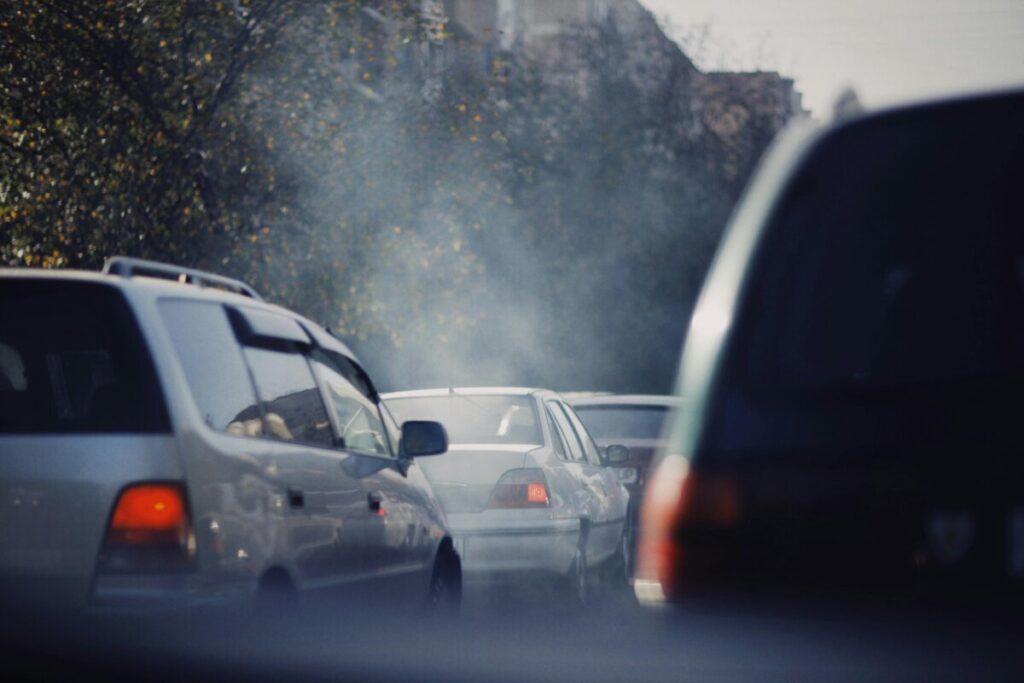
Daily activities play a major role in worsening the situation. Vehicle emissions remain the top contributor, especially along major roads across the metro. Additional sources like small fires, including grass fires in South Road Properties and residential fires in Barangay Pahina Central, add more smoke into the already heavy air. Without wind or rain, these pollutants stay close to the ground where people breathe.
Understanding the Risk in the Air
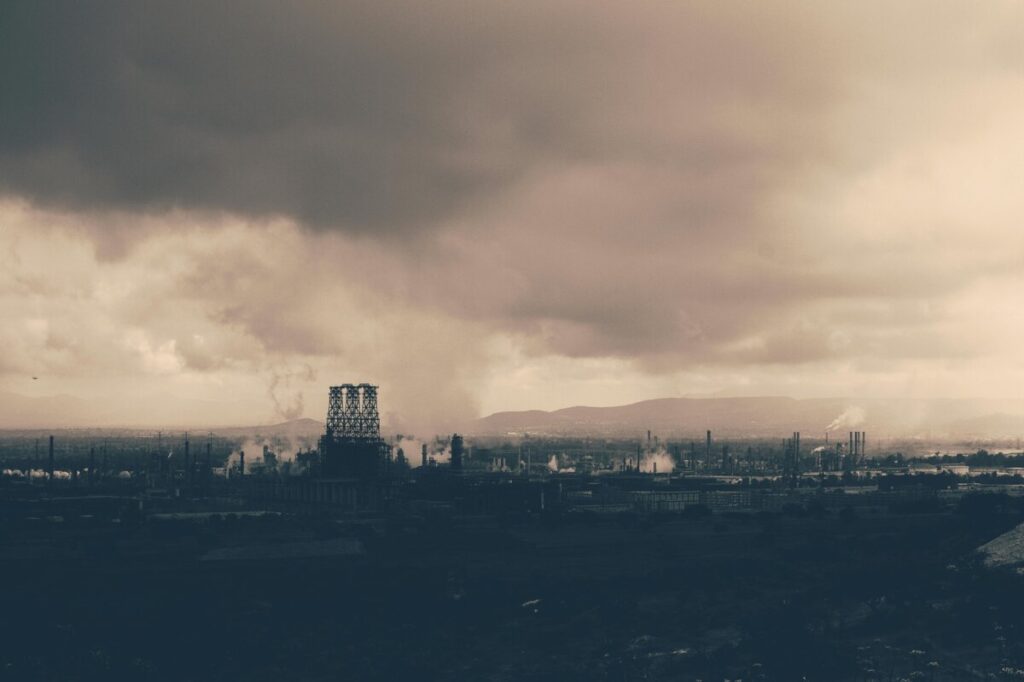
The biggest concern comes from fine particles known as PM2.5. These particles are extremely small and can travel deep into the lungs. Unlike larger dust particles, they can even enter the bloodstream, making them more dangerous. At current levels, even healthy individuals may experience throat irritation, coughing, or shortness of breath. Those with asthma, bronchitis, or heart conditions face a higher risk of complications.
Who Is Most Affected
Children, older adults, and people with existing health conditions are the most vulnerable. Pregnant women are also advised to take extra precautions. However, at an AQI close to 200, the effects are no longer limited to specific groups. Prolonged exposure can impact anyone spending time outdoors.
How to Protect Yourself
Health authorities recommend limiting time outside as much as possible while conditions remain poor. Staying indoors with windows and doors closed helps reduce exposure, especially during peak heat hours. If you need to go out, wearing a well-fitted N95 or KN95 mask offers better protection against fine particles compared to regular cloth masks. Using air conditioning in recirculation mode can help keep indoor air cleaner. If masks are not available, covering your nose and mouth with a damp cloth can offer temporary protection. Drinking water regularly and avoiding strenuous outdoor activity can also help reduce health risks.
What This Means for Metro Cebu
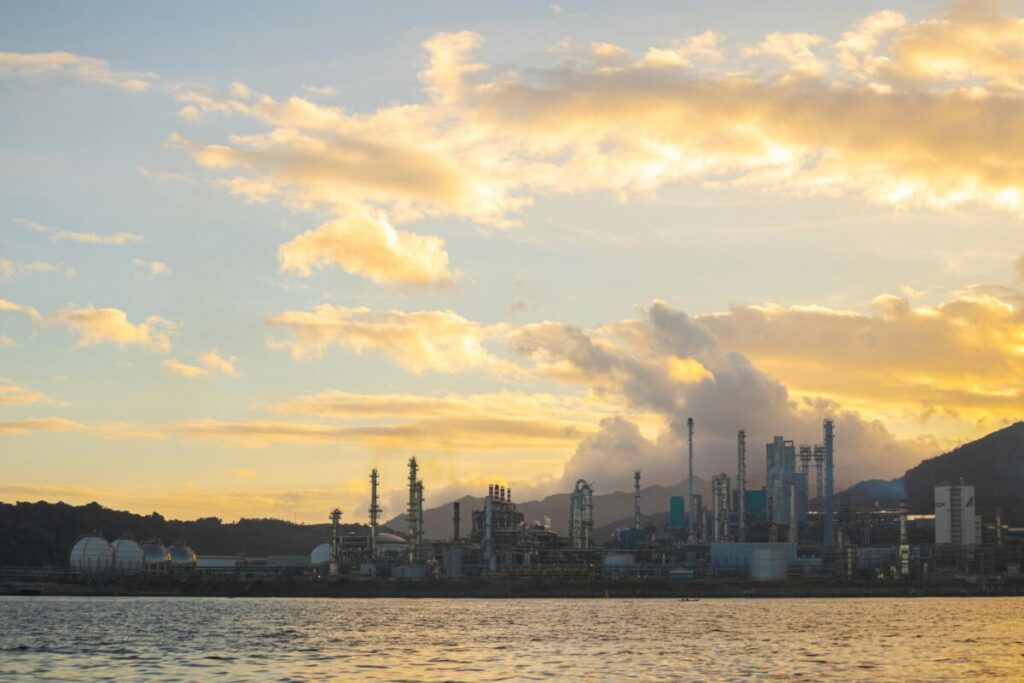
The situation reflects a growing challenge for a rapidly developing region. Increased traffic, urban expansion, and prolonged dry weather continue to add pressure on air quality. Without wind or rain to clear pollutants, the metro becomes vulnerable to repeated haze episodes. While authorities work on long-term solutions, residents are left to adjust daily routines to stay safe.