
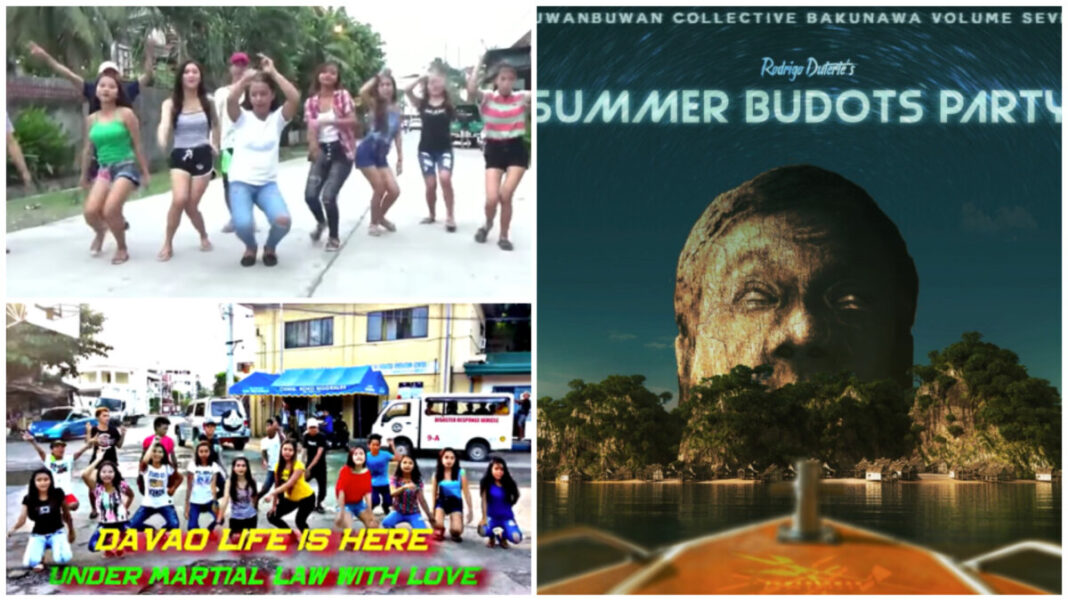
It started as something many didn’t take seriously. The kind of music played loud in neighborhoods, danced without rules, and often brushed off as “baduy.” Then one viral moment changed everything, as videos of Rodrigo Duterte dancing to its unmistakable rhythm spread across the internet. What once felt local and overlooked suddenly found itself in the national spotlight. Keep reading to see how budots went from being dismissed to defining a cultural moment.

From Davao Streets to National Noise

Long before it reached mainstream attention, budots was already alive in Davao City. The genre grew in communities where music was raw, loud, and shared in open spaces. It found its way into television, local news features, and even reality shows like Pinoy Big Brother. By the time it hit wider audiences, it had already built a strong identity rooted in everyday life.
The Man Behind the Movement

At the center of it all is DJ Love, the creator credited with shaping the budots sound. Born Sherwin Tuna, he started as a young DJ experimenting with beats in his community. His goal was simple: turn chaotic energy into something people could enjoy. Over time, his signature mix of fast beats, looping sounds, and street-style dance created a genre that felt uniquely Filipino.
More Than Just a Dance Craze

Budots are easy to recognize but hard to define. It carries bouncing rhythms, sharp electronic tones, and a freestyle dance style that breaks away from structure. What makes it stand out is its openness. Anyone can dance to it, anywhere, without needing to follow steps. That freedom helped it spread quickly, from streets to parties, then to malls and festivals across the country.
Politics, Parodies, and Pop Culture

As budots grew, it found its way into unexpected spaces. Politicians used it in campaigns, while creators turned it into parody and remix culture. Groups like BuwanBuwan experimented with its sound, blending it with speeches and internet humor. It became both entertainment and commentary, showing how flexible the genre could be.
The Internet Gave It a Second Life

Years after its rise, budots found new energy online. Platforms like TikTok and YouTube introduced it to younger audiences and global listeners. Tracks inspired by its sound began appearing in thousands of videos, turning it into a digital-era trend. What once played in local streets now echoes across international feeds.
From Grassroots to Global Stage
Despite its growing reach, budots remains deeply rooted in its origins. It is a sound shaped by community, creativity, and everyday life in the Philippines. For DJ Love, it has always been about expression rather than perfection. From being labeled “corny” to gaining global attention, budots proves that culture often grows strongest from the ground up.