
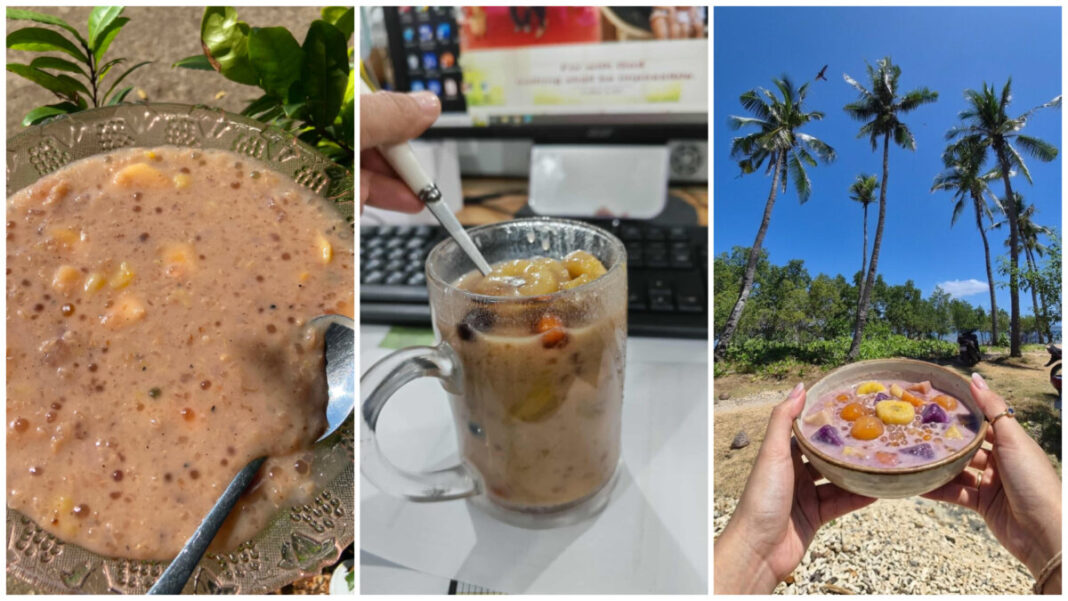


Holy Week in Cebu is not just a season of reflection and devotion, it’s also a time for families to gather in kitchens and celebrate one of the Visayan region’s most beloved treats: binignit. This creamy, sweet stew of tubers, fruits, and glutinous rice has been a staple during Lenten season for generations. Its comforting flavors warm hearts and homes, making it a highlight of Holy Week gatherings. Keep reading to discover what makes binignit a cherished Filipino tradition and how it’s prepared across Cebu.
A Dish Steeped in History

Binignit traces its roots to the Visayas, where early settlers relied on simple, locally available ingredients to prepare meals during Holy Week. The dish became a Lenten staple, offering sustenance and comfort while observing the tradition of abstaining from meat. Over time, binignit evolved into a festive culinary experience, with each family adding its own touch, whether through unique ingredients, textures, or flavors. Today, it is as much a symbol of culture and community as it is a dessert or snack.
Ingredients That Make Binignit Special

The magic of binignit lies in the combination of hearty tubers, tropical fruits, and creamy coconut milk. Essential ingredients include:
- Sweet Potato (Kamote) – Adds natural sweetness and a soft, hearty texture.
- Purple Yam (Ube) – Rare and vibrant, giving both color and earthy flavor.
- Banana (Saba) – Creamy and sweet, a classic component in Visayan binignit.
- Taro (Gabi) – Offers a starchy, melt-in-your-mouth consistency.
- Jackfruit (Langka) – Adds a fragrant, chewy tropical note.
- Sweet Rice Balls (Bilo-bilo) – Soft, chewy glutinous rice balls for a fun texture.
- Coconut Milk (Gata) – Provides the rich, creamy base that binds the dish together.
- Palm Sugar (Panutsa) – Sweetens with deep caramel tones.
- Pandan Leaves – Infuse aroma and subtle flavor.
Optional additions include corn kernels, camote balls, or malagkit rice, allowing each cook to personalize the dish.
Cooking Binignit: A Labor of Love

Preparing binignit is as much about family and ritual as it is about flavor. The ingredients are simmered slowly in coconut milk and water until tender, blending together into a rich, creamy stew. Many families prepare it on Good Friday, pairing the dish with fasting traditions, while others enjoy it as a snack or dessert throughout Holy Week. The process of cooking together strengthens family bonds and keeps culinary traditions alive from one generation to the next.
A Celebration of Filipino Culture

Beyond its taste, binignit represents the values of faith, family, and community. As Cebuanos gather to cook, serve, and share this beloved stew, they honor both the Lenten season and the enduring Filipino love for communal meals. Served hot or cold, binignit brings warmth and comfort, reminding everyone of the simple joys that define Holy Week in Cebu. Whether you are a seasoned cook or a first-timer, making a pot of binignit is a delicious way to celebrate heritage, faith, and family.
Binignit: Sweet, Creamy, and Unforgettable
From the hearty sweetness of kamote and ube to the tropical notes of jackfruit and saba, binignit is more than just a dish—it’s a Filipino tradition that tells a story of devotion, resilience, and togetherness. Every spoonful is a reminder of Cebu’s rich culinary heritage and the warmth of gathering with loved ones during the most sacred week of the year.